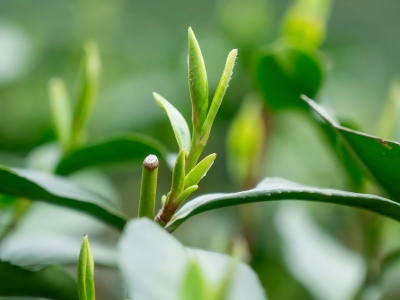
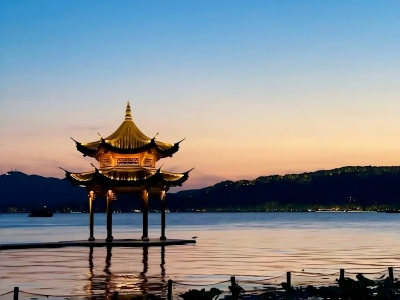
If you've already looked up Longjing tea in Hangzhou, you've probably seen the same suggestions: visit Longjing Village, stop by a tea house, take some photos, and try a cup of "authentic" tea. And yet, many travelers leave feeling… underwhelmed. It's not that Longjing tea isn't special — it absolutely is. The problem is how most people experience it. They go to the busiest spots, sit in overly commercial tea houses, pay high prices, and leave without really understanding what makes Longjing tea culture so unique. In reality, a true Longjing tea experience isn't about ticking a box. It's about slowing down, sitting in the right place, and letting the moment unfold. That's exactly what this guide is here to help you find.
What an Authentic Longjing Tea Experience Actually Feels Like
A real Longjing tea experience in Hangzhou doesn't feel like a "stop" on your itinerary. It feels more like time slowing down for a while.
The surroundings
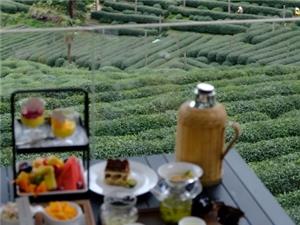
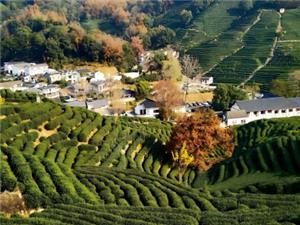
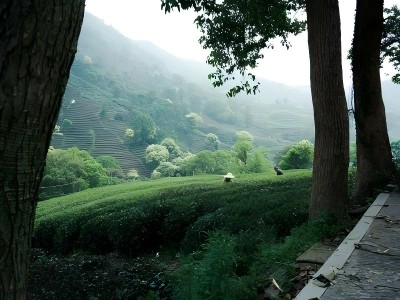
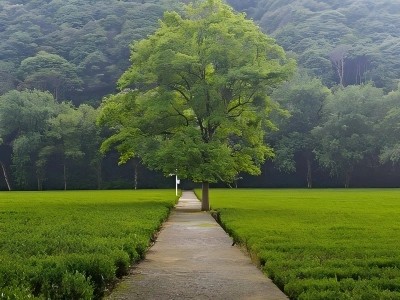
You're usually not in the city anymore. Instead, you're somewhere in the hills—surrounded by tea fields, fresh air, and a kind of quiet that's hard to find near West Lake. If you sit still for a moment, you'll hear the wind moving through the tea leaves. It's simple, but that's exactly the point.
The pace
Nothing here is rushed. No one is trying to turn your table over, and there's no fixed "experience time." You sit, you drink, and you stay as long as you like. Sometimes you end up spending much longer than you planned. And that's when it starts to feel right.
The interaction
In many smaller tea houses, the experience feels personal. The owner might prepare the tea for you, sometimes without much explanation—just a quiet rhythm of pouring water, waiting, and serving. If conversation happens, it's natural. If not, that's fine too. There's no performance, no pressure—just tea.
The tea itself
Longjing tea is not strong in the way many people expect. It's light, clean, slightly nutty, with a soft sweetness that stays after each sip. The flavor doesn't hit you—it builds slowly. It's the kind of tea you don't rush.
The feeling
At some point, you stop thinking about whether it's "authentic" or not. You're just sitting there, maybe talking, maybe not, with a cup of tea in your hand and nowhere else to be. That's usually when you realize—this is what the experience is really about.
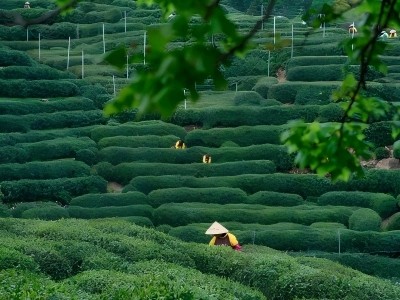
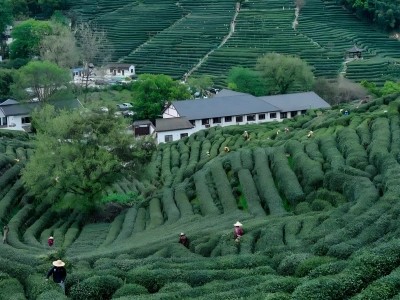
Longjing Tea Areas Compared: Which One Is for You?
If you ask me where I'd go for a tea day, I usually avoid the busiest parts of Longjing Village. I'd rather spend time in the hills or somewhere a bit further out, where things feel less commercial and more in line with how locals actually enjoy tea.
That said, each area has its own character—and depending on your time, interests, and travel style, the right choice can be very different.
Longjing Village
· Atmosphere: Traditional, but very tourist-heavy
· Distance from West Lake: 15–20 mins
· Best for: First-time visitors who want to see the "famous" area
· Downside: Can feel crowded and commercial
Meijiawu Tea Village
· Atmosphere: More developed, easier to navigate
· Distance: 25–30 mins
· Best for: Comfortable, accessible experiences
· Downside: Less intimate, more restaurant-style tea houses
West Lake Hills (less-known areas)
· Atmosphere: Quiet, local, less polished
· Distance: 10–15 mins
· Best for: Travelers seeking a more authentic, slower experience
· Downside: Requires a bit more effort to find the right spot
Shifeng Area
· Atmosphere: More authentic, tea-focused
· Distance: 15–20 mins
· Best for: Tea lovers who care about origin and quality
· Downside: Less polished, harder to navigate
Longwu Tea Village
· Atmosphere: Open, spacious, much less touristy
· Distance: 30–40 minutes from West Lake
· Best for: Relaxed visits, walking through tea fields, avoiding crowds
· Downside: Further away, fewer well-known tea houses
Area | Tourist Crowd | Vibe | Distance from West Lake | Best For |
Longjing Village | Busy (peak season) | Traditional, iconic | 15–20 mins | First-time visitors |
Meijiawu Tea Village | Quiet – local favorite | Relaxed, authentic | 25–30 mins | Deep tea experience |
West Lake Hills | low | Peaceful, hidden | 10–15 mins | Short, quiet visits |
Shifeng Area | Medium | More authentic, tea-focused, less polished | 15–20 mins | Tea lovers, quality-focused visitors |
Longwu Tea Village | Very low | Open, spacious, very relaxed | 30–40 mins | Avoiding crowds, walking in tea fields |
Local Tip: If you're after something more personal and less touristy, the hills around West Lake are usually where the best experiences happen.
Best Hidden Tea Houses in Hangzhou
If I were to take a friend visiting Hangzhou for the first time, I wouldn't bring them to the most famous tea houses. I'd take them somewhere quieter—places where you can actually sit down, take your time, and enjoy tea without feeling rushed or surrounded by crowds.
These aren't necessarily the most well-known spots, but they're the ones that tend to leave a better impression.
Hongmei Tea House (Family-Run Tea Farm Experience)
Location: In the Longjing tea area, about 20–25 minutes from West Lake
Why it's special: This is the kind of place locals mean when they say "go drink tea in the mountains." The owner has their own tea fields, and everything here feels real, not staged.
Experience: Walk through the tea garden, try seasonal tea picking (spring), and even experience traditional hand-roasting techniques. After that, sit down and taste different teas prepared by the owner — including pre-Qingming Longjing, Jiuqu Hongmei (black tea), and osmanthus oolong. You can easily spend a relaxed afternoon here.
Price range: RMB 100–300 per person (depending on tea selection and activities)
Best for: Travelers looking for a truly authentic, hands-on Longjing tea
Reservation Needed: Recommended during peak season (March–April), otherwise usually not required.
Local tip:
Don't rush — the real experience starts when you sit down and talk with the owner. Tastings are often more generous than you'd expect.
Longjing Maoju (Hillside Tea House with a View)
Location: Midway up Longjing Mountain, overlooking the tea terraces
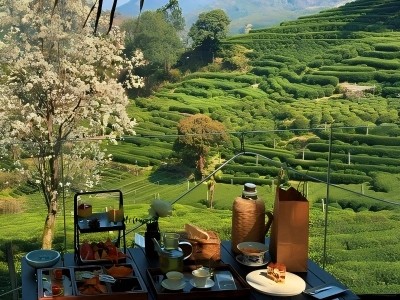
Why it's special: The view. Sitting here, you get a panoramic look over the tea fields — especially beautiful when the light comes through in the morning or late afternoon.
Experience: Enjoy tea in a bright, open space with large windows. It's a place to slow down, take photos, and just sit with the landscape. The atmosphere feels calm, almost therapeutic.
Price range: RMB 120–300 per person
Best for: Couples, photographers, or anyone who values scenery as much as tea
Reservation Needed: Not required on weekdays, but recommended on weekends and holidays
Local tip: Go early or close to sunset — midday light can be harsh, and it gets busier
SUJIAN Wantang Tea Space (Modern Design Tea House)
Location: Near Wantang Road, within the city area (easier access than tea villages)
Why it's special: A modern tea space with a strong design focus. Think Japanese-style courtyard, curated tea ware, and a relaxed, social atmosphere — very different from traditional tea houses.
Experience: Ideal for small gatherings. You can try different teas, enjoy "stove-boiled tea", and spend time chatting in the spacious courtyard. It's also pet-friendly, which is rare.
Price range: RMB 150–350 per person
Best for: Younger travelers, friends, or anyone who prefers a more lifestyle-oriented tea experience
Reservation Needed: Recommended, especially on weekends
Local tip: Come in the afternoon or evening — the atmosphere becomes much more relaxed and photogenic
Fuyuntang Tea & Book House (Quiet, Premium Tea Retreat)
Location: Hidden inside Ziji Caotang area (a less touristy cultural space)
Why it's special: A peaceful tea house that combines tea, books, and a quiet environment. It's one of those places where you can genuinely disconnect from the outside world.
Experience: Sit down with a carefully selected tea, read, or simply enjoy the silence. The experience here is slower, more refined, and intentionally minimal.
Price range: Around RMB 400+ per person
Best for: Travelers who value quiet, depth, and a more refined tea experience
Reservation Needed: Yes, booking in advance is strongly recommended
Local tip: This is not a "quick stop" kind of place — come only if you're willing to slow down and stay
Muhui Tea Space (A Quiet Forest Tea Pavilion Experience)
Location: Near the China National Tea Museum (Longjing area) — a bit tucked away, but you'll get a video guide after booking, so it's easy to find
Why it's special: This is one of those places you wouldn't stumble upon by accident. Small tea pavilions hidden among trees, very quiet, very private — it feels more like your own space than a typical tea house.
Experience: You book in advance, choose your tea and snacks, and then just have the space to yourself. Most people come here to slow down — read, sit quietly, or just enjoy the surroundings. There's no rush, no interruption, just time and tea.
Price range: Around RMB 100–120 per hour (for the tea pavilion space, tea and snacks separate depending on your selection)
Best for: Solo travelers, couples, or anyone looking for a quiet, personal tea moment
Reservation Needed: Yes — book a few days in advance via their mini program ("Muhui Tea Space"), and make sure to arrive on time since it's charged by the hour.
Local tip: Try to go between 2–5 PM — the light coming through the trees is soft and really beautiful, especially if you enjoy photography.
Authentic Longjing Tea Experience Options
We've rounded up 3 genuine local experiences so you can pick what fits your timeline, travel style, and how deep you want to dive into authentic Chinese tea culture.
1. Simple Tea Tasting (1–2 hours)
Best for travelers short on time or who just want to slow down and sip. Settle into a quiet tea house, let the host brew fresh Longjing in front of you, and enjoy the clean, nutty, subtly sweet flavor of real West Lake tea. No crowds, no rush, no extra activities — just pure, peaceful tea time.
2. Tea Picking & Roasting Experience (Seasonal: March–April)
The most hands-on Longjing tea experience you can get. Join a local tea farmer to pluck tender spring tea buds, then watch (and even try) the traditional wok-roasting process that gives Longjing its classic flat shape and rich aroma. At the end, you'll taste the tea you helped pick — a memory you won't find at tourist spots.
3. Full Tea Culture Immersion (Half-Day)
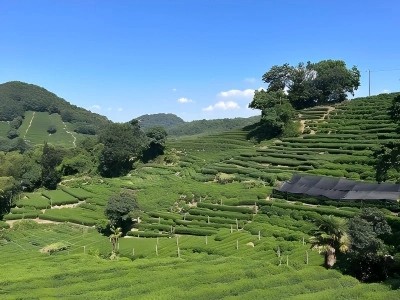
For the ultimate authentic deep dive. Stroll through misty tea gardens → pick fresh leaves → learn traditional roasting → enjoy a slow, guided tea tasting → finish with a homemade farm lunch using local ingredients. This is how locals truly experience Longjing — not as a photo stop, but as a complete way of life.
A Perfect Half-Day Longjing Tea Itinerary
This stress-free, crowd-avoiding schedule is exactly how locals do a half-day Longjing tea tour — no rushing, no tourist crowds, just pure, authentic tea culture.
9:00 — Arrive at the tea village
Arrive early to beat tour groups and enjoy the quiet morning air. The tea gardens are misty and peaceful, with zero crowds this time of day.
10:00 — Tea tasting & tea garden visit
Sit down at a hidden local tea house for freshly brewed Longjing. Walk through the organic tea gardens, listen to the wind in the leaves, and soak in the real mountain vibe.
11:30 — Tea picking & roasting experience (seasonal)
Join local farmers to pluck tender tea buds, then watch the traditional wok-roasting process. This hands-on part is the heart of the authentic Longjing tea experience.
12:30 — Farm-style homemade lunch
Enjoy simple, fresh local dishes at a farmer's home — light, healthy, and paired perfectly with Longjing tea.
14:00 — Gentle tea shopping or return to West Lake
Browse and buy tea slowly (no pressure!) if you want, or head back relaxed. This itinerary ends before the afternoon crowds hit.
Below are some recommended routes related to tea villages:
Self-Guided VS Guided Tea Experience (Which One Is Better?)
Type | Pros | Cons | Best For |
Self-Guided | Flexible, low-cost | Easy to get lost or scammed | Independent local-knowledge travelers |
Guided | No scams, smooth, informative | Slightly higher cost | First-time visitors |
Many travelers choose a guided experience to avoid tourist traps and fully understand authentic Chinese tea culture.
Best Time to Visit for a Longjing Tea Experience
If I had to pick one time to go, I'd usually choose autumn. The weather is comfortable, the crowds are thinner, and the whole experience just feels more relaxed. You don't get the harvest season, but you do get the kind of quiet atmosphere that makes sitting down for tea actually enjoyable.
That said, each season offers something slightly different—and depending on what you're looking for, your "best time" might not be the same.
By Season
· Spring (March–April) — Tea Harvest Season, Best but Busiest
This is when Longjing tea is at its peak. It's the harvest season, especially before the Qingming Festival (early April), when the most prized "pre-Qingming" tea is picked. You'll see locals out in the fields, hand-picking fresh leaves—it's one of the few times you can actually witness the full process.
What it feels like: lively, fresh, full of activity
Best for: first-time visitors, tea lovers, hands-on experiences (like tea picking)
Downside: more tourists, higher prices
Local Tip: If you want the "classic" Longjing experience, this is the time—but expect crowds in popular areas.
· Summer (May–August) — Quiet, Local, Slower Pace
After the harvest season, things calm down quite a bit. The tea fields are still green, but the atmosphere shifts—fewer tourists, more locals. It's not about the "best tea," but more about enjoying the space and slowing down.
What it feels like: relaxed, less crowded
Best for: avoiding crowds, casual tea experiences
Downside: hot and humid, especially midday
· Autumn (September–November)— Most Comfortable Overall
This is probably the most underrated season. The weather is cooler, the light is softer, and there are far fewer tourists compared to spring. It's a great balance between comfort and atmosphere.
What it feels like: calm, comfortable, easy
Best for: slow travel, photography, relaxed afternoons
Downside: no tea picking experience
Local Tip: If you're not focused on harvest season, this is often the best time to go.
By Time of Day
No matter the season, timing your visit during the day makes a big difference.
Morning (8–10 AM):
Quiet, fresh air, fewer people — best for a peaceful experience
Afternoon (2–5 PM):
Softer light, especially in tea hills — great for photos
Midday:
Usually the worst time — hot, bright, and more crowded
How to Avoid Scams & Buy Real Longjing
How to Tell Authentic Longjing
· Source: Real Longjing comes from Longjing, Meijiawu, or West Lake Hills and is grown by the family running the tea house. Avoid "Longjing" from unknown regions.
· Color: Genuine leaves are pale, natural green — not bright, neon, or unnaturally shiny.
· Scent: It smells fresh, clean, and lightly chestnut�like — not strong, perfumed, or chemical.
· Shape: Leaves are flat, smooth, and uniform — not crushed, broken, or messy.
· After infusion: Used leaves unfurl full and intact — not small, torn, or muddy.
Understanding Longjing Tea Pricing
One of the most confusing things for first-time visitors is this: Why does Longjing tea vary so much in price? You might see one place offering tea for RMB 80, while another asks for RMB 300—or much more—and both claim it's "authentic Longjing."
The truth is: they're not necessarily wrong. Longjing tea pricing really does have a wide range—but once you understand what's behind it, it starts to make sense.
What Actually Affects the Price?
1. Harvest Time (This matters the most)
Pre-Ming (before Qingming): Top harvest, most delicate → highest price
Pre-Rain (before Guyu): Great quality, more affordable → still good for casual drinking
*Most visitors don't need the most premium early harvest to enjoy the experience.
2. Where the Tea Comes From
Core areas (like Longjing Village) → higher prices
Outer areas → similar taste, lower cost
*Location alone can double the price, even for similar-quality tea.
3. How the Tea Is Made
Hand-roasted → more traditional, higher cost
Machine-made → more consistent, more affordable
*For most travelers, the difference is subtle—but the price difference isn't.
What's a "Normal" Price?
Here's a simple reference you can actually use:
Basic tea house experience → RMB 80–150
Mid-range (better tea / nicer setting) → RMB 150–300
Premium / curated experience → RMB 300–500+
Local Tip: If you're just looking to sit down and enjoy a good cup of Longjing tea, you don't need to spend more than RMB 150–250
Common Tourist Traps to Avoid
Hangzhou is generally very easy to travel, and most tea houses are genuine. But in popular areas like Longjing, a few places are set up mainly for tourists. The tricky part is—they don't always feel like traps at first. Friendly invitations, free tastings, or "local recommendations" can sometimes lead to overpriced or less authentic experiences. Knowing what to watch for simply helps you spend your time—and money—on the kind of tea experience that actually feels right.
· Drivers taking you to "partner tea houses"
Many taxi / ride-share drivers get commission to send you to overpriced shops.
Solution: Tell them your exact destination in advance. Say: "I already booked a tea house. Please just take me there." Do not follow suggestions.
· Free tasting followed by aggressive selling
Shops offer "free tea" then pressure you to buy expensive tea.
Solution: Taste politely but set a boundary. Say: "I'm just looking today." If they push you, stand up and leave — you don't owe them anything.
· Fake "farmer experiences"
Places claim to be "real tea farmers" but are just tourist stages.
Solution: Check if the family lives there, grows tea, and has a real home kitchen. Real farmers don't act like performers.
· Overpriced "premium tea" with no real quality
Shops stick fake "organic" or "top-grade" labels on low-quality leaves.
Solution: Judge with your eyes and nose — not labels. Use the 5 checks above.
· "Too cheap Longjing" scams
Shops sell non-Longjing leaves labeled as West Lake Longjing.
Solution: Don't buy below the average local price. Ask where the tea was grown and when it was harvested.
FAQS
1. Is Longjing tea expensive in Hangzhou?
It can be, but casual tea experiences are very affordable.
2. What is the best time for a Longjing tea experience?
March–April for picking; autumn for comfortable weather.
3. Do tea houses speak English?
Small farmer homes usually don't. Design tea spaces often have basic English.
4. Can I visit tea farms without a guide?
Yes, but you may miss hidden spots and risk scams.
5. Is tipping expected?
No, tipping is not customary in tea houses.
6. Can foreigners just walk in?
Absolutely. Locals are friendly; you'll feel welcome.
7. How much does a tea experience cost?
Around ¥68–198 per person for tasting; higher for full experiences.
8. Should I book in advance?
Only during peak season or for curated experiences.
Longjing tea isn't just something you drink — it's something you experience. If you approach it like a quick stop, it will feel forgettable. But if you slow down, choose the right place, and give it time, it becomes one of the most memorable parts of being in Hangzhou. And often, the best experiences aren't in the most obvious places — they're in the quiet tea houses, where everything moves just a little slower.
If you're not sure where to start, that's usually where we come in — helping travelers find the kind of tea experience that actually feels real.