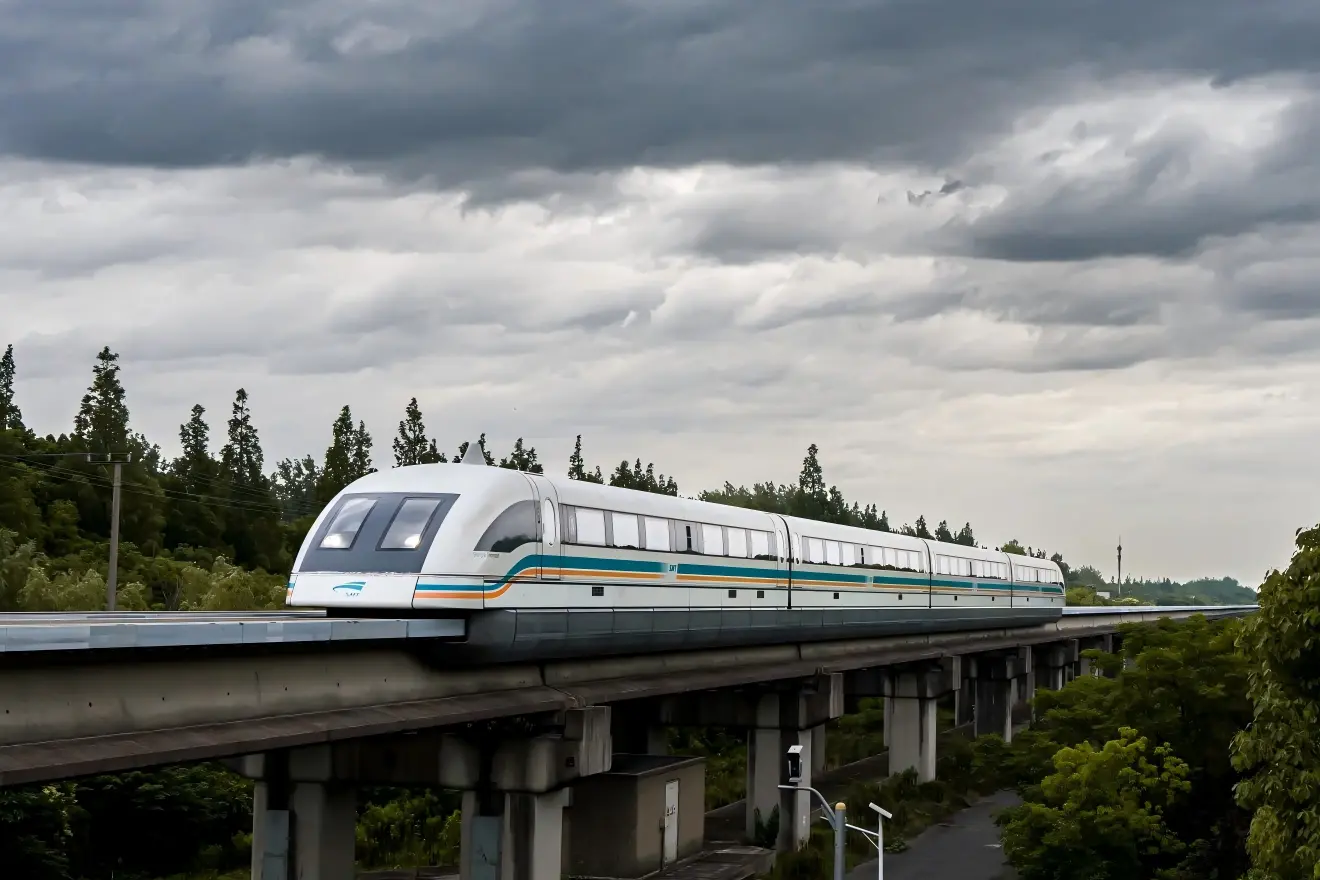
Landing in Shanghai and seeing "Maglev" on the airport signs? If you've never taken a magnetic-levitation train before, this is one ride worth considering. The Shanghai Maglev Train connects Pudong International Airport with Longyang Road in just a few minutes, making it both a practical airport transfer and a fun part of your Shanghai experience. But there's more to know than simply hopping on the fastest-looking train you can find. This guide covers the Shanghai Maglev Train route, speed, ticket prices, and a few practical tips for a smooth and enjoyable ride.
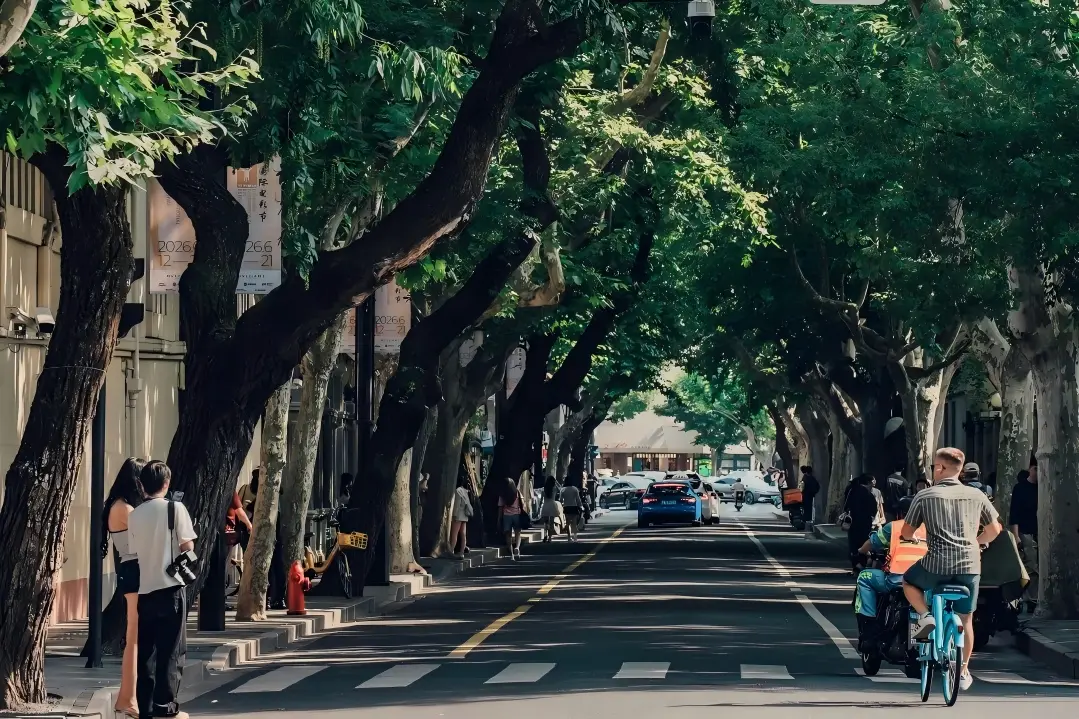
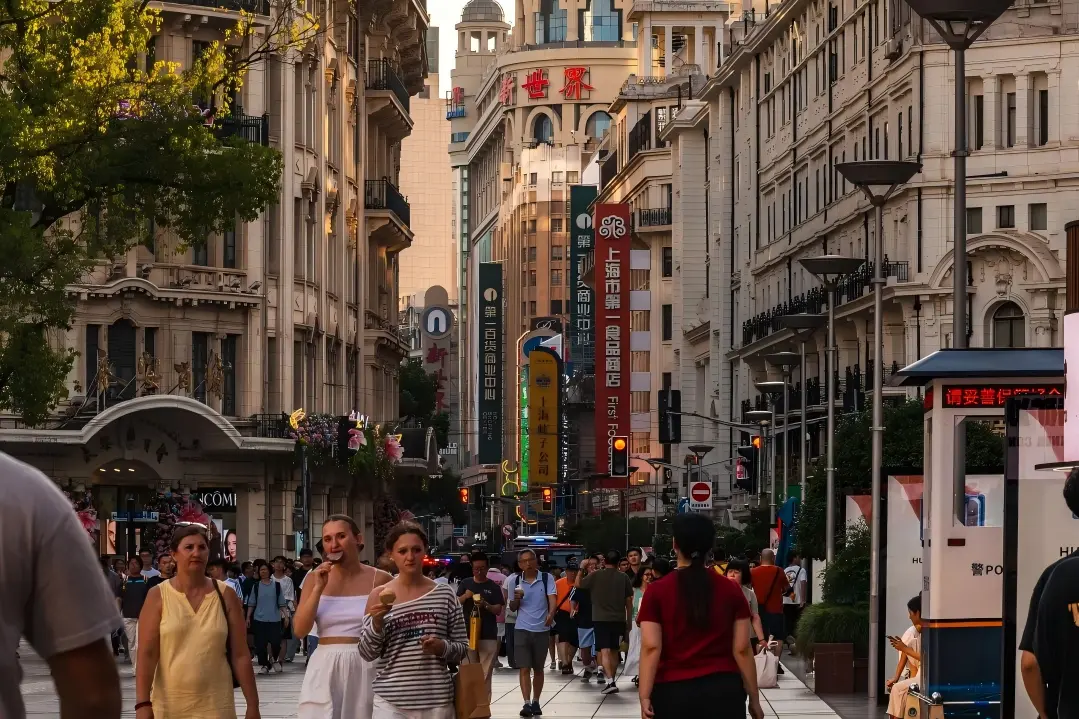
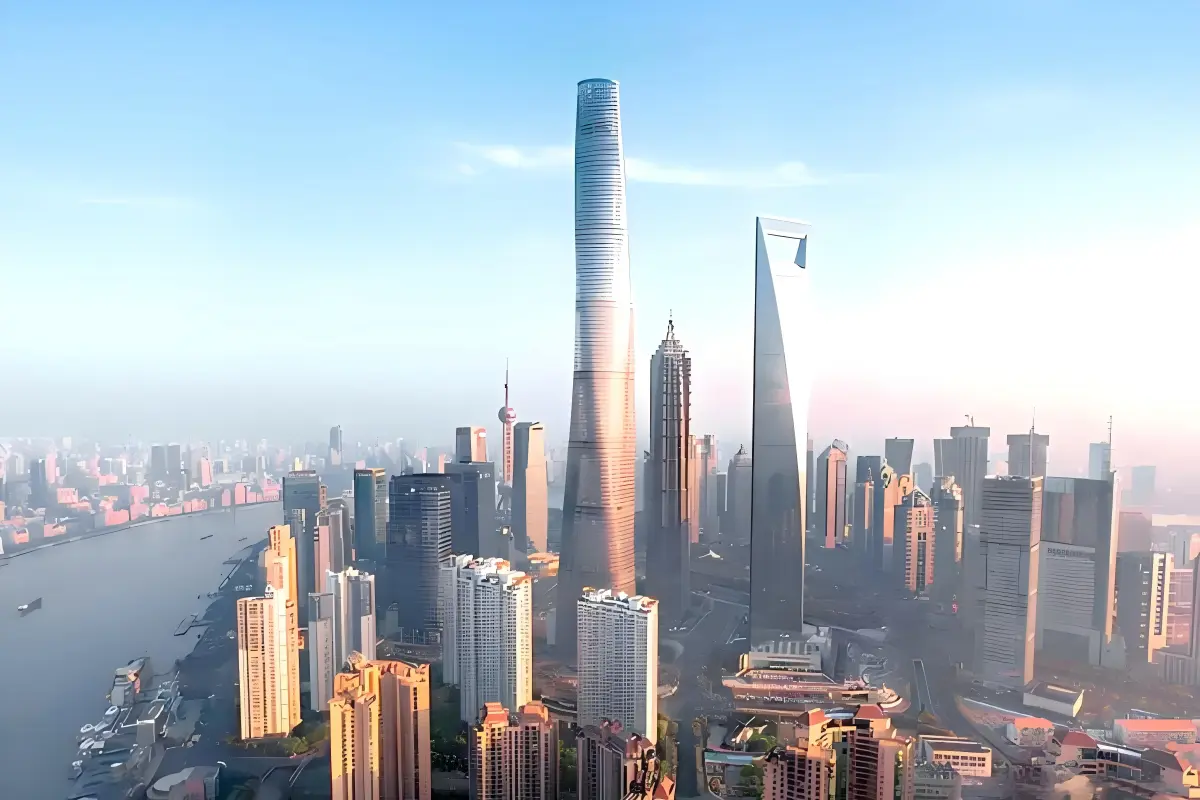
You can make your Shanghai trip even more memorable by combining a Maglev ride with visits to the city's top attractions.
What Is the Shanghai Maglev Train?
The Shanghai Maglev Train is a high-speed magnetic-levitation railway connecting Shanghai Pudong International Airport with Longyang Road Station in Pudong. Unlike conventional trains, it uses magnetic forces to lift the train slightly above the track and propel it forward, reducing physical contact between the train and the rails.
The line covers about 30 km (19 miles) and was designed specifically as a fast airport connection. For visitors arriving in Shanghai, it offers more than just a quick transfer: it is also one of the easiest ways to experience China's maglev technology firsthand.
What Does "Maglev" Mean?
"Maglev" is short for magnetic levitation. Instead of relying entirely on wheels and conventional rail contact, a maglev train uses electromagnetic forces to lift and move the train along a specially designed guideway.
In simple terms, three things make the system different:
· Magnetic levitation: Magnetic forces lift the train above the guideway, minimizing direct contact.
· Electromagnetic propulsion: Electromagnetic forces move the train forward along the track.
· Less mechanical contact: With no conventional wheel-on-rail movement during levitation, there is less friction between the train and the guideway.
This technology allows maglev trains to achieve very high speeds while providing a notably smooth ride. You may still feel acceleration and deceleration, but the journey itself is generally quiet and stable.
Why Is Shanghai Maglev Famous?
The Shanghai Maglev is particularly famous because it was one of the world's first commercial high-speed maglev services and remains the most practical maglev experience for international visitors traveling in China. The line began public operation in the early 2000s and was developed to provide a fast connection between Pudong International Airport and Shanghai's urban transportation network.
Its short route is also part of its appeal. Rather than running across several cities like China's high-speed rail network, the Shanghai Maglev serves a specific airport-to-city connection. From the airport, you can reach Longyang Road in around eight minutes, where you can transfer to the Shanghai Metro or continue your journey by taxi.
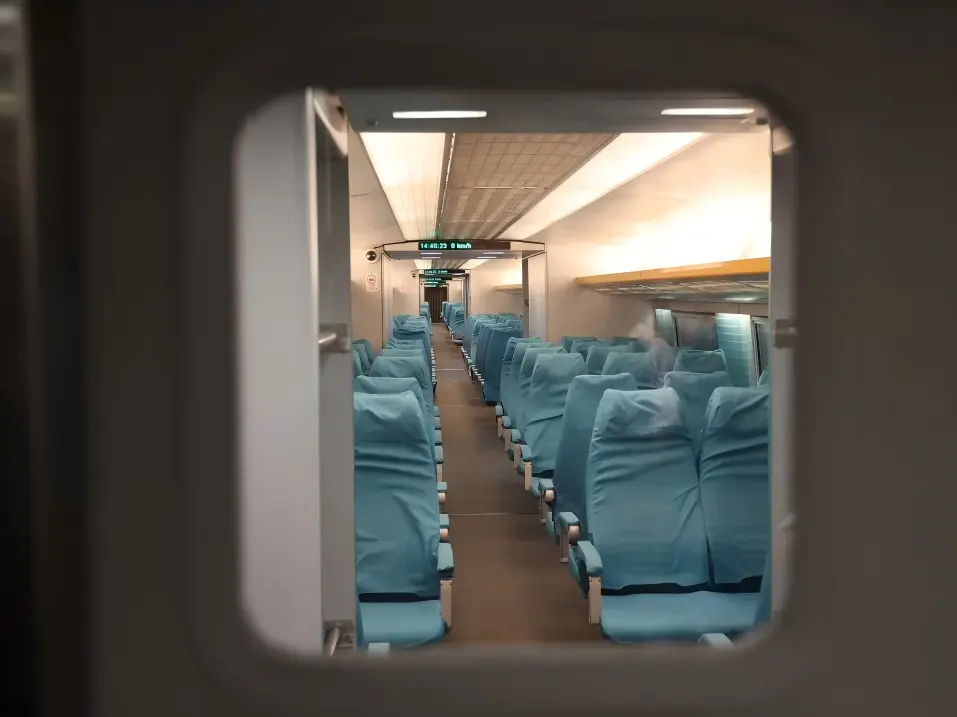
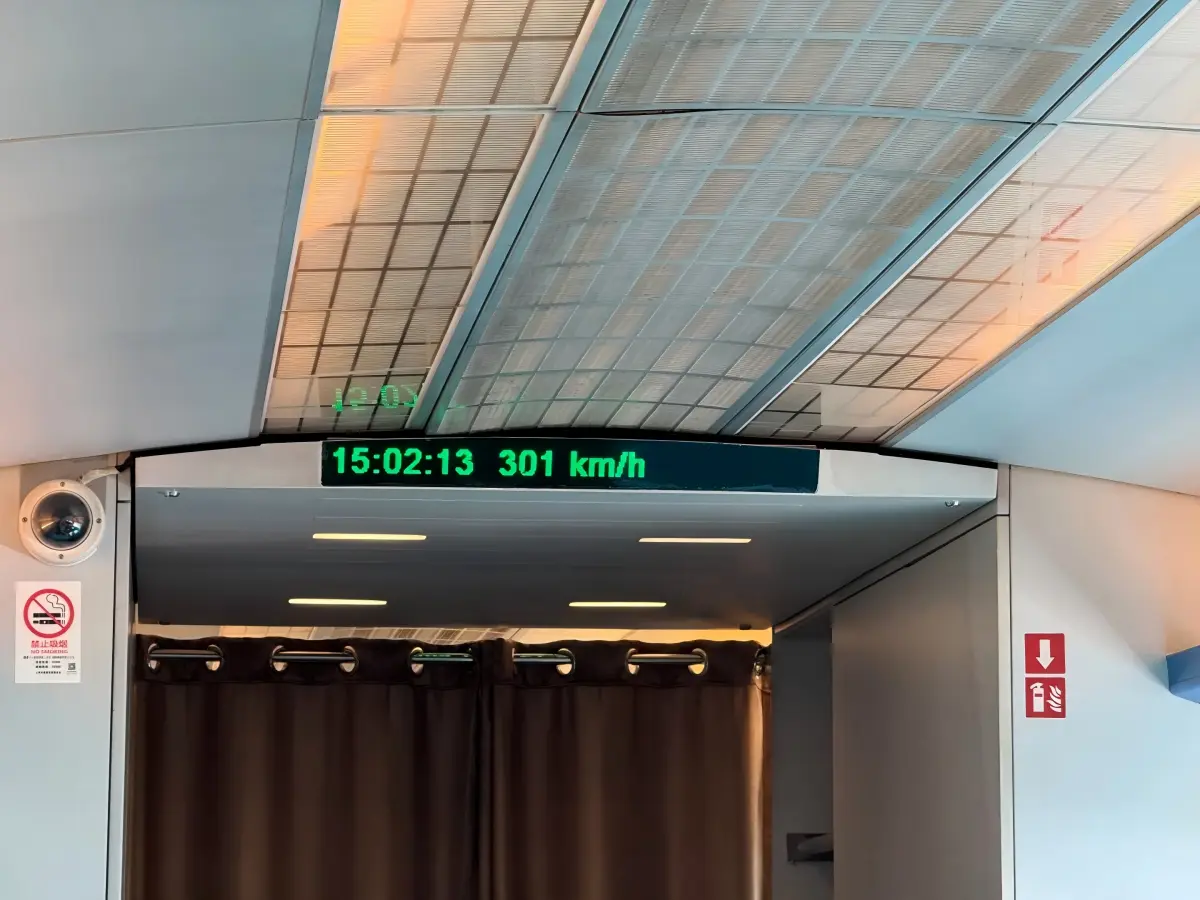
One detail often causes confusion: although the Shanghai Maglev is famous for reaching 431 km/h (268 mph), passenger trains do not travel at this speed on every journey. Under current operating conditions, many services run at around 300 km/h (186 mph).
For most visitors, the Shanghai Maglev is therefore a combination of fast airport transportation and a unique China travel experience—especially if you have never ridden a maglev train before.
Shanghai Maglev Train Route
The Shanghai Maglev Train route is surprisingly simple: it runs between Longyang Road Station in Pudong and Pudong International Airport. The line is about 30 km (19 miles) long, with the two stations serving as its only stops.
Shanghai Maglev Route Map
The route can be summed up in one simple line:
Pudong International Airport ? Longyang Road
The Maglev runs on a dedicated track between the two stations, with no intermediate stops. This makes the route easy to understand even if you are visiting Shanghai for the first time.
Pudong International Airport → Shanghai Maglev → Longyang Road → Metro / Taxi → Your Destination
For travelers arriving at Pudong Airport, this means you can use the Maglev as the first part of your journey into Shanghai rather than looking for a direct train to your hotel or sightseeing area.
If you are heading back to the airport, simply reverse the route: take the Metro or taxi to Longyang Road, then transfer to the Maglev for Pudong International Airport.
Longyang Road Station
Longyang Road Station is the western end of the Shanghai Maglev line and one of the most useful transfer points in Pudong. The station is located at 2100 Longyang Road, and it connects with Shanghai Metro Lines 2, 7, and 16, allowing you to continue to many parts of the city without taking another taxi.
For most international visitors, Metro Line 2 is the key connection. It provides access toward central Shanghai and makes it possible to continue your journey toward areas such as People's Square, East Nanjing Road, and other major sightseeing districts.
The basic transfer is:
Maglev → Longyang Road → Metro Line 2 → Central Shanghai
If your hotel is not near a convenient Metro station, you can also take a taxi or ride-hailing service from Longyang Road. This may be more practical if you have several pieces of luggage or are traveling with children.
Pudong International Airport Station
The airport end of the line is Pudong International Airport Terminal 1 & 2 Station. Unlike many airport rail stations that are attached to just one terminal, the Maglev station is located in the transportation hub between Terminal 1 and Terminal 2. It is about a five-minute walk from either terminal.
After collecting your luggage and completing the arrival process, follow the airport signs for Maglev. You do not need to travel to another part of Shanghai Airport to catch the train—the station is within the airport's transportation area.
This makes the Maglev particularly convenient if you are arriving at Pudong Airport and want to start exploring Shanghai soon after landing.
From the airport, the route is straightforward:
Pudong Airport T1/T2 → Shanghai Maglev → Longyang Road → Metro / Taxi
Shanghai Maglev Train Tickets & Prices
The Shanghai Maglev offers a straightforward fare system with Economic Class and VIP tickets, plus one-way and round-trip options.
Shanghai Maglev Ticket Price
Here are the current standard fares:
Ticket Type | Price | Validity/ Note |
One-Way – Economy | RMB 50 | Same day |
One-Way – VIP | RMB 100 | Same day; 20% off with same-day air ticket |
Round-Trip – Economy | RMB 80 | Within 7 days |
Round-Trip – VIP | RMB 160 | Within 7 days |
Maglev + Metro Day Pass | RMB 55 | 1 Maglev trip + unlimited Metro for 24 hours |
Maglev Round Trip + Metro Day Pass | RMB 85 | 2 Maglev trips + unlimited Metro for 24 hours |
30-Trip Card | RMB 900 | Valid for 1 year |
Buying Shanghai Maglev Tickets
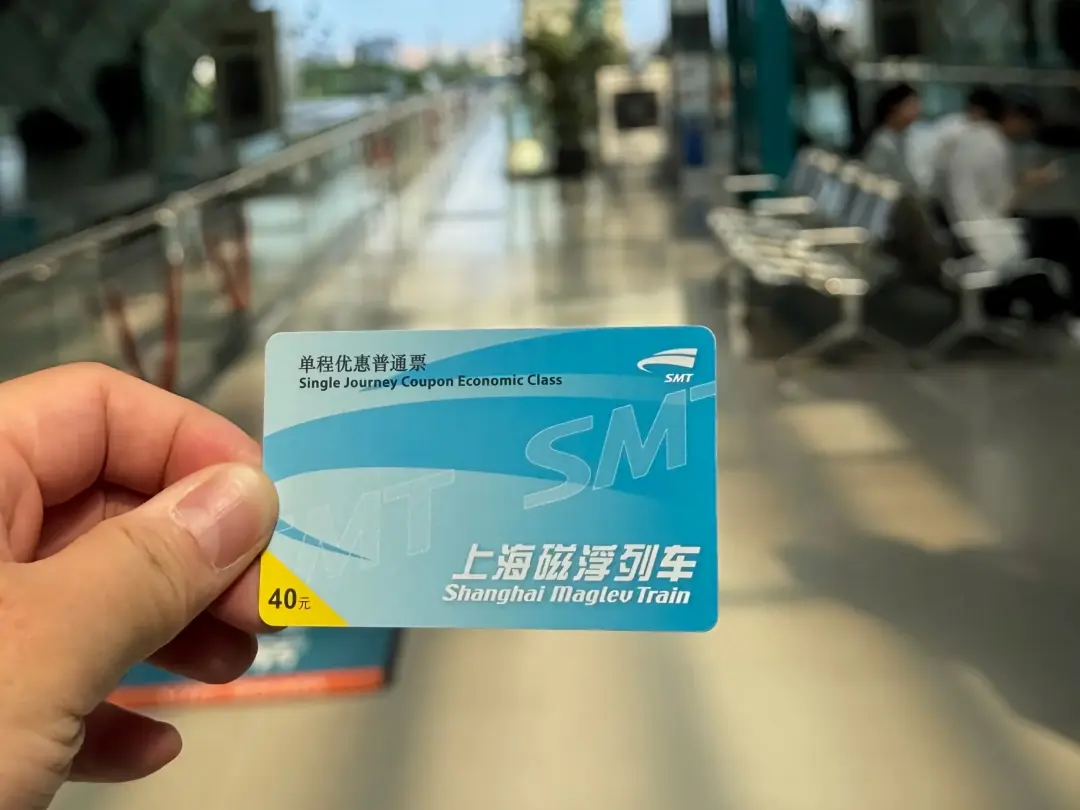
There are several ways to buy Shanghai Maglev tickets, including contactless bank card payment, offline ticket counters and machines, and online booking.
Buying Tickets Offline
You can buy Shanghai Maglev tickets at the Ticket Center or self-service ticket machines at either station.
· Pudong International Airport: The Ticket Center is on the second floor of the Terminal 1 & 2 Maglev Station.
· Longyang Road Station: The Ticket Center is on the second floor at 2100 Longyang Road.
Buying Tickets Online
You can purchase Shanghai Maglev tickets through the Metro大都会 (Metro Daduhui) app, Shanghai's official Metro app. Tickets may also be available through third-party travel platforms such as Trip.com, Klook, and other authorized travel agencies. Prices, ticket types, availability, and redemption procedures may vary, so check the latest information before purchasing.
Direct Card Payment at the Gates
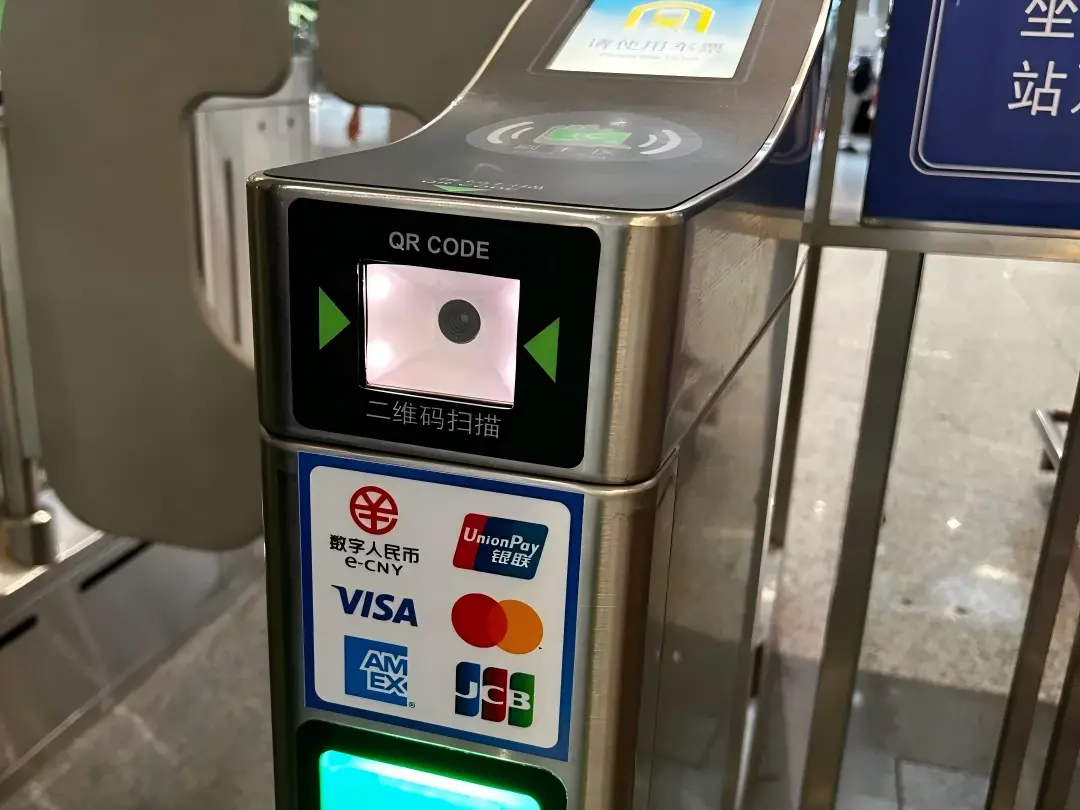
Since June 2025, international passengers can tap eligible contactless Visa, Mastercard, American Express, or JCB cards directly at the Maglev gates.
Shanghai Maglev Operating Hours & Frequency
The Shanghai Maglev operates throughout most of the day, making it a convenient option for both arriving and departing flights at Pudong International Airport. The service generally runs from early morning until around 10:00 PM, although the exact timetable can vary.
Departure Station | Operating Hours | Interval |
Longyang Road | 06:45–07:00 | 15 mins |
Longyang Road | 07:00–21:40 | 20 mins |
Pudong Airport | 07:02–21:42 | 20 mins |
Trains run regularly during operating hours, so you normally do not need to plan your airport transfer around a specific train. Simply arrive at the station, check the next departure, and board the appropriate service.
Tips for Taking the Shanghai Maglev
A few practical details can make your Shanghai Maglev ride more comfortable, especially if you're traveling with luggage or catching a flight.
Choose the Right Seat
If you want to enjoy the scenery, choose a window seat and watch the view as the train accelerates. If you're carrying large luggage, an aisle seat may be more convenient, giving you easier access to your belongings and the aisle.
Photography Tips
The train moves quickly, so use a fast shutter speed to reduce motion blur. Avoid using flash and hold your phone or camera close to the window to minimize reflections. If you want to photograph the speed display, take several shots to increase your chances of getting a clear one.
Check Prohibited Items
Do not bring flammable, explosive, toxic, radioactive, or corrosive items, pets, or other prohibited articles. Smoking and drinking alcohol are also prohibited.
Wait Safely on the Platform
When waiting for the train, stay behind the safety line and allow passengers to get off before boarding. Once the train arrives, the rule is simple: let passengers off first, then board. Avoid standing directly in front of the doors while waiting.
Keep Good Etiquette Onboard
Eating, smoking, and drinking alcohol are not allowed inside the carriage. Keep the volume of phones and other electronic devices at a reasonable level and use headphones when possible. The train may experience slight movement at high speed, so if you are prone to motion sickness, prepare in advance.
Arrive Early
Ticket checking usually stops about five minutes before departure, so arrive at the station with enough time to pass through the gates and reach the platform. If you're taking the Maglev to catch a flight, don't cut it too close—allow extra time for transfers and airport procedures.
Shanghai Maglev Train FAQs
Do I need to book the Shanghai Maglev in advance?
No. Advance booking is generally not necessary. You can purchase a ticket at the station and take an available train during the ticket's validity period.
Can I choose my seat on the Shanghai Maglev?
Seat selection is generally not required when purchasing a standard ticket. If you want to enjoy the scenery, try to find a window seat after boarding. An aisle seat may be more convenient if you have large luggage.
Does the Shanghai Maglev really reach 431 km/h?
The train has reached 431 km/h during actual operation, but its regular daily operating speed is currently around 300 km/h. Higher-speed operation may occasionally occur during special periods.
Can I take the Maglev directly to the Bund?
No. The Maglev only runs between Pudong Airport and Longyang Road. From Longyang Road, you need to transfer to the Metro or take a taxi to reach the Bund.
Is the Shanghai Maglev Train worth taking?
Yes, especially if you have never experienced a maglev train before. It is a practical airport transfer and a unique transportation experience in Shanghai. If your hotel is conveniently connected to Longyang Road, the Maglev can be a particularly good choice.
Does the Shanghai Maglev run every day?
Yes, the Maglev operates daily, although operating hours and departure intervals may vary. It is best to check the latest schedule if you are traveling early in the morning or late at night.
Can I take luggage on the Shanghai Maglev?
Yes, luggage is allowed as long as it meets the applicable size and weight requirements. Oversized or prohibited items may not be accepted, so check the baggage rules before traveling.
Is the Shanghai Maglev safe?
Yes. The train operates on a dedicated track and is designed specifically for high-speed magnetic-levitation travel. Follow station instructions and remain behind the safety line while waiting.