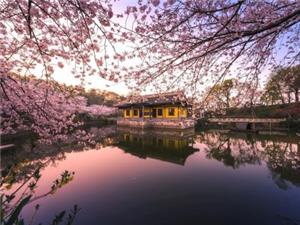
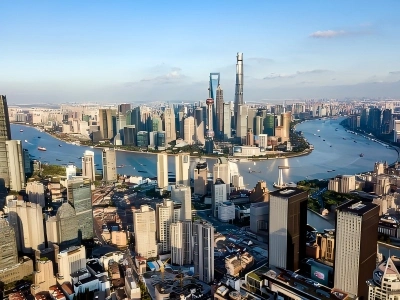
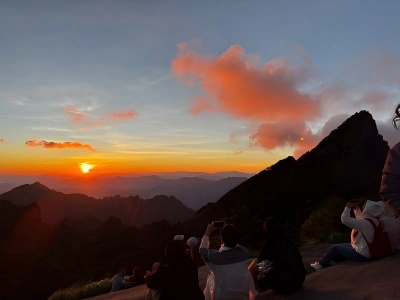
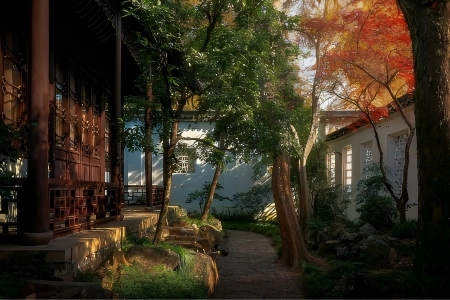
Suzhou is a city that rewards slow exploration. At first glance, it may look like a city of beautiful gardens and ancient canals, but spend a little more time here and you will discover much more: quiet stone bridges hidden along waterways, traditional tea houses tucked away on old streets, centuries-old silk craftsmanship, and everyday local life that still follows the rhythm of Jiangnan culture.
Known as the "Venice of the East," Suzhou is one of China's most charming historic cities. The city is famous for its UNESCO-listed classical gardens, elegant water towns, silk heritage, and beautifully preserved old neighborhoods. If you are searching for Suzhou attractions, wondering what to see in Suzhou, or planning the top activities in Suzhou, this guide will help you discover the places that are truly worth your time.
Explore our East China tour routes, including Suzhou and other iconic destinations across the region.
Quick Answer: What Are the Best Things to Do in Suzhou?
If you are visiting Suzhou for the first time, we recommend focusing on experiences that truly represent the city's Jiangnan charm — from UNESCO-listed classical gardens and historic streets to peaceful water towns, traditional crafts, and local food.
Here are the experiences we believe best capture what Suzhou is all about:
| Experience | Where to Go |
|---|
| Explore classical gardens | Humble Administrators Garden, Lingering Garden |
| Experience old Suzhou life | Pingjiang Road Historic District |
| Discover modern Jiangnan architecture | Suzhou Museum |
| Visit ancient water towns | Zhouzhuang & Tongli Water Towns |
| Enjoy canal views at night | Shantang Street |
| Experience local culture | Silk, tea & Suzhou cuisine |
Top 10 Suzhou Attractions & Activities You Shouldn't Miss
Suzhou is a destination best explored at a slower pace. Its charm comes from the harmony between traditional gardens, winding canals, ancient neighborhoods, and centuries-old cultural traditions. We have carefully selected these top attractions and experiences in Suzhou to help you experience the city's most iconic sights while also discovering the quieter, more authentic side of Jiangnan life.
Explore Suzhou Classical Gardens — The Ultimate Jiangnan Experience
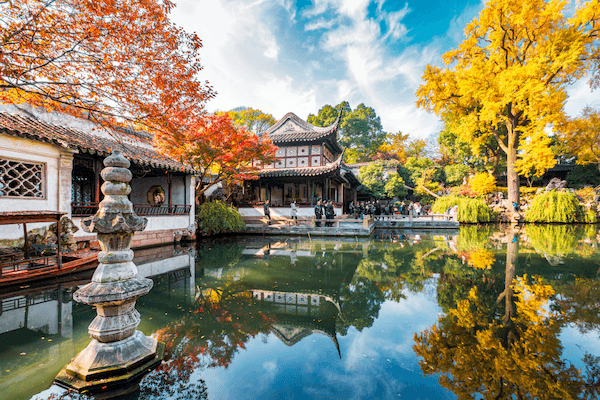
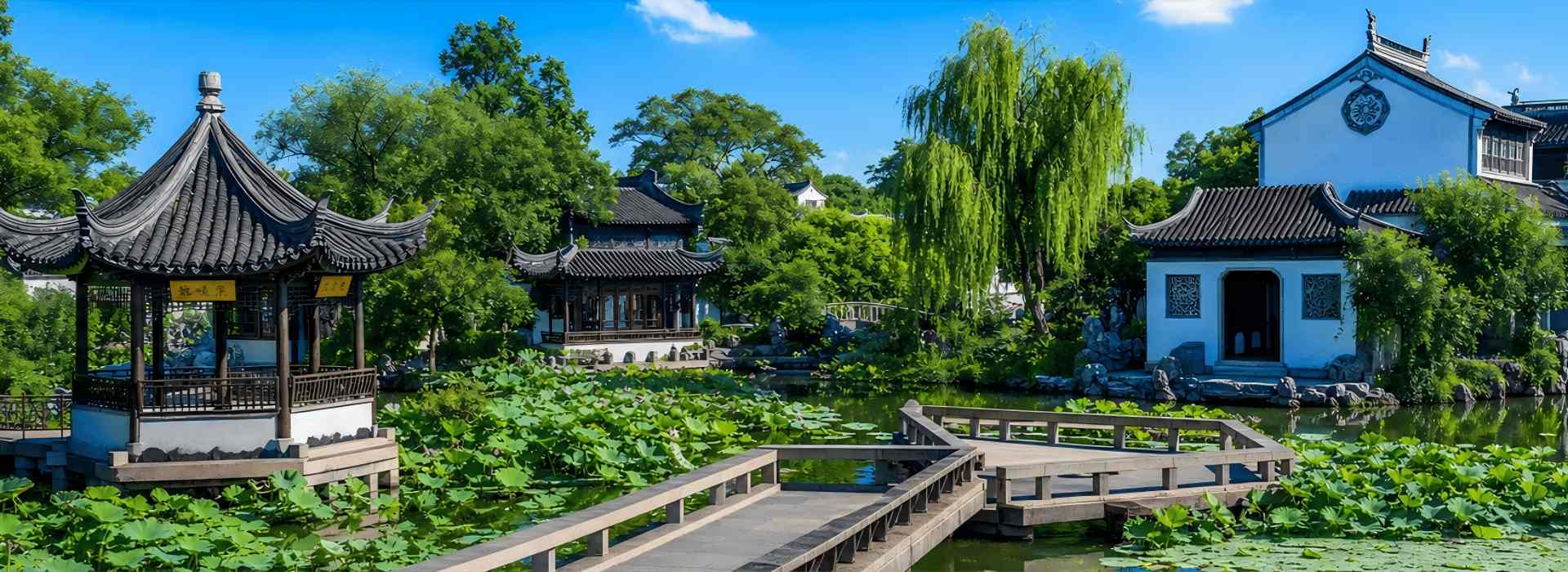
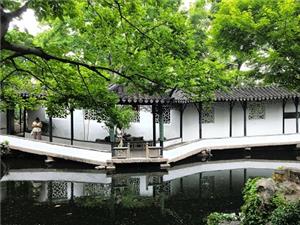
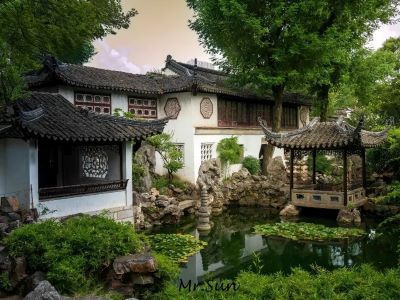
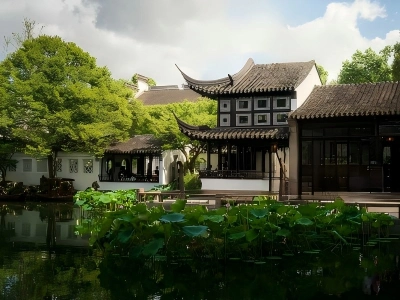
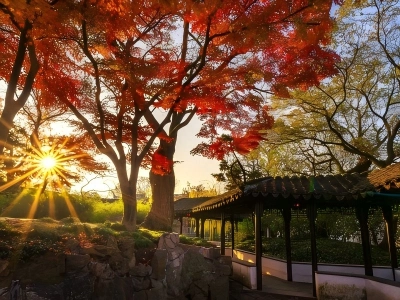
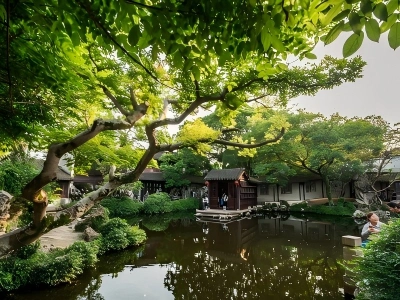
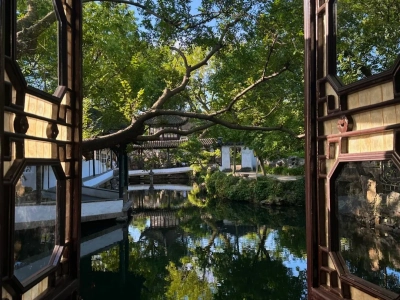
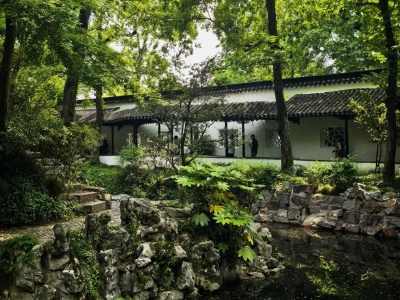
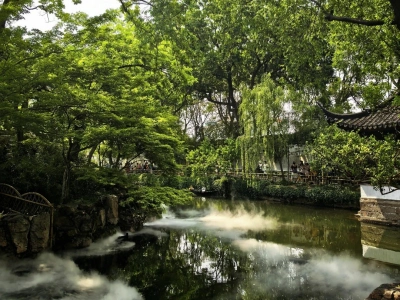
When people think about Suzhou attractions, the first image that often comes to mind is a classical garden. Suzhou's gardens are not simply beautiful green spaces. They are carefully designed landscapes that combine architecture, water, plants, rocks, and artistic ideas into a peaceful world of their own. Recognized as a UNESCO World Heritage Site, Suzhou's classical gardens represent one of the highest achievements of traditional Chinese garden design. Every pathway, pavilion, and window frame is created to reveal a different view as you move through the garden. For first-time visitors, exploring these gardens is one of the best ways to understand the elegance and philosophy behind Jiangnan culture.
Humble Administrator's Garden — The Must-Visit Garden in Suzhou
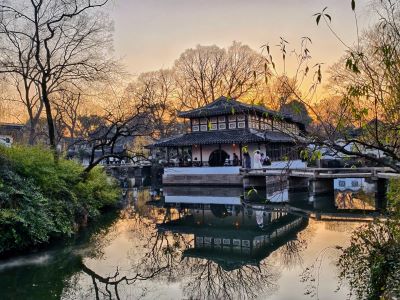
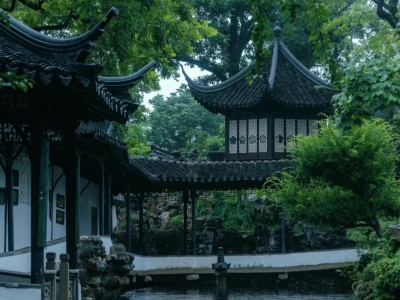
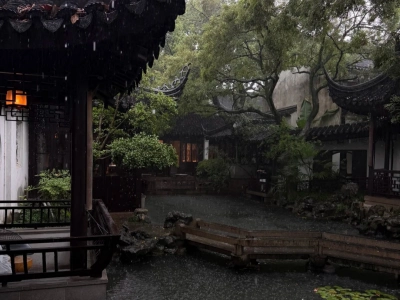
Among all the gardens in Suzhou, Humble Administrator's Garden is the one most visitors should not miss. Built during the Ming Dynasty, it is the largest classical garden in Suzhou and is widely regarded as one of the greatest achievements of Chinese garden design. The garden was designed around water, with large ponds connected by bridges, elegant pavilions, winding pathways, and carefully arranged plants. Unlike Western-style gardens that often emphasize symmetry, Humble Administrator's Garden follows a more natural approach, creating different scenes as visitors move from one area to another. One of its greatest charms is the feeling of space and tranquility. Although it is located in the center of modern Suzhou, walking through the garden feels like entering a peaceful world separated from the city outside. In spring, flowers and greenery create a lively atmosphere, while summer lotus ponds and autumn colors bring completely different views. For first-time visitors who want to understand why Suzhou became famous for its gardens, Humble Administrator's Garden is the perfect introduction.
Lingering Garden
Lingering Garden offers a different interpretation of Suzhou garden culture. While Humble Administrator's Garden is known for its spacious landscape, Lingering Garden is admired for its elegant architecture and sophisticated use of space. Originally built during the Ming Dynasty and later expanded during the Qing Dynasty, the garden is famous for its beautiful halls, covered corridors, decorative windows, and impressive Taihu rock formations. The long corridors are especially notable because they connect different parts of the garden while constantly revealing new views of the surrounding landscape. The garden demonstrates the traditional Chinese idea that beauty is often found in subtle details. A doorway, a window, or a small courtyard can become a carefully designed scene. This makes Lingering Garden especially popular among travelers interested in architecture, photography, and traditional Chinese aesthetics.
Lion Grove Garden
Lion Grove Garden is one of the most unique classical gardens in Suzhou because of its famous rockeries. Built during the Yuan Dynasty, the garden was originally connected with Zen Buddhist culture and later became a gathering place for scholars and artists. Unlike gardens that focus mainly on water and open landscapes, Lion Grove Garden creates a more playful experience through its complex arrangement of Taihu stones. The rock formations form narrow paths, caves, and hidden corners, allowing visitors to explore the garden almost like a natural maze. The garden's name comes from the lion-like shapes of some rocks, and these unusual formations have fascinated visitors for centuries. Today, Lion Grove Garden remains a popular choice for families and travelers who enjoy discovering unexpected details rather than simply viewing scenery from a distance.
Visit Suzhou Museum — A Modern Interpretation of Jiangnan Beauty
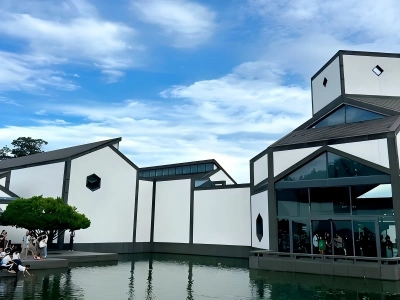
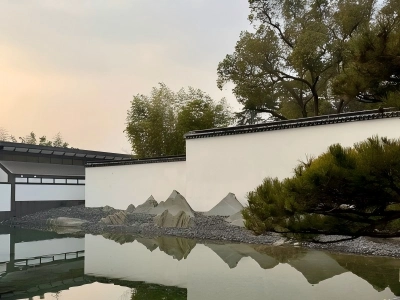
Suzhou Museum is one of the most distinctive cultural attractions in Suzhou, showing how the city's traditional aesthetics continue into modern architecture. The current museum building was designed by world-renowned architect I. M. Pei and opened in 2006. Located beside the historic Humble Administrator's Garden, the museum was carefully designed to blend with the surrounding old neighborhood rather than compete with it. The architecture combines modern design with classic Jiangnan elements. White walls, dark roof lines, geometric shapes, courtyards, and water features create a style that feels both contemporary and connected to Suzhou's past. Inside the museum, visitors can explore collections related to Suzhou's long history, including ancient paintings, calligraphy, ceramics, and traditional artworks. However, for many travelers, the building itself is the main attraction. The combination of natural light, peaceful courtyards, and reflections on water creates an atmosphere similar to a modern interpretation of a classical garden. For visitors planning a Suzhou itinerary, Suzhou Museum is especially easy to combine with Humble Administrator's Garden and Pingjiang Road, making it one of the most convenient cultural stops in the old city area.
Walk Pingjiang Road Historic District — Experience the Living Side of Suzhou
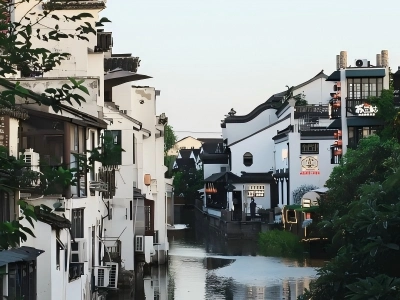
While Suzhou's gardens represent the refined world of scholars and wealthy families, Pingjiang Road shows the everyday side of the city. Dating back more than 800 years, Pingjiang Road is one of the best-preserved historic neighborhoods in Suzhou. The area follows the traditional Jiangnan layout where canals, streets, bridges, and residential houses are closely connected. Walking along Pingjiang Road, visitors can see a side of Suzhou that has remained largely unchanged for generations. Traditional houses sit beside quiet waterways, small bridges connect narrow lanes, and local residents continue their daily routines along the canals. The charm of Pingjiang Road comes from its atmosphere rather than a single landmark. A slow walk here allows you to discover small tea houses, local shops, traditional architecture, and peaceful canal views. It is also one of the best places to experience the rhythm of old Suzhou life. For travelers searching for the best things to do in Suzhou, Pingjiang Road is an experience rather than just a sightseeing stop. It shows how the city's history continues to exist alongside modern life.
Visit Tiger Hill — Discover the Historical Soul of Ancient Suzhou
Among the many Suzhou attractions, Tiger Hill is one of the best places to understand the city's long history beyond its famous gardens. Located in the northwest part of Suzhou' s old city, Tiger Hill has been an important cultural landmark for more than 2,000 years. It was closely connected with the ancient Kingdom of Wu, one of the most influential kingdoms in Chinese history, and later became a popular destination for scholars, poets, and travelers. Unlike Suzhou' s classical gardens, which focus on harmony and elegance, Tiger Hill combines natural scenery, historical legends, and ancient architecture. Walking through the area feels like exploring a living history book, with old temples, stone paths, and cultural stories hidden throughout the landscape.
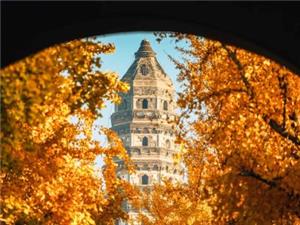
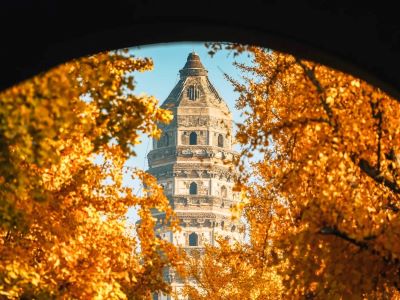
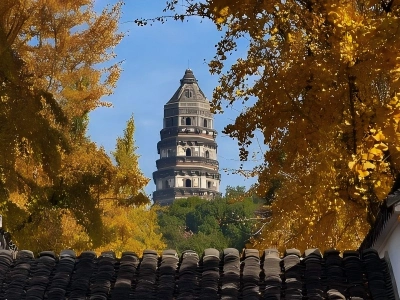
The most famous landmark here is the Yunyan Pagoda (云岩寺塔), often known as the "Leaning Tower of China." Built during the Northern Song Dynasty, this brick pagoda has gradually tilted over centuries due to geological changes. Although it is no longer open for climbing, its unique appearance has become one of the most recognizable symbols of Suzhou.
Another fascinating place is Sword Pool (剑池), a narrow stone pool surrounded by cliffs and legends. According to historical stories, the area was connected with King Helü of Wu, who was believed to have been buried nearby. Whether legend or history, the mysterious atmosphere makes Sword Pool one of the most memorable spots at Tiger Hill.
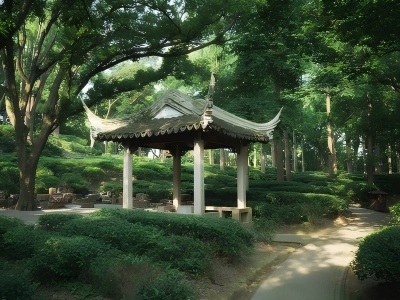
Tiger Hill is also known for its traditional gardens and bonsai displays, which reflect another important aspect of Suzhou culture. The carefully shaped miniature landscapes continue the same artistic ideas found in the city's classical gardens. For travelers wondering what to see in Suzhou beyond gardens, Tiger Hill offers a different perspective — one that combines history, architecture, and local legends in one place.
Explore Zhouzhuang and Tongli Water Towns — Experience the Timeless Charm of Jiangnan Canals
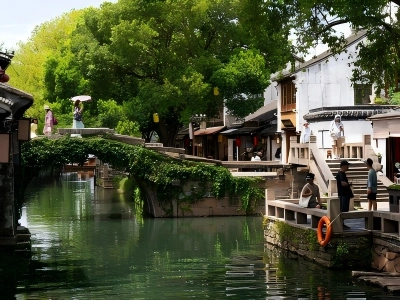
No visit to Suzhou is complete without experiencing the region's famous water towns. Among all the tourist attractions in Suzhou, Zhouzhuang and Tongli are two of the best places to discover the traditional Jiangnan lifestyle shaped by rivers and canals. For centuries, waterways have been the heart of life in southern Jiangsu. Houses were built along canals, boats became an important way of transportation, and stone bridges connected neighborhoods. Today, these ancient towns preserve that unique relationship between people and water.
Both Zhouzhuang and Tongli offer the classic Jiangnan scenery that many travelers imagine when visiting China: quiet canals, white-walled houses, old bridges, and traditional boats moving slowly through the water. However, each town has its own character.
Zhouzhuang Water Town — The Classic Jiangnan Water Town Experience
Often described as one of China's most beautiful ancient water towns, Zhouzhuang is the most famous choice for travelers looking for a traditional canal town experience. With a history of nearly 1,000 years, Zhouzhuang developed around waterways that connected local communities and supported trade. Many historic residences and bridges remain well preserved, allowing visitors to experience the atmosphere of an ancient Chinese town.
The town's most iconic landmark is Twin Bridges, two stone bridges built during the Ming Dynasty that have become one of the most photographed scenes in Jiangnan. The image of bridges crossing quiet canals surrounded by traditional houses perfectly represents the beauty of old Suzhou.
Another highlight is Shen House, a grand residence built by a wealthy merchant family during the Qing Dynasty. The complex shows how successful merchants lived in the Jiangnan region, with elegant courtyards, traditional furniture, and carefully designed architectural details.
The best way to enjoy Zhouzhuang is to slow down. Walking through the old lanes in the morning or taking a boat ride through the canals allows visitors to experience the peaceful rhythm of the town.
Tongli Water Town — A More Relaxed Side of Jiangnan Culture
While Zhouzhuang is famous for its classic postcard scenery, Tongli offers a quieter and more relaxed atmosphere. Located closer to Suzhou city, Tongli has preserved much of its original water town layout, with canals running through residential areas and ancient bridges connecting different parts of the town. One of Tongli's most important attractions is Tuisi Garden, a UNESCO World Heritage classical garden that perfectly combines the beauty of Suzhou gardens with the charm of a water town. Unlike larger gardens in central Suzhou, Tuisi Garden feels more intimate and closely connected with the surrounding waterways.
Tongli is ideal for travelers who prefer a slower pace. Instead of focusing only on famous photo spots, visitors can spend time walking through quiet streets, watching local life along the canals, and enjoying the peaceful atmosphere.
Zhouzhuang or Tongli: Which One Should You Visit?
For first-time visitors who want the most iconic Jiangnan water town experience, Zhouzhuang is usually the better choice because of its fame, historic buildings, and classic scenery.
For travelers who prefer fewer crowds and a more relaxed cultural experience, Tongli is an excellent alternative.
If your schedule allows, both towns are worth visiting because they show different sides of the same Jiangnan heritage.
Enjoy the Evening Charm of Shantang Street — A Classic Suzhou Night Experience
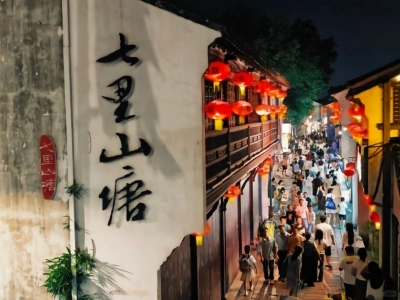
If you are looking for one of the most atmospheric top activities in Suzhou, spending an evening at Shantang Street is highly recommended. Known as one of the oldest streets in Suzhou, Shantang Street has a history of more than 1,000 years.
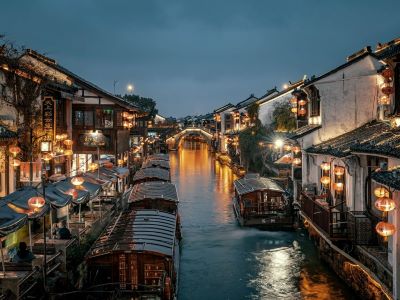
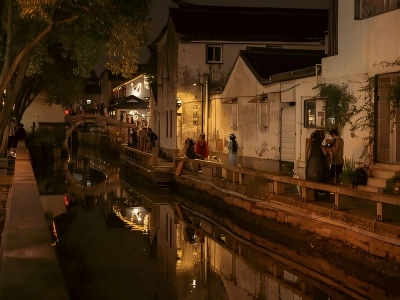
It was originally developed during the Tang Dynasty when the famous poet Bai Juyi served as a local official and helped improve the area's waterways. The street follows the traditional Jiangnan pattern of "street beside water." On one side are historic buildings, shops, and houses; on the other side flows the canal that has supported local life for centuries.
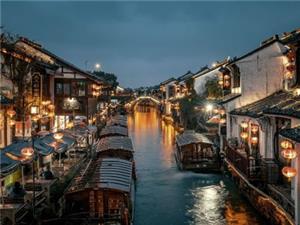
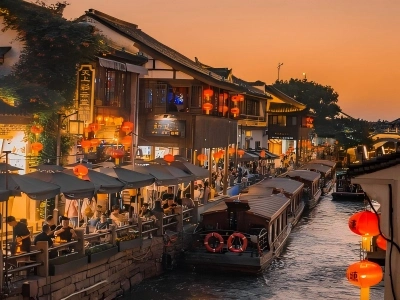
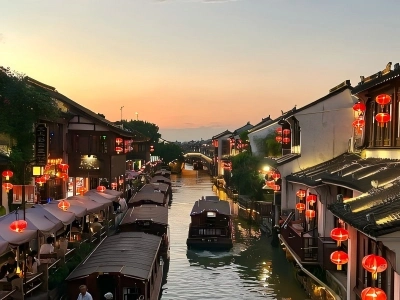
During the day, Shantang Street offers a chance to explore old architecture and local shops. But the real charm appears after sunset, when lanterns light up the canal, reflections appear on the water, and the historic buildings create a romantic atmosphere.
A canal boat ride here is one of the most enjoyable ways to experience old Suzhou. Sitting on the boat and passing beneath stone bridges gives visitors a sense of how people traveled through the city hundreds of years ago. Compared with some modern attractions, Shantang Street feels more connected to the daily life and memories of Suzhou. It is not only a place to take photos, but also a place to slow down and enjoy the city's atmosphere.
For travelers searching for what to see in Suzhou at night, Shantang Street is one of the best choices.
Discover Suzhou Silk Culture — A Tradition That Defines the City
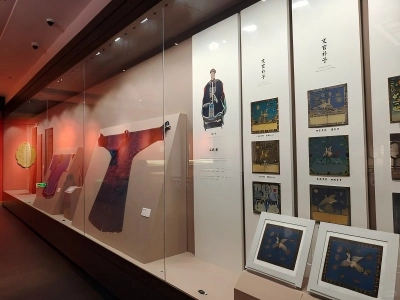
Suzhou's identity is closely connected with silk. For centuries, the city has been one of China's most important silk-producing centers, and its craftsmanship played a major role in Chinese textile history. The development of silk culture shaped not only the local economy but also the city's artistic traditions. Suzhou silk was once considered a luxury product and was closely associated with imperial clothing, fine embroidery, and international trade.
One of the most famous traditional crafts from Suzhou is Suzhou embroidery. Unlike simple decorative patterns, high-quality Suzhou embroidery creates incredibly detailed images using thousands of fine stitches. Some works are so delicate that they resemble traditional paintings.
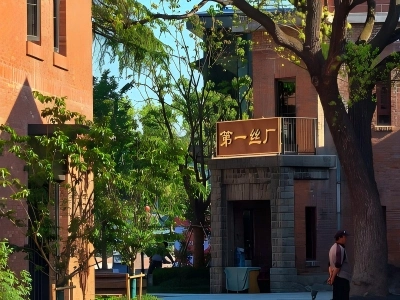
Visitors interested in local culture can explore silk museums, workshops, and cultural centers to understand how silk is produced and transformed into beautiful artworks. Experiencing Suzhou silk culture offers something different from visiting landmarks. It allows travelers to see the craftsmanship, patience, and creativity that have been passed down through generations.
For those looking for meaningful activities in Suzhou, learning about silk traditions is a great way to connect with the city's heritage.
Take a Traditional Canal Boat Ride — See Suzhou from the Water
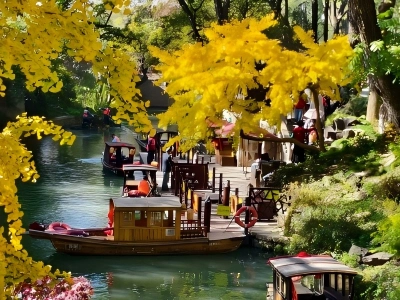
Water has always been the heart of Suzhou. Often called the "Venice of the East," the city developed around an extensive network of canals that connected neighborhoods, markets, and ancient towns. While walking through Suzhou's historic areas allows you to discover its streets and architecture, taking a traditional canal boat ride offers a completely different perspective. From the water, visitors can see the relationship between houses, bridges, and canals that has shaped Jiangnan life for centuries.
A canal boat ride is not simply a form of transportation or sightseeing activity. It is a way to experience the slower rhythm of traditional Suzhou. As the boat moves quietly along the waterways, you can pass beneath ancient stone bridges, observe old houses built beside canals, and see how local life continues around the water.
Some of the most popular places for a canal experience include Shantang Street, Pingjiang Road, and the ancient water towns of Zhouzhuang and Tongli. Each location offers a different atmosphere. Shantang Street is especially beautiful in the evening with its lantern reflections, while the water towns provide a more traditional countryside feeling.
For travelers searching for unique things to do in Suzhou, a canal boat ride is one of the experiences that best captures the spirit of Jiangnan culture.
Visit Panmen Scenic Area — Discover the Ancient Gateway of Suzhou
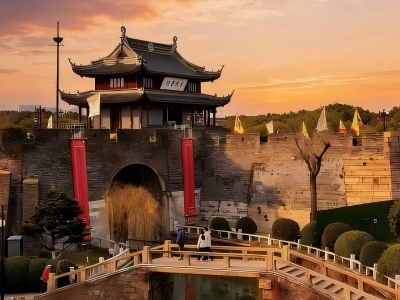
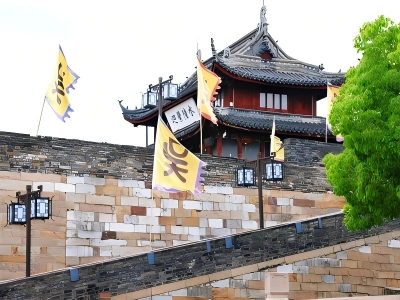
While Suzhou's gardens and canals often receive the most attention, Panmen Scenic Area offers a fascinating glimpse into the city's military history and ancient urban design. Located on the southwest side of Suzhou's old city, Panmen is the only remaining complete water-and-land city gate in China. It was originally part of the ancient city wall system built during the Spring and Autumn Period, when Suzhou was the capital of the Kingdom of Wu. What makes Panmen unique is its unusual defensive design. Unlike ordinary city gates, Panmen combined land gates, water gates, and surrounding waterways to protect the ancient city from attacks. This reflects the importance of canals not only for transportation and trade but also for city defense.
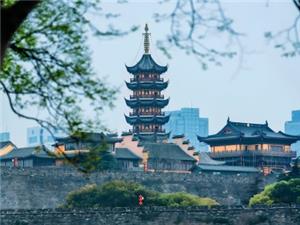
The most famous landmark in the area is Ruiguang Pagoda, a historic Buddhist pagoda dating back more than 1,000 years. With its elegant structure and long history, it is one of the oldest surviving pagodas in Suzhou.
The area around Panmen is also much quieter compared with some of the city's more famous attractions. Visitors can enjoy walking beside the old walls, exploring traditional architecture, and learning about how ancient Chinese cities were planned.
For travelers who want to discover a less crowded side of Suzhou attractions, Panmen is a rewarding stop that combines history, architecture, and local atmosphere.
Experience Suzhou Food and Tea Culture — Taste the Flavors of Jiangnan
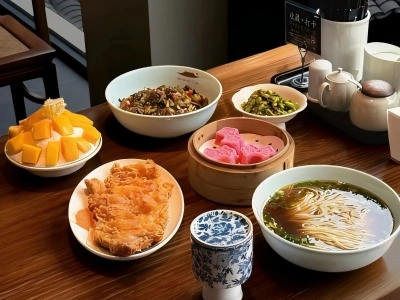
A trip to Suzhou is not complete without experiencing its local cuisine and tea culture. Suzhou food is known for its delicate flavors, careful presentation, and balance between sweetness and freshness. Unlike some regions of China that focus on bold spices, Jiangnan cuisine emphasizes seasonal ingredients, refined techniques, and the natural taste of food.
One of the most famous local dishes is Squirrel-Shaped Mandarin Fish, a beautifully prepared fish dish with a crispy exterior and sweet-and-sour sauce. Its unique presentation has made it one of Suzhou's signature culinary experiences.
Another local favorite is Suzhou-style noodles, which are known for their light soup, carefully prepared toppings, and delicate flavors. For many locals, enjoying a bowl of noodles in the morning is a simple but meaningful part of daily life.
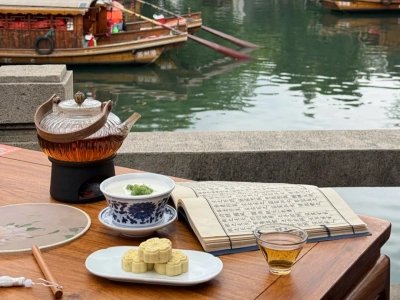
Suzhou is also closely connected with tea culture, especially Biluochun green tea, one of China's most famous teas. Grown near Taihu Lake, this tea is known for its fresh aroma and delicate taste.
Beyond restaurants, visitors can experience Suzhou's tea culture in traditional tea houses, where drinking tea is not just about the beverage itself but about slowing down, chatting, and enjoying the moment.
For travelers looking for authentic top activities in Suzhou, trying local food and tea is one of the easiest ways to experience the city like a local.
Best Things to Do in Suzhou by Travel Style
Suzhou offers different experiences depending on how you like to travel. While some visitors come for history and architecture, others prefer photography, food, or a slower cultural experience.
For First-Time Visitors: Focus on the Classic Suzhou Experience
If it is your first visit to Suzhou, we recommend combining the city's most iconic attractions:
Humble Administrator's Garden introduces you to classical garden art, while Suzhou Museum adds modern architecture and cultural history. A walk along Pingjiang Road allows you to experience old Suzhou life, and ending the day at Shantang Street gives you the perfect evening canal atmosphere. This route covers the essence of what to see in Suzhou without feeling rushed.
For Couples: Enjoy Romantic Canals and Slow Moments
Suzhou is one of the most romantic cities in China because of its quiet waterways, traditional architecture, and peaceful atmosphere.
Couples often enjoy walking through Pingjiang Road, taking a boat ride through ancient canals, exploring Zhouzhuang or Tongli Water Town, and enjoying tea beside the water.
The beauty of Suzhou is not about dramatic landscapes but about small moments — lanterns reflecting on canals, quiet streets after sunset, and traditional gardens filled with seasonal flowers.
For Families: Choose Interactive Cultural Experiences
For families traveling with children, Suzhou offers many attractions that are both educational and enjoyable.
Lion Grove Garden is a fun place for children to explore its maze-like rock formations, while Suzhou Museum provides an easy introduction to local history and art. Water towns also offer a memorable boat experience that children usually enjoy.
For Photography Lovers: Capture the Jiangnan Beauty
Suzhou is a dream destination for photography enthusiasts. The best photo opportunities can be found in classical gardens, where architecture and nature create constantly changing scenes. Pingjiang Road and Shantang Street are ideal for capturing traditional canal life, while Zhouzhuang and Tongli provide classic water town landscapes. Early morning and sunset are usually the best times for softer light and fewer crowds.
How Many Days Do You Need in Suzhou?
The ideal length of a Suzhou visit depends on what kind of experience you are looking for. While many travelers visit Suzhou as a day trip from Shanghai, staying longer allows you to discover the city's gardens, canals, water towns, local culture, and nearby destinations at a more relaxed pace.
For most first-time visitors, 1-2 days is enough to experience the highlights of Suzhou, while 3-4 days allows you to combine Suzhou with nearby cultural cities such as Wuxi and Nanjing for a deeper Jiangnan journey.
One Day in Suzhou — See the Classic Highlights
A one-day visit is ideal for travelers who have limited time or are taking a day trip from Shanghai. With one full day, you can focus on Suzhou's most iconic attractions, including the city's famous classical gardens, historic neighborhoods, cultural landmarks, and canal scenery.
The highlights usually include places such as Humble Administrator's Garden, Suzhou Museum, Pingjiang Road, Tiger Hill, and Shantang Street, depending on your interests and schedule.
Although one day cannot cover every corner of Suzhou, it is enough to experience the city's signature charm — elegant gardens, ancient waterways, and traditional Jiangnan culture.
The relevant routes are as follows:
Two Days in Suzhou — Experience the City at a Relaxed Pace
Two days is the ideal choice for travelers who want to explore Suzhou without rushing. With more time, you can enjoy the famous gardens and historic areas in the old city while also visiting one of the nearby water towns, such as Zhouzhuang or Tongli.
A two-day stay allows you to slow down and appreciate the details that make Suzhou special — walking along old canals, enjoying local tea culture, exploring traditional streets, and experiencing the city after sunset when the crowds become smaller.
This is also the best option for travelers who want to go beyond sightseeing and experience the lifestyle behind Suzhou's famous scenery.
The relevant routes are as follows:
Extend Your Suzhou Trip: Explore Wuxi, Nanjing and Other Nearby Cities
If you have three or four days, Suzhou can be combined with nearby cities to create a more complete Jiangnan travel experience. Beyond Suzhou's classical gardens and canals, destinations such as Wuxi, Nanjing, and other historic cities in Jiangsu Province offer beautiful lake scenery, ancient heritage, and unique local culture.
The relevant routes are as follows:
Best Time to Visit Suzhou
Suzhou is a year-round destination, but the city shows different charms in each season. Thanks to its mild climate and beautiful Jiangnan scenery, there is no single "best" month to visit — it depends on what kind of experience you are looking for.
For most travelers, spring and autumn are the most comfortable seasons to explore Suzhou attractions, while summer and winter each offer their own unique atmosphere.
Spring (March to May) — The Best Season for Gardens and Flowers
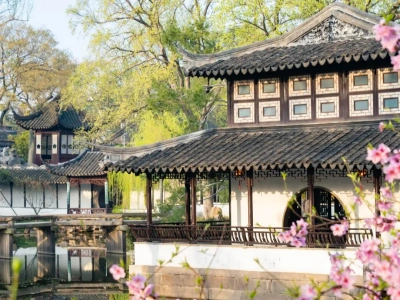
Spring is widely considered one of the best times to visit Suzhou. During this season, the city's classical gardens come alive with blooming flowers, fresh greenery, and pleasant weather. This is an ideal time to explore places such as Humble Administrator's Garden and Lingering Garden, where flowers, ponds, and traditional architecture create the classic Jiangnan scenery that Suzhou is famous for.
Spring is also a good season for visiting water towns such as Zhouzhuang and Tongli. The softer sunlight and comfortable temperatures make walking along the canals especially enjoyable.
The only downside is that spring is also a popular travel season, especially around public holidays, so visiting early in the morning can help avoid larger crowds.
Summer (June to August) — Enjoy Lotus Flowers and Tea Culture
Summer in Suzhou can be warm and humid, but it is also a beautiful season to experience the city's waterways and gardens.
One of the highlights of summer is lotus flowers. Many classical gardens feature lotus ponds that create some of the most iconic summer views in Suzhou. This season is also a good time to explore Suzhou's tea culture. Nearby tea-growing areas, especially around Taihu Lake, offer opportunities to enjoy fresh green tea and experience a slower side of Jiangnan life.
If visiting in summer, we recommend planning outdoor sightseeing during the morning or late afternoon and taking breaks at museums, tea houses, or shaded historic streets during the hottest hours.
Autumn (September to November) — Comfortable Weather and Beautiful Scenery
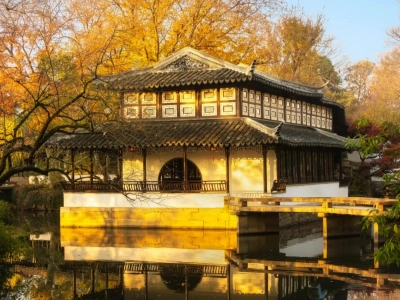
Autumn is another excellent season for exploring Suzhou. The weather becomes cooler, making it more comfortable to walk through gardens, historic neighborhoods, and ancient water towns. The gardens are especially beautiful in autumn, with colorful plants, peaceful ponds, and fewer rainy days compared with spring.
Autumn is also a great time to explore Suzhou's local food culture, as many seasonal ingredients are featured in traditional Jiangnan cuisine.
For travelers who want a balance of comfortable weather and good sightseeing conditions, autumn is often the ideal choice.
Winter (December to February) — Quiet Suzhou with Fewer Crowds
Winter is the quietest season in Suzhou. Although the weather can be cold and occasionally rainy, the city takes on a peaceful atmosphere that many travelers appreciate. With fewer crowds, you can enjoy famous attractions such as Humble Administrator's Garden, Suzhou Museum, and Pingjiang Road at a slower pace.
Winter is also a good time to experience Suzhou's traditional lifestyle — enjoying local dishes, visiting tea houses, and walking through historic streets without the busy summer atmosphere.
For travelers who prefer cultural experiences over outdoor scenery, winter can be a rewarding time to visit.
Our Recommendation: When Should You Visit Suzhou?
For first-time visitors, we recommend:
· March to May: Best overall season for gardens, flowers, and comfortable weather
· September to November: Best balance of weather, scenery, and fewer crowds
· June to August: Good for lotus flowers and tea experiences, but prepare for heat
· December to February: Best for quiet sightseeing and cultural exploration
No matter when you visit, the charm of Suzhou comes from experiencing the city at a slower pace — walking along old canals, exploring hidden garden corners, and enjoying the peaceful rhythm of Jiangnan life.
How to Get to Suzhou
Suzhou is one of the easiest destinations to visit in eastern China thanks to its excellent transportation connections. Located in Jiangsu Province, just west of Shanghai, Suzhou can be reached conveniently by high-speed train, private transfer, or organized day tour.
For most international visitors, the easiest way to reach Suzhou is from Shanghai, but the city is also well connected with other major destinations such as Hangzhou, Nanjing, and Wuxi.
Getting to Suzhou from Shanghai
Shanghai is the most common starting point for travelers visiting Suzhou. The two cities are connected by frequent high-speed trains, making Suzhou one of the most popular day-trip destinations from Shanghai.
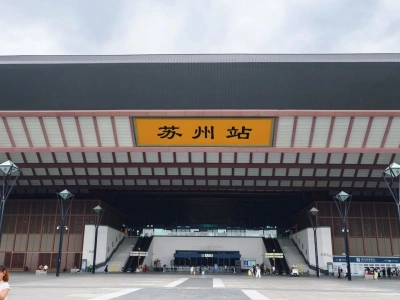
High-speed trains usually depart from Shanghai Hongqiao Railway Station and arrive at Suzhou Railway Station or Suzhou North Railway Station. The journey takes around 30-40 minutes, making it possible to explore Suzhou comfortably even within one day.
For first-time visitors, taking the train is a convenient and budget-friendly option. However, keep in mind that after arriving at the station, you still need to arrange transportation to reach attractions in the old city area.
Many of Suzhou's most famous attractions, including Humble Administrator's Garden, Suzhou Museum, Pingjiang Road, and Shantang Street, are located relatively close together in the historic center.
Getting to Suzhou from Hangzhou
Suzhou can also be easily combined with Hangzhou as part of a Jiangnan cultural journey.
High-speed trains connect Hangzhou and Suzhou, with travel time usually around 1.5-2 hours depending on the train route.
The two cities offer different but complementary experiences:
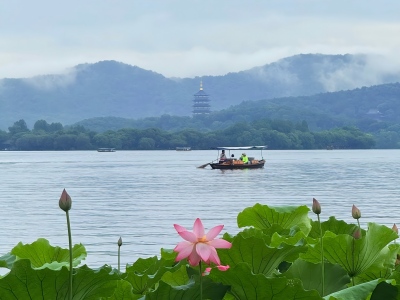
· Hangzhou is known for West Lake, tea culture, and natural landscapes.
· Suzhou is famous for classical gardens, canals, and Jiangnan architecture.
Combining both destinations creates a more complete experience of eastern China's traditional culture.
Getting to Suzhou from Nanjing and Wuxi
Suzhou is also a convenient stop when exploring Jiangsu Province.
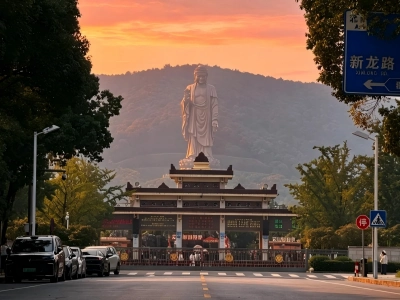
From Wuxi, Suzhou is only a short train ride away, making it easy to combine attractions such as Taihu Lake scenery and Lingshan Grand Buddha with Suzhou's gardens and water towns.
From Nanjing, travelers can reach Suzhou by high-speed train in around 1-2 hours. Combining Nanjing and Suzhou creates a richer itinerary that connects ancient capital history with Jiangnan garden culture.
This makes Suzhou a great addition to a multi-city journey through eastern China.
Is a Private Tour or Train Trip Better for Suzhou?
Both options work well depending on your travel style.
Taking the train is ideal for independent travelers who are comfortable navigating stations, local transportation, and attraction planning.
A private tour can be a better choice for travelers who want to maximize their time, especially if visiting Suzhou as a day trip from Shanghai. A local guide can help arrange transportation between attractions, explain the history behind each site, and include places that are difficult to combine on your own.
For families, seniors, or travelers with limited time, a private Suzhou tour often provides a smoother and more flexible experience.
Practical Suzhou Travel Tips: What to Know Before You Go
Suzhou is one of the easiest cities in China to visit, especially for travelers who enjoy history, culture, and slower-paced experiences. The city is modern and convenient while still preserving its traditional character.
To make your trip smoother, here are some practical tips to help you plan your visit and enjoy Suzhou more comfortably.
How Long Should You Spend at Each Attraction?
One of the biggest mistakes visitors make in Suzhou is trying to see too many places in a short time. Suzhou's famous attractions may look close on a map, but many of them are best experienced slowly. A classical garden is not just a place to take photos — it is designed for walking, observing details, and enjoying the atmosphere.
For major attractions such as Humble Administrator's Garden, Lingering Garden, Tiger Hill, and water towns like Zhouzhuang or Tongli, it is better to allow enough time rather than rushing from one place to another.
A relaxed itinerary will usually make your Suzhou experience much more memorable.
What Is the Best Way to Get Around Suzhou?
Suzhou's main attractions are spread across the city, but most famous sights are located around the old city area.
The most convenient ways to travel are:
Metro: Suzhou has a modern subway system that connects many important areas. It is affordable and useful for independent travelers.
Taxi or ride-hailing apps: For attractions that are not close to subway stations, taxis are often the easiest option.
Walking: For areas like Pingjiang Road, Suzhou Museum, and nearby gardens, walking is the best way to discover hidden corners and traditional neighborhoods.
For travelers visiting Suzhou for only one day, using taxis between major attractions can save a lot of time.
What Food Should You Try in Suzhou?
Suzhou cuisine is an important part of the city's culture. Compared with many other Chinese regional cuisines, Suzhou food is known for delicate flavors, careful preparation, and a balance between sweetness and freshness.
Some local specialties worth trying include:
· Squirrel-Shaped Mandarin Fish (松鼠桂鱼) — a famous Suzhou dish known for its crispy texture and sweet-and-sour flavor.
· Suzhou-style noodles (苏式面) — a simple but beloved local breakfast featuring light soup and carefully prepared toppings.
· Biluochun Tea (碧螺春) — one of China's most famous green teas, grown near Taihu Lake.
For a more authentic experience, consider visiting local restaurants, traditional tea houses, or neighborhood food streets rather than only dining near major attractions.
Is Suzhou Easy for Foreign Travelers?
Suzhou is generally a comfortable city for international visitors. The city has modern transportation, clean public areas, and many attractions with clear signage. However, English availability can vary, especially in smaller restaurants, local shops, and less touristy neighborhoods. Having your destination written in Chinese characters can make transportation much easier.
Using mobile payment apps and transportation apps is also highly recommended, as digital payment is widely used throughout China.
Do You Need to Book Suzhou Attractions in Advance?
For popular attractions, advance booking is recommended, especially during weekends, holidays, and peak travel seasons.
The most popular places that usually require planning include:
· Humble Administrator's Garden
· Suzhou Museum
· Some classical gardens and museums
Suzhou Museum is especially popular because of its unique architecture and limited daily visitor capacity. For smaller streets and outdoor areas such as Pingjiang Road and Shantang Street, reservations are generally not needed.
A good strategy is to book major attractions first, then keep the rest of your itinerary flexible.
What Is the Best Area to Stay in Suzhou?
For first-time visitors, staying near the old city area is usually the best choice. Areas around Guanqian Street, Pingjiang Road, and Suzhou Railway Station provide convenient access to major attractions, restaurants, and transportation.
Staying in the old city allows you to experience Suzhou's traditional atmosphere, especially in the evening when the historic streets become quieter.
If you prefer a more modern environment, Suzhou Industrial Park offers newer hotels, shopping centers, and views of Jinji Lake, but it is farther from the traditional attractions.
Frequently Asked Questions About Visiting Suzhou
Is Suzhou worth visiting?
Yes. Suzhou is one of the best places in China to experience classical gardens, ancient canals, traditional architecture, and Jiangnan culture. It offers a completely different atmosphere from modern cities like Shanghai.
How many days do you need in Suzhou?
For most visitors, 2 days is ideal. One day is enough to see the main highlights, while two days allow you to explore gardens, historic streets, and a water town at a more relaxed pace.
Can you visit Suzhou as a day trip from Shanghai?
Yes. Suzhou is one of the easiest day trips from Shanghai, with high-speed trains taking around 30-40 minutes. It is a great option if you want to see classical gardens, Pingjiang Road, and Shantang Street in one day.
Is Suzhou better than Hangzhou?
They offer different experiences. Suzhou is known for classical gardens, canals, and traditional architecture, while Hangzhou is famous for West Lake, tea plantations, and natural scenery. Many travelers combine both cities in one Jiangnan itinerary.
Is Suzhou good for families with children?
Yes. Suzhou is family-friendly, with many attractions that are enjoyable for both adults and children. Gardens, canal boat rides, water towns, and museums provide cultural experiences without requiring difficult hiking.
Is Suzhou expensive to visit?
Suzhou can fit different travel budgets. Public transportation and local restaurants are affordable, while accommodation and private tours offer options ranging from budget-friendly to luxury experiences.
Can I visit Suzhou without speaking Chinese?
Yes, but preparation helps. Major tourist attractions are easy to navigate, while translation apps, digital maps, and having attraction names in Chinese can make transportation and communication much easier.
Is Suzhou crowded with tourists?
Popular attractions can be busy during weekends and Chinese holidays, especially famous gardens and water towns. Visiting early in the morning or traveling during weekdays usually provides a more relaxed experience.
Final Thoughts
Among China's historic cities, Suzhou stands out for its rare combination of elegance, culture, and authenticity. Its classical gardens showcase centuries of landscape artistry, its waterways preserve the traditions of Jiangnan life, and its historic neighborhoods reveal the connection between the past and present.
Whether you are visiting independently or joining a carefully planned itinerary, Suzhou offers an experience that goes beyond sightseeing. It is a city to explore slowly, appreciate deeply, and remember for years to come.
Discover our popular East China itineraries that combine Suzhou with must-see destinations such as Shanghai, Hangzhou, and Huangshan.