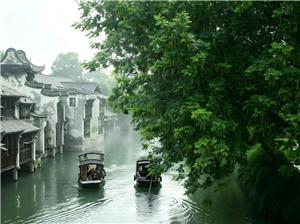
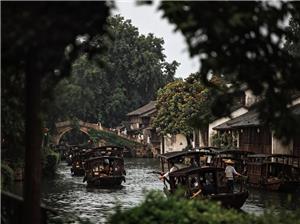
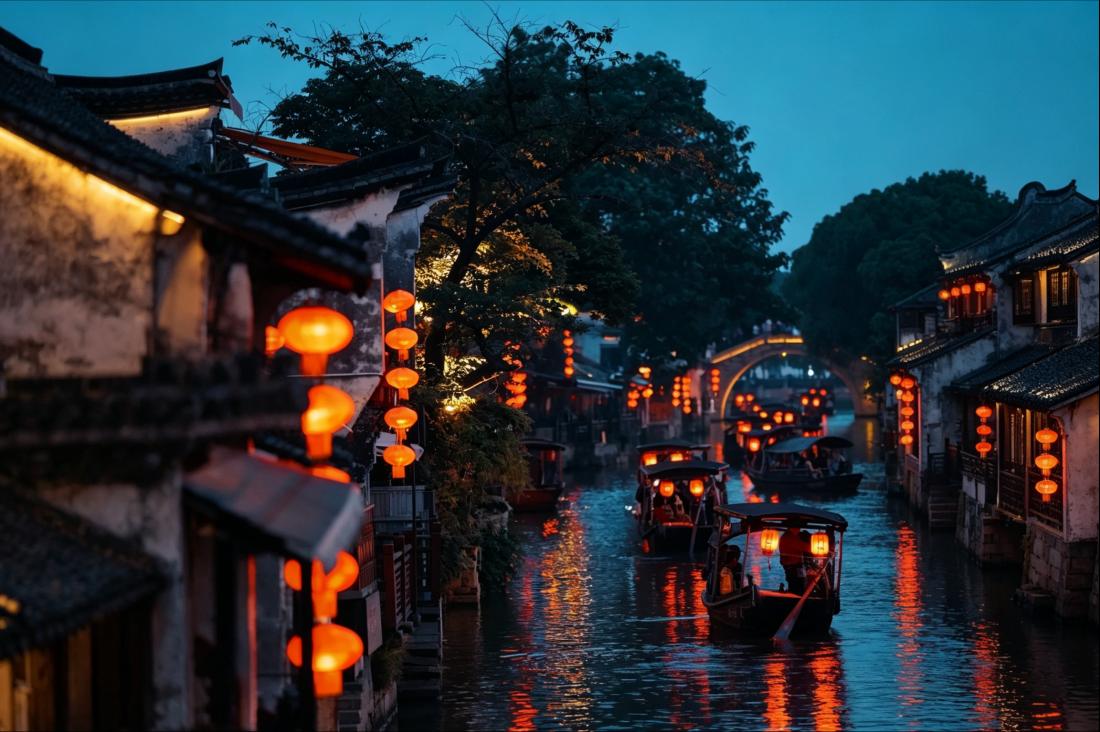
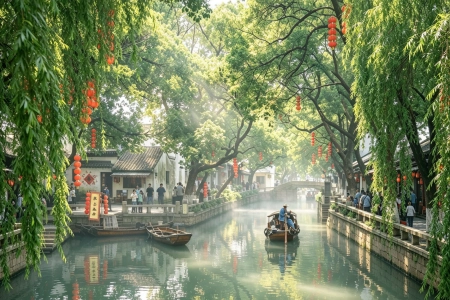
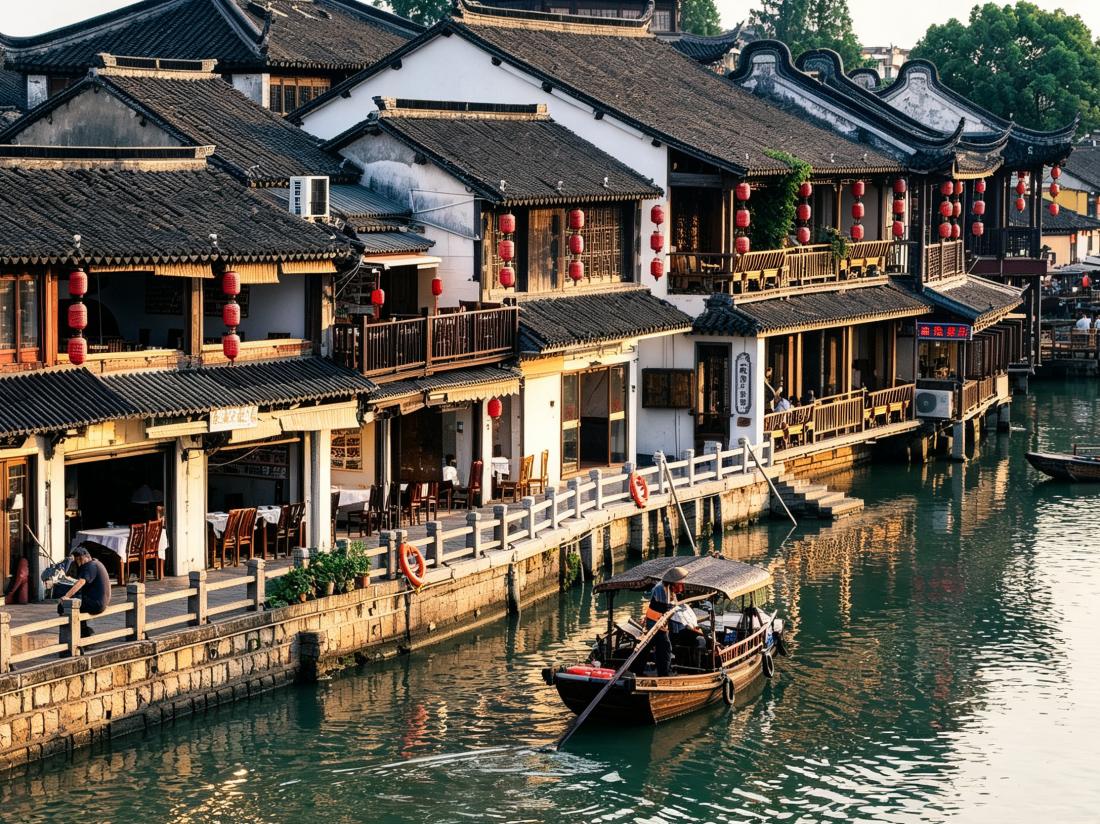
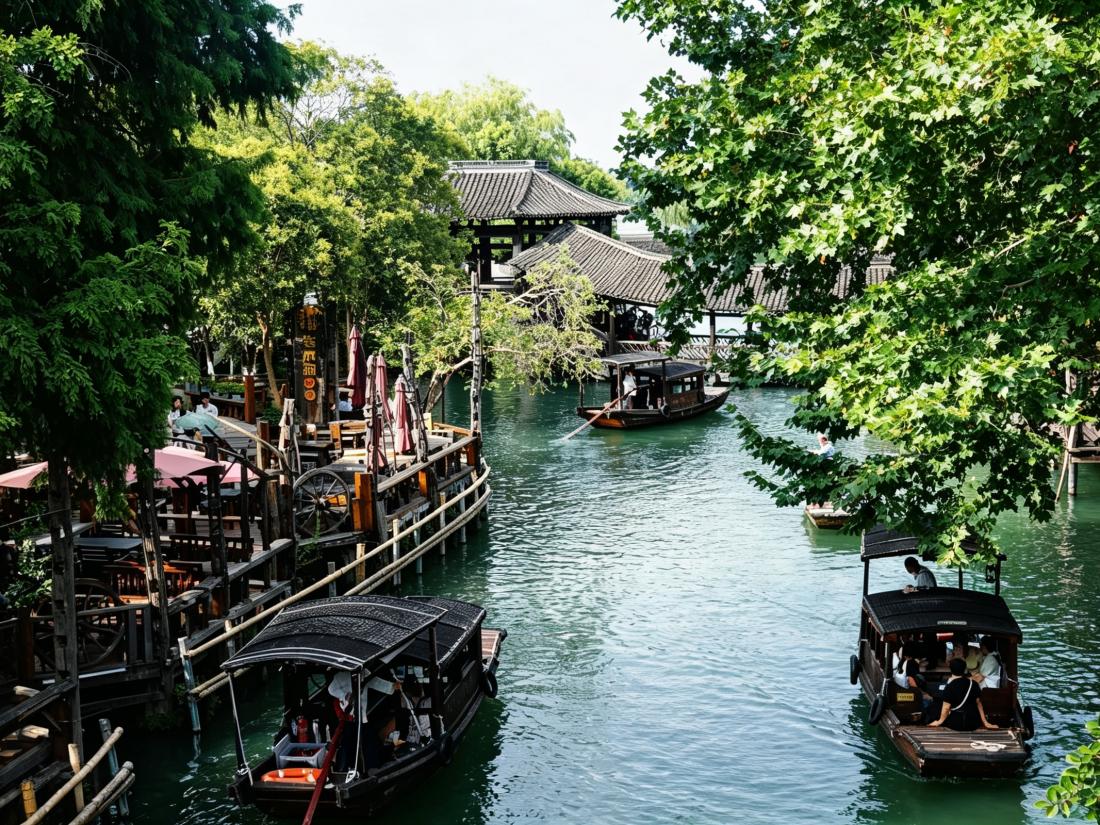
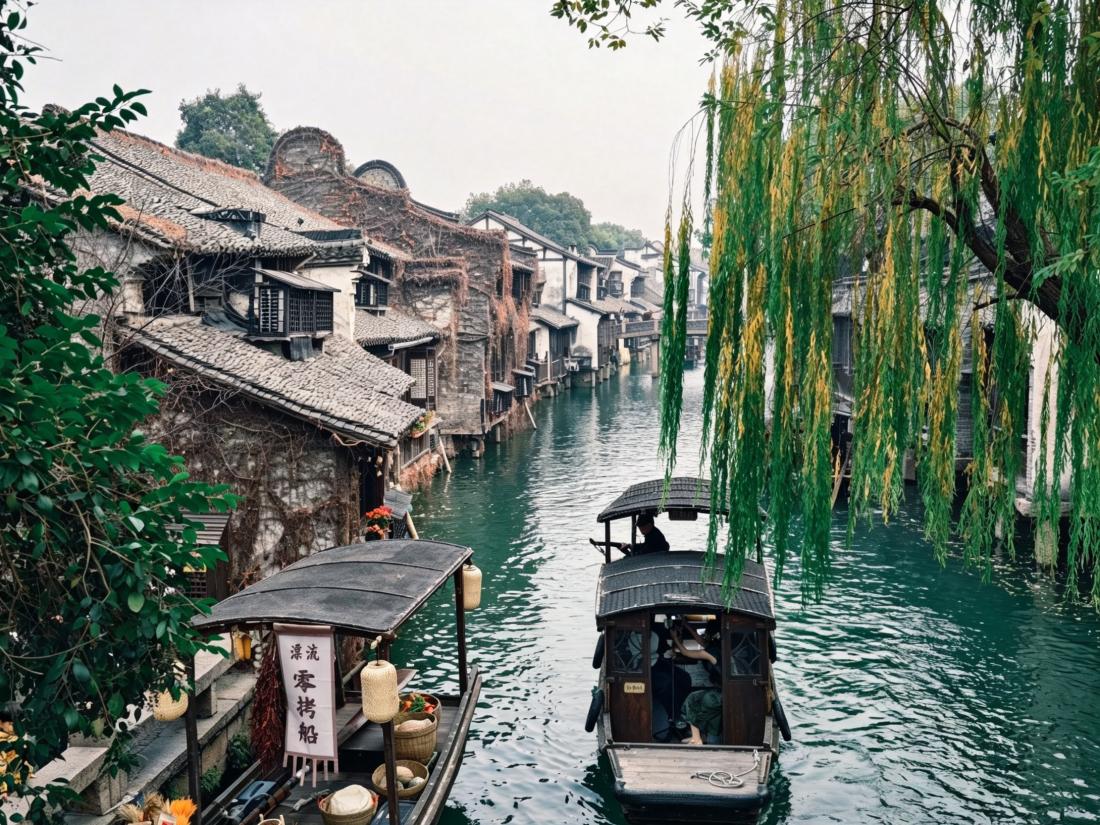
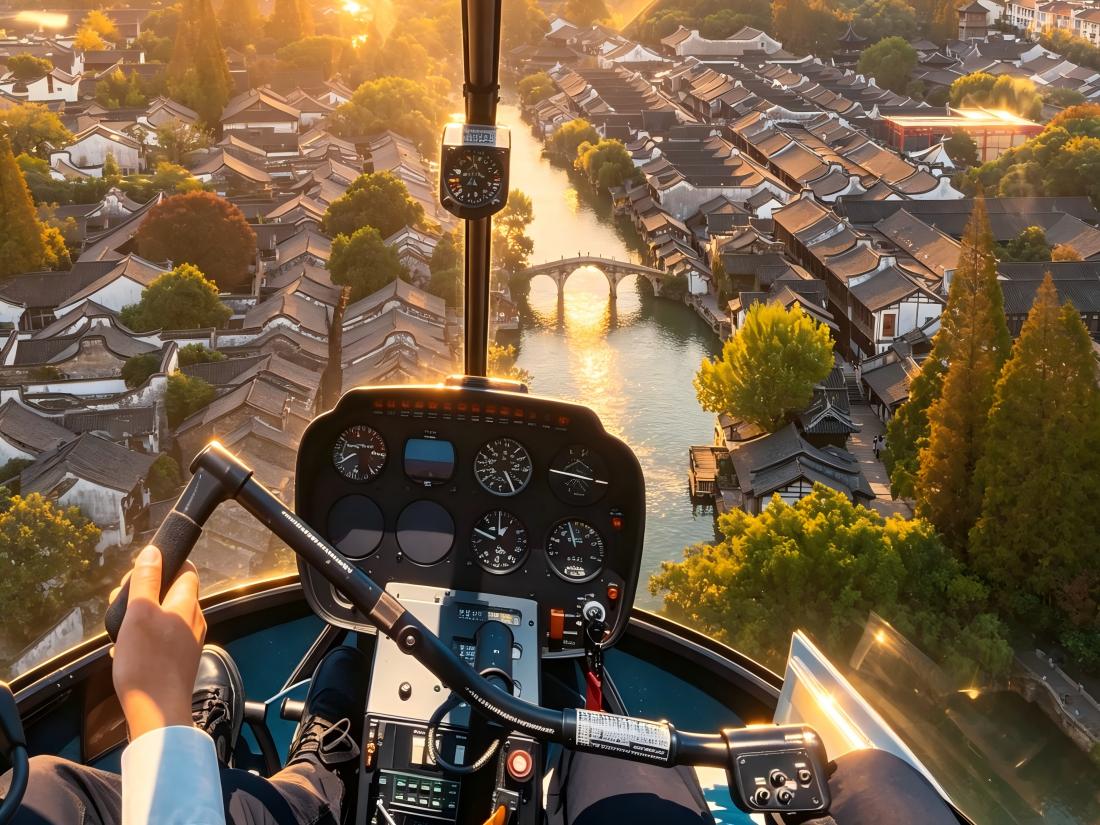
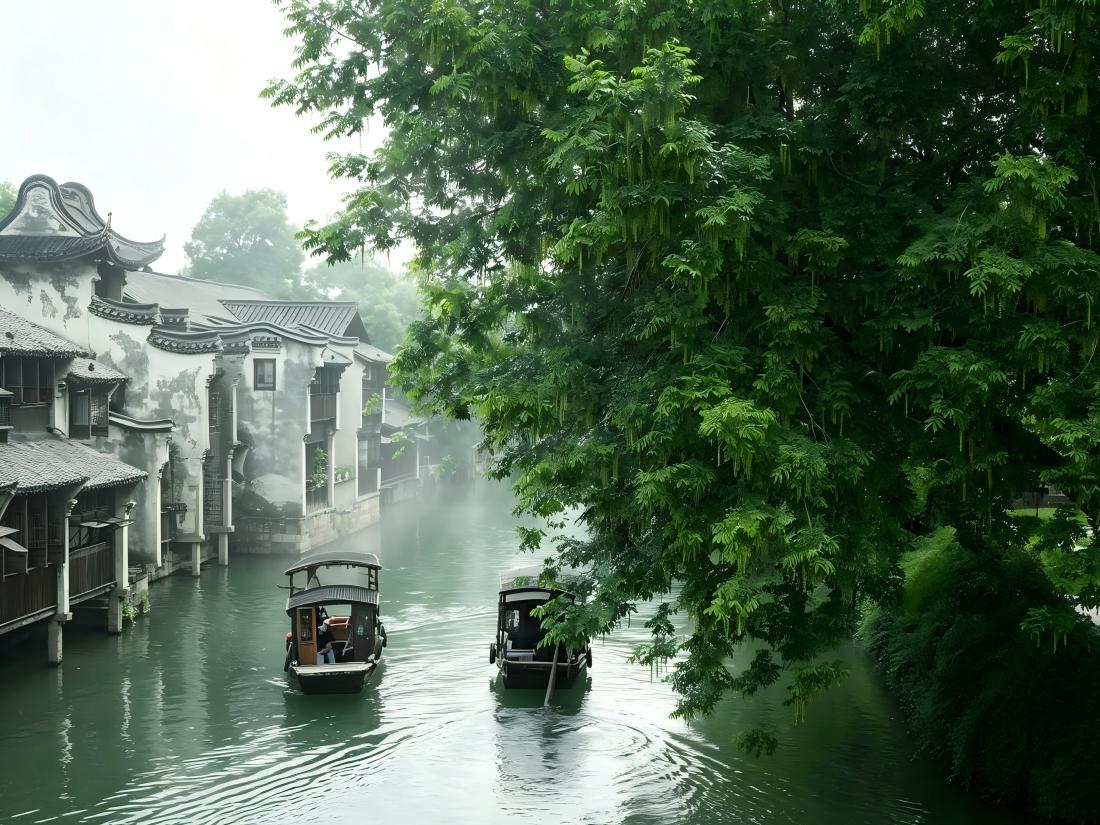
At first glance, Wuzhen and Xitang seem to tell the same story: old houses beside the water, stone bridges crossing quiet canals, narrow lanes and the unmistakable look of a Jiangnan water town. But once you start exploring, the experience is not quite as interchangeable as the photos suggest.
The difference is often found in the small details—the way the streets unfold, how the waterways shape the town, what the old neighborhoods feel like when you wander without a plan, and how the atmosphere changes as the day goes on.
That is what makes Wuzhen vs Xitang an interesting choice for travelers. Instead of simply asking which one is more famous, it is worth looking at what each town is actually like to visit and what kind of experience you can expect.
Here are a few of our tours that include Wuzhen and Xitang.
Wuzhen vs Xitang: Which One Is Better to Visit?
| Wuzhen | Xitang |
Overall feel | Polished, scenic and well restored | Relaxed, atmospheric and compact |
Best known for | Canals, restored streets and night views | Covered corridors, bridges and riverside lanes |
Scale | Larger, with more to explore | Smaller and easier to explore |
Night scenery | One of its biggest highlights | Charming and atmospheric |
Best for | First-time visitors, photography, couples | Slow travel, casual exploring, photography |
The simplest answer: Wuzhen offers the more complete and polished water-town experience, while Xitang is better suited to travelers who want a smaller and more relaxed ancient town.
Why Visit Wuzhen? The Classic Jiangnan Water Town Experience
Wuzhen is one of the best-known ancient water towns in the Jiangnan region. Its appeal comes less from one individual landmark than from the way the whole town comes together: canals, stone bridges, traditional houses, old workshops, narrow lanes and waterside streets.
The town is divided into different scenic areas, with Xizha (West Scenic Area) being especially popular for its restored architecture, waterways and evening atmosphere. Wuzhen is also known for its cultural venues, traditional crafts and connection with major cultural events.
What Makes Wuzhen Feel More Classic and Well Preserved?
Wuzhen feels carefully planned as a complete ancient-town experience. Traditional buildings line the waterways, stone bridges connect the different sections, and many of the most photogenic views are easy to find while walking through the scenic area.
The result is visually cohesive. You can move from a quiet canal to an old street, then across a stone bridge without constantly leaving the historic atmosphere.
This polished appearance is one of Wuzhen's biggest strengths. It also means that Wuzhen generally feels more developed for tourism than Xitang.
What Are the Main Things to See and Do in Wuzhen?
You do not need to rush from one attraction to another in Wuzhen. The town itself is the main attraction.
Spend time walking beside the canals, crossing its old bridges and exploring traditional streets and craft workshops. You can also visit cultural attractions, see traditional performances, take a boat ride and stop at local restaurants or teahouses.
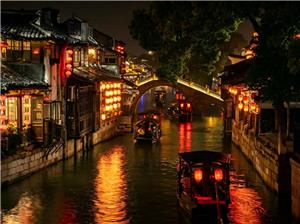
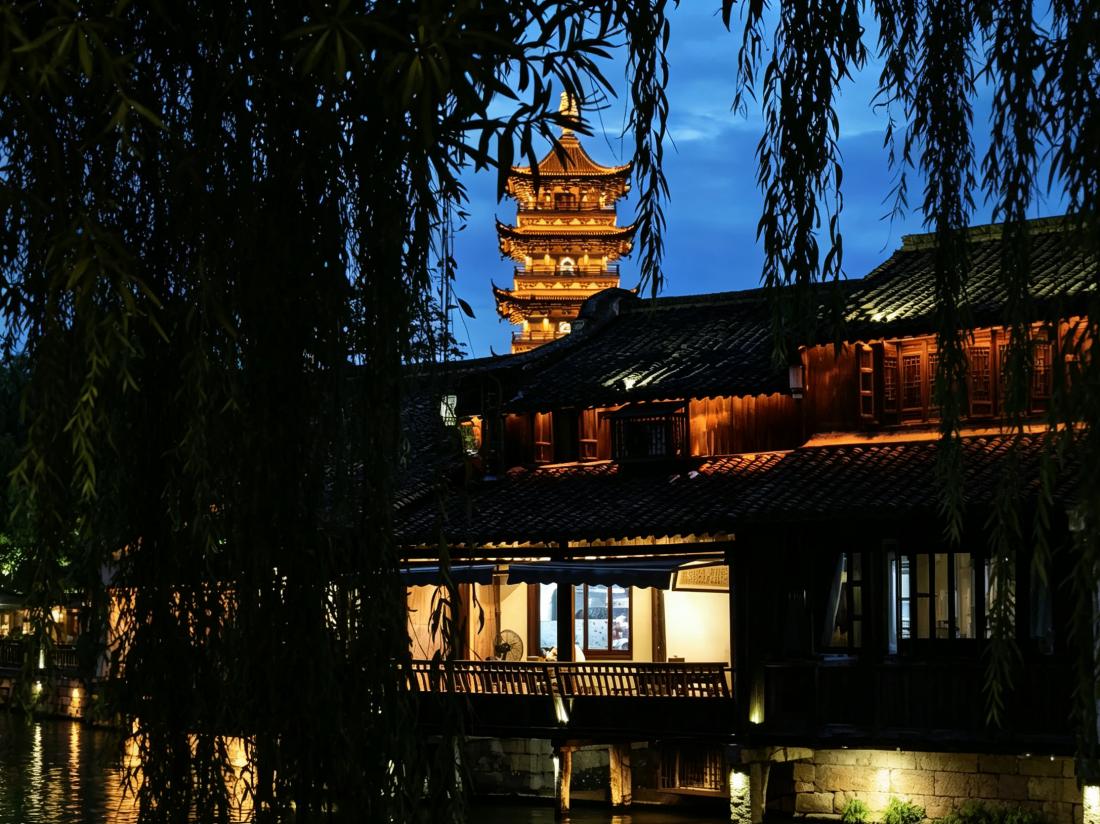
The biggest change comes after sunset. As the lights come on around the canals and historic buildings, familiar daytime views take on a completely different atmosphere.
That is why Wuzhen is particularly rewarding when you can stay until evening.
Here are some of the most popular attractions and cultural spots in Wuzhen:
· West Scenic Area — The best-known part of Wuzhen, with waterways, stone bridges, traditional houses and beautifully restored old streets. It is also the main area to experience Wuzhen after dark.
· East Scenic Area — A more compact historic area where traditional residences, old workshops and riverside streets give a closer look at the town's traditional way of life.
· Wuzhen Water Market — A lively waterside area where old-style streets meet the canals, offering a glimpse of the town's traditional commercial atmosphere and making it a pleasant place to wander and take photos.
· Hundred-Bed Museum — A unique museum displaying elaborately carved traditional Chinese beds from different periods. The intricate woodwork makes it one of the more distinctive cultural stops in Wuzhen.
· Blue Calico Museum — A traditional indigo-dyeing workshop where you can see the distinctive blue-and-white fabric associated with Jiangnan folk craftsmanship and learn more about the dyeing process.
Is Wuzhen Better for a First Water Town Visit?
For many first-time visitors, yes.
Wuzhen gives you almost everything people imagine when they picture a Jiangnan water town: waterways, stone bridges, traditional houses, old streets, boats and illuminated canals.
It is also easy to spend several hours here without running out of places to explore.
The trade-off is that Wuzhen can feel more tourist-oriented, especially during weekends and holidays. If your priority is a beautiful and well-organized first introduction to China's ancient water towns, this is unlikely to be a problem.
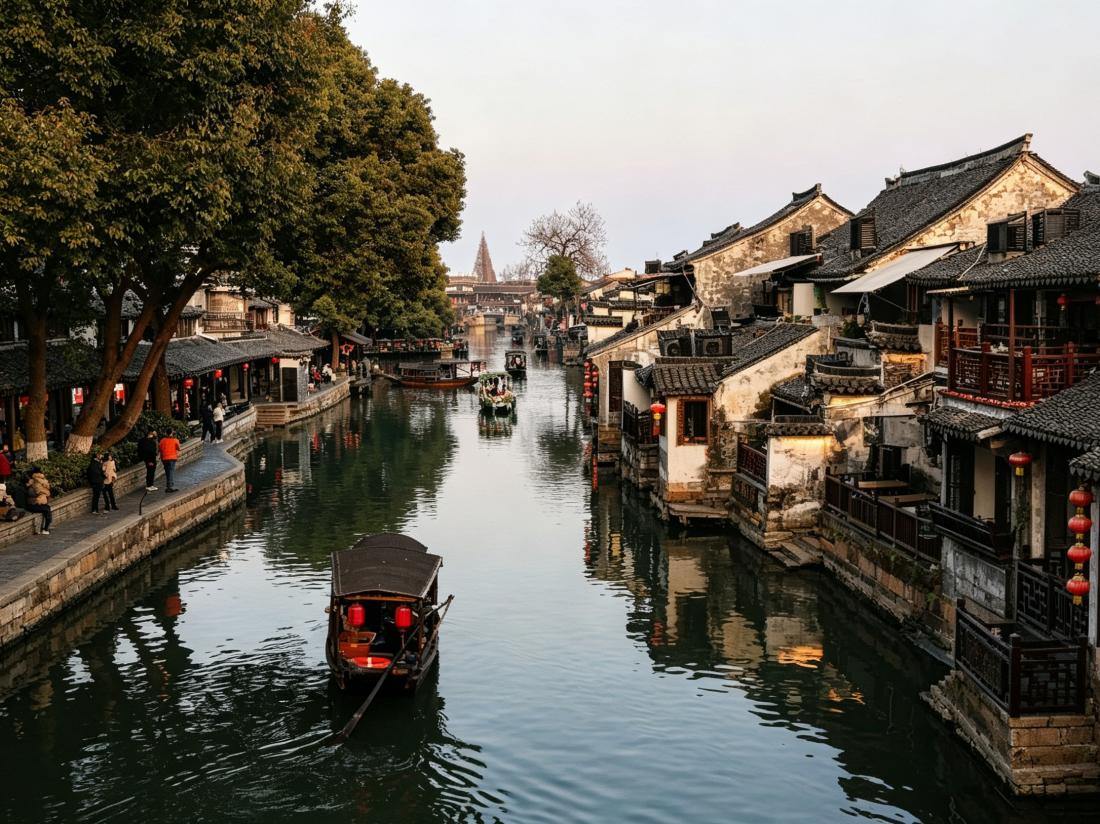
Why Visit Xitang? A More Authentic Ancient Water Town Experience
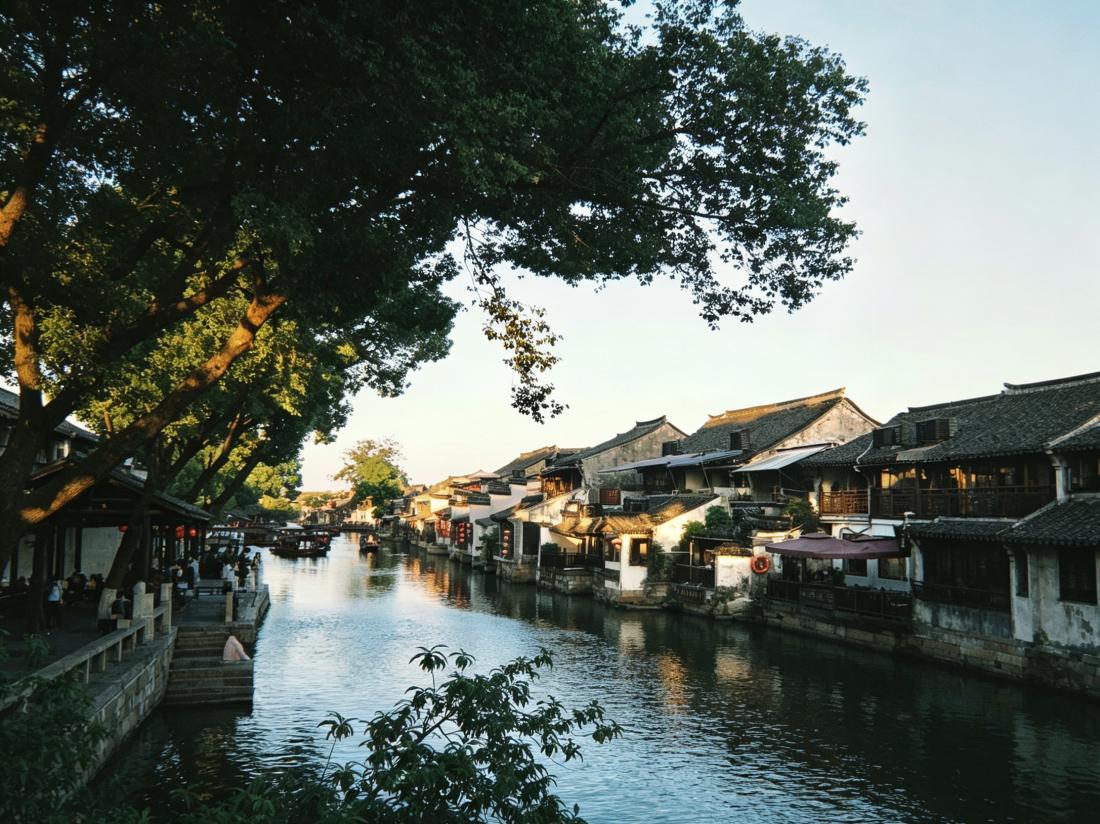
Xitang has a different personality. Rather than feeling like a large sightseeing destination that you need to explore systematically, it is easier to experience as a slow walk through an old riverside town. Its canals, stone bridges, narrow lanes and famous covered walkways create a distinctive atmosphere. The town is particularly pleasant when you are not trying to see everything in a hurry.
What Is Xitang Actually Like to Visit?
Xitang is known for its network of canals and its long covered riverside corridors, which allow visitors to walk beside the water under shelter from the sun or rain. These covered walkways are one of the features that make Xitang visually different from Wuzhen.
The town also has a more compact feeling, so you can explore its main streets and waterways without needing to plan your route too carefully.
Rather than focusing on a long list of must-see attractions, Xitang is better enjoyed by walking slowly, stopping for photos, trying local food and watching life along the canals.
What Can You See and Do in Xitang?
The most enjoyable parts of Xitang are found along its waterways and old lanes.
Walk beneath the covered corridors, cross the traditional stone bridges and explore the narrow lanes between the old houses. Shipi Lane and other historic lanes offer a closer look at the town's traditional layout, while the riverside areas provide some of the best photography opportunities.
You can also visit small museums and traditional cultural sites, take a boat ride or simply stop at a riverside restaurant or café.
Xitang does not require an aggressive sightseeing schedule. The pleasure is in the atmosphere between the attractions.
Here are some of the most popular attractions and cultural spots in Xitang:
· Yanyu Corridor — Xitang's signature covered riverside walkway, where you can stroll beside the canals under traditional roofed corridors and watch boats pass through the old town. It is especially atmospheric when the lanterns come on in the evening.
· Shipi Lane — A remarkably narrow stone-paved lane squeezed between tall old walls. Its enclosed layout creates a distinctive “one-line sky” view and gives you a glimpse of how tightly the historic town was built.
· Xiyuan Garden — A historic private garden with pavilions, ponds, rockeries and traditional landscaping. It offers a quieter change of pace from the busy canal streets and is one of Xitang's best spots for classical Jiangnan garden scenery.
· China Button Museum — A small but distinctly local museum introducing Xitang's long connection with button making. Exhibits trace the development and craftsmanship of buttons, making this an interesting stop if you want to see a side of Xitang beyond its architecture.
· Zhang Zheng Root Carving Art Gallery — A more unusual cultural stop featuring large-scale root carvings that make use of the natural shapes of tree roots. It adds an artistic dimension to a visit focused otherwise on traditional architecture.
Is Xitang a Good Choice for a Relaxed Water Town Visit?
Yes, especially if you do not want your day to feel like a checklist. Xitang is a good match for travelers who prefer to walk, take photos, eat, sit by the water and explore at their own pace.
What Is the Difference Between Wuzhen and Xitang?
The two towns share the same Jiangnan visual language, but they deliver different experiences once you are actually there.
Atmosphere and Overall Feel
Wuzhen feels more polished and immersive. Its restored streets, waterways and buildings create a highly cohesive scenic environment.
Xitang feels more relaxed and intimate. Its covered corridors and compact streets encourage slower exploration.
In simple terms:
Wuzhen = more impressive.
Xitang = more laid-back.
Size and How Much There Is to Explore
This is one difference you'll notice once you start walking.
Wuzhen is larger, so there is more to explore and more reason to spend several hours wandering around. You can move between waterways, old streets, gardens and cultural attractions, with plenty of different views along the way.
Xitang is easier to take in at a slower pace. Its compact layout means you won't spend as much time covering ground, leaving more time to stop for photos, have a snack, sit beside the canal or explore a small lane that catches your eye.
Architecture, Canals and Ancient Streets
If you're looking for those classic Jiangnan water-town scenes, both towns deliver—but they have their own visual character.
In Wuzhen, you'll see longer stretches of traditional buildings lining the waterways, with bridges, boats and old streets coming together to create those postcard-style views.
Xitang is particularly memorable for its Yanyu Corridor, where a long covered walkway follows the river. Add in its narrow Shipi Lane, stone bridges and closely packed old houses, and the scenery feels more intimate and interesting to explore on foot.
Crowds and Tourist Experience
Neither Wuzhen nor Xitang is an undiscovered hidden town. Both are popular, and the busiest streets can get crowded, especially during weekends and holidays.
Wuzhen generally feels more like a fully developed tourist destination, with a polished scenic environment and plenty of visitor facilities. If you enjoy having everything easy to find and well organized, this can be a plus.
Xitang has a smaller-scale feel. Even though it is also touristy, its old lanes and covered walkways make the experience feel more like a casual stroll through an ancient neighborhood. The quieter corners are often where you'll find some of the most enjoyable moments.
Food, Shops and Local Life
You don't really come to either town just to eat or shop, but both are fun places to stop whenever something catches your attention.
In Wuzhen, you'll find plenty of traditional snacks, local dishes, tea shops and souvenirs mixed into the old-town scenery. The larger setting also gives you more choices when you want to take a break.
Xitang is enjoyable in a more casual way. You can wander along the old streets, pick up a local snack, browse small shops and then continue walking beside the canal. It feels less like following a sightseeing checklist and more like letting the town unfold as you explore.
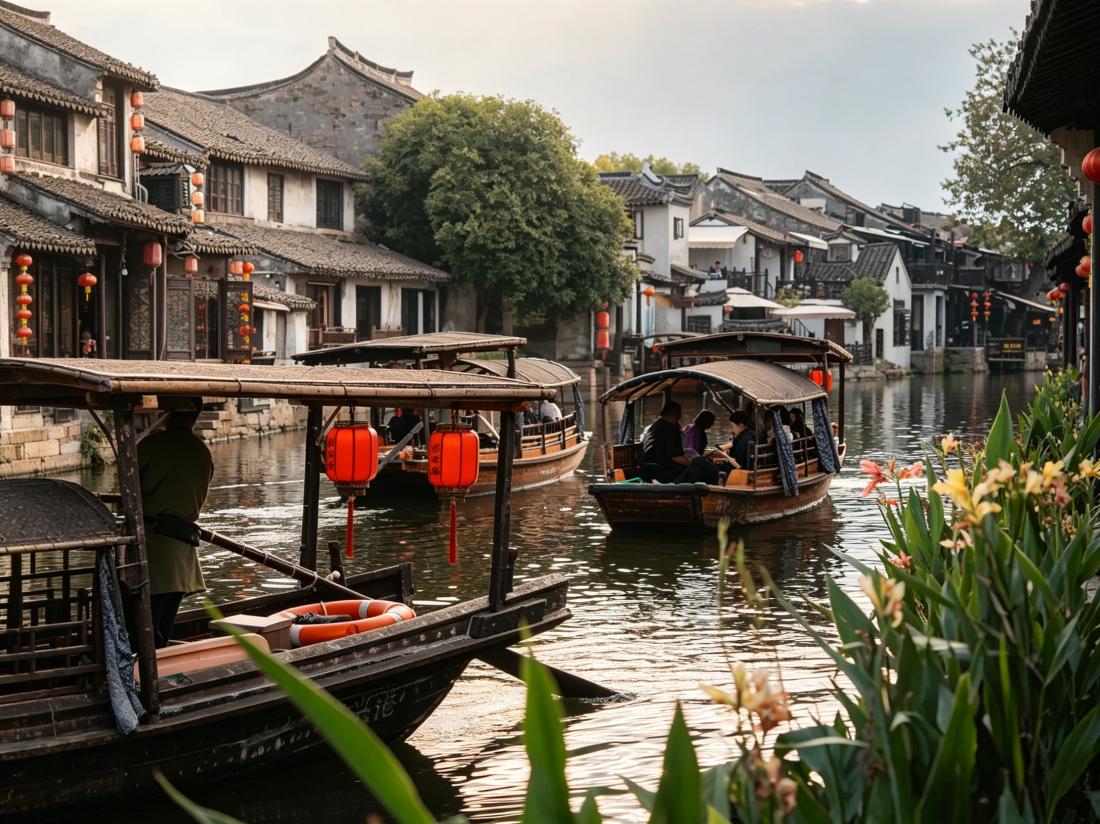
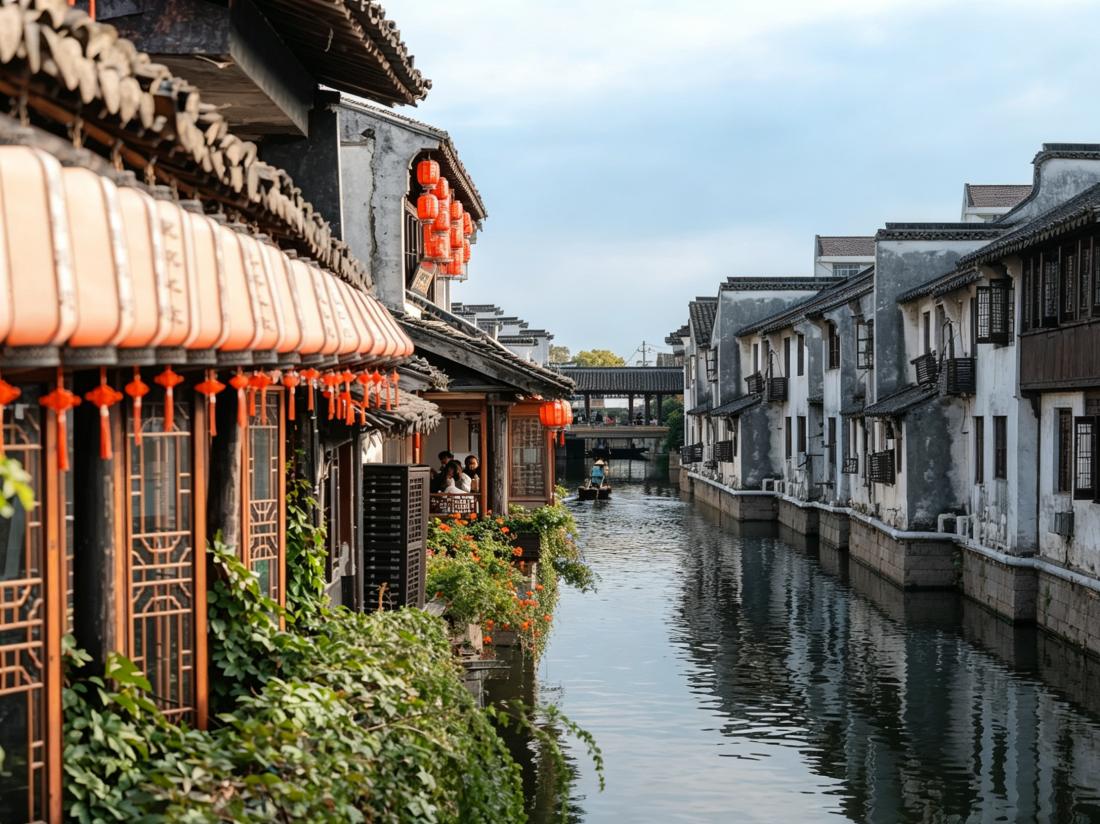
Wuzhen or Xitang: Which Ancient Water Town Has Better Night Views?
If you're asking me which one I'd choose for the night views, I'd go with Wuzhen. The main reason is that the evening scenery feels more complete—the canals, old houses, bridges and warm lights all come together, so you're not just looking at a few illuminated spots. As you walk along the waterways, the reflections on the water keep changing, and the whole town feels especially atmospheric after dark.
Xitang has a lovely, quieter charm at night, especially around the Yanyu Corridor, where the covered walkways and riverside lights create a cozy setting. But for me, Wuzhen is more worth staying until night for because the transformation from daytime to evening is much more noticeable and the overall night scene feels more immersive.
Can You Visit Wuzhen or Xitang in One Day?
Yes, you can visit both Wuzhen and Xitang in one day, but I wouldn't try to rush through either one.
For Wuzhen, I'd allow most of the day if you want to walk through the old streets, enjoy the waterways and stay until the evening lights come on. The town is larger, and leaving too early means missing one of its best parts—the atmosphere after sunset.
Xitang is easier to enjoy in a single day. Its more compact layout means you can take your time around the canals, covered corridors and old lanes without feeling like you need to hurry from one attraction to another.
So, from a local's point of view, one day is enough for either town, but Wuzhen benefits more from giving it a full day and staying into the evening.
Which Water Town Should You Choose for a Day Trip From Hangzhou?
Wuzhen From Hangzhou
Wuzhen is about 80 km from Hangzhou. The easiest option is usually a direct bus, which takes around 1.5–2 hours.
You can also take a high-speed train from Hangzhou East to Tongxiang, which takes roughly 20–30 minutes, and then continue to Wuzhen by taxi or local bus.
If you're traveling as a family or group, a private car is much more convenient, taking roughly 1.5 hours depending on traffic. It also saves you the extra transfer from Tongxiang.
Xitang From Hangzhou
Xitang is around 110 km from Hangzhou. A direct coach takes roughly 1.5–2 hours, while the faster option is to take a high-speed train from Hangzhou East to Jiashan South, followed by a taxi or local bus to Xitang. The train itself takes around 25–35 minutes, with the whole train-and-taxi journey taking about an hour.
For a day trip, both are quite manageable. If you don't want to deal with train connections and local transfers, a private transfer is the most straightforward way to visit either town, especially if you want to arrive early and stay until the evening.
Which Water Town Should You Choose for a Day Trip From Shanghai?
Wuzhen From Shanghai
The most common public-transport option is to take a high-speed train from Shanghai Hongqiao Railway Station to Tongxiang, then continue by taxi or local bus to Wuzhen. The train ride is usually around 1 hour, followed by roughly 40–60 minutes on the road.
You can also take a direct coach or arrange a private car, which avoids changing between different forms of transport.
Xitang From Shanghai
For Xitang, you can take a high-speed train from Shanghai Hongqiao to Jiashan South, then take a taxi or local bus to the ancient town.
For public transport, remember to leave some buffer for the transfer between the railway station and the water town. If you want the simplest door-to-door experience, a private transfer saves you from dealing with multiple connections.
Is Wuzhen Worth Staying Overnight? What About Xitang?
I'd recommend staying one night in Wuzhen if you have the time. The biggest reason isn't simply seeing more sights, but having the chance to experience the town without rushing from one place to another. You can take your time with the old streets, stop for a local breakfast, and enjoy the quieter side of Wuzhen early the next morning, before the main crowds arrive. That slower pace is a big part of what makes an overnight stay feel worthwhile.
Xitang doesn't require an overnight stay—you can comfortably see the main parts in a day. But if you enjoy slow travel, staying one night gives you more time to wander beyond the main streets, discover smaller lanes, local shops and quieter corners at your own pace.
If you have an extra night, I'd give it to Wuzhen; if your schedule is tight, Xitang works perfectly well as a day trip.
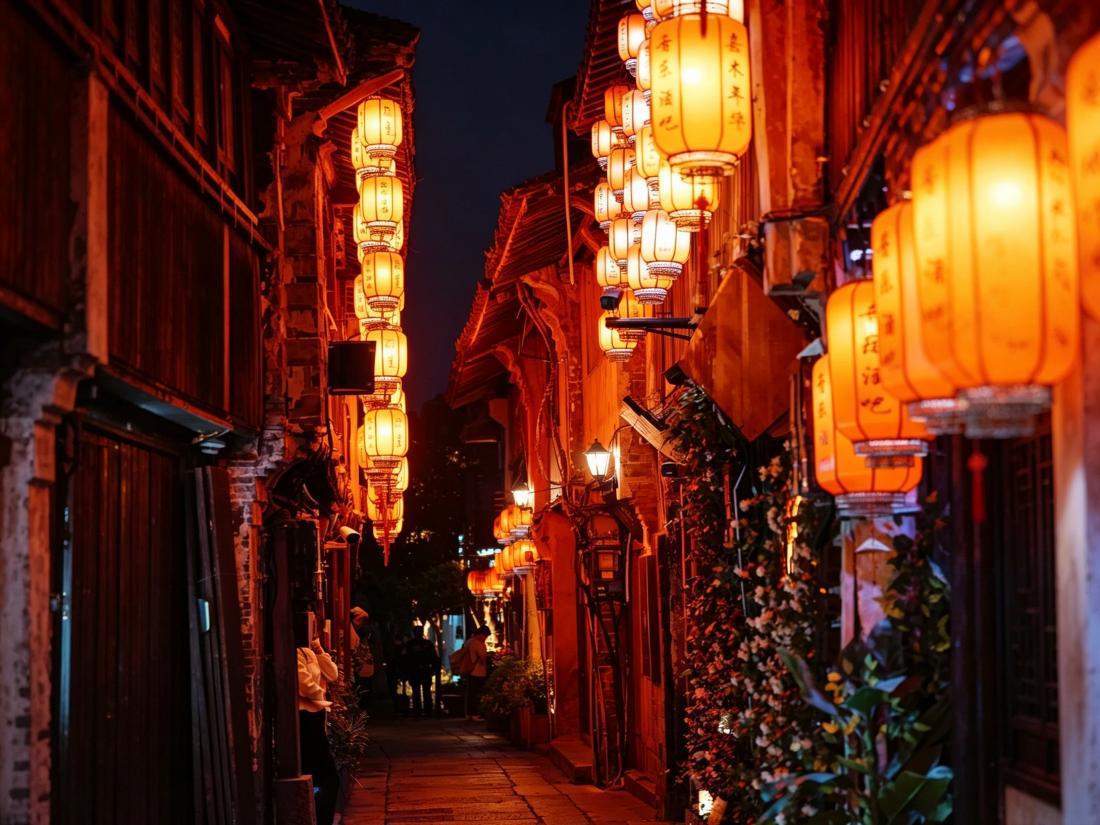
Which Water Town Is Better for Couples, Families and Photography?
For Couples
Both work well for couples, but the mood is different. Wuzhen feels more romantic and immersive, with canals, bridges, boat rides and plenty of places to slow down together. Xitang feels more intimate and casual, especially when you're wandering through the covered corridors, small lanes and riverside streets without a fixed plan.
For Families
Wuzhen is generally the better choice for families. There is more to see and do, and the developed visitor facilities make it easier to plan a comfortable day with children or older family members. You can also mix walking with boat rides and cultural attractions rather than spending the whole day on foot.
For Photography
Xitang has a slight edge for street and detail photography. Its Yanyu Corridor, narrow Shipi Lane, stone bridges and tightly packed riverside houses give you plenty of interesting angles as you walk.
Wuzhen is better for classic Jiangnan compositions—canals lined with traditional houses, bridges, boats and broader waterside views that are especially easy to turn into postcard-style photos.
Wuzhen or Xitang, Which One Should You Choose?
Still can't decide? Honestly, you won't make a bad choice with either one—but I'd choose based on the kind of day you want to have.
Wuzhen makes more sense for a first Jiangnan water-town experience. It gives you that classic combination of old streets, canals, stone bridges and traditional houses, with plenty to see and enough variety to fill a full day—or even an overnight stay.
Xitang is the one I'd consider if you prefer to take things more slowly. It's easy to spend the day wandering through the old lanes, following the waterways, stopping for photos or simply sitting by the water without feeling like you need to rush from one attraction to another.
If you have enough time, Wuzhen would be my first choice, while Xitang is an excellent alternative when you want a more laid-back visit. And if your China itinerary already includes several famous ancient towns, Xitang can be a nice change of pace rather than simply another stop on the list.