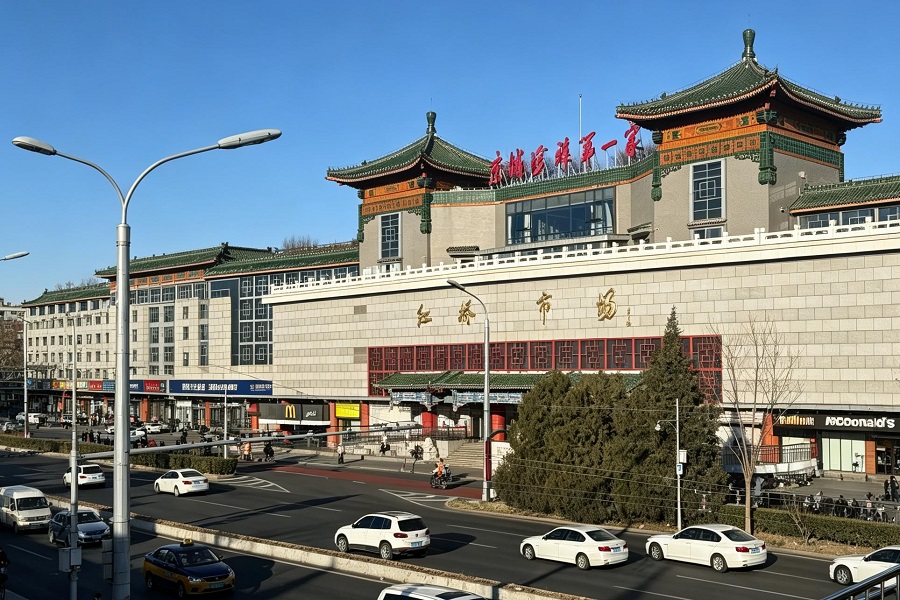
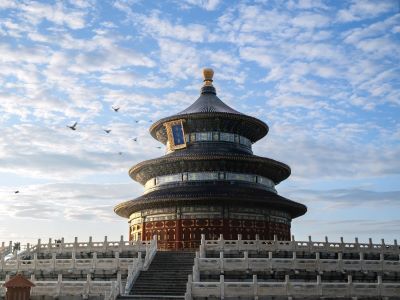
Beijing Pearl Market, also known as Hongqiao Market or Hongqiao Pearl Market, is one of Beijing's best-known shopping destinations. Located near the Temple of Heaven in Dongcheng District, the market has long been popular for its wide selection of pearls, jewelry, silk, tea, souvenirs and everyday goods.
For many international visitors, the beijing pearl market offers more than shopping. It is also a chance to experience Beijing's lively market culture, compare products and practice bargaining. Whether you search for pearl market beijing, hongqiao pearl market beijing china or hongqiao market, you are likely referring to this popular shopping center near the Temple of Heaven.
Why Visit Beijing Pearl Market?
Beijing Pearl Market, also known as Hongqiao Market or Hongqiao Pearl Market, is one of the city's most interesting places for shopping and local cultural experiences. Although pearls remain one of its best-known products, the market has developed into a large indoor shopping center offering jewelry, silk, tea, souvenirs, accessories and many other goods.
For first-time visitors, the market is a chance to see a different side of Beijing. Instead of visiting only modern shopping malls and international brands, you can explore a lively local marketplace, compare products from different vendors and experience the traditional Chinese habit of negotiating prices.
More Than Just a Pearl Market
The name “Beijing Pearl Market” may suggest that the market specializes only in pearls. In reality, Hongqiao Market is a comprehensive shopping destination with several floors and a wide variety of products.
Pearls and jewelry are still among the main attractions. Visitors can find freshwater pearl necklaces, earrings, bracelets and other jewelry in different styles and price ranges. Some shops also sell jade, gemstones, watches and fashion accessories.
Beyond jewelry, the market offers silk scarves, traditional Chinese gifts, tea, tea sets, handicrafts, souvenirs, bags and everyday items. This variety makes it suitable for different types of travelers. You may visit specifically to look for a pearl necklace, while your travel companions browse for tea, silk products or small gifts to take home.
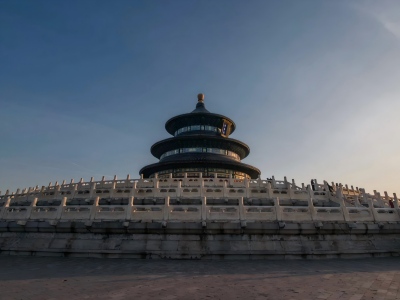
The market's wide selection also makes it a convenient stop during a Beijing sightseeing itinerary. Since it is located near the Temple of Heaven, many visitors combine a cultural visit to the temple with a few hours of shopping at Hongqiao Market.
A Local Shopping Experience
Hongqiao Market offers a shopping experience that is different from a standard department store or modern shopping mall. Instead of fixed prices and quiet display areas, visitors will find many independent shops, product comparisons and direct conversations with sellers.
Bargaining is a normal part of shopping at the market, especially when buying souvenirs, accessories or jewelry. Prices may vary between shops, so it is a good idea to look around before making a decision. You can compare the quality, design and price of similar products at several stalls.
The best approach is to bargain politely and keep the conversation friendly. You do not need to accept the first price, but you should also avoid treating the process as a confrontation. If the final price does not suit your budget, you can simply thank the seller and continue browsing.
For international visitors, the market can also be an opportunity to practice simple English or use a translation app when discussing product details. Asking questions such as "What type of pearl is this?", "Can I see another one?" or "What is your best price?" can make the shopping experience easier and more enjoyable.
What Makes Hongqiao Market Special?
Hongqiao Market is special because it combines shopping convenience with a traditional market atmosphere. Its location near the Temple of Heaven makes it easy to include in a classic Beijing sightseeing route, while its wide range of products gives visitors plenty of choices.
The market is particularly known for:
Freshwater pearl jewelry and other accessories
Jade, gemstones and decorative jewelry
Silk scarves and traditional Chinese-style products
Chinese tea and tea sets
Souvenirs and small gifts
Handicrafts and cultural products
Bags, watches and everyday accessories
The variety of products means that Hongqiao Market can appeal to both serious shoppers and casual visitors. Some travelers come to purchase a special piece of pearl jewelry, while others simply enjoy walking through the market, observing the displays and looking for affordable souvenirs.
If you are interested in pearls, remember to compare several shops and ask about the type, quality, size and luster of the pearls before buying. If you are mainly looking for gifts, silk products, tea and small souvenirs are popular choices that are easy to pack and take home.
Overall, Beijing Pearl Market is worth visiting not only because of its pearls, but also because it offers a lively introduction to Beijing's local shopping culture. It is a practical and entertaining stop for travelers who want to combine sightseeing, shopping and a more authentic market experience in one place.
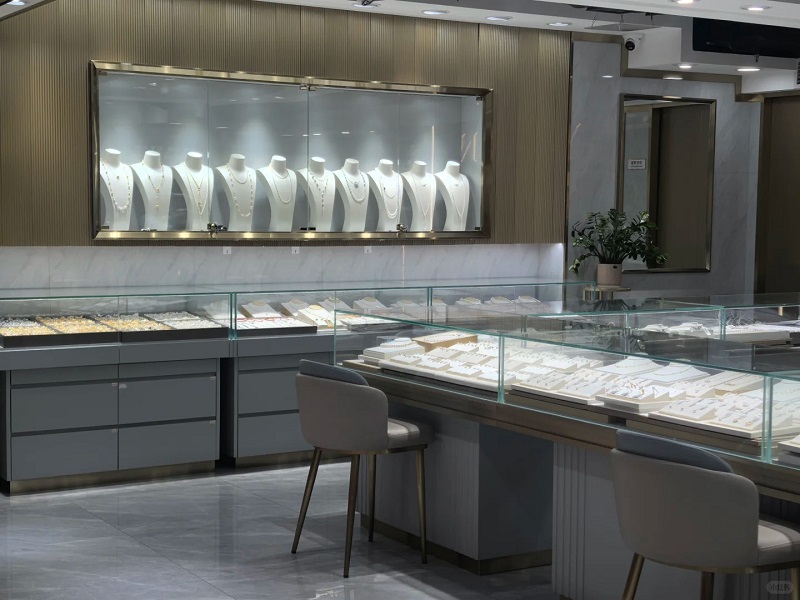
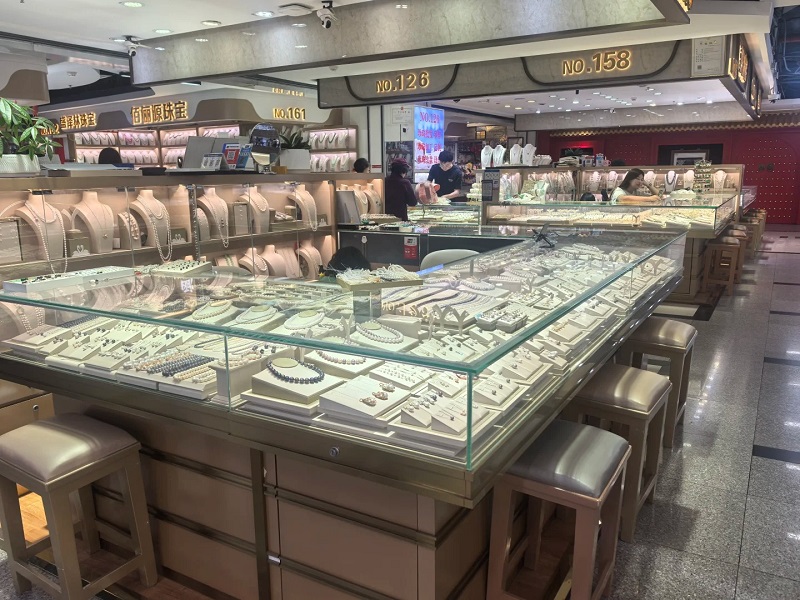
Where Is Beijing Pearl Market?
Beijing Pearl Market, also known as Hongqiao Market or Hongqiao Pearl Market, is located in Beijing's Dongcheng District, near the Temple of Heaven. Its Chinese name is 红桥市场, which means “Hongqiao Market.”
The market is situated in the southern part of central Beijing, making it a convenient stop for travelers exploring some of the city's most famous historical attractions. Because it is close to the Temple of Heaven, many visitors combine a visit to the market with a morning or afternoon tour of this UNESCO World Heritage Site.
Hongqiao Market is located in a lively urban area with restaurants, local shops, public transportation and other everyday services nearby. Although the market is popular with international visitors, the surrounding neighborhood also offers a glimpse of modern Beijing life beyond the city's major tourist landmarks.
For travelers staying around Wangfujing, Tiananmen Square or central Beijing, the market is relatively easy to reach by subway, taxi or ride-hailing service. Its central location makes it a practical choice for visitors who want to combine sightseeing, shopping and a local market experience in one day.
Location at a Glance
Market name: Hongqiao Market / Hongqiao Pearl Market
Chinese name: 红桥市场
District: Dongcheng District, Beijing
Former area reference: Chongwen District
Nearby landmark: Temple of Heaven
Best combination: Temple of Heaven and Hongqiao Market
Recommended visit duration: About 1–2 hours
How to Get to Beijing Pearl Market
By Subway
The easiest way to reach Beijing Pearl Market, also known as Hongqiao Market, is by subway.
Take Line 5 to Tiantandongmen Station. Use Exit A and walk for about 5–10 minutes to the market. The route is convenient and easy to follow with a map app.
By Taxi or Ride-Hailing
Taxis and ride-hailing services are convenient from central Beijing, Wangfujing, Tiananmen Square and other popular areas.
Show the driver the Chinese name: 北京红桥市场
Travel time depends on traffic, but it usually takes around 15–30 minutes from central Beijing. Avoid rush hours when possible.
From the Temple of Heaven
Hongqiao Market is close to the Temple of Heaven, making it easy to visit both attractions on the same day.
A convenient route is: Temple of Heaven → Hongqiao Market
After visiting the Temple of Heaven, walk or take a short taxi ride to the market. Plan about 2–3 hours for the Temple of Heaven and 1–2 hours for shopping at Hongqiao Market.
Beijing Pearl Market Opening Hours
Beijing Pearl Market, also known as Hongqiao Market, is generally open every day, including weekends and many public holidays. Typical opening hours are approximately 8:30 AM to 7:00 PM, although individual shops may open later or close earlier than the main market.
Opening hours can vary by season, public holiday, special event or individual store. If you are planning to visit on a national holiday or during a major festival, it is best to confirm the latest schedule in advance through the market's official channels, your hotel or a local guide.
| Information | Recommendation |
|---|
| Opening Hours | Usually around 8:30 AM–7:00 PM |
| Best Time to Visit | Late morning or early afternoon, when most shops are open |
| Recommended Visit Duration | About 1–2 hours |
| Best Day to Visit | Weekdays for a quieter shopping experience |
| Holiday Visits | Check the latest opening schedule before traveling |
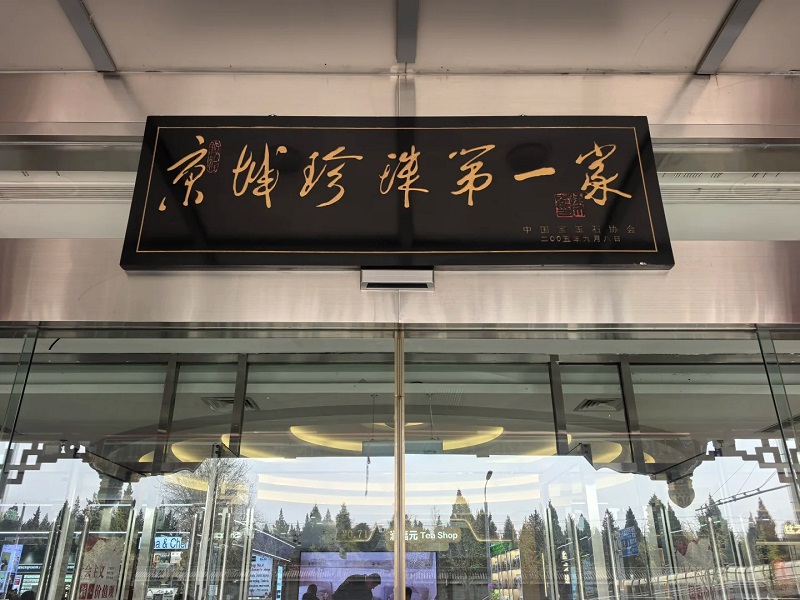
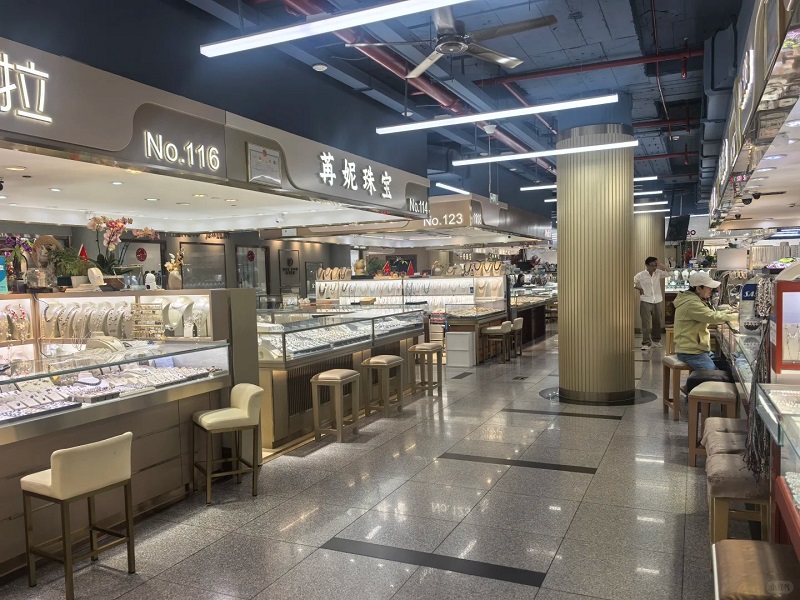
What Can You Buy at Hongqiao Market?
Hongqiao Market is best known for its pearls and jewelry, but it is also a large shopping center where visitors can find silk products, tea, souvenirs, accessories and everyday items. Whether you are looking for a small gift or a special keepsake from Beijing, the market offers a wide range of products at different price points.
Pearls and Jewelry
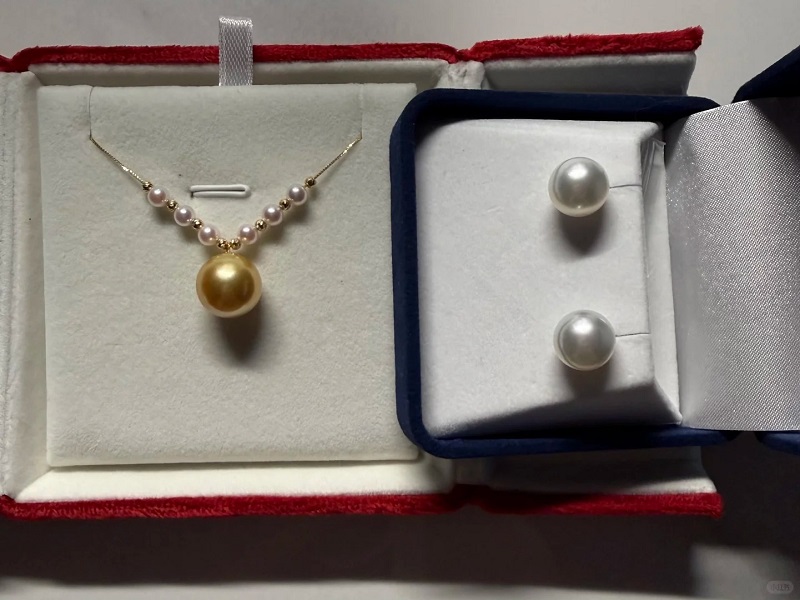
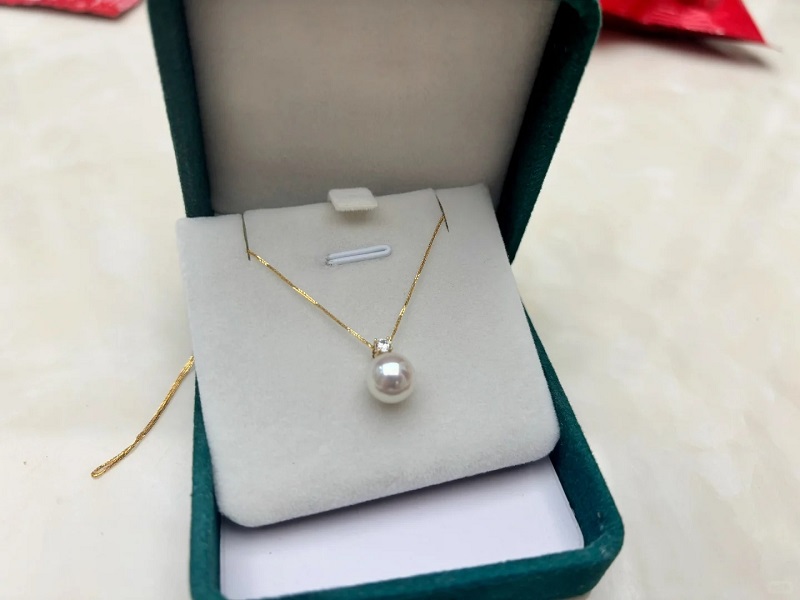
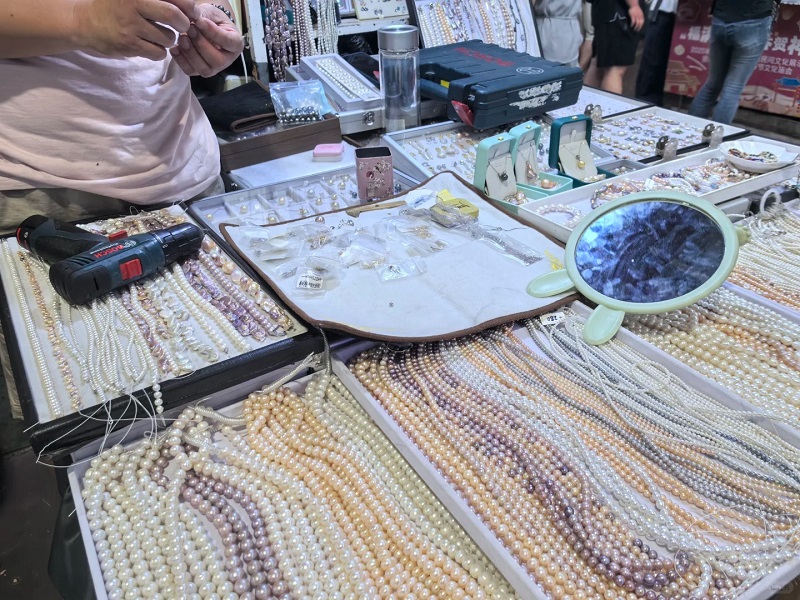
Pearls are the main attraction at Hongqiao Market. You can find pearl necklaces, earrings, bracelets, rings and loose pearls in many different sizes, colors and styles. Some shops sell simple, affordable jewelry for everyday wear, while others offer more elaborate designs and higher-value pieces.
When choosing pearls, pay attention to several basic qualities:
Luster: Good pearls usually have a bright, reflective surface rather than a dull appearance.
Surface quality: Small natural marks can be normal, but avoid pearls with deep cracks, peeling or obvious damage.
Shape: Round pearls are often more expensive, while oval, baroque and irregular shapes can offer a more distinctive look.
Size: Larger pearls generally cost more, although size is only one factor in determining value.
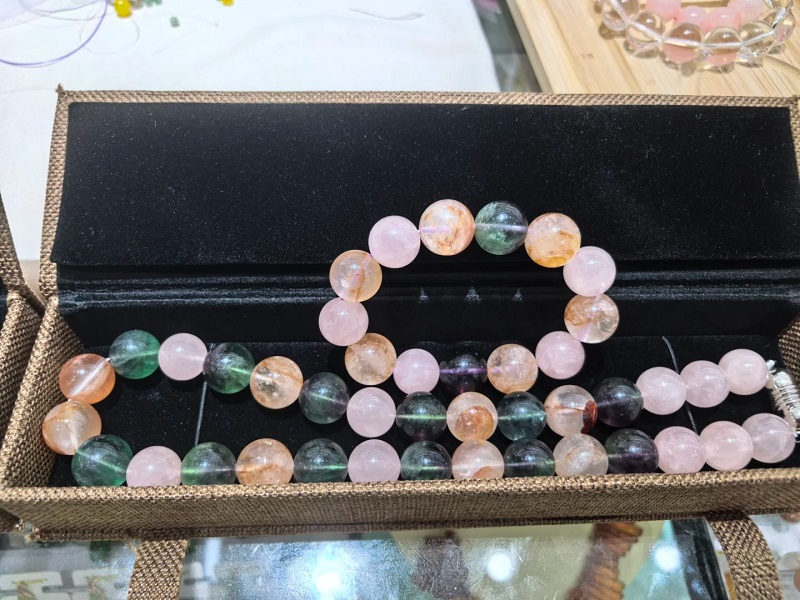
Color: White, cream, pink, golden and dark-colored pearls are commonly available.
Matching: For a necklace or pair of earrings, check whether the pearls are similar in size, color and luster.
Before buying, ask the seller what type of pearl it is, such as freshwater pearl, Akoya pearl or South Sea pearl. You should also compare several shops, ask to see different pieces and confirm the final price before payment. If you are purchasing an expensive item, ask whether the shop provides a receipt, product information or a certificate.
Silk and Traditional Chinese Products
Silk products are another popular choice at Hongqiao Market. Visitors can find silk scarves, shawls, clothing, ties, sleepwear and decorative textiles in a variety of colors and patterns. Lightweight silk scarves are especially convenient souvenirs because they are easy to pack and suitable for both personal use and gifts.
The market also sells traditional Chinese-style products, including embroidered items, decorative fabrics, fans, small ornaments and other products inspired by Chinese culture. These items can be a good option if you want something more distinctive than a standard tourist souvenir.
When buying silk, check the fabric label and ask about the material. Some products may be made from pure silk, while others may be blended with synthetic fibers. Comparing the texture, weight and price of similar products can help you make a more informed decision.
Tea and Chinese Tea Sets
Tea is a practical and culturally meaningful gift to buy in Beijing. At Hongqiao Market, you may find different types of Chinese tea, including green tea, jasmine tea, oolong tea, black tea and pu-erh tea. Some shops also sell tea boxes, gift sets and traditional tea accessories.
Chinese tea sets are available in many styles and materials, such as ceramic, porcelain, glass and clay. A small tea set can make a memorable gift, while a simple package of tea is easier to carry during international travel.
If you are unfamiliar with Chinese tea, ask the seller about the flavor, origin, brewing method and recommended storage conditions. You can also ask whether samples are available before making a purchase. For packaged tea, check the label, production date and packaging carefully.
Souvenirs and Gifts
Hongqiao Market offers many small souvenirs suitable for friends, family and colleagues. Popular choices may include:
Chinese-style fans
Decorative chopsticks
Small porcelain items
Calligraphy and painting products
Traditional ornaments
Beijing-themed gifts
Miniature cultural decorations
Embroidered pouches and fabric accessories
Small statues and decorative objects
These products are often more affordable and easier to pack than larger items. They can also be useful for visitors who want to bring home several gifts without spending too much time shopping.
When choosing souvenirs, consider their size, weight and durability. Fragile porcelain or ceramic items should be wrapped carefully, especially if you are traveling with checked luggage.
Bags, Accessories and Everyday Items
In addition to pearls and traditional products, Hongqiao Market has shops selling bags, wallets, belts, scarves, hats, sunglasses, costume jewelry and other fashion accessories. You may also find small travel items, household products and practical everyday goods.
These products make the market feel more like a general shopping destination rather than a place focused only on pearls. Some visitors come specifically for jewelry but end up finding useful accessories or inexpensive gifts as they explore the different floors and shops.
Prices and quality can vary considerably, so it is worth comparing similar products before buying. Check zippers, stitching, clasps and other details carefully, and make sure the item meets your expectations before completing the purchase.
How to Shop for Pearls at Beijing Pearl Market
Shopping for pearls at Beijing Pearl Market can be an enjoyable experience, especially if you take time to compare different products and learn a few basic terms before you visit. The market offers pearls in many sizes, colors, shapes and price ranges, so it is helpful to know what you are looking for instead of choosing the first necklace or pair of earrings you see.
Whether you want a simple souvenir, a gift for family or a more valuable piece of jewelry, the following tips can help you shop with greater confidence.
Know What Type of Pearl You Want
Before buying, it is useful to understand the basic differences between the main types of pearls commonly discussed in jewelry shops.
Freshwater pearls are among the most common options at Beijing Pearl Market. They are usually available in a wide range of shapes and colors, including white, pink, lavender and cream. Freshwater pearls are often more affordable than other types, making them a popular choice for travelers who want an attractive gift or a piece of everyday jewelry.
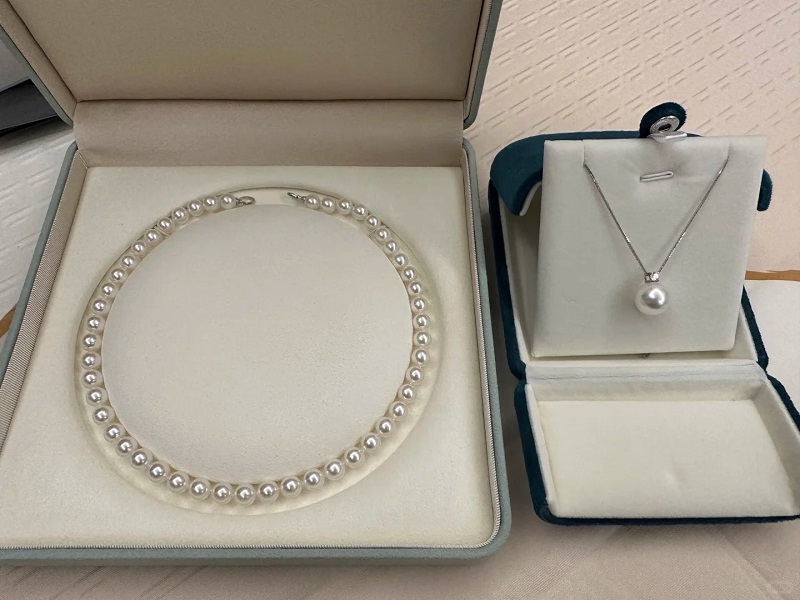
Akoya pearls are generally known for their round shape, smooth surface and bright luster. They are traditionally associated with classic white pearl jewelry and are often used in elegant necklaces and earrings. Because of their appearance and more consistent shape, Akoya pearls may cost more than many freshwater pearls.
South Sea pearls are usually larger and are known for their soft, luxurious luster. They may appear in white, cream or golden tones. These pearls are often more expensive, so visitors should take extra care when checking the product details, quality and price before making a purchase.
You may also see pearls in different shapes, such as round, oval, button, baroque and semi-baroque. A perfectly round pearl is often more expensive, while baroque pearls have irregular shapes and can offer a more distinctive style at a lower price. The best choice depends on your budget, personal taste and intended use.
When comparing pearls, pay attention to several basic features:
Luster: How brightly the surface reflects light
Surface quality: Whether there are visible marks, spots or small imperfections
Shape: Whether the pearl is round, oval or irregular
Size: Larger pearls are not always better, but they may affect the price
Color: Choose a color that matches the jewelry style and the person who will wear it
Matching: For earrings or a necklace, check whether the pearls have a similar size, shape and color
If you are not familiar with pearl jewelry, do not hesitate to ask the seller to show you several examples at different prices. Seeing the differences side by side can make it easier to understand what you are paying for.
Compare Before You Buy
One of the most important rules when shopping at Hongqiao Pearl Market is not to buy from the first shop immediately. The market has many stalls and stores selling similar-looking products, but prices, designs and quality can vary considerably.
Before making a decision, walk around and compare at least a few different shops. Look at:
The overall design of the jewelry
The size and shape of the pearls
The brightness and surface quality
The material of the necklace, clasp or metal setting
Whether the pearls are well matched
The seller's explanation of the product
The final price after negotiation
A necklace may look similar to another one at first glance, but the pearls may differ in luster, surface condition, size or matching. It is also worth checking whether the jewelry uses sterling silver, gold-plated metal or another material for its clasp and fittings.
If you find a style you like, take a photo or make a note of the price before visiting other stalls. This can help you compare products more accurately and avoid forgetting important details. You can also return to the first shop later if you still feel that it offers the best combination of quality and price.
Do not feel pressured to buy quickly. A polite “I would like to look around first” is perfectly acceptable. Taking your time is especially important if you are purchasing an expensive necklace, bracelet or pair of earrings.
Ask About Pearl Quality
Clear communication is important when buying pearls, particularly if you want to understand exactly what you are purchasing. Sellers may use different terms to describe the pearls, so ask specific questions rather than relying only on general statements such as "good quality" or "real pearl."
Useful questions include:
“What type of pearl is this?”
“Is this a freshwater pearl?”
“Are these pearls natural or cultured?”
“Can I see another one?”
“What is the size of these pearls?”
“Are all the pearls in this necklace matched?”
“What material is the clasp?”
“Does this come with a certificate?”
“What is your best price?”
You can also ask the seller to show you similar products in different price ranges. This allows you to compare the quality more easily and understand why one item costs more than another.
If the seller says that a piece is made with a particular type of pearl, ask whether the information is written on the receipt or product certificate. For higher-value purchases, make sure that any certificate clearly corresponds to the item you are buying. A certificate alone should not be the only reason to accept a high price, so consider the pearl's appearance, the jewelry materials and the seller's reputation as well.
Check the Jewelry Carefully
Before paying, inspect the jewelry under good lighting. Look closely at the pearls and the parts connecting them. The surface should match the description given by the seller, and the necklace or bracelet should feel secure when handled.
For a necklace, check whether the pearls are evenly arranged and whether the stringing is neat. For earrings, compare the two pearls carefully to see whether they are reasonably similar in size, shape and color. For bracelets and rings, examine the clasp, setting and metal parts to make sure they are firmly attached.
You can also gently roll a pearl between your fingers or look at it from different angles to observe its luster and surface. Avoid using sharp objects or rough handling, as this may damage the jewelry.
If you are buying a gift, ask whether the shop provides a box or suitable packaging. You should also confirm the final price, payment method, return policy and any available receipt before completing the purchase.
Set a Budget Before Shopping
It is easy to become excited when you see many attractive designs, so decide on a general budget before entering the market. You may want to separate your budget into different categories, such as a small souvenir, a gift or a more valuable piece of jewelry.
Having a budget helps you compare products more objectively and reduces the chance of making an impulsive purchase. If a seller shows you an item that is above your budget, you can simply explain your price range and ask whether there are similar options available.
Remember that the most expensive pearl is not necessarily the best choice for you. A well-matched freshwater pearl necklace with attractive luster may be more suitable than a larger and more expensive piece if you are looking for a practical gift or a simple travel souvenir.
Negotiate Politely
Price negotiation is common at Beijing Pearl Market, especially in shops that sell souvenirs, accessories and jewelry to international visitors. You can ask for the seller's best price after you have inspected the product and decided that you are genuinely interested.
A friendly and respectful approach usually works better than being overly aggressive. You can say:
"This is beautiful, but it is a little over my budget."
"Can you offer a better price?"
"What is your best price?"
"If I buy two items, can you give me a discount?"
It is also helpful to compare prices before negotiating. If you know the approximate prices of similar products in several shops, you will have a better idea of whether the final offer is reasonable.
Once you agree on a price, confirm that it includes all parts of the product, such as the clasp, setting, packaging or any customization. If the necklace is being restrung or adjusted, ask whether that service is included in the final price.
Useful Shopping Advice for First-Time Visitors
First-time visitors should keep their expectations realistic. Beijing Pearl Market is a busy commercial market with many different sellers, and the quality of products can vary. The best way to shop is to remain curious, ask questions and avoid making a decision under pressure.
For a simple souvenir, you may not need a detailed professional appraisal. However, if you plan to spend a significant amount of money, consider buying only after comparing several products and confirming the pearl type, materials, documentation and return policy.
Most importantly, enjoy the experience. Shopping for pearls at Hongqiao Market is not only about finding a particular item; it is also an opportunity to experience one of Beijing's traditional market environments and practice the art of friendly bargaining.
Do You Need to Bargain at Hongqiao Market?
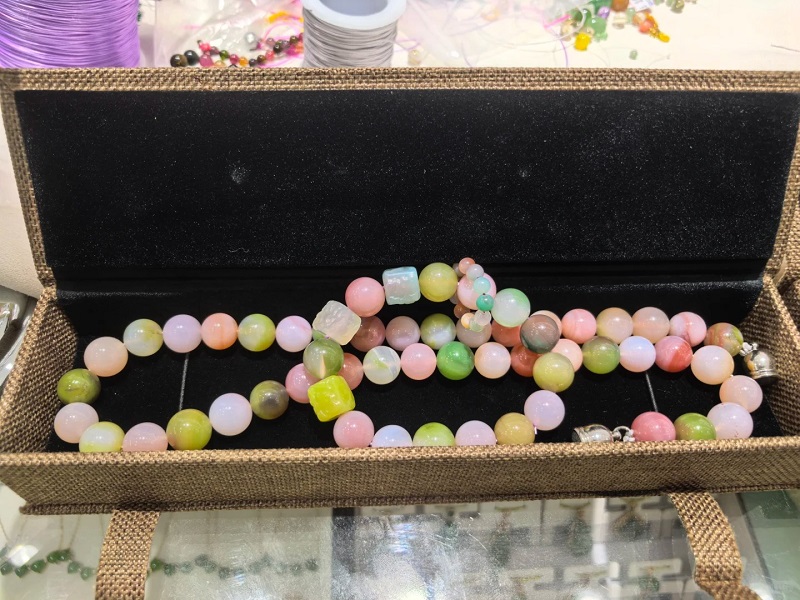
Yes, bargaining is a common part of the shopping experience at Hongqiao Market, especially at stalls selling pearls, jewelry, souvenirs, accessories and other products. The first price quoted by a seller may not always be the final price, so visitors are generally welcome to negotiate politely.
However, bargaining should be approached as a friendly conversation rather than a confrontation. Sellers may explain the quality, size, material or craftsmanship of a product before offering a different price. In many cases, the final price depends on the type of item you choose, the number of products you buy and your ability to compare different stalls.
If you are shopping for pearls or jewelry, it is especially important not to focus only on getting the lowest possible price. A very low price may reflect differences in pearl quality, materials, design or workmanship. Before negotiating, take time to understand what you are buying and compare similar products from several sellers.
Simple Bargaining Tips
Compare prices at several stalls before making a decision. This helps you understand the general price range and gives you a better basis for negotiation.
Do not reveal your maximum budget at the beginning. Start with a reasonable offer and see how the seller responds.
Keep the conversation polite and relaxed. A friendly attitude usually makes the shopping experience more enjoyable for both sides.
If the price is still too high, you can politely say no and leave. In many cases, the seller may offer a better price, but you should never feel pressured to buy.
When purchasing several items, ask whether the seller can offer a combined price.
Confirm the final price, product details and any included accessories before paying.
For valuable pearls or jewelry, do not judge the price only by appearance. Ask about the pearl type, size, luster, surface quality and material of the setting.
If a certificate, receipt or guarantee is offered, check that it clearly corresponds to the item you are purchasing.
Avoid making a purchase simply because you have spent a long time negotiating. If you are not satisfied with the product or price, it is perfectly acceptable to walk away.
What Is the Best Time to Visit Beijing Pearl Market?
Best Time of Day
Beijing Pearl Market is generally open throughout the day, but the best time to visit depends on the type of shopping experience you prefer.
Visiting in the morning is a good choice if you want a quieter and more relaxed experience. The market is usually less crowded when it first opens, making it easier to browse different stalls, compare pearl styles and speak with shopkeepers. Morning visits are especially suitable for travelers who plan to make a careful purchase or who want to combine the market with a visit to the nearby Temple of Heaven.
The afternoon is often the busiest period, particularly during weekends and public holidays. More visitors may be shopping at the same time, but the market also feels more lively and energetic. If you enjoy the atmosphere of a traditional Chinese shopping market, the afternoon can be a good time to visit. However, you should allow extra time for browsing and moving between different floors or shops.
Weekdays are usually more comfortable than weekends because there are fewer tourists and local shoppers. This gives you more time to compare products and negotiate prices without feeling rushed. Weekends can be busier, but they are also a good option for travelers whose schedules are limited. If you visit on a weekend, arriving earlier in the day is recommended.
For the most comfortable experience, try to avoid the busiest afternoon hours on weekends and public holidays. It is also a good idea to check the latest opening information before your visit, especially during major Chinese holidays.
How Long Should You Spend There?
Most visitors should plan to spend around 1–2 hours at Beijing Pearl Market. This is enough time to walk through the main shopping areas, look at pearls and jewelry, browse souvenirs and compare prices at several stalls.
If you are mainly interested in sightseeing and want to experience the market atmosphere, one hour may be sufficient. However, visitors who plan to buy pearls, jewelry or other valuable items should allow more time. Comparing different shops, checking product details, discussing prices and deciding what to purchase can easily take two to three hours.
Travelers who combine Hongqiao Market with the Temple of Heaven should usually allow at least half a day for both attractions. A practical itinerary is to visit the Temple of Heaven in the morning, have lunch nearby and then spend the afternoon exploring Hongqiao Market. This schedule allows enough time for sightseeing without making the shopping experience feel rushed.
What to Know Before Buying Pearls in Beijing
Buying pearls at Beijing Pearl Market can be an enjoyable part of your Beijing shopping experience, but it is important to take your time and understand what you are purchasing. The market offers pearls at many different price points, from affordable freshwater pearl jewelry to more expensive pieces made with higher-grade pearls. Prices can vary depending on the type of pearl, size, shape, color, luster, surface quality and craftsmanship.
Before making a purchase, compare several shops and ask the seller clear questions about the product. Do not feel pressured to buy immediately, especially if you are unfamiliar with pearls or jewelry. A friendly and careful approach will help you make a more informed decision.
Are the Pearls Real?
Pearls sold at Hongqiao Market may include freshwater pearls, cultured pearls and other types of pearl jewelry. The price can vary considerably depending on the pearl's quality and the design of the finished product. Lower-priced items may be suitable as souvenirs or gifts, while higher-priced pieces should be examined more carefully before purchase.
It is important not to judge a pearl only by its appearance or by the seller's description. Ask what type of pearl it is, where it comes from and how the price was determined. You can also compare the size, shape, surface, color and luster of similar pieces at different stalls.
Some sellers may describe a product as "natural," "high quality" or "special grade," but these terms do not always provide enough information to determine the actual value. Similarly, a certificate alone does not automatically mean that the jewelry is valuable or that the certificate matches the item being sold. If you are considering an expensive purchase, ask the seller to explain the details clearly and take time to compare the product with similar items elsewhere in the market.
Can You Get a Certificate?
Some jewelry shops may provide a certificate or product document, particularly for more expensive pearl jewelry. Before paying, ask whether a certificate is included and what information it contains. Ideally, the document should clearly correspond to the item you are buying and include details such as the type of pearl, size, color or other relevant characteristics.
If a certificate is provided, check that the description matches the actual necklace, earrings or bracelet. You can also ask whether the certificate is issued by the shop or by an independent testing organization. For high-value jewelry, it is wise to request more detailed documentation and avoid relying only on verbal promises.
Keep the certificate, receipt and any other purchase documents together after payment. These may be useful if you need to confirm the product details, request an exchange or contact the seller later. However, remember that a certificate should be treated as supporting information rather than the only basis for deciding whether a piece is worth its price.
Can You Return or Exchange Jewelry?
Return and exchange policies can vary from one shop to another, so ask about them before completing your purchase. Some sellers may allow an exchange within a certain period, while others may consider jewelry sales final. Custom-made items, resized pieces or specially arranged products may have different conditions.
Before paying, confirm the final price, payment method, return policy and exchange conditions. If you are buying an expensive item, ask whether the shop provides a written receipt and whether the receipt includes the product description. It is also helpful to take a photo of the item and its packaging before leaving the market.
Once you have agreed to buy, check the jewelry carefully. Make sure the clasp works properly, the pearls are securely attached and the item matches what you selected. If anything is unclear, resolve it with the seller before payment. Taking a few extra minutes at the market can help avoid misunderstandings later.
Tips for Foreign Visitors
Visiting Beijing Pearl Market is generally convenient for international travelers, but a little preparation can make your shopping experience smoother and more enjoyable. The market can be busy, and different vendors may have different prices, product descriptions and payment preferences, so it is important to take your time and confirm the details before making a purchase.
Bring Identification for Valuable Purchases
If you plan to buy expensive jewelry or other valuable items, bring your passport or another form of identification. Some purchases may require identification, especially when the seller provides a receipt, certificate or other documentation. It is also a good idea to keep all purchase records in a safe place until you leave China.
Use a Translation App
A translation app can be very helpful when discussing pearl quality, materials, sizes, origins and customization options. Simple English may be enough for basic shopping, but more detailed conversations can sometimes be difficult. You can prepare a few useful questions in advance, such as “What type of pearl is this?”, “Is this freshwater pearl?”, “Can I see another one?” and “What is your best price?”
Compare Products at Several Shops
Before buying, compare similar products at several shops. Prices can vary considerably depending on the vendor, the quality of the pearls, the design and your bargaining skills. Avoid making a quick decision at the first stall unless you are completely confident about the product and price.
Confirm the Final Price
Always confirm the final price before payment. Make sure you understand whether the quoted price is for one item, a pair, a complete set or a customized piece. If the product is made or adjusted for you, confirm the size, color, materials and completion time before placing the order.
Keep Receipts and Certificates
For expensive purchases, ask for a receipt and keep it together with any certificate, warranty or product information provided by the seller. Check that the documents match the item you purchased. If you are buying high-value jewelry, do not rely only on verbal promises or the appearance of a certificate. Ask clear questions about the product and consider whether the price is appropriate for its quality.
Prepare a Backup Payment Method
Electronic payment is widely used in Beijing, but international visitors should prepare a backup payment method. Some vendors may accept major mobile payment platforms, cards or cash, while others may prefer a particular payment method. Before completing the transaction, confirm the amount shown on the payment screen and make sure you receive the correct change if paying in cash.
Keep Your Belongings Secure
Finally, keep your belongings secure while walking through the market. Hongqiao Market can become crowded, especially during busy shopping hours. Carry your wallet, passport and phone carefully, and avoid displaying large amounts of cash. With basic preparation and careful comparison, foreign visitors can enjoy the market as both a shopping destination and a lively introduction to Beijing's local market culture.
Frequently Asked Questions
Is Beijing Pearl Market the Same as Hongqiao Market?
Yes. Beijing Pearl Market, Hongqiao Pearl Market and Hongqiao Market generally refer to the same destination, officially known as 红桥市场. Besides pearls and jewelry, it also sells silk, tea, souvenirs, bags and accessories.
Is Beijing Pearl Market Worth Visiting?
It is worth visiting if you enjoy local markets, bargaining and pearl shopping. Its location near the Temple of Heaven also makes it convenient to combine both attractions in one day. Compare prices and product quality before buying.
Can You Bargain at Hongqiao Market?
Yes, bargaining is common. Ask politely for the best price, compare several shops and walk away if necessary. For expensive jewelry, prioritize quality and reliable information over the lowest price.
How Long Do You Need at Beijing Pearl Market?
Most visitors need one to two hours. Allow two to three hours if you plan to shop seriously for pearls or jewelry.
Is Hongqiao Market Near the Temple of Heaven?
Yes. Many visitors visit the Temple of Heaven in the morning and then go to Hongqiao Market for shopping and lunch. Check current maps and opening hours before visiting.
What Should I Buy at Beijing Pearl Market?
Popular choices include pearl jewelry, silk scarves, tea, tea sets and traditional souvenirs. Ask about pearl type, quality and price, and compare similar products before purchasing.
Is Beijing Pearl Market Tourist-Friendly?
Yes, but a translation app can help with detailed questions. For expensive purchases, confirm the final price, request a receipt, ask about certificates and return policies, and keep personal belongings secure in the crowded market.