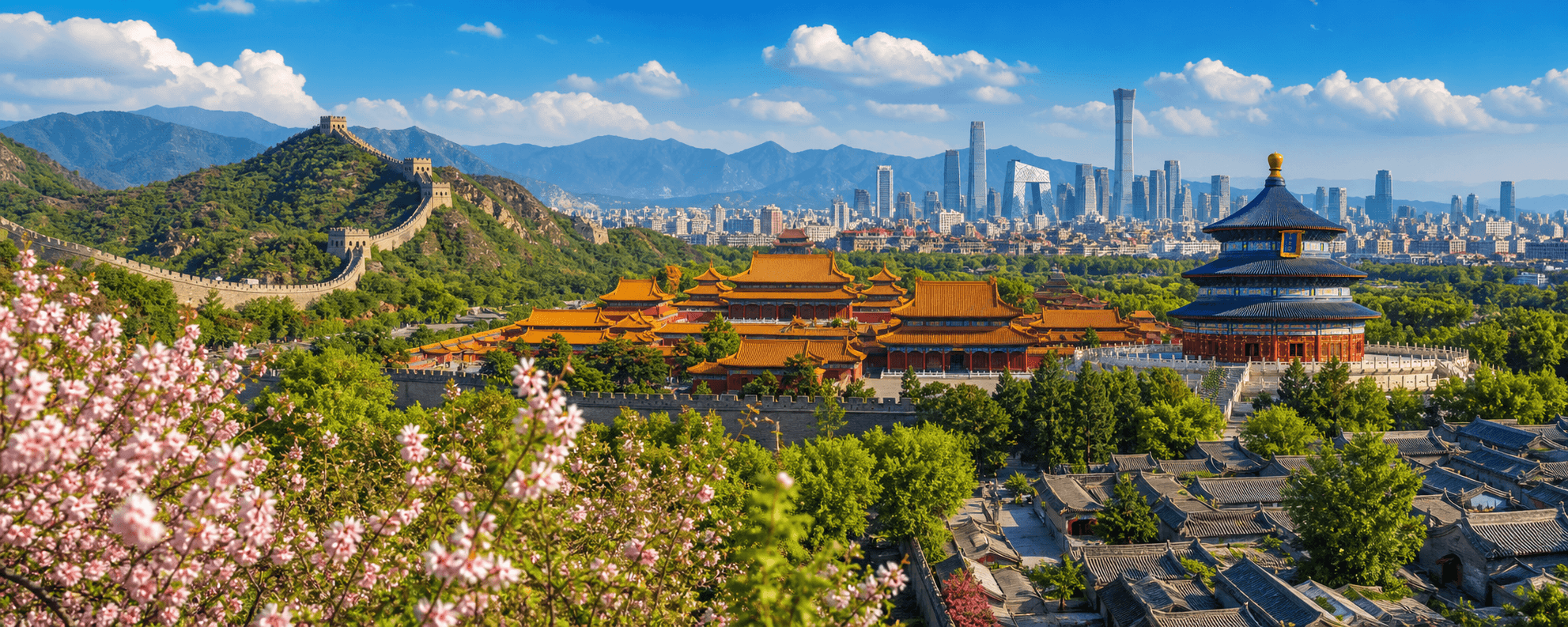
Located in the center of Beijing, the Forbidden City, also known as the Palace Museum, is one of the world's most remarkable historical landmarks. Once the imperial palace of China's Ming and Qing dynasties, it served as the political and ceremonial center of the country for nearly 500 years, where 24 emperors ruled over the vast Chinese empire.
Covering more than 720,000 square meters with nearly 1,000 buildings, the Forbidden City is one of the largest and best-preserved ancient wooden architectural complexes in the world. Behind its iconic red walls and golden roofs lies a fascinating combination of traditional Chinese architecture, royal culture, and priceless historical collections.
Today, the Palace Museum welcomes visitors from around the world to explore its magnificent halls, peaceful courtyards, and extraordinary artworks. A visit to the Forbidden City is not only a journey through Beijing's most famous attraction but also an opportunity to experience over 600 years of Chinese history, traditions, and imperial heritage.
Why Visit the Forbidden City?
Walk Through 600 Years of Chinese Imperial History
The Forbidden City offers a unique chance to step into the world of China's ancient emperors. From 1420 to 1912, it was home to 24 emperors of the Ming and Qing dynasties and served as the center of political power, where important ceremonies, royal decisions, and historical events took place.
Walking through the grand gates and palace halls, visitors can discover stories of emperors, royal families, and palace life while experiencing the atmosphere of China's imperial era.
Admire Stunning Ancient Chinese Architecture
The Forbidden City is a masterpiece of traditional Chinese architecture, designed according to ancient principles of symmetry, balance, and hierarchy. The complex follows a strict north-south central axis, with the most important buildings placed along the main route.
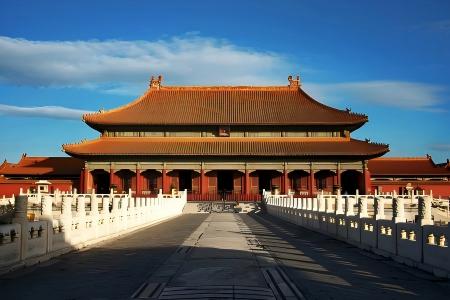
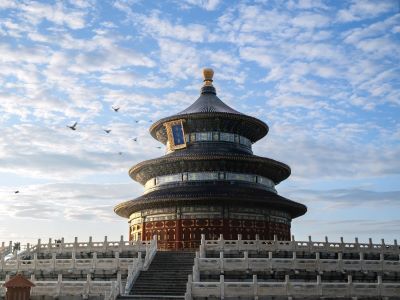
From the impressive red walls and golden glazed roofs to the magnificent palace gates and detailed decorations, every architectural element reflects the power, philosophy, and artistic achievements of ancient China. The iconic Hall of Supreme Harmony, the largest ceremonial building in the Forbidden City, remains one of the highlights for first-time visitors.
Discover Rare Imperial Treasures
Beyond its breathtaking architecture, the Forbidden City is also home to one of the world's richest collections of Chinese cultural treasures. The Palace Museum houses millions of artifacts, including ancient paintings, ceramics, jade works, calligraphy, royal furniture, and historical documents.
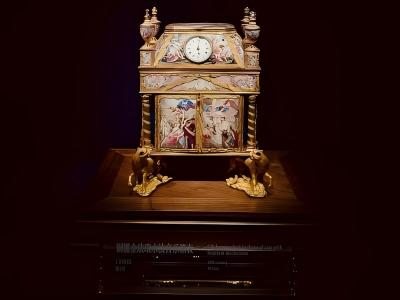
Visitors can explore the Treasure Gallery to see exquisite imperial jewelry and precious artworks, or visit the Hall of Clocks to admire unique mechanical clocks collected by Qing dynasty emperors. These collections provide a deeper understanding of China's craftsmanship, royal lifestyle, and artistic heritage.
For travelers interested in Chinese history and culture, the Forbidden City is far more than an ancient palace—it is a living museum that tells the story of China's imperial past.
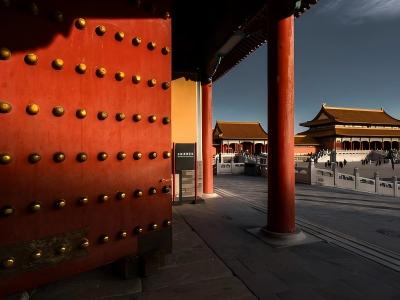
Forbidden City History: From Imperial Palace to World-Class Museum
Ming Dynasty: The Birth of the Forbidden City (1406–1420)
The history of the Forbidden City began in the early 15th century during the Ming Dynasty. In 1406, Emperor Yongle (朱棣 Zhu Di), the third emperor of the Ming Dynasty, ordered the construction of a magnificent imperial palace in Beijing after moving the capital from Nanjing to the north.
After 14 years of construction, the Forbidden City was officially completed in 1420. Built according to traditional Chinese cosmological concepts, the palace complex was designed as the ultimate symbol of imperial power, with the emperor's residence positioned at the center of the universe according to ancient beliefs.
For nearly 200 years, the Forbidden City served as the political heart of the Ming Empire, witnessing important ceremonies, royal events, and major historical changes.
Qing Dynasty: The Last Imperial Era
In 1644, the Qing Dynasty replaced the Ming Dynasty and continued using the Forbidden City as the imperial residence and government center. Although the rulers came from the Manchu ethnic group, they preserved and expanded many traditions of the palace while adding their own cultural influences.
During the reigns of powerful emperors such as Kangxi and Qianlong, the Forbidden City experienced further development. Many palace buildings were renovated, and the imperial collection grew significantly with the addition of valuable paintings, ceramics, calligraphy, and artworks.
The Forbidden City remained the center of Chinese imperial power until the end of the Qing Dynasty in 1912, when the last emperor, Puyi, abdicated the throne.
After 1925: The Palace Museum Opens
Following the end of China's imperial era, the Forbidden City was transformed from a royal palace into a public museum. In 1925, the Palace Museum was officially established, allowing ordinary visitors to enter and explore the former imperial complex for the first time.
Today, the Palace Museum preserves millions of historical artifacts and continues to showcase China's rich cultural heritage. Recognized as a UNESCO World Heritage Site since 1987, the Forbidden City has become one of the most visited museums and cultural landmarks in the world.
A visit here offers travelers the opportunity to explore not only magnificent architecture but also centuries of Chinese history, art, and royal traditions.
Forbidden City Location & How to Get There
Where Is the Forbidden City Located?
The Forbidden City is located in the heart of Beijing, directly north of Tian'anmen Square and along the city's historic central axis. Its location reflects the traditional Chinese belief that the imperial palace should stand at the center of political and cultural life.
The main entrance for visitors is the Meridian Gate (午门 Wu Men) on the southern side of the palace. After exploring the complex, visitors leave through the Gate of Divine Prowess (神武门 Shenwu Men) on the northern side, which provides convenient access to nearby attractions such as Jingshan Park.
Address: No. 4 Jingshan Front Street, Dongcheng District, Beijing, China
How to Get to the Forbidden City
By Subway (Recommended)
Taking the Beijing subway is the easiest and most convenient way to reach the Forbidden City, especially during busy travel seasons when traffic around central Beijing can be heavy.
- Take Subway Line 1
- Get off at Tian'anmen East Station (天安门东) or Tian'anmen West Station (天安门西)
- Walk about 10–15 minutes to reach the Meridian Gate entrance
For international visitors, the subway is affordable, reliable, and avoids Beijing's frequent traffic congestion.
By Taxi or Ride-Hailing
Taxi and ride-hailing services such as Didi are convenient options for travelers carrying luggage or traveling with family.
When booking a ride, set your destination as "Meridian Gate (午门)" or "Forbidden City South Gate" rather than simply searching for "Forbidden City," as some navigation apps may direct you to the exit area.
Because vehicles cannot stop directly in front of the entrance, you may need to walk a short distance after being dropped off.
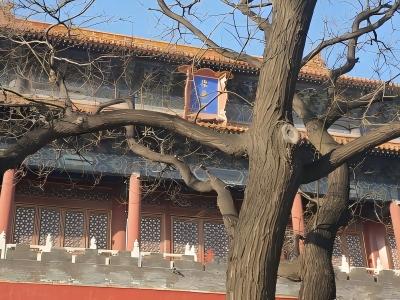
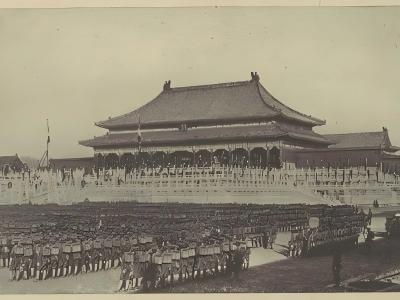
Forbidden City Opening Hours & Ticket Information
Forbidden City Opening Hours
The Forbidden City has different opening hours depending on the season, so visitors should check the latest schedule before planning their trip. The museum is generally open from Tuesday to Sunday and closed every Monday except during Chinese public holidays and special opening periods.
During peak travel seasons, such as spring holidays, summer vacation, and China's National Day holiday, visitor numbers can be very high. Arriving early in the morning is highly recommended for a more comfortable experience with fewer crowds.
Typical Opening Hours:
- April to October (Peak Season): 8:30 AM – 5:00 PM (last entry around 4:10 PM)
- November to March (Low Season): 8:30 AM – 4:30 PM (last entry around 3:40 PM)
- Closed: Every Monday (except public holidays)
Opening hours may change during special events or holidays, so travelers should confirm the latest information before visiting.
Forbidden City Ticket Price
The Forbidden City uses a seasonal ticket pricing system, with slightly different prices during peak and low seasons. Tickets include access to the main palace area, while some special exhibition areas require additional tickets.
Main Entrance Ticket:
- Peak Season (April–October): Around RMB 60 per person
- Low Season (November–March): Around RMB 40 per person
Visitors who want to explore more of the museum's collections can purchase additional tickets for:
Treasure Gallery (珍宝馆 Zhenbao Guan)
Located in the eastern part of the Forbidden City, the Treasure Gallery displays exquisite imperial collections, including jade, gold and silver objects, jewelry, and royal treasures.
Hall of Clocks (钟表馆 Zhongbiao Guan)
This exhibition features impressive mechanical clocks from China and Europe, many of which were collected by Qing dynasty emperors.
For travelers interested in Chinese history and art, adding these exhibitions can make the Forbidden City experience more complete.
How to Book Forbidden City Tickets
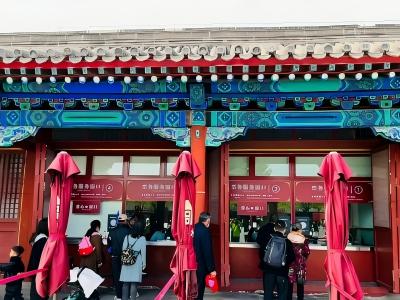
For international travelers, booking Forbidden City tickets in advance is essential. Due to daily visitor limits, tickets can sell out quickly, especially during weekends and holidays.
Book Online Before Your Visit
Visitors are required to make a reservation through official booking channels before arriving. Same-day ticket purchases are generally not available at the entrance.
Prepare Your Passport Information
Foreign visitors need to provide passport details when booking tickets. Your passport will also be checked when entering the museum, so remember to bring the same passport used for the reservation.
Choose Your Visiting Date Carefully
Tickets are usually released several days in advance. Try to reserve your preferred date and entry time as early as possible, especially if you are visiting during China's peak travel periods.
Consider a Guided Tour
For first-time visitors, a private guided tour can make the experience much more meaningful. A professional guide can explain the historical stories behind the palace halls, help with ticket arrangements, and create an efficient sightseeing route without missing important highlights.
Best Forbidden City Visiting Routes
The Forbidden City covers a huge area, and choosing the right route can greatly improve your travel experience. Whether you have only a few hours or want to explore the palace in depth, the following routes cover the most popular visiting options.
Route 1: Classic Central Axis Route (2–3 Hours)
Best for: First-time visitors, travelers with limited time
The central axis route is the most popular way to visit the Forbidden City. Following the traditional north-south layout of the imperial palace, this route covers the most important ceremonial buildings and royal spaces.
Route:
Meridian Gate (午门 Wu Men)
→ Gate of Supreme Harmony (太和门 Taihe Men)
→ Hall of Supreme Harmony (太和殿 Taihe Dian)
→ Hall of Central Harmony (中和殿 Zhonghe Dian)
→ Hall of Preserving Harmony (保和殿 Baohe Dian)
→ Palace of Heavenly Purity (乾清宫 Qianqing Gong)
→ Imperial Garden (御花园 Yu Hua Yuan)
→ Gate of Divine Prowess (神武门 Shenwu Men)
Highlights:
- Experience the classic imperial ceremony route
- See the most iconic palace buildings
- Perfect for visitors visiting Beijing for the first time
Route 2: Complete Forbidden City Exploration (Half Day)
Best for: History enthusiasts, culture lovers, photography travelers
For travelers who want a deeper understanding of imperial life, the half-day route expands beyond the central axis and explores the quieter areas of the palace.
In addition to the main halls, visitors can explore:
- East Palaces (东六宫 Dong Liu Gong): Former residences of imperial concubines and royal family members
- West Palaces (西六宫 Xi Liu Gong): Important living areas during the Qing Dynasty
- Treasure Gallery (珍宝馆): Rare imperial collections and artworks
- Hall of Clocks (钟表馆): Unique antique clocks from around the world
This route allows visitors to discover both the official side of imperial power and the daily life of the royal family.
Route 3: Forbidden City Photography Route
Best for: Photography lovers, travelers seeking unique views
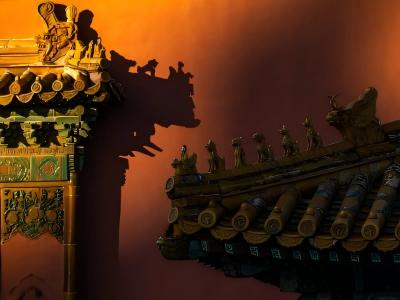
The Forbidden City is one of the best places in Beijing for architectural photography. To capture the most beautiful scenes, visit early in the morning when the courtyards are quieter and the sunlight creates dramatic shadows on the ancient buildings.
Recommended photo spots include:
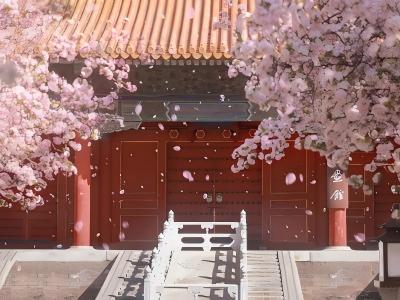
- Palace Walls and Red Gates: Classic Forbidden City scenes featuring traditional Chinese colors
- Imperial Garden: Beautiful landscapes combining ancient trees, rockeries, and royal architecture
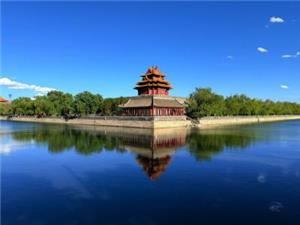
- Corner Towers (角楼 Jiaolou): One of Beijing's most iconic views, especially from outside the palace moat
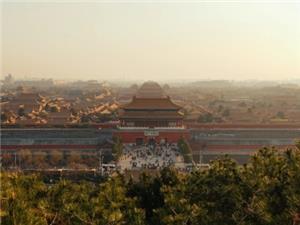
- Jingshan Park Viewpoint: A panoramic view overlooking the entire Forbidden City
For travelers who want to explore the Forbidden City with deeper historical insights and a carefully planned itinerary, our [Private Forbidden City Tour in Beijing] offers an expert English-speaking guide, assistance with ticket reservations, and a well-designed route covering the palace's most important highlights. It is an ideal choice for first-time visitors who want to fully experience the history and beauty of China's imperial palace without the hassle of planning every detail.
Top Attractions Inside the Forbidden City
The Forbidden City is home to nearly 1,000 buildings, but several iconic halls, gates, and exhibitions stand out as must-see highlights for visitors. From grand imperial ceremony halls to peaceful royal gardens, each area reveals a different side of China's ancient palace life.
Meridian Gate (Wu Men): The Grand Entrance of the Emperor's Palace
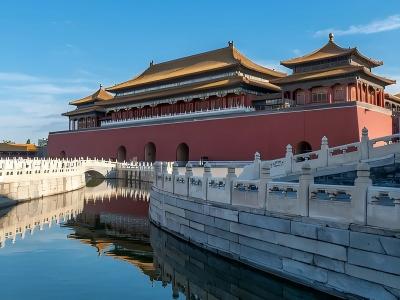
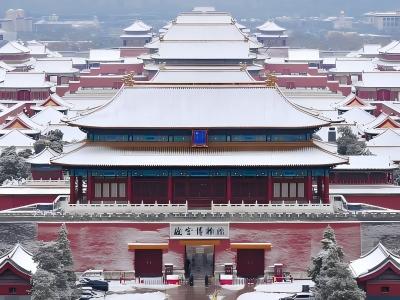
The Meridian Gate (午门 Wu Men) is the main entrance of the Forbidden City and the starting point for almost every visitor's journey. Located on the southern side of the palace complex, it is the largest and most impressive gate in the Forbidden City.
Historically, the Meridian Gate was used for important imperial ceremonies, including military celebrations and official announcements. Its powerful architecture, featuring five towers connected by walls, reflects the authority and grandeur of the emperor.
Today, visitors enter the Forbidden City through this magnificent gate before beginning their exploration of the central palace area.
Hall of Supreme Harmony: The Symbol of Imperial Power
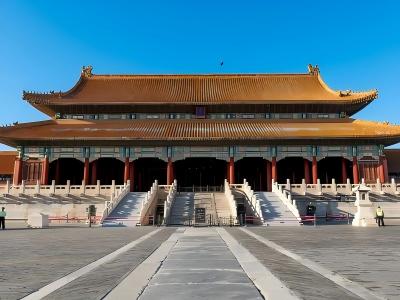
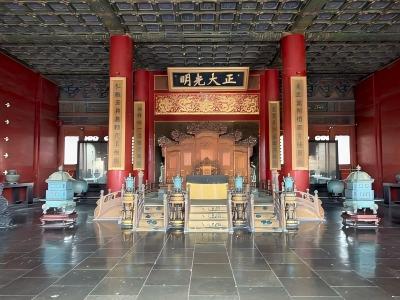
The Hall of Supreme Harmony (太和殿 Taihe Dian) is the most important and largest building in the Forbidden City. As the main ceremonial hall of the imperial palace, it was the place where emperors held major events, including coronations, royal weddings, and important celebrations.
Standing on a three-level marble terrace, the hall represents the highest level of imperial architecture in ancient China. Inside, visitors can see the emperor's throne, surrounded by intricate decorations that symbolize supreme authority and prosperity.
For first-time visitors, the Hall of Supreme Harmony is one of the most unforgettable highlights of the Forbidden City.
Hall of Central Harmony: The Emperor's Preparation Hall
The Hall of Central Harmony (中和殿 Zhonghe Dian) is a smaller but historically significant building located between the Hall of Supreme Harmony and the Hall of Preserving Harmony.
Before attending major ceremonies, emperors used this hall as a place to rest, review documents, and prepare themselves. It was also used for important occasions such as checking ceremonial texts and inspecting official documents.
Although smaller than the surrounding halls, its elegant design and central location make it an important part of the Forbidden City's ceremonial layout.
Hall of Preserving Harmony: The Final Ceremony Hall
The Hall of Preserving Harmony (保和殿 Baohe Dian) was another important ceremonial building along the central axis. During the Ming and Qing dynasties, it served different purposes, including hosting royal banquets and important palace events.
During the Qing Dynasty, the hall became the location for the highest-level imperial examinations, where candidates competed for official positions in the government.
Today, visitors can admire its grand architecture and learn about the important role education and government administration played in imperial China.
Hall of Heavenly Purity: The Emperor's Living Area
The Hall of Heavenly Purity (乾清宫 Qianqing Gong) was the emperor's main residence during the Ming Dynasty and early Qing Dynasty. It was one of the most important living spaces within the Inner Court of the Forbidden City.
The hall was not only a private residence but also a place where emperors handled daily government affairs and met with officials. During the Qing Dynasty, some emperors moved their living quarters elsewhere, but the hall remained a symbol of imperial authority.
Exploring this area provides visitors with a glimpse into the daily life, traditions, and responsibilities of China's ancient rulers.
Imperial Garden: A Peaceful Royal Landscape
Located at the northern end of the Forbidden City, the Imperial Garden (御花园 Yu Hua Yuan) offered emperors and royal family members a peaceful place to relax away from formal palace activities.
Built during the Ming Dynasty, the garden combines traditional Chinese landscaping elements, including ancient trees, decorative rockeries, pavilions, and beautiful pathways. Unlike the grand ceremonial halls, the garden provides a more personal view of royal life.
With its historic cypress trees, unique stone sculptures, and elegant architecture, the Imperial Garden is also one of the best places for photography inside the Forbidden City.
Treasure Gallery: Rare Imperial Collections
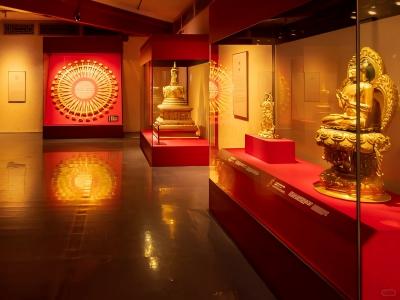
The Treasure Gallery (珍宝馆 Zhenbao Guan) is one of the most popular exhibition areas in the Forbidden City, showcasing some of the finest objects from the Qing imperial collection.
Visitors can admire exquisite treasures, including:
- Royal jewelry and gold ornaments
- Precious jade carvings
- Decorative artworks
- Imperial household items
The exhibition provides a fascinating look at the luxury, craftsmanship, and artistic achievements of China's imperial court.
For travelers interested in traditional Chinese art and history, the Treasure Gallery is highly recommended.
Hall of Clocks: Amazing Mechanical Masterpieces
The Hall of Clocks (钟表馆 Zhongbiao Guan) displays an extraordinary collection of antique clocks from China and Europe. Many of these mechanical masterpieces were gifts presented to Qing emperors by European craftsmen and diplomats.
Featuring elaborate designs, moving figures, and complex mechanisms, these clocks demonstrate the technological exchanges between China and the West during the Qing Dynasty.
The exhibition is especially popular among visitors who enjoy history, craftsmanship, and unique cultural stories.
Forbidden City Nearby Attractions
The Forbidden City is located in one of Beijing's most historic areas, surrounded by famous landmarks that showcase different aspects of Chinese history, culture, and local life. Adding these attractions before or after your visit can help you experience more of central Beijing.
Tian'anmen Square (天安门广场): The Symbol of Modern China
Located directly south of the Forbidden City, Tian'anmen Square is one of the largest public squares in the world and one of Beijing's most recognizable landmarks.
Visitors can combine Tian'anmen Square with a Forbidden City visit because they are located along the same historical central axis. Many travelers choose to visit the square in the morning before entering the Forbidden City through Meridian Gate.
Highlights:
- National Flag Raising Ceremony
- Monument to the People's Heroes
- National Museum of China
- Great Hall of the People
Recommended time: 30 minutes–1 hour
Jingshan Park (景山公园): The Best View of the Forbidden City
Located just north of the Forbidden City, Jingshan Park is one of the best places to enjoy a panoramic view of the entire palace complex.
The park's highest point, Wanchun Pavilion (万春亭 Wanchun Ting), offers a breathtaking view of the Forbidden City's red walls, golden roofs, and symmetrical layout. It is especially beautiful during sunrise, sunset, and autumn when the surrounding trees change color.
Many visitors choose to visit Jingshan Park after leaving the Forbidden City through the Gate of Divine Prowess.
Highlights:
- Panoramic Forbidden City views
- Traditional Chinese gardens
- Excellent photography spot
Recommended time: 30 minutes–1 hour
Wangfujing Street (王府井): Experience Beijing's Shopping & Food Culture
Located about 1.5 km east of the Forbidden City, Wangfujing Street is one of Beijing's most famous commercial streets, combining modern shopping centers with traditional Beijing flavors.
After visiting the historical atmosphere of the Forbidden City, travelers can explore Wangfujing for souvenirs, local snacks, and a taste of Beijing's vibrant city life.
Highlights:
- Beijing local snacks
- Shopping malls and souvenir stores
- Wangfujing Snack Street
- Nighttime city atmosphere
Recommended time: 1–2 hours
Recommended Forbidden City Nearby Route
For first-time visitors, a popular one-day Beijing itinerary is:
Tian'anmen Square → Forbidden City → Jingshan Park → Wangfujing Street
This route follows Beijing's historic center, combining imperial history, panoramic views, and local experiences in one efficient journey.
Forbidden City Travel Tips for Foreign Visitors
Visiting the Forbidden City requires some preparation because of its large size, ticket restrictions, and historical preservation rules. These practical tips will help international travelers enjoy a smoother and more comfortable experience.
Book Tickets Early
Forbidden City tickets are limited every day and require advance reservation, especially during weekends, public holidays, and peak travel seasons. Foreign visitors should book tickets several days in advance and avoid relying on same-day purchases.
Bring Your Passport
Your passport is required for ticket verification and entrance to the Forbidden City. Make sure to bring the same passport used during your reservation, as staff will check your identity before entry.
Enter from Meridian Gate
All visitors must enter the Forbidden City through the Meridian Gate (午门 Wu Men) on the southern side and exit through the Gate of Divine Prowess (神武门 Shenwu Men) on the northern side. Plan your transportation accordingly, as the entrance and exit are located at different places.
Wear Comfortable Shoes
The Forbidden City covers a huge area with long walking distances between buildings, courtyards, and exhibition halls. Comfortable walking shoes are highly recommended, especially if you plan to explore beyond the central axis route.
Visit Early in the Morning
Morning visits usually offer fewer crowds, better lighting for photography, and a more relaxed sightseeing experience. Arriving near opening time is especially recommended during busy travel periods.
Download Translation Apps
Although some signs and information boards include English translations, many details inside the Forbidden City are mainly displayed in Chinese. Translation apps can help visitors better understand historical explanations, exhibitions, and cultural information.
Check Weather Before Visiting
Most areas of the Forbidden City are outdoors, so weather conditions can greatly affect your experience. Bring sun protection during summer, an umbrella on rainy days, and warm clothing during winter visits.
Allow Enough Time for Your Visit
A quick visit can cover the main halls in around 2–3 hours, but travelers interested in history, architecture, and museum collections should plan at least half a day. Rushing through the palace may cause you to miss many hidden details and exhibitions.
Follow Museum Rules
The Forbidden City is a protected historical site, so visitors should avoid touching ancient buildings, climbing structures, or entering restricted areas. Photography is allowed in most outdoor areas, but some special exhibitions may have restrictions.
Combine with Nearby Attractions
The Forbidden City is located in the center of Beijing and is surrounded by many famous landmarks. Visitors can easily combine their trip with Tian'anmen Square, Jingshan Park, Beihai Park, or Wangfujing Street to create a complete Beijing cultural itinerary.
FAQ About Visiting the Forbidden City
How Far in Advance Should I Book Forbidden City Tickets?
It is best to book your tickets 3–7 days in advance, especially during weekends and holidays. Tickets are limited and can sell out quickly, so avoid waiting until the last minute.
Can Foreigners Visit the Forbidden City?
Yes. Foreign visitors can visit the Forbidden City, but you need to book tickets online with your passport information. Remember to bring the same passport on the visiting day for entry.
Is the Forbidden City the Same as the Palace Museum?
Yes. The Forbidden City is the former imperial palace, while the Palace Museum is the museum inside it. Most travelers use both names to refer to the same attraction.
How Long Does It Take to Visit the Forbidden City?
A typical visit takes 2–4 hours. If you want to explore exhibitions like the Treasure Gallery and Hall of Clocks, plan for around half a day.
What Is the Best Entrance for the Forbidden City?
Visitors can only enter through the Meridian Gate (午门 Wu Men) on the south side. The exit is at the Gate of Divine Prowess (神武门 Shenwu Men) on the north side, so plan your transportation accordingly.
Can I Buy Forbidden City Tickets on the Same Day?
Usually, no. The Forbidden City requires advance reservations, and same-day tickets are often unavailable. Booking early is highly recommended, especially during peak seasons.
What Should I Bring When Visiting the Forbidden City?
Bring your passport, ticket reservation information, and comfortable shoes. The palace area is large, and you will walk a lot during the visit.
What Is the Best Time to Visit the Forbidden City?
The best times are spring (April–May) and autumn (September–October) when the weather is comfortable. For fewer crowds and better photos, visit in the morning.
Is a Guided Tour Worth It?
Yes, especially for first-time visitors. A guide can explain the history behind the palace buildings, help you follow the best route, and make the visit more meaningful.
For a hassle-free experience, our [Private Forbidden City Tour in Beijing] includes an English-speaking guide, itinerary planning, and assistance with your visit.
Can I Visit the Forbidden City Without a Guide?
Yes, but you may miss many interesting stories and details. If you are interested in Chinese history and culture, a guided tour can help you understand the palace beyond just taking photos.