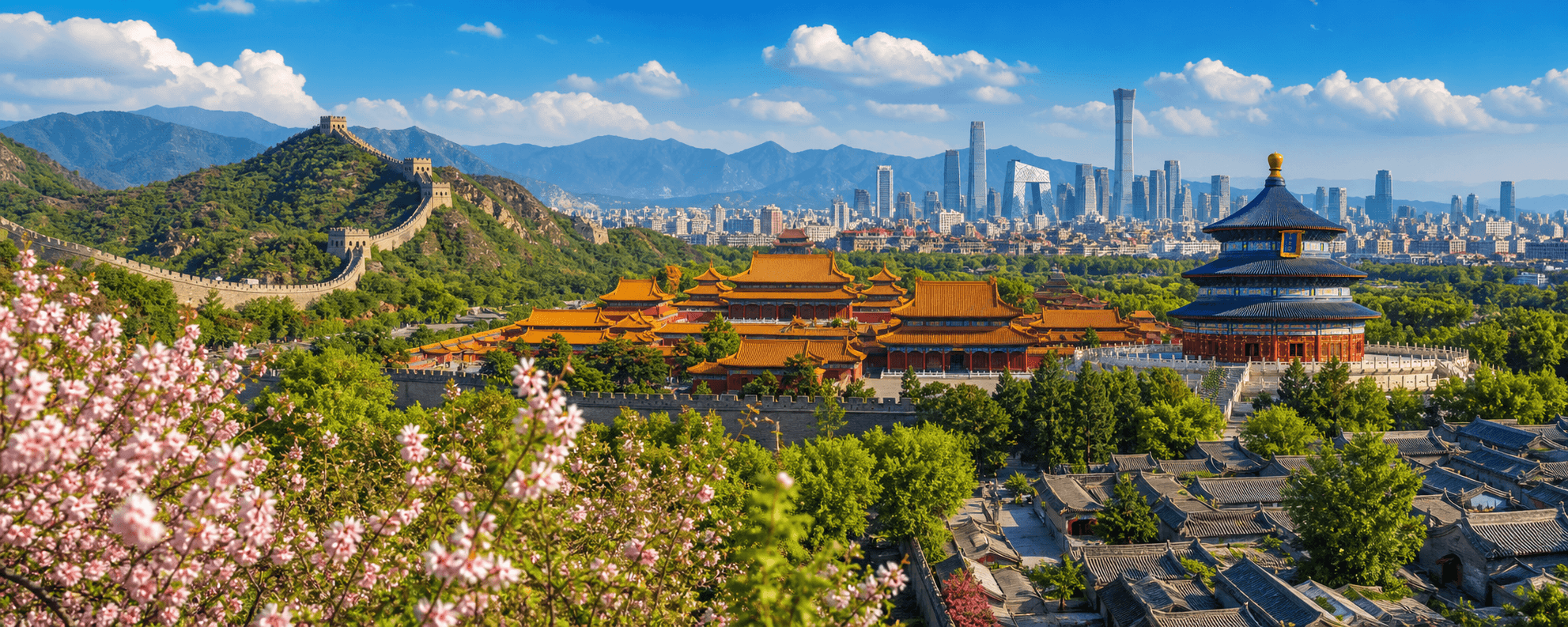
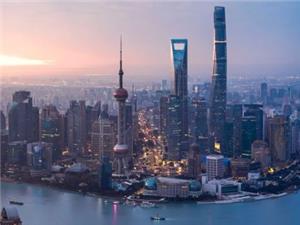
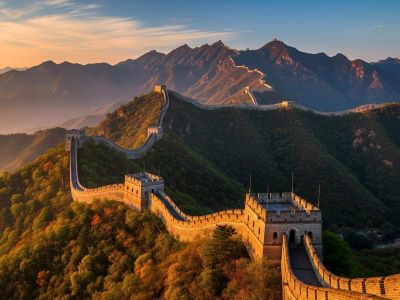
Beijing and Shanghai are China's two most iconic cities, but they offer completely different experiences. Beijing showcases China's imperial history, ancient landmarks, and traditional culture, while Shanghai combines modern skyscrapers, international influences, and vibrant city life.
Choosing between Beijing and Shanghai depends on what kind of China experience you are looking for — historical discoveries, modern city experiences, food, shopping, family activities, or a first-time China trip.
Shanghai vs Beijing: Quick Comparison
Beijing and Shanghai represent two different sides of China. Beijing highlights China's ancient history and cultural heritage, while Shanghai showcases modern city life, international influences, and a dynamic urban atmosphere.
| Beijing | Shanghai |
Best For | History, culture, traditional China | Modern city, food, shopping, skyline |
Top Highlights | Great Wall, Forbidden City, Temple of Heaven | The Bund, Shanghai Tower, Yu Garden |
Food Style | Beijing roast duck, northern cuisine | Xiaolongbao, Shanghai cuisine, Jiangnan flavors |
Trip Length | 3–5 days | 3–4 days |
Travel Style | Cultural exploration and historical sightseeing | City walks, dining, shopping, and urban experiences |
Beijing: The Best Choice for History and Culture
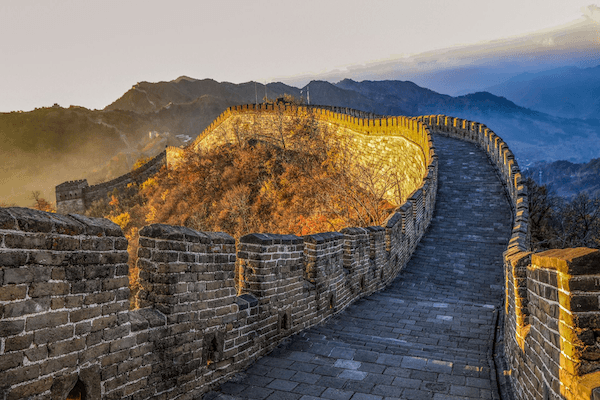
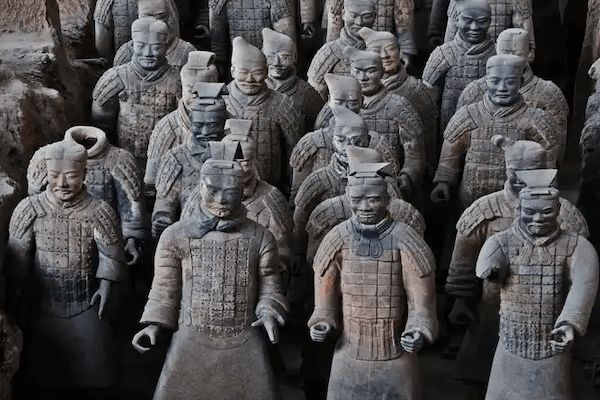
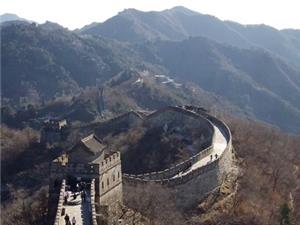
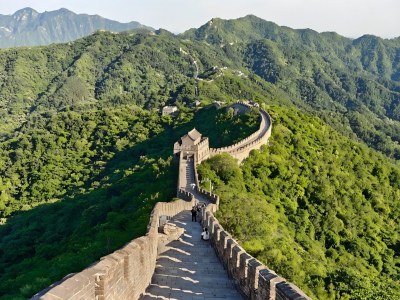
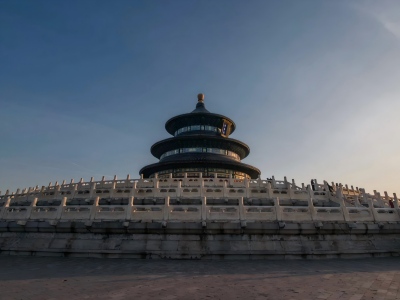
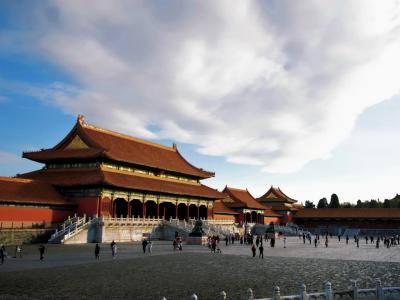
Beijing is ideal for those who want to discover China's imperial past. With landmarks such as the Great Wall, Forbidden City, and Temple of Heaven, the city offers a deeper connection to traditional Chinese history and architecture.
The downside is that Beijing is a large city, and many major attractions are spread out, so daily sightseeing often requires more planning and transportation time.
Shanghai: The Best Choice for Modern China
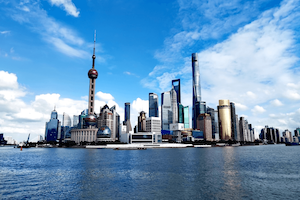
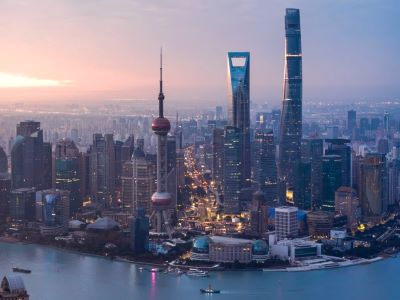
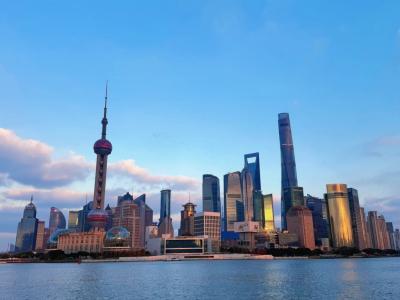
Shanghai offers a more international and easy-going city experience. The Bund skyline, modern architecture, historic neighborhoods, and diverse food scene make it a great introduction to contemporary China.
Many popular attractions are located closer together, and the city's convenient metro system makes it easier to explore independently.
Quick Recommendation:
- Choose Beijing for ancient history, cultural landmarks, and a traditional China experience.
- Choose Shanghai for modern China, food, shopping, nightlife, and a smoother first city experience.
- Have enough time? Combining both cities gives the most complete China itinerary.
Beijing vs Shanghai: Which City Is Better for a First-Time China Trip?
Choosing between Beijing and Shanghai depends on the type of China experience you want. Beijing offers a deeper connection to China's history and traditions, while Shanghai provides a more modern, international introduction to the country.
Choose Beijing for Ancient History and Traditional China
Beijing is the best choice if you want to discover China's imperial past. The city is home to some of the country's most iconic historical sites, offering a chance to explore centuries of Chinese culture, architecture, and traditions.
Top Experiences:
· Walk through the Forbidden City and explore the former imperial palace
· Visit the Great Wall of China for a once-in-a-lifetime experience
· Explore traditional hutongs and local neighborhoods
· Discover ancient temples and royal gardens
· Try classic Beijing dishes such as roast duck
Best For:
History lovers, culture enthusiasts, and anyone who wants to see China's traditional side.
Keep in Mind:
Beijing is a large city with attractions spread across different areas. A little extra planning is needed, especially for Great Wall trips and major historical sites.
Choose Shanghai for Modern China and City Experiences
Shanghai is the better choice if you want to experience China's modern lifestyle. The city combines futuristic skyscrapers, historic neighborhoods, international dining, and vibrant entertainment.
Top Experiences:
· Enjoy the skyline views from The Bund
· Visit Shanghai Tower and see the city from above
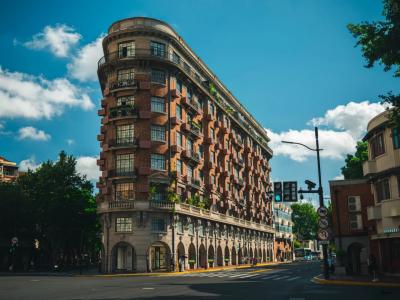
· Walk through the Former French Concession
· Taste Shanghai specialties such as Xiaolongbao
· Explore shopping streets, cafés, and nightlife areas
Best For:
Food lovers, photographers, families, and those interested in modern cities and urban experiences.
Keep in Mind:
Shanghai is easier to explore at a relaxed pace, with many attractions connected by metro and located close to central areas.
Things to Do in Beijing vs Shanghai
Beijing and Shanghai offer completely different sightseeing experiences. Beijing focuses on China's ancient history, imperial landmarks, and traditional culture, while Shanghai combines modern architecture, historic neighborhoods, food, shopping, and urban experiences.
Top Things to Do in Beijing
Beijing is the ideal destination for discovering China's history and cultural heritage. Most highlights are connected to the city's imperial past, from royal palaces and ancient temples to traditional neighborhoods.
Historical Highlights:
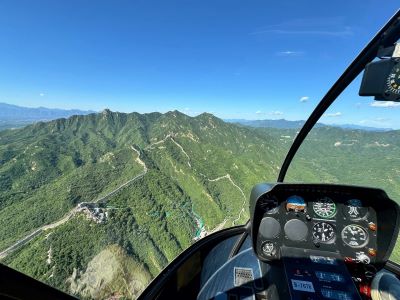
· Great Wall of China – Walk along one of the world's most famous landmarks and enjoy spectacular mountain views. Sections such as Mutianyu are popular for their beautiful scenery and easier access.
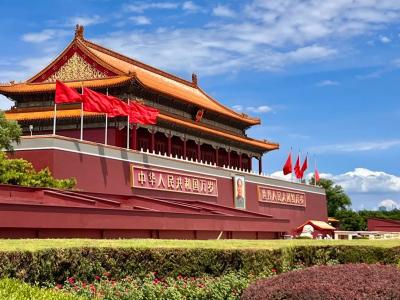
· Forbidden City – Explore the former imperial palace and discover the history of China's Ming and Qing dynasties through its grand halls, courtyards, and collections.
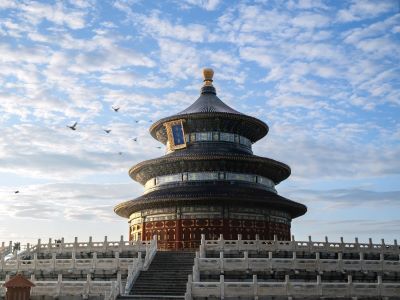
· Temple of Heaven – Visit this ancient religious complex known for its impressive architecture and peaceful surroundings.
· Summer Palace – Stroll through royal gardens, lakes, and historic buildings that once served as an imperial retreat.
· Hutong Neighborhoods – Experience old Beijing life by walking through traditional alleyways, courtyard homes, and local communities.
Unique Experiences:
· Watch traditional Chinese performances such as Peking Opera or cultural shows.
· Explore ancient architecture and learn about China's imperial history.
· Try classic Beijing cuisine, especially the famous Beijing roast duck.
· Enjoy a tea house experience or explore traditional markets.
Best For:
History lovers, culture enthusiasts, and anyone who wants to experience traditional China.
Choose Shanghai for Modern China and City Experiences
Shanghai is the better choice if you want to experience China's modern lifestyle. The city combines futuristic skyscrapers, historic neighborhoods, international dining, and vibrant entertainment.
Top Experiences:
· Enjoy the skyline views from The Bund
· Visit Shanghai Tower and see the city from above
· Walk through the Former French Concession
· Taste Shanghai specialties such as Xiaolongbao
· Explore shopping streets, cafés, and nightlife areas
Best For:
Food lovers, photographers, families, and those interested in modern cities and urban experiences.
Keep in Mind:
Shanghai is easier to explore at a relaxed pace, with many attractions connected by metro and located close to central areas.
Quick Choice Guide
Choose Beijing if you want:
· Ancient landmarks
· Chinese history and culture
· The Great Wall experience
Choose Shanghai if you want:
· Modern city life
· Food and shopping
· A smoother first introduction to China
Shanghai vs Beijing Airport: Which City Is Easier to Reach?
Both Shanghai and Beijing are major international gateways to China, with excellent flight connections and modern airport facilities. The better choice depends on your travel plans — Shanghai is more convenient for exploring East China destinations, while Beijing is the best gateway for northern China's historical attractions.
Shanghai Airports
Shanghai is served by two major airports, offering convenient connections for both international arrivals and domestic travel.
Shanghai Pudong International Airport (PVG)
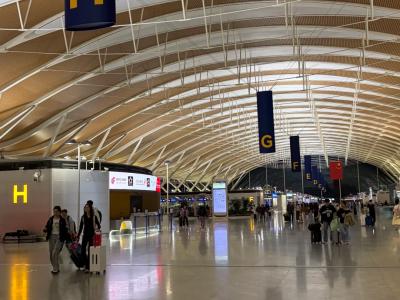
Pudong Airport is Shanghai's main international gateway and the primary airport for long-haul flights.
Highlights:
· Handles most international flights from Europe, North America, and other regions
· More direct international connections
· Connected to downtown Shanghai by Metro Line 2
· Home to the famous Maglev train, which connects the airport and city area quickly
Best For:
International arrivals, long-distance flights, and travelers continuing to destinations across East China.
Shanghai Hongqiao International Airport (SHA)
Hongqiao Airport mainly serves domestic flights and short-distance routes, making it highly convenient for regional travel.
Highlights:
· Close to central Shanghai
· Connected directly with Hongqiao Railway Station
· Easy access to high-speed trains to Hangzhou, Suzhou, and other nearby cities
Shanghai Airport Advantage:
Shanghai is one of the best entry points for an East China itinerary. From Shanghai, it is easy to continue to destinations such as Hangzhou, Suzhou, Huangshan, and nearby water towns by high-speed train.
Beijing Airports
Beijing also has two major airports, serving international flights, domestic connections, and northern China routes.
Beijing Capital International Airport (PEK)
Capital Airport is Beijing's traditional international airport and one of China's busiest aviation hubs.
Highlights:
· Strong international flight network
· Convenient connections with many global cities
· Located northeast of central Beijing
Best For:
International arrivals and travelers planning to explore Beijing's historic attractions.
Beijing Daxing International Airport (PKX)
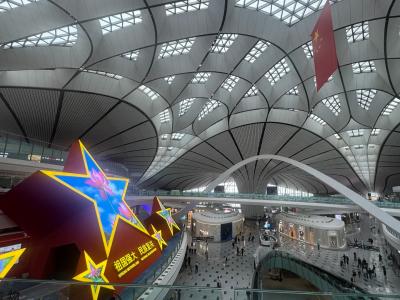
Daxing Airport is Beijing's newest airport, known for its modern design and advanced facilities.
Highlights:
· Large, modern terminal with efficient facilities
· Increasing number of international and domestic routes
· Connected to the city by airport express services and metro
Beijing Airport Advantage:
Beijing is a strong gateway for exploring northern China, including the Great Wall, Tianjin, and other historical destinations.
Quick Recommendation: Shanghai or Beijing Airport?
Choose Shanghai Airport if you:
· Plan to visit Hangzhou, Suzhou, Huangshan, or East China
· Want easier connections with high-speed trains
· Prefer combining multiple Jiangnan destinations
Choose Beijing Airport if you:
· Focus on the Great Wall and northern China
· Want direct access to China's historical capital
· Plan a Beijing-focused itinerary
Transportation: Shanghai vs Beijing
Both Shanghai and Beijing have well-developed transportation systems with extensive metro networks, taxis, and ride-hailing services. However, the travel experience is quite different. Shanghai is more compact and easier to explore independently, while Beijing is a larger city where attractions are more spread out.
Getting Around Shanghai
Shanghai is one of the easiest major cities in China to explore. Many popular attractions are located in central areas, making it convenient to combine metro rides, walking routes, and short taxi trips.
Transportation Highlights:
· The Shanghai Metro connects most major attractions, shopping areas, and neighborhoods.
· Popular areas such as The Bund, Nanjing Road, Yu Garden, Xintiandi, and the Former French Concession are easy to reach.
· Walking is one of the best ways to experience Shanghai's historic streets, cafés, and city atmosphere.
· Taxis and ride-hailing apps are affordable options for rainy days, luggage, or late-night transportation.
Tips for Exploring Shanghai:
· Group attractions by area to create efficient sightseeing routes.
· Use the metro during peak hours to avoid traffic delays.
· Combine metro rides with walking to discover hidden streets and local neighborhoods.
Local Tip:
Shanghai is especially friendly for independent exploration. A simple combination of metro, walking, and occasional taxi rides is usually enough to experience the city's main highlights.
Best For:
First-time visitors, families, photographers, and anyone who prefers a flexible city itinerary.
Getting Around Beijing
Beijing also has an excellent transportation network, but the city is much larger geographically. Many major attractions are located far apart, so daily planning is more important.
Transportation Highlights:
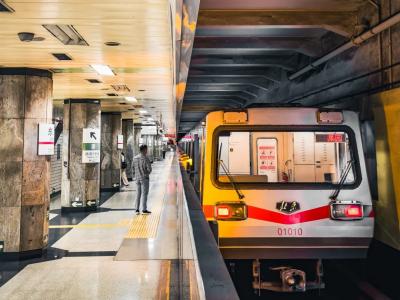
· The Beijing Subway covers most major sightseeing areas and is the most economical way to travel around the city.
· Taxis and ride-hailing services are useful for longer distances and busy travel days.
· Private transportation is a good option for Great Wall visits, especially for sections such as Mutianyu.
Tips for Exploring Beijing:
· Plan attractions by location to reduce time spent traveling across the city.
· Allow extra time between major landmarks due to longer distances and traffic.
· Start early for popular attractions such as the Forbidden City and Great Wall.
Best For:
Those interested in history, culture, and major landmarks who are comfortable with a more structured itinerary.
Quick Comparison: Shanghai vs Beijing Transportation
| Shanghai | Beijing |
City Layout | More compact and easier to navigate | Larger with attractions spread out |
Best Way to Explore | Metro + walking + short taxi rides | Metro + planned routes + occasional private transport |
Independent Travel | Easier for first-time visitors | Requires more route planning |
Main Challenge | Crowded metro during rush hours | Longer distances between attractions |

Shanghai vs Beijing Food Comparison
Food is one of the best ways to experience the difference between Shanghai and Beijing. Beijing cuisine reflects northern China's bold flavors and imperial traditions, while Shanghai cuisine represents Jiangnan culture with delicate flavors, fresh ingredients, and refined cooking techniques.
Shanghai Food Highlights
Shanghai cuisine is known for its elegant flavors, fresh seasonal ingredients, and unique Jiangnan cooking style. Many local dishes balance sweetness, richness, and natural flavors, making Shanghai a great destination for food lovers.
Must-Try Shanghai Dishes:
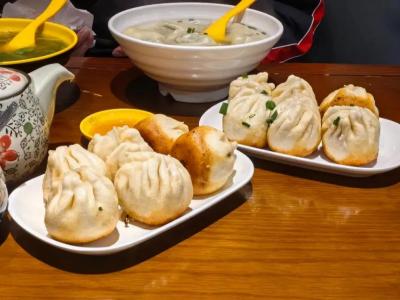
· Xiaolongbao (Soup Dumplings) – Shanghai's most iconic food, featuring thin wrappers filled with juicy pork and flavorful soup inside.
· Shengjian Mantou (Pan-Fried Pork Buns) – A popular local breakfast specialty with a crispy bottom, soft dough, and savory meat filling.
· Hong Shao Rou (Braised Pork Belly) – A classic Shanghai dish slow-cooked with soy sauce, creating a rich flavor and tender texture.
· Hairy Crab – A famous seasonal delicacy usually enjoyed from September to November, known for its sweet meat and golden roe.
· Longjing Tea Cuisine – Popular in nearby Hangzhou and the Jiangnan region, where Longjing tea is used to add a fresh aroma to dishes.
Food Style:
Delicate, slightly sweet, and focused on fresh ingredients. Shanghai cuisine reflects the refined lifestyle and water-town culture of the Jiangnan region.
Best Food Experiences:
· Traditional breakfast shops
· Local Shanghai restaurants
· Seasonal seafood dining
· Food streets and neighborhood eateries
Beijing Food Highlights
Beijing cuisine reflects the city's history as China's imperial capital. Influenced by northern cooking traditions and palace cuisine, Beijing dishes are often richer, more savory, and more filling.
Must-Try Beijing Dishes:
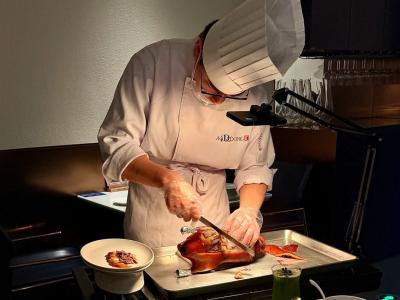
· Beijing Roast Duck – The city's most famous dish, known for crispy skin, tender meat, and traditional serving methods.
· Zhajiang Noodles – A classic Beijing comfort food made with noodles, fermented soybean paste, and fresh vegetables.
· Jianbing (Chinese Crepes) – A popular street breakfast combining eggs, sauces, and crispy toppings.
· Lamb Hotpot – A traditional northern dish especially popular during colder months.
· Imperial Cuisine – Elegant dishes inspired by royal dining traditions from Beijing's palace culture.
Food Style:
Rich, hearty, and influenced by northern Chinese traditions. Beijing cuisine focuses on strong flavors, noodles, meat dishes, and traditional cooking methods.
Best Food Experiences:
· Historic restaurants
· Traditional Beijing food streets
· Imperial-style dining experiences
· Local breakfast spots
Shanghai vs Beijing: Cost Comparison
Shanghai and Beijing have similar overall travel costs. Neither city is significantly more expensive, but the way you spend your money can be quite different. Shanghai is often easier for a short city break, while Beijing may require more time and transportation planning.
Accommodation and Daily Expenses
Shanghai offers a wide range of accommodation, from international hotels to boutique stays in central neighborhoods. Many areas are well connected by metro, making it easier to choose a convenient location without spending extra time on transportation.
Beijing has plenty of accommodation options, especially near historic areas such as the Forbidden City and traditional hutongs. Staying close to major attractions can be helpful, but traveling between different sightseeing areas may take more time.
For food and daily expenses, both cities offer options for different budgets, from local restaurants and street food to high-end dining experiences.
Transportation and Sightseeing Costs
Shanghai is generally easier to manage on a daily budget because many popular attractions are located in central areas. A combination of metro, walking, and short taxi rides is usually enough for most sightseeing routes.
Beijing's major attractions are more spread out, so transportation can take a larger part of your daily schedule. Trips to places such as the Great Wall may also require additional planning and transportation costs.
Which City Offers Better Value?
Choose Shanghai if you want:
· Easy city exploration
· Shorter travel distances
· A flexible itinerary with more time for food, shopping, and neighborhoods
Choose Beijing if you want:
· World-famous historical landmarks
· Traditional Chinese culture
· A deeper cultural experience
Quick Tip:
For a first China trip with limited time, Shanghai often feels easier to plan and explore. Beijing may require a slightly slower pace, but it offers some of China's most unforgettable historical experiences.
Shanghai or Beijing for Different Types of Trips?
Shanghai and Beijing offer two completely different sides of China. Shanghai focuses on modern city experiences, food, shopping, and convenient sightseeing, while Beijing is known for its ancient history, cultural landmarks, and traditional atmosphere.
Best City for Food Lovers
Choose Shanghai
Shanghai has a slight advantage for food lovers thanks to its diverse dining scene and unique Jiangnan flavors. From Xiaolongbao and Shengjian mantou to Shanghai-style braised dishes and seasonal hairy crab, the city offers plenty of opportunities to explore local cuisine.
Beijing is also a great food destination, especially for classic dishes such as Beijing roast duck and Zhajiang noodles. However, Shanghai's combination of traditional restaurants, modern cafés, and international dining makes it easier to enjoy different food experiences in one trip.
Best For: Food lovers who enjoy local specialties, restaurants, and neighborhood food exploration.
Best City for Family Trips
Choose Shanghai
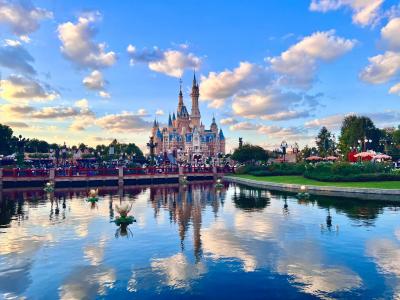
Shanghai is often the easier choice for family trips because many attractions are modern, interactive, and easy to reach. Shanghai Disneyland, Shanghai Ocean Aquarium, museums, parks, and Huangpu River cruises offer experiences suitable for different ages.
Beijing is a great option for families interested in history, with highlights such as the Great Wall, Forbidden City, and cultural museums. However, attractions are more spread out, which may require more travel time.
Best For: Families looking for a balance of entertainment, sightseeing, and convenient transportation.

Best City for Shopping
Choose Shanghai
Shanghai is one of China's best shopping cities, offering everything from luxury malls and international brands to local designer stores and lifestyle boutiques. Areas such as Nanjing Road, Huaihai Road, and Xintiandi combine shopping with dining and city experiences.
Beijing also has excellent shopping options, especially for traditional crafts and local products, but Shanghai offers a more modern and international shopping atmosphere.
Best For: Travelers who enjoy fashion, brands, lifestyle shopping, and urban experiences.
Best City for Photography
Choose Based on Your Style
Shanghai is ideal for modern city photography, with its famous skyline, futuristic architecture, and beautiful night views along the Huangpu River. The Bund, Shanghai Tower, and Former French Concession are some of the city's most photogenic areas.
Beijing is better suited for traditional Chinese scenery, including ancient architecture, imperial palaces, and historic landmarks such as the Forbidden City and Great Wall.
Best For: Shanghai for skyline and urban photography; Beijing for history and traditional architecture.
Best City for History and Culture
Choose Beijing
Beijing remains the better choice for experiencing China's ancient history. As the former imperial capital, it offers world-famous landmarks including the Forbidden City, Temple of Heaven, Summer Palace, and the Great Wall.
Shanghai has a fascinating history as a global port city, but its appeal is more focused on modern development, international culture, and urban lifestyle.
Best For: Those who want to discover China's traditions, imperial history, and cultural heritage.
Can You Visit Both Shanghai and Beijing?
Yes. Combining Shanghai and Beijing is one of the best ways to experience China for the first time. Shanghai shows the modern side of China with its skyline, food, shopping, and international atmosphere, while Beijing reveals the country's ancient history through imperial landmarks and traditional culture.
A Shanghai and Beijing itinerary offers a complete China experience, combining modern city life with thousands of years of history.
Recommended Itinerary: 7–10 Days in China
A 7–10 day trip allows enough time to explore both cities at a comfortable pace.
Shanghai (3–4 Days)
Start your journey in Shanghai and experience the city's highlights, including The Bund, Shanghai Tower, Yu Garden, the Former French Concession, and local food neighborhoods. Shanghai also works as a convenient base for nearby destinations such as Hangzhou and Suzhou.
Beijing (3–4 Days)
Continue to Beijing to explore China's historic landmarks, including the Forbidden City, Great Wall, Temple of Heaven, and traditional hutongs.
Add Hangzhou or Suzhou (1–2 Days)
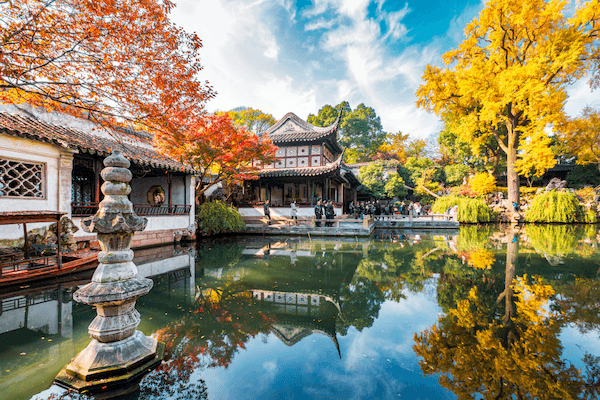
If you have extra time, add a Jiangnan cultural experience with West Lake in Hangzhou, classical gardens in Suzhou, and traditional water towns.
Transportation Between Shanghai and Beijing
Traveling between Shanghai and Beijing is easy with China's high-speed rail network.
The high-speed train takes around 4.5–6.5 hours, depending on the train type. Trains connect Shanghai Hongqiao Station and Beijing's major railway stations, offering a comfortable alternative to flying.
Travel Tip:
A popular route is:
Shanghai → Hangzhou/Suzhou → Beijing
This route combines modern city experiences, Jiangnan scenery, and China's most famous historical landmarks in one journey.
Final Verdict: Shanghai or Beijing Which One Should You Choose?
There is no single answer between Shanghai and Beijing — the better choice depends on the type of China experience you are looking for.
Shanghai and Beijing represent two different sides of China. Shanghai offers a smoother introduction to modern China with its skyline, food, shopping, and convenient city experiences, while Beijing provides a deeper connection to China's history, traditions, and ancient landmarks.
Choose Shanghai If You Want a Modern China Experience
Shanghai is the better choice if you are interested in:
· A modern skyline and world-class architecture
· Diverse food experiences and local neighborhoods
· Shopping, cafés, and nightlife
· Easy city exploration with convenient transportation
· A relaxed first introduction to China
Best Experiences:
Walk along The Bund at sunset, explore the Former French Concession, taste local Shanghai dishes, visit Shanghai Tower, and take day trips to nearby destinations such as Hangzhou and Suzhou.
Best For:
First-time China trips, families, food lovers, photographers, and travelers who prefer a flexible city itinerary.
Choose Beijing If You Want China's History and Culture
Beijing is the ideal choice if your main goal is discovering China's traditional heritage.
Best Experiences:
Visit the Forbidden City, walk on the Great Wall, explore the Temple of Heaven, discover traditional hutongs, and experience classic northern Chinese cuisine.
Best For:
History lovers, culture enthusiasts, and those who want to understand China's imperial past.
Local Recommendation: Which City Should You Visit First?
If you only have 3–4 days in China, Shanghai is often easier to enjoy because major attractions are closer together and the city offers a wider range of experiences within a shorter time.
If you have 7–10 days, combining Shanghai and Beijing is the ideal choice. You can experience China's modern lifestyle in Shanghai, explore ancient history in Beijing, and add Hangzhou or Suzhou for Jiangnan scenery and culture.
Exclusive Planning Tip:
For many first-time visitors, starting in Shanghai can create a smoother arrival experience. The city is highly international, easy to navigate, and connects well with nearby destinations such as Hangzhou and Suzhou. From Shanghai, continuing to Beijing
creates a natural journey from modern China to ancient China.
Shanghai or Beijing: Frequently Asked Questions
Is Shanghai or Beijing better for a first-time China trip?
Shanghai is often easier for a first China trip because it offers convenient transportation, modern attractions, great food, and easy sightseeing routes. Beijing is the better choice if you want to experience China's history, the Great Wall, and traditional culture.
If you have enough time, visiting both cities is the best way to experience different sides of China.
Is Shanghai more modern than Beijing?
Yes. Shanghai is generally considered more modern and international, with its futuristic skyline, global business districts, luxury shopping areas, and diverse dining scene.
Beijing has a more historical character, combining modern development with imperial landmarks, traditional neighborhoods, and cultural heritage sites.
Which city is cheaper, Shanghai or Beijing?
The overall travel costs in Shanghai and Beijing are quite similar. The difference mainly comes from transportation, accommodation location, and travel style.
Shanghai can be slightly easier to manage on a short trip because many attractions are located close together. Beijing may require more transportation time because major sights are spread across a larger area.
Which city has better food, Shanghai or Beijing?
Both cities are famous for their unique cuisine.
Shanghai is known for Jiangnan flavors, Xiaolongbao, Shengjian mantou, Shanghai-style braised dishes, and seasonal specialties such as hairy crab.
Beijing is famous for roast duck, Zhajiang noodles, and traditional northern Chinese cuisine.
Choose Shanghai for diverse dining experiences and local food exploration. Choose Beijing for classic northern flavors and historic food traditions.
Which city is easier to travel around, Shanghai or Beijing?
Shanghai is generally easier to explore independently. The metro system is convenient, major attractions are well connected, and many sightseeing areas can be combined into walking routes.
Beijing also has excellent public transportation, but the city is much larger. Visiting places like the Great Wall requires extra travel time and planning.
How many days do I need in Shanghai and Beijing?
For a first trip:
· Shanghai: 3–4 days is enough to explore the city highlights and nearby experiences.
· Beijing: 3–5 days is recommended for major historical attractions and the Great Wall.
With 7–10 days, visiting both cities is an ideal choice.
Can I visit Shanghai and Beijing in one trip?
Yes. Shanghai and Beijing are easy to combine thanks to China's high-speed rail network.
A popular route is:
Shanghai → Hangzhou or Suzhou → Beijing
This itinerary combines modern city life, Jiangnan culture, and China's ancient history in one journey.
Which city has better nightlife, Shanghai or Beijing?
Shanghai has a slight advantage for international nightlife, with more rooftop bars, cocktail lounges, live music venues, cafés, and late-night dining options.
Beijing also has a lively nightlife scene, especially around areas such as Sanlitun, with more local cultural influences.
Which airport is better, Shanghai or Beijing?
Both cities have excellent international airports. Shanghai has two major airports and is especially convenient for trips connecting with East China destinations such as Hangzhou, Suzhou, and Huangshan. Beijing is a strong gateway for northern China and historical destinations such as the Great Wall. For an East China itinerary, Shanghai is often the more convenient starting point.
Should I visit Shanghai or Beijing in winter?
Shanghai is usually more comfortable in winter, with milder temperatures that are suitable for walking, shopping, museums, cafés, and food experiences. Beijing is colder but offers a unique winter atmosphere, including fewer crowds at major landmarks and beautiful views of the Great Wall.