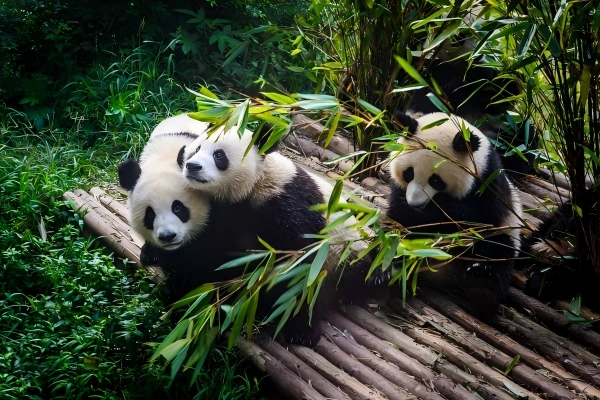
Qinling Animal Park is one of the best places in Xi'an to see wildlife in a more natural setting. Located at the foot of the Qinling Mountains, the park combines a traditional zoo with large open-air animal areas and safari-style experiences, making it quite different from a typical city zoo.
The park is especially interesting for visitors who want to discover wildlife native to the Qinling region. Giant pandas, golden snub-nosed monkeys, takins and other rare animals are among its highlights, while the safari area offers the chance to see larger herbivores and predators from a closer distance.
Because the park is large, knowing how to plan your visit can make a big difference. This guide covers the animals worth seeing, the difference between the walking and safari areas, ticket options, transportation from Xi'an, the best time to visit, and practical tips for making the most of your day.
Why Visit Qinling Animal Park in Xi'an?
For travelers who want to see more than historic sites in Xi'an, Qinling Animal Park offers a chance to experience China's wildlife in a very different setting. Its location at the foot of the Qinling Mountains, rare local species, and large safari areas make it more than a conventional city zoo.
A Wildlife Park at the Foot of the Qinling Mountains
Set against the Qinling Mountains, the park has spacious outdoor areas where animals can be viewed in a setting that feels closer to their natural environment. The combination of mountain scenery, open enclosures, and large animal areas gives the visit a more immersive feel than a typical urban zoo.
It is also a good choice if you want to add a nature and wildlife experience to a Xi'an itinerary without traveling far from the city.
Meet the Qinling Four Treasures
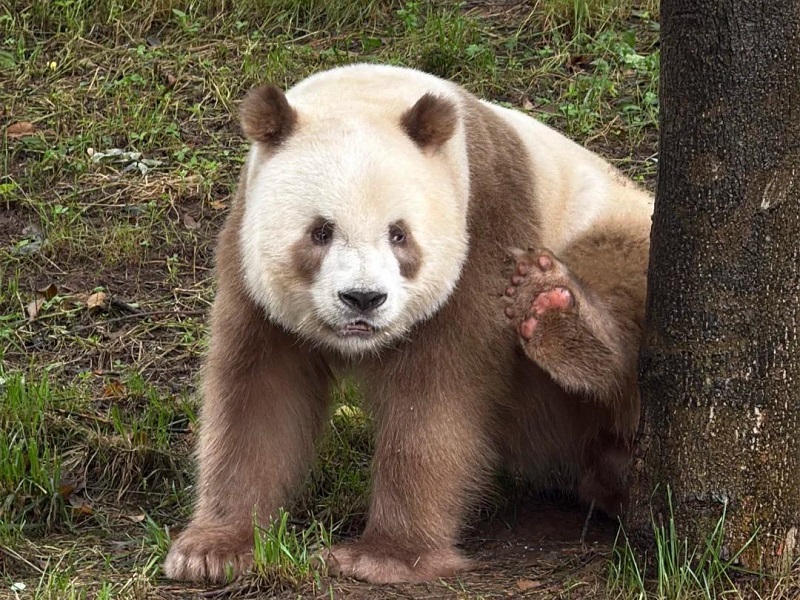
One of the biggest reasons to visit is the chance to see animals closely associated with the Qinling region. Look out for the giant panda, golden snub-nosed monkey, takin, and crested ibis, often known as the “Qinling Four Treasures.”
These animals add a distinctly local character to the park. Instead of simply seeing familiar zoo animals, visitors can learn about some of the rare wildlife of the Qinling Mountains in one place.
The four to look out for:
Giant Panda — one of China's most iconic animals
Golden Snub-Nosed Monkey — a rare species native to mountain forests
Takin — a distinctive large mammal of the Qinling region
Crested Ibis — a rare bird with strong connections to Shaanxi
More Than a Traditional Zoo
The park combines walking areas with a drive-through safari experience, so you can explore wildlife in two very different ways. The walking areas are better for taking your time around individual animal exhibits, while the safari section lets you see larger animals across more spacious areas.
For first-time visitors, this is an important difference to understand: Qinling Animal Park is large, and you do not need to walk everywhere. Using the park's sightseeing transportation for the safari areas can save energy and leave more time for the animals and experiences you are most interested in.
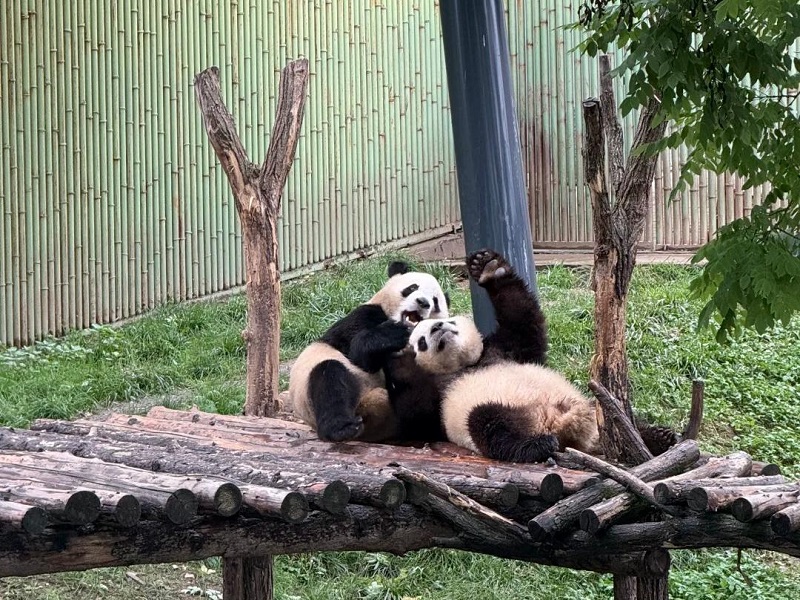
What Animals Can You See at Qinling Animal Park?
From rare Qinling wildlife to giraffes, zebras, lions, and tigers, Qinling Animal Park offers a surprisingly wide range of animals. The experience changes as you move through the park, so it is worth knowing what to look for before you start exploring.
Qinling's Rare Wildlife
The biggest draw for many visitors is the chance to see animals closely associated with the Qinling Mountains. Keep an eye out for giant pandas, golden snub-nosed monkeys, takins, and crested ibises — four species that give the park a distinctly local character.
The golden snub-nosed monkey is particularly interesting, with its striking golden-orange coat and expressive face, while the takin stands out for its unusual appearance and powerful build.
Don't miss: If seeing Qinling's native wildlife is your priority, check their locations when you arrive and plan these exhibits before spending too much time elsewhere.
African & Asian Herbivores
The safari area opens up a completely different side of the park. Here you can see giraffes, zebras, wildebeest, camels, yaks and other large herbivores moving through spacious outdoor areas.
Seeing these animals from a safari vehicle rather than behind small enclosures is one of the more memorable parts of the visit. Depending on the season and time of day, some animals may be more active than others, so an earlier visit can make the experience more rewarding.
Best for: travelers who enjoy wide-open landscapes, photography, and seeing large animals at a closer range.
Tigers, Lions & Other Predators
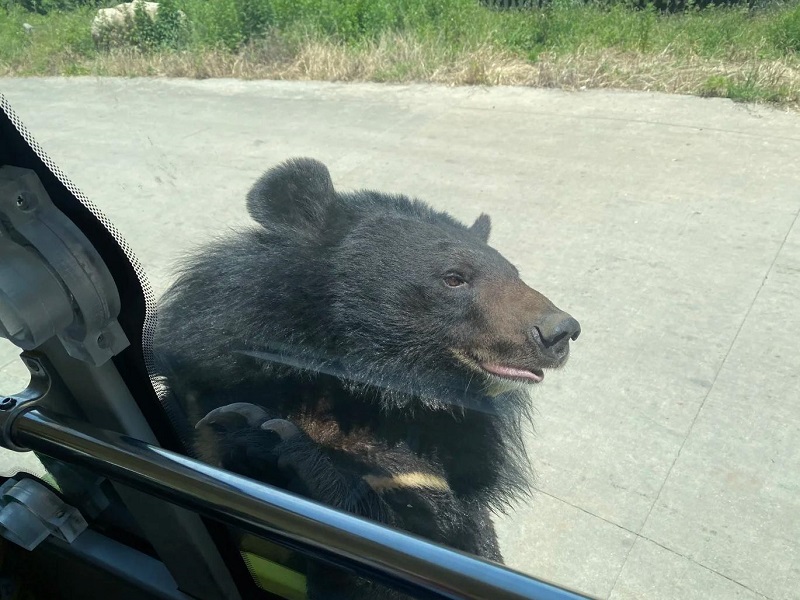
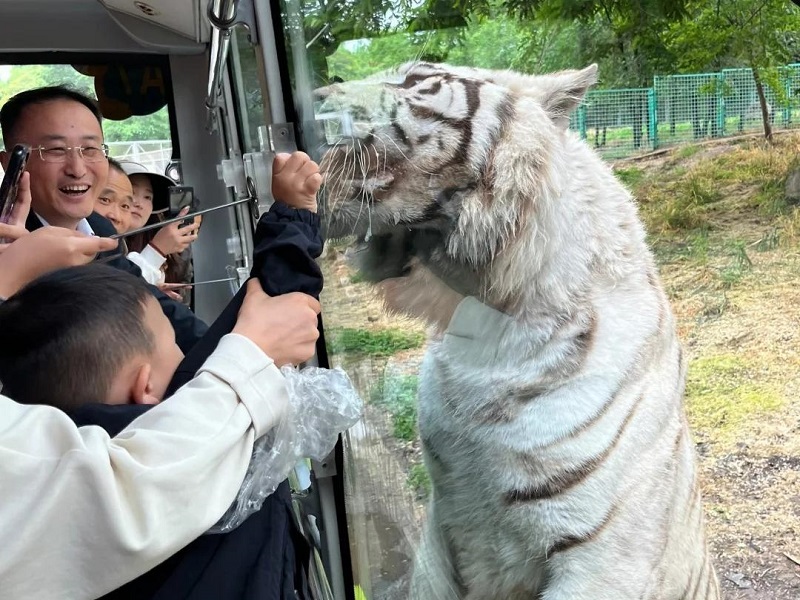
Then comes the more thrilling part: the predator area. Lions, tigers and other large carnivores can be observed from the safety of a vehicle, giving you a much closer look than you would normally get in a traditional zoo.
The atmosphere changes quickly when you enter the predator zone — instead of quietly walking between exhibits, you are watching powerful animals in larger spaces from inside a protected vehicle.
Safari tip: Keep your camera ready, but don't expect every animal to perform on cue. Patience and a little luck are part of the safari experience.
Red Panda at Qinling Animal Park
The red panda is one of the most charming animals to look for at Qinling Animal Park. Smaller and more elusive than the giant panda, it is easily recognized by its reddish-brown fur, ringed tail, and masked face.
Unlike the giant panda, red pandas spend much of their time in trees and shaded areas, so spotting one can require a little patience. They are often most interesting when they are climbing, resting on branches, or quietly exploring their surroundings.
Why Red Pandas Are Worth Seeing
Red pandas have a completely different appearance and behavior from giant pandas, making them an easy animal to overlook if you are rushing through the park. For wildlife lovers and photographers, their distinctive appearance and playful movements can make them one of the more rewarding animals to find.
Keep an eye on the trees and higher platforms, rather than only looking at ground-level enclosures. If a red panda is resting, take your time — it may suddenly become active and give you a much better view.
Wildlife tip: Red pandas can be less active during hot weather. Visiting earlier in the day generally gives you a better chance of seeing animals when they are moving around.
Walking Area vs. Safari Area: What's the Difference?
Qinling Animal Park is large enough that how you move around matters. The park is generally divided into areas explored on foot and larger safari areas reached by sightseeing vehicles. Understanding the difference before entering can save you both time and energy.
Walking Area – Best for Close-Up Animal Viewing
The walking area is where you can slow down and enjoy individual animal exhibits at your own pace. It works well for visitors who want to take photos, watch animal behavior, or spend more time with smaller and more easily observed species.
However, don't make the mistake of trying to walk through the entire park from the entrance. Distances can add up quickly, especially on a warm day. Save your energy for the areas you are most interested in and use the park's transportation where it makes sense.
Best for: close-up viewing, photography, families, and visitors who prefer a relaxed pace.
Safari Area – The Most Exciting Part of the Visit
The safari area is where Qinling Animal Park feels most different from a conventional zoo. Instead of moving from one small enclosure to another, you travel through larger outdoor spaces where animals have more room to move.
The experience generally includes herbivore areas and predator areas. You may pass giraffes, zebras and other large herbivores before entering the more exciting section where lions, tigers and other predators can be viewed from the vehicle.
This is the part of the park where the safari experience really comes alive. Keep your camera ready, but remember that wildlife encounters are unpredictable — the animals decide when to make an appearance.
Free Safari Bus or Paid Feeding Vehicle?
For many visitors, the main question is whether it is worth paying extra for a feeding vehicle instead of taking the regular sightseeing bus.
The regular safari bus is the practical choice if your priority is simply getting around the safari area and seeing the animals. It keeps the visit straightforward and is usually enough for travelers who are visiting the park for the first time.
A paid feeding vehicle offers a more interactive experience, allowing you to get closer to certain animals and, where permitted, participate in feeding. It can be especially appealing to families with children or visitors who want a more memorable wildlife encounter.
Our take: If this is your first visit and you have limited time, take the regular safari transportation and spend your extra time exploring the animals you are most interested in. If you are particularly interested in animal interaction, the paid feeding experience can be a worthwhile upgrade.
Smart way to visit: Don't think of the park as a place you need to walk from beginning to end. Walk where close-up viewing matters, ride where the distances are long, and save your energy for the experiences you actually want to enjoy.
How to Plan Your Visit to Qinling Animal Park
A visit to Qinling Animal Park can take several hours because the park is large and includes both walking areas and safari sections. A little planning before you arrive can save a lot of walking and leave more time for the animals you actually want to see.
How Much Time Do You Need?
For most visitors, half a day is enough for the highlights, especially if you focus on the safari area and a few key animal exhibits. Allow around 4–5 hours for a more relaxed visit without feeling rushed.
If you are traveling with children, enjoy photography, or want to see more of the park, a full day is more comfortable. There is no need to hurry from one exhibit to another — the larger size of the park is part of the experience.
The Best Order to Explore the Park
A practical strategy is to start with the safari area, then explore the walking areas at your own pace. This helps you tackle the longer-distance section while you still have plenty of energy.
After the safari, you can spend more time around the animal exhibits that interest you most and fit any animal shows or other activities into the remaining time.
A simple route to remember:
Safari Area → Walking Area → Shows & Remaining Exhibits
Travel tip: Wear comfortable shoes and avoid trying to cover every corner of the park. Prioritize experiences rather than distance.
What to Prioritize If You Only Have Half a Day
Short on time? Focus on the experiences that make Qinling Animal Park different from an ordinary zoo:
1. Safari Area — the best choice for seeing large herbivores and predators in spacious outdoor areas.
2. Qinling Wildlife — make time for giant pandas, red pandas, golden snub-nosed monkeys and takins if they are among your priorities.
3. Walking Area Highlights — choose a few exhibits rather than attempting to see everything.
If you are visiting from Xi'an as a half-day trip, a focused itinerary is usually much more enjoyable than trying to squeeze the entire park into a few hours.
Best Time to Visit Qinling Animal Park
Because much of the experience takes place outdoors, weather, temperature and time of day can make a noticeable difference. Spring and autumn are generally the most comfortable seasons, while summer visitors should plan around the heat.
Spring and Autumn: Comfortable Weather and Active Animals
Spring and autumn are ideal for walking around the park, with more comfortable temperatures for spending several hours outdoors. These seasons are particularly pleasant if you want to combine the safari area with a longer walk through the animal exhibits.
The mild weather also makes it easier to take your time with photography and wildlife viewing without dealing with intense summer heat or winter cold.
Summer: Start Early to Avoid the Heat
Summer can be hot, especially when you are walking through large outdoor areas. Arrive as early as possible to make the most of the cooler part of the day.
Starting early can also improve the wildlife-viewing experience, as some animals may be less active during the hottest hours. Bring water, wear breathable clothing, and use sun protection.
Winter: Fewer Crowds, Different Animal Viewing Experience
Winter can be a quieter time to visit, which is appealing if you prefer fewer crowds and a more relaxed pace. However, the cold weather means you may not want to spend as much time walking outdoors.
Animal activity can also vary with temperature, so winter is better suited to travelers who value a quieter visit rather than those looking for the most comfortable all-day outdoor experience.
Best overall: For a balance of comfortable weather, outdoor walking and wildlife viewing, spring and autumn are the easiest seasons for most visitors. Regardless of season, morning is a smart time to start your visit.
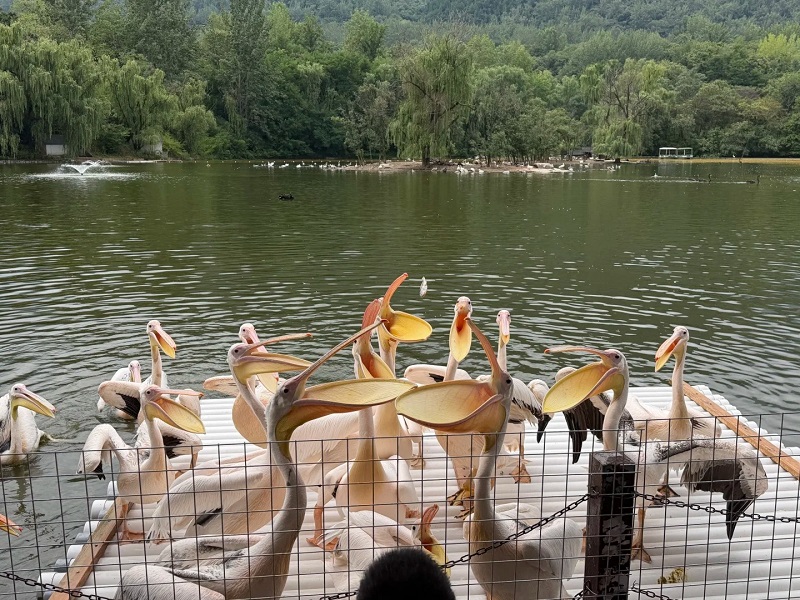
Qinling Animal Park Tickets, Opening Hours & Extra Costs
Planning your visit is easier once you know what the entrance ticket covers. Qinling Animal Park uses seasonal ticket prices, and some optional experiences inside the park may cost extra.
Qinling Animal Park Admission Tickets
From March 1 to November 30, the regular adult admission is RMB 100, while the park is generally open from 8:30 AM to 6:00 PM. During the winter low season, prices and opening hours are reduced.
| Season | Adult Ticket | Opening Hours |
|---|
| Mar. 1 – Nov. 30 | RMB 100 | 8:30 AM – 6:00 PM |
| Dec. 1 – Feb. 28/29 | RMB 80 | Around 9:00 AM – 5:00 PM |
Tip: Ticket policies and operating hours can change with seasons or special events, so check the latest information before your visit.
What Is Included in the Entrance Ticket?
One useful advantage for first-time visitors is that the park's sightseeing vehicle is included with the entrance ticket. This is important because the park is large, and walking between every section can be tiring.
The sightseeing vehicle takes visitors through the main safari route, including the herbivore and predator areas, before connecting with the walking area.
So, you do not need to buy a separate safari-bus ticket just to experience the main vehicle route.
Optional Experiences Worth Paying For
Some visitors may want a more interactive experience, such as animal-feeding vehicles or other special activities. These can make the visit more memorable, particularly for children or wildlife enthusiasts, but they are not essential for enjoying the park.
If it is your first visit, we recommend using the included sightseeing vehicle first and deciding afterward whether an additional experience is worth the extra cost.
Money-saving tip: The basic ticket already gives you access to the park and its main sightseeing transportation. Don't feel that you need to add every paid activity to have a good wildlife experience.
How to Get to Qinling Animal Park from Xi'an
Qinling Animal Park is outside central Xi'an, so getting there requires a little more planning than visiting attractions such as the Terracotta Warriors or Giant Wild Goose Pagoda. The good news is that you have several options, from low-cost public buses to the convenience of a private car.
By Public Bus from Downtown Xi'an
The most straightforward public-transport option is Tourist Line 9 (also known as Bus 320), which runs from central Xi'an toward Qinling Animal Park. It serves areas including the Giant Wild Goose Pagoda and continues to the park's terminal stop.
This is the cheapest option, but allow extra travel time and be prepared for a longer journey, especially if you are staying in central Xi'an.
Best for: budget travelers and independent visitors who are comfortable using local buses.
By Metro + Bus
There is no metro station directly at Qinling Animal Park. One practical option is to take Metro Line 2 south and transfer to a connecting bus.
You can get off at Hangtiancheng, TV Tower, or Weiqu South, depending on your route, and then continue by Tourist Line 9, Bus 332, or Bus 334 to the park.
For international visitors, this option is affordable but involves transfers and some navigation, so it is less convenient if you are traveling with children or carrying luggage.
By Private Car or Taxi
For travelers who value time and convenience, a private car is usually the easiest way to visit. You can leave your hotel in central Xi'an in the morning and go directly to the park without changing buses or checking multiple routes.
This is particularly practical for families, couples, and small groups, or for visitors combining Qinling Animal Park with other attractions around the Qinling foothills.
Best for: travelers who want a relaxed day trip with door-to-door transportation and a flexible schedule.
Our recommendation: If you are visiting Qinling Animal Park as part of a private Xi'an itinerary, private transportation saves the most hassle. For independent travelers on a budget, Tourist Line 9 is the simpler low-cost alternative.
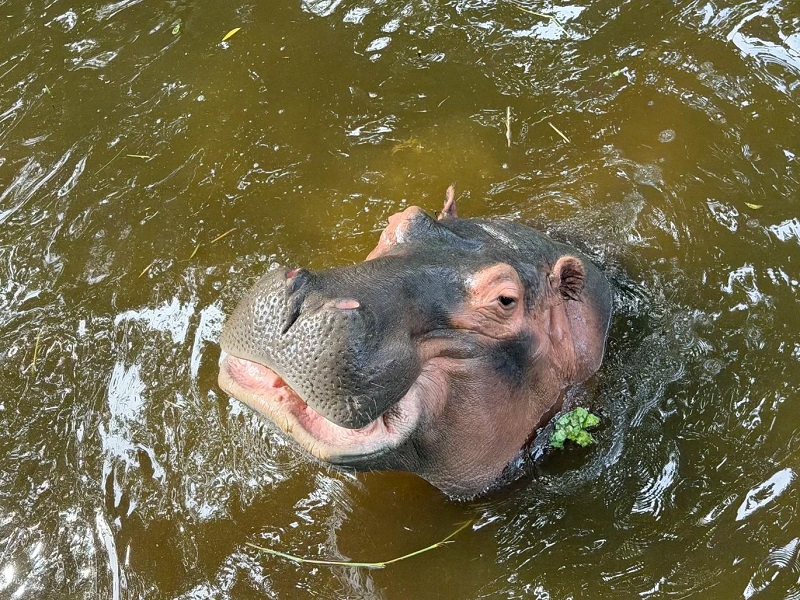
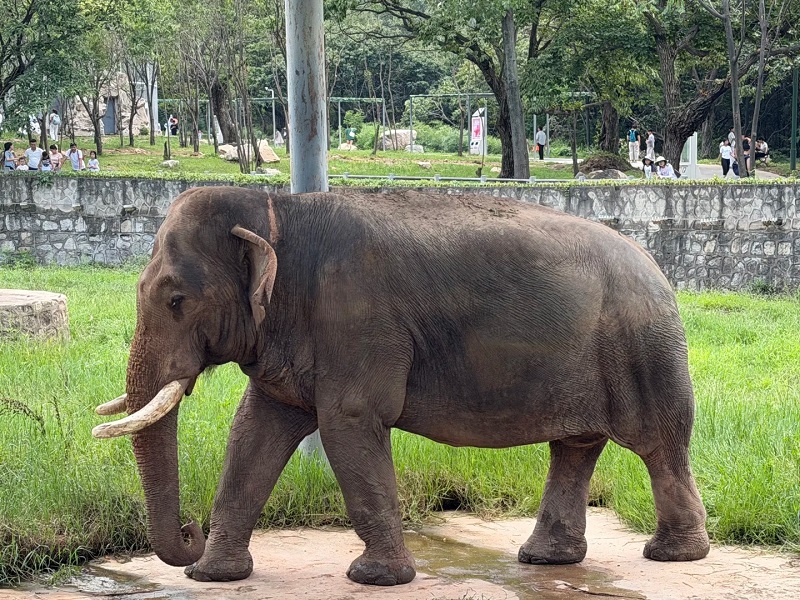
Practical Tips for Foreign Visitors
Qinling Animal Park is easy enough to visit independently, but its large size, outdoor setting and distance from central Xi'an mean a little preparation will make the experience much easier.
Is Qinling Animal Park Easy for First-Time Visitors to China?
Yes, but it is not the kind of attraction where you can simply arrive and walk everywhere without a plan. The park is large, and the safari area is designed to be explored by park vehicles rather than on foot.
For international visitors, the easiest approach is to plan your transportation in advance, keep your ticket information ready on your phone, and allow several hours rather than trying to squeeze the park into a short stop between other Xi'an attractions.
What Should You Bring?
Think comfortable rather than overpacked. Much of the visit takes place outdoors, and there are slopes and long walking sections, so comfortable walking shoes, sunscreen, a hat and water are particularly useful.
A phone or camera is worth bringing for wildlife photography. If you are visiting with children, wet wipes and a compact stroller can also make a long day easier.
Quick packing list:
Comfortable shoes · Sunscreen · Hat · Water · Phone/Camera · Wet wipes
Food, Restrooms and Rest Areas
You can find food stalls, restrooms and seating areas around the park, so you do not need to leave the attraction whenever you need a break.
However, food choices can become more limited farther from the entrance and main visitor areas. If you plan to spend most of the day inside, carrying water and a few light snacks is a practical choice.
Is It Suitable for Families with Children?
Yes, especially for children who enjoy animals and outdoor experiences. The combination of giant pandas, red pandas, large herbivores, predators and safari-style viewing gives children more variety than a conventional zoo visit.
The main challenge is walking distance and the size of the park. Families should use the park's transportation instead of trying to cover everything on foot, and plan a few breaks during the day.
Qinling Animal Park FAQs
Is Qinling Animal Park Worth Visiting in Xi'an?
Yes, if you want to add wildlife and nature to a Xi'an trip. Its biggest strengths are the Qinling Four Treasures, red pandas, large safari areas and close-up wildlife viewing, offering a very different experience from Xi'an's historic attractions.
How Long Does It Take to Visit Qinling Animal Park?
Allow around 4–5 hours for the main highlights, or a full day if you want to explore at a relaxed pace, see more animal areas and include shows or additional activities.
Can You See Giant Pandas at Qinling Animal Park?
Yes. Giant pandas are one of the park's major attractions and part of the Qinling Four Treasures, alongside the golden snub-nosed monkey, takin and crested ibis.
Is the Safari Bus Included in the Ticket?
The park's regular sightseeing vehicle for the safari area is included in the standard admission, according to current visitor information. Additional feeding-vehicle experiences may require a separate payment.
Can You Drive Your Own Car into the Safari Area?
No. Visitors cannot take private cars into the drive-through safari area. You need to use the park's designated sightseeing or feeding vehicles.
Is Qinling Animal Park Suitable for Foreign Tourists?
Yes. The park is a straightforward addition to a Xi'an itinerary, particularly for travelers interested in pandas and Chinese wildlife. If you prefer to avoid dealing with local bus connections or navigating a large Chinese attraction independently, private transportation and an English-speaking guide can make the visit considerably easier.