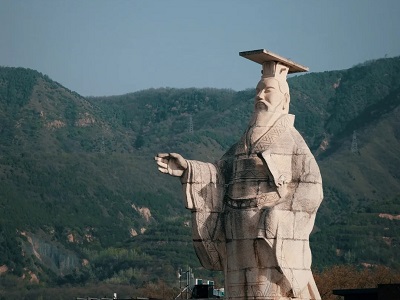
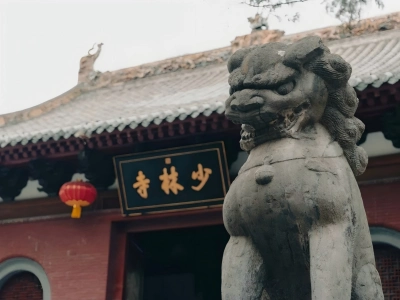
Located in Lintong District, about 40 kilometers northeast of downtown Xi'an, the China Xi'an Terracotta Warriors are one of the greatest archaeological discoveries in the world. Known as the "Eighth Wonder of the World," the site is part of the massive mausoleum complex of Qin Shi Huang, the first emperor of China.
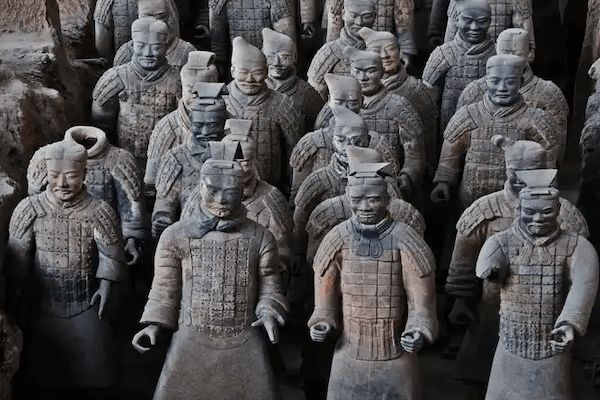
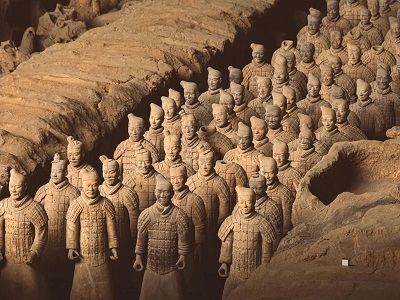
Discovered in 1974, the Terracotta Army has amazed visitors from around the world with thousands of life-sized clay soldiers, horses, and chariots that have survived for more than 2,000 years. Each figure has unique facial features, hairstyles, and expressions, offering a fascinating glimpse into the military organization, craftsmanship, and culture of the Qin Dynasty.
For history lovers and first-time visitors to China, the Qin Terracotta Warriors are a must-see attraction in Xi'an. Standing in front of the underground army formations allows travelers to experience the power of ancient China and discover the story behind Emperor Qin's ambitious vision of an eternal empire.
What Are the Terracotta Warriors?
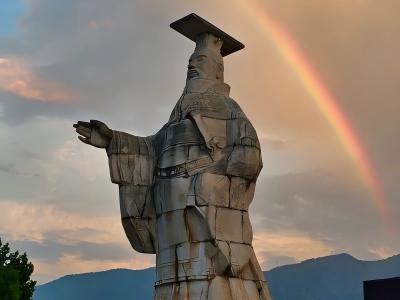
The Terracotta Warriors are a collection of thousands of life-sized clay figures buried near the tomb of Emperor Qin Shi Huang, the first emperor who unified China in 221 BC. They are part of Qin Shi Huang's enormous mausoleum complex, which was designed to accompany and protect him in the afterlife.
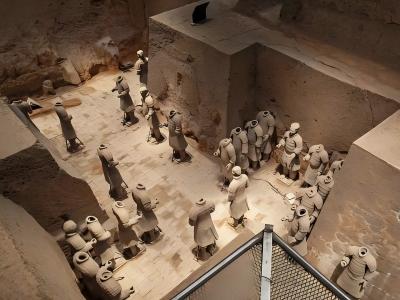
The Terracotta Army includes soldiers, generals, cavalry horses, chariots, and weapons arranged in detailed military formations. Unlike ordinary statues, each warrior was individually crafted with different facial expressions, clothing styles, and positions, reflecting the advanced skills of craftsmen during the Qin Dynasty.
The purpose of the Qin Terracotta Warriors was to serve as an underground imperial army that would continue protecting Emperor Qin after his death. Ancient Chinese beliefs held that rulers could maintain their power in the afterlife, so Qin Shi Huang created a miniature version of his real-world empire beneath the ground.
Today, the Terracotta Warriors Museum allows visitors to explore several excavation pits and see thousands of these remarkable figures up close. Beyond being a historical attraction, the site provides valuable insight into ancient Chinese military systems, art, engineering, and the ambitions of China's first emperor.
Facts About the Terracotta Warriors You Should Know
The Terracotta Warriors are one of the most remarkable archaeological discoveries in human history. Behind these thousands of clay figures are fascinating stories about ancient Chinese craftsmanship, military organization, and the ambition of Qin Shi Huang, the first emperor of China. Here are some important facts every visitor should know before exploring the Terracotta Warriors Museum.
The Terracotta Army Was Discovered in 1974
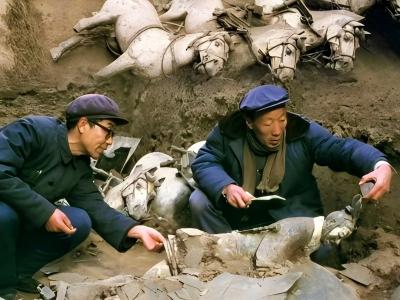
The Terracotta Army was accidentally discovered in 1974 when local farmers were digging a well near the Qin Shi Huang Mausoleum. They uncovered fragments of clay figures, which later led archaeologists to discover the underground pits containing thousands of warriors and horses.
The discovery quickly became one of the greatest archaeological finds of the 20th century and transformed Xi'an into a world-famous destination for history travelers.
The Terracotta Warriors Are Life-Sized
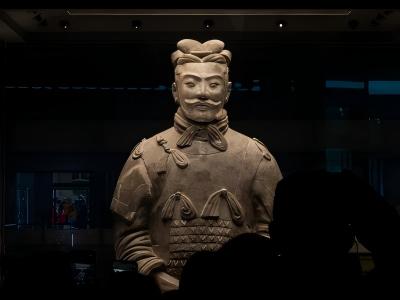
Unlike many ancient statues that are smaller than real people, the Qin Terracotta Warriors were created in life size. Most soldiers are around 1.8 to 2 meters tall, with realistic body proportions and detailed features.
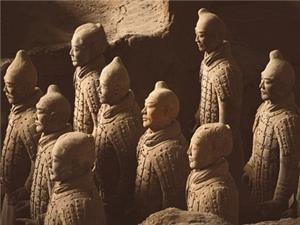
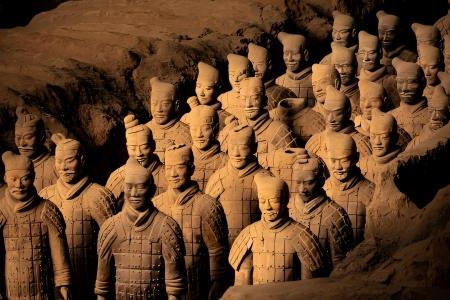
Each warrior has unique facial expressions, hairstyles, armor designs, and poses. Ancient craftsmen carefully created different appearances instead of producing identical figures, making the Terracotta Army a valuable record of Qin Dynasty military life.
The Original Figures Were Painted in Bright Colors
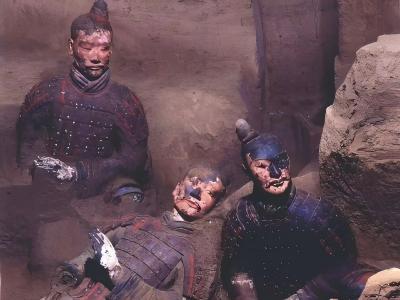
Although today most visitors see the warriors in their natural gray clay color, the original Terracotta Warriors were actually covered with colorful paint.
Archaeologists have discovered traces of pigments on many figures, including colors such as red, blue, green, and purple. However, after being exposed to air during excavation, much of the original paint quickly faded.
This makes the remaining traces of color especially valuable for understanding how the Qin Terracotta Warriors looked more than 2,000 years ago.
The Terracotta Army Includes Soldiers, Horses, and Chariots
The Terracotta Army was designed as a complete underground military force. The discovery includes different types of soldiers, including infantry, archers, cavalry, generals, and officers.
Thousands of clay horses and bronze weapons were also found at the site, showing the advanced military organization of the Qin Dynasty. The detailed formations reflect the real battlefield strategies used by Emperor Qin's army.
The Terracotta Warriors Were Made More Than 2,000 Years Ago
The Terracotta Warriors date back to the Qin Dynasty (221–206 BC), more than 2,000 years ago. Construction began around 246 BC when Qin Shi Huang became king of Qin and continued for nearly four decades.
Despite their age, many figures remain remarkably well preserved, providing modern visitors with a rare opportunity to see the achievements of ancient Chinese civilization.
How Many Terracotta Warriors Are There?
One of the most common questions from visitors is: How many Terracotta Warriors have been discovered?
The exact number is still unknown because excavation work continues, but archaeologists estimate that the Terracotta Army originally contained thousands of figures, including:
- More than 8,000 terracotta soldiers
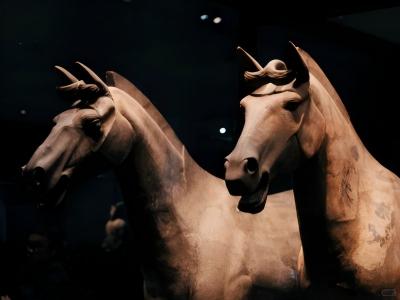
- Around 600 terracotta horses
- Over 100 wooden chariots
Thousands of bronze weapons, including swords, spears, and arrowheads
These figures were arranged in several underground pits near the tomb of Emperor Qin, creating a massive underground army designed to protect him in the afterlife.
Today, visitors can explore the three main excavation pits at the Terracotta Warriors Museum, each showing a different part of Qin's ancient military system.
Pit 1 – The Largest Terracotta Warriors Pit
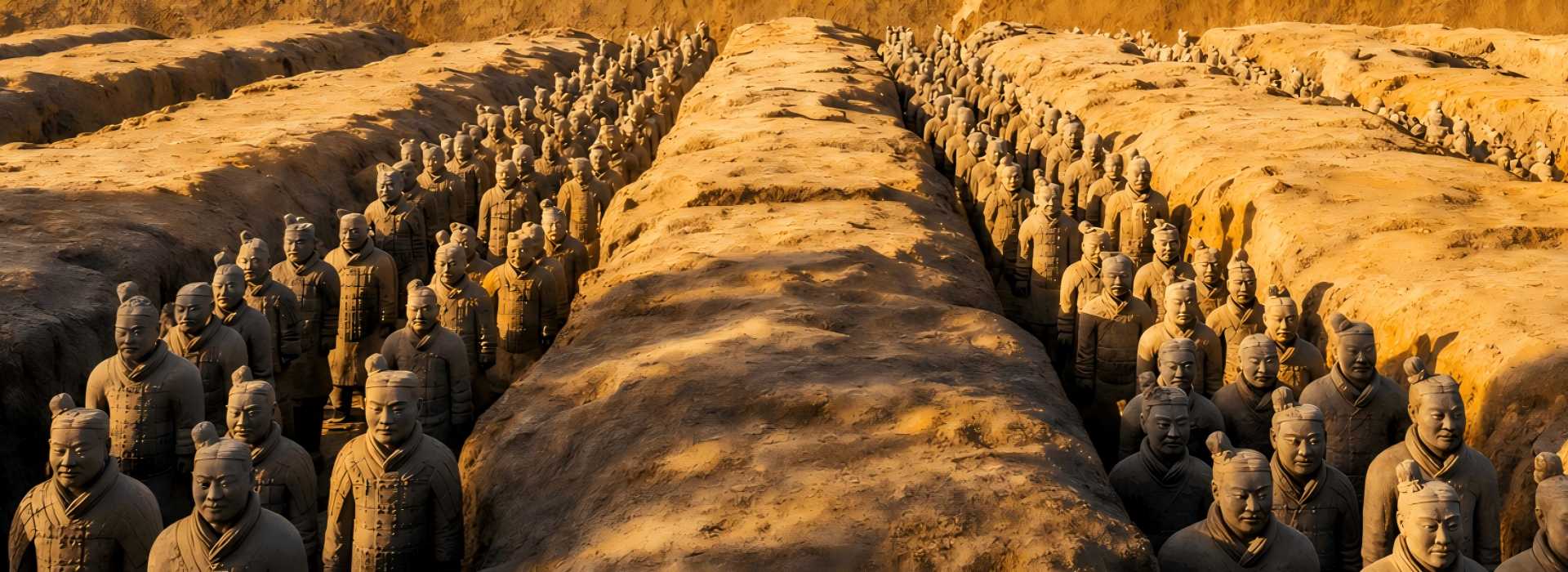
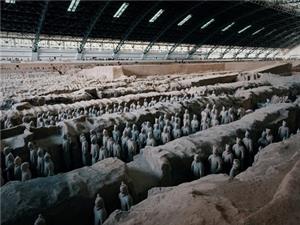
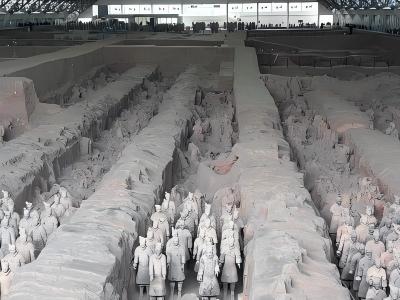
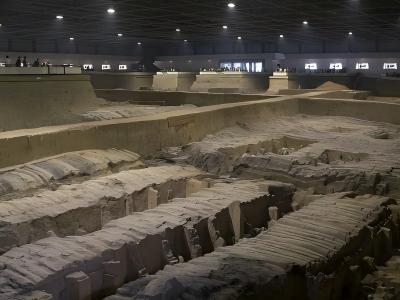
Pit 1 is the largest and most impressive excavation area in the Terracotta Warriors Museum. It contains more than 6,000 warrior figures arranged in long military formations.
The front rows feature infantry soldiers, while rows of warriors and horses extend deep into the pit. Standing above Pit 1 gives visitors the most iconic view of the Terracotta Army and is often the highlight of a Xi'an Terracotta Warriors tour.
Pit 2 – The Most Diverse Military Formation
Pit 2 displays the most complex military arrangement among the three main pits. It includes different types of troops, such as archers, cavalry units, infantry soldiers, and chariots.
Because of its variety of military formations, Pit 2 offers visitors a better understanding of how the Qin Dynasty organized its army and prepared for ancient warfare.
Pit 3 – The Command Center of the Army
Pit 3 is the smallest of the three main excavation pits but has great historical importance. Archaeologists believe it served as the command center of the underground army.
Unlike Pit 1 and Pit 2, Pit 3 contains high-ranking officers and fewer soldiers, suggesting that it represented the headquarters where military leaders planned strategies.
Together, the three excavation pits reveal the incredible scale and organization of the Qin Terracotta Warriors. Visiting different pits at the Terracotta Warriors Museum allows travelers to understand not only the beauty of these ancient sculptures but also the military power and ambitions of Qin Shi Huang, the first emperor of China.
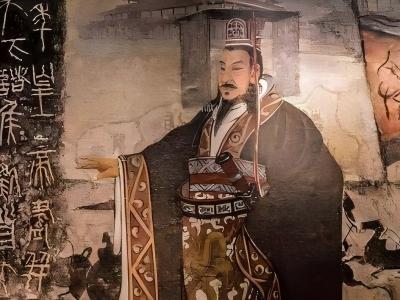
Mysteries of the Terracotta Warriors
The Terracotta Warriors have fascinated historians and travelers for decades. Although archaeologists have uncovered thousands of figures, many secrets about the Terracotta Army remain unsolved. From the unique appearance of each warrior to the unknown areas still waiting to be explored, the Qin Terracotta Warriors continue to reveal new stories about ancient China.
Why Does Every Warrior Have a Different Face?
One of the most amazing mysteries of the Terracotta Warriors is that no two figures appear exactly the same. Each soldier has different facial features, hairstyles, expressions, and body shapes, making them look like real individuals.
Historians believe these unique designs may have been inspired by actual soldiers in the Qin army. Ancient craftsmen carefully created different appearances to represent the diversity of Emperor Qin Shi Huang's military forces.
However, researchers still debate whether the warriors were modeled after real people or were artistic representations created to show the strength and organization of the Qin army.
How Were the Terracotta Warriors Made 2,000 Years Ago?
Creating thousands of life-sized clay figures more than 2,000 years ago required advanced craftsmanship and organization. The ancient craftsmen used special pottery techniques to produce different body parts, including heads, arms, legs, and bodies, which were then assembled together.
After shaping the figures, artisans added detailed features such as facial expressions, armor patterns, and hairstyles. Many warriors were originally painted in bright colors, making them appear even more realistic.
The production process of the Qin Terracotta Warriors demonstrates the remarkable technological and artistic achievements of the Qin Dynasty.
Why Were the Warriors Buried Underground?
The Terracotta Army was buried underground because Qin Shi Huang wanted to recreate his imperial world after death. According to ancient Chinese beliefs, the afterlife was similar to the living world, and powerful rulers needed protection, servants, and resources in the next life.
The underground army was designed to guard the emperor's tomb and protect him from enemies in the afterlife. The arrangement of soldiers, horses, and chariots also reflects the actual military structure of Qin's powerful army.
The location underground helped preserve these incredible sculptures for more than 2,000 years until their discovery in 1974.
Are There More Terracotta Warriors Waiting to Be Discovered?
Although thousands of figures have already been found, archaeologists believe that many parts of the Qin Shi Huang Mausoleum remain unexplored.
The currently discovered excavation pits represent only a small part of the entire mausoleum complex. Due to preservation challenges and advanced excavation requirements, many areas have not yet been opened.
Future archaeological discoveries may reveal more soldiers, burial objects, and secrets about the life and ambitions of Emperor Qin.
Want to uncover the stories behind the world-famous Terracotta Army with a local expert? Join our Xi'an Terracotta Warriors Day Tour to explore the excavation pits, learn about Qin Shi Huang's legendary empire, and experience one of China's greatest archaeological wonders with convenient transportation and professional guidance.
How to Get to Terracotta Warriors Museum?
There are several ways to reach the Terracotta Warriors Museum from Xi'an city center. The best transportation option depends on your budget, schedule, and travel preferences.
By Tourist Bus
Taking a tourist bus is one of the most affordable ways to visit the Terracotta Warriors.
- Suitable for budget travelers
- Lower cost compared with private transportation
- A good option for travelers who have more flexible schedules
However, buses may take longer due to multiple stops, and English information can sometimes be limited. First-time international visitors may find the process slightly challenging.
By Taxi or Didi
Taking a taxi or using Didi (China's ride-hailing app) is a more convenient option.
- Direct transportation from your hotel to the museum
- Flexible departure time
- Suitable for couples, families, and small groups
The disadvantage is that communication with drivers may be difficult if you do not speak Chinese. It is recommended to show the destination name in Chinese:
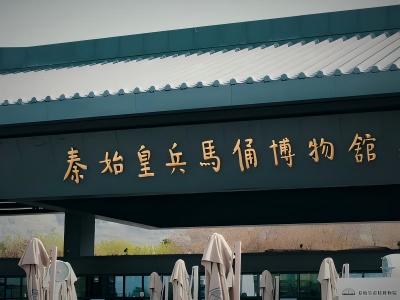
秦始皇帝陵博物院 (Qín Shǐ Huáng Dì Líng Bó Wù Yuàn)
By Private Tour
For international travelers, a private Xi'an Terracotta Warriors tour is often the easiest and most comfortable way to visit.
A private tour usually includes:
- Hotel pickup and drop-off
- Private vehicle transportation
- English-speaking guide
- Assistance with tickets and visiting arrangements
With a local guide explaining the history, visitors can better understand the stories behind the Terracotta Army, Qin Shi Huang, and the Qin Dynasty instead of simply viewing the statues.
A private tour is especially recommended for first-time visitors to Xi'an, families, and travelers who want a smooth and stress-free experience at the Terracotta Warriors Museum.
Planning transportation, booking tickets, and arranging your visit to the Terracotta Warriors Museum can take a lot of time, especially for first-time visitors to Xi'an. If you prefer to spend more time enjoying the history and less time dealing with travel arrangements, our Xi'an Terracotta Warriors Day Tour is a great choice. With convenient transportation, ticket assistance, and a professional local guide, you can explore the legendary Terracotta Army with a smooth and hassle-free experience.
How to Visit Terracotta Warriors Museum
Visiting the Terracotta Warriors Museum is a highlight of any Xi'an trip, but planning your visit in advance can make your experience much smoother. From choosing the best visiting time to booking tickets and understanding the museum layout, these practical tips will help you make the most of your journey to see the world-famous Terracotta Army.
Terracotta Warriors Museum Opening Hours
The Terracotta Warriors Museum is open throughout the year, but opening hours may vary depending on the season, holidays, and special arrangements.
Visitors are recommended to check the latest opening information before traveling, especially during Chinese public holidays when visitor numbers can increase significantly.
To enjoy a more comfortable experience, it is better to arrive early in the morning or visit later in the afternoon when the museum is usually less crowded.
How to Buy Terracotta Warriors Tickets?
Foreign visitors need to prepare in advance when purchasing tickets for the Terracotta Warriors Museum. A valid passport is required for international travelers when booking and entering the museum.
Tickets can usually be purchased through official online platforms, but many foreign visitors may find the booking process challenging due to Chinese-language interfaces, payment methods, and identity verification requirements.
For travelers who are unfamiliar with China's online booking systems, joining a guided Xi'an Terracotta Warriors tour can be a convenient option. Local travel services can help arrange tickets in advance and ensure a smoother visiting experience without spending extra time dealing with booking procedures.
Best Time to Visit Terracotta Warriors
The Terracotta Warriors Museum can be visited throughout the year, but spring and autumn are generally considered the best seasons because of the comfortable weather in Xi'an.
Spring (March–May)
Spring is a pleasant time to visit the Qin Terracotta Warriors. The weather is mild, making it comfortable for walking around the large museum area and exploring other outdoor attractions in Xi'an.
However, spring holidays such as the Qingming Festival may bring larger crowds, so booking tickets early is recommended.
Autumn (September–November)
Autumn is often considered the best season for visiting the Terracotta Army. The weather is cooler, the skies are usually clear, and the comfortable temperatures make sightseeing much easier.
This period is especially suitable for travelers who plan to combine the museum visit with other Xi'an attractions, such as the Ancient City Wall and Big Wild Goose Pagoda.
Avoid Peak Visiting Hours
The Terracotta Warriors Museum is one of China's most popular attractions, and it can become very crowded during peak hours.
For a better experience:
- Visit early in the morning after opening
- Consider arriving after 2 PM when some tour groups leave
- Avoid major Chinese public holidays whenever possible
Visiting during quieter periods allows you to spend more time viewing the excavation pits and taking photos without large crowds.
How Long Do You Need at Terracotta Warriors Museum?
Most visitors need around 3–4 hours to fully explore the Terracotta Warriors Museum.
A quick visit can be completed in about 2 hours, but this may feel rushed, especially if you want to learn about the history and visit all major exhibition areas.
A recommended visit usually includes:
- Pit 1 – the largest and most impressive excavation area
- Pit 2 – featuring different military formations
- Pit 3 – the command center of the underground army
- Bronze Chariots Exhibition Hall – displaying the famous ancient bronze chariots
If you are interested in Chinese history and archaeology, allowing extra time will make your experience more rewarding.
Terracotta Warriors Museum Visiting Tips
Tip 1: Visit Pit 1 First
Pit 1 is the largest and most famous excavation area at the Terracotta Warriors Museum. Seeing thousands of soldiers standing in formation provides the most impressive first impression of the Terracotta Army.
Tip 2: Hire a Guide
The Terracotta Warriors are more than just ancient statues. A professional guide can explain the stories behind Qin Shi Huang, the Qin Dynasty, and the hidden meanings of the military formations, making your visit much more interesting.
Tip 3: Wear Comfortable Shoes
The museum area is large, and visitors need to walk between different exhibition halls and excavation pits. Comfortable shoes are highly recommended, especially during busy travel seasons.
Tip 4: Bring Your Passport
Foreign visitors should always bring their passports when visiting the Terracotta Warriors Museum. Passport information is required for ticket purchase and entry verification.
Tip 5: Combine Terracotta Warriors With Other Xi'an Attractions
The Terracotta Warriors are located outside central Xi'an, so many travelers combine the visit with other famous attractions in the city.
Popular combinations include:
- Ancient City Wall
- Big Wild Goose Pagoda
- Muslim Quarter
- Tang Dynasty cultural experiences
A well-planned Xi'an itinerary allows you to experience both ancient Chinese history and the vibrant culture of the modern city.
Recommended Terracotta Warriors Tour Itineraries
The Terracotta Warriors Museum is one of Xi'an's must-see attractions, but the best way to experience it depends on your travel schedule. Whether you only have one day in Xi'an or plan to explore the city's rich history in depth, choosing the right itinerary can help you make the most of your trip.
One-Day Xi'an Tour Including Terracotta Warriors
If you have limited time in Xi'an, a one-day tour combining the Terracotta Warriors with the city's other highlights is a perfect choice. This itinerary allows you to explore the legendary Terracotta Army in the morning and discover Xi'an's ancient culture and local atmosphere in the afternoon.
A typical one-day itinerary includes:
- Terracotta Warriors Museum – Explore the three excavation pits and admire thousands of life-sized clay soldiers, horses, and chariots created for Qin Shi Huang, the first emperor of China.
- Ancient City Wall – Walk or cycle along one of the best-preserved ancient city walls in China and enjoy views of historic Xi'an.
- Muslim Quarter – Experience Xi'an's vibrant local culture, traditional snacks, and lively streets.
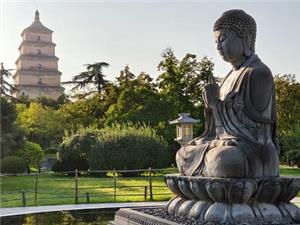
- Big Wild Goose Pagoda – Visit one of Xi'an's most iconic Buddhist landmarks with a history of more than 1,300 years.
This one-day Xi'an tour is ideal for first-time visitors, travelers with short stays, and those who want to see the most famous attractions efficiently without spending too much time arranging transportation and tickets.
Xi'an Multi-Day Tour Including Terracotta Warriors
For travelers who want to explore Xi'an beyond the Terracotta Warriors, a multi-day Xi'an tour offers a deeper journey into China's ancient capital.
As one of China's oldest cities, Xi'an was the capital of several dynasties and the starting point of the ancient Silk Road. A multi-day itinerary allows you to experience not only the Qin Terracotta Warriors but also the city's imperial history, cultural heritage, and local lifestyle at a more relaxed pace.
A typical multi-day Xi'an itinerary may include:
-Terracotta Warriors Museum – Discover the underground army of Emperor Qin and learn about one of the greatest archaeological discoveries in the world.
- Xi'an Ancient City Wall – Explore the impressive Ming Dynasty city defense system surrounding the old city.
- Big Wild Goose Pagoda – Learn about the history of Buddhism and the famous monk Xuanzang.
- Shaanxi History Museum – See valuable artifacts from different periods of Chinese history.
- Muslim Quarter – Taste authentic Xi'an food and experience the city's diverse cultural traditions.
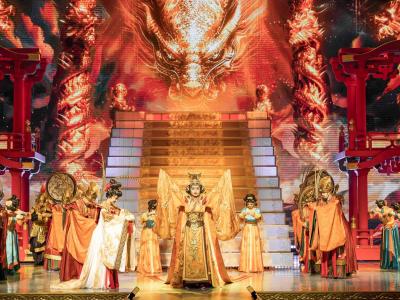
- Tang Dynasty cultural experiences – Enjoy traditional performances and learn about Xi'an's golden age as the capital of the Tang Dynasty.
A multi-day tour is especially recommended for international visitors who want a more comfortable experience, as it allows enough time to visit major attractions without rushing between locations.
If you prefer to spend less time planning transportation, hotel arrangements, and attraction bookings, our Xi'an Multi-Day Tour is a convenient choice. With a carefully designed itinerary, comfortable transportation, and local expertise, you can explore the Terracotta Warriors, ancient landmarks, and cultural highlights of Xi'an with ease.