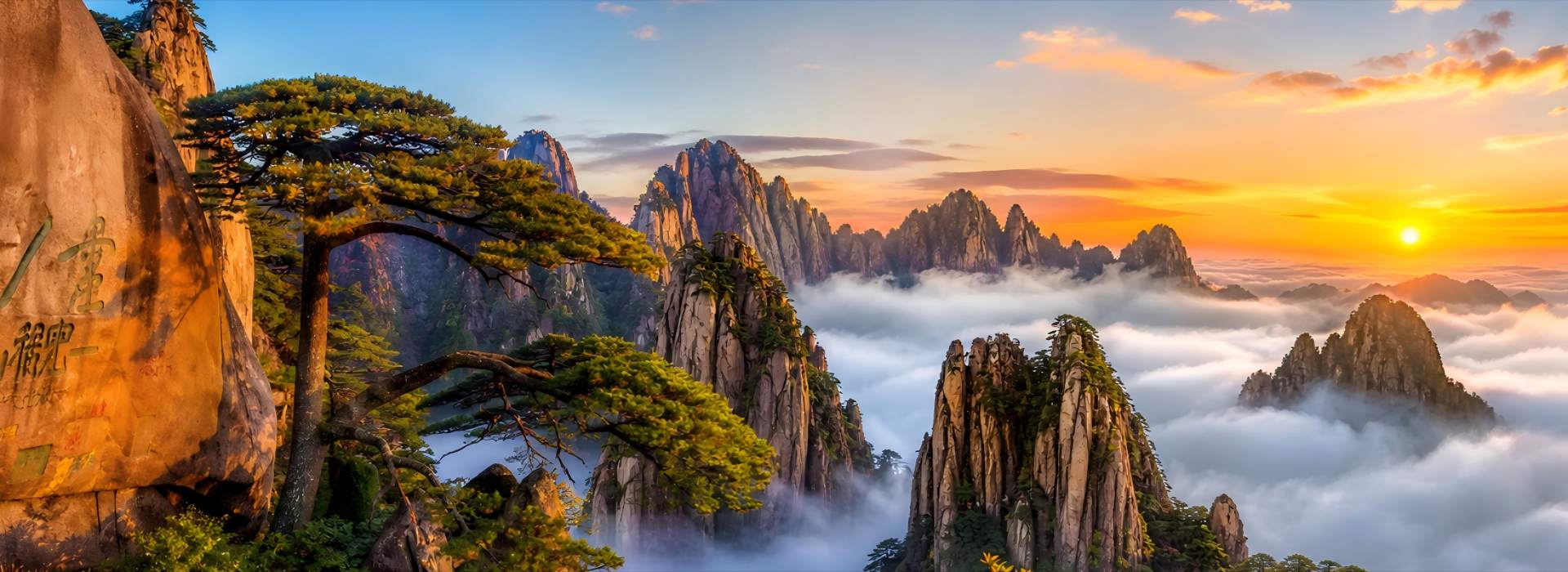
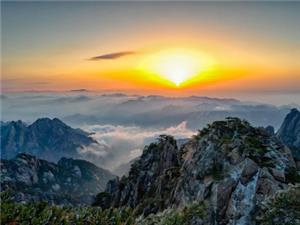
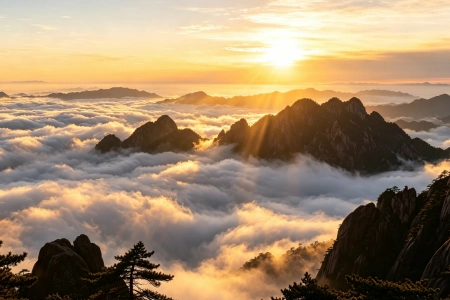
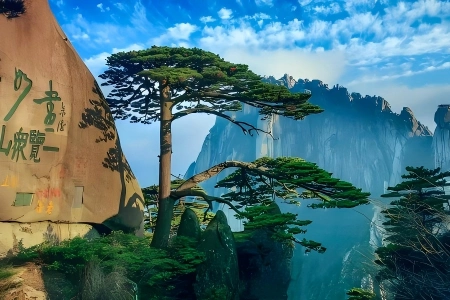
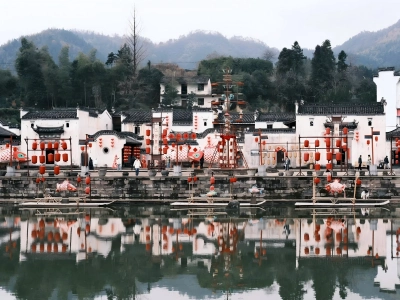
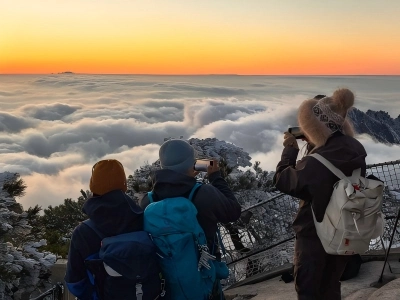
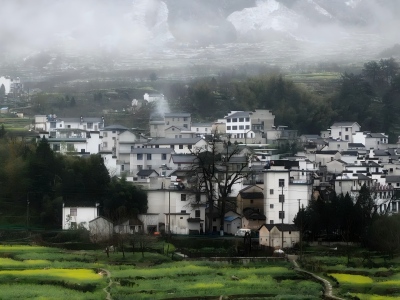
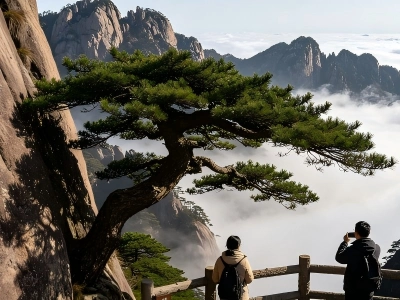
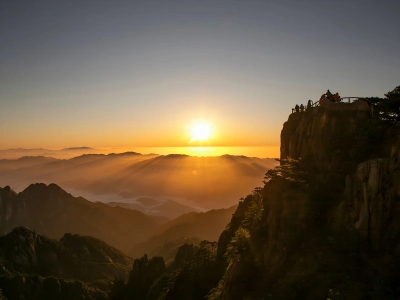
Traveling from Shanghai to Huangshan doesn't have to be complicated. From the breathtaking peaks of the Yellow Mountains to charming ancient villages, this guide gives you everything you need — practical travel options, must-know tips, and smart hacks — to make your Huangshan journey smooth, unforgettable, and stress-free.
Best Ways to Travel From Shanghai to Huangshan
There are several ways to reach Huangshan from Shanghai, depending on your priorities: speed, comfort, or budget.
1. By High-Speed Train / Comfortable & Scenic
Overview:
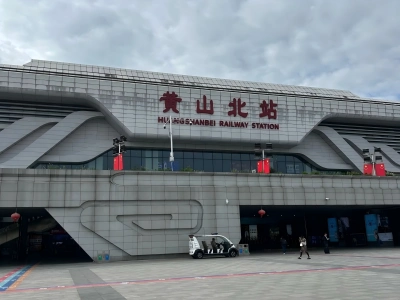
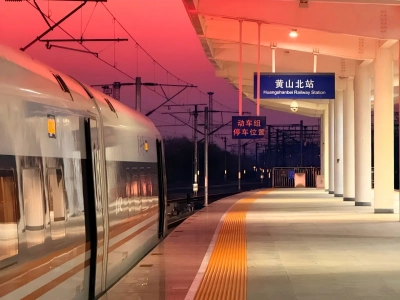
The high-speed train from Shanghai Hongqiao to Huangshan North is the most popular and reliable choice for most travelers. It offers scenic views of the countryside while being comfortable and punctual.
Departure & Arrival:
· Departure: Shanghai Hongqiao Railway Station
· Arrival: Huangshan North Railway Station
Duration: Approximately 4–5 hours
Ticket Booking Tips:
· Tickets can be booked via 12306.cn, Trip.com, or Fliggy.
· For peak seasons (spring flower season, National Day, autumn foliage), book 2–3 weeks in advance.
· Classes: Second Class (affordable, comfortable) or First Class (more spacious, quieter).
Getting to Huangshan Scenic Area from the Station:
· By Taxi: ~1 hour, ~CNY 150–200
· By Shuttle Bus: Regular buses run between Huangshan North Station and the scenic area (~CNY 30–50, 1–1.5 hours depending on traffic)
· Pro Tip: If traveling in a group, arranging a private transfer from the station is often faster and more convenient.
Pros: Comfortable, scenic, reliable, frequent departures (about every 30–60 minutes).
Cons: Requires transfer to reach the actual scenic area.
2. By Bus / Budget-Friendly Option
Overview:
Direct buses from Shanghai to Huangshan are available, mainly departing from Shanghai South Bus Station. While less common than trains, this is an affordable option for travelers on a tight budget.
Duration: Approximately 6–7 hours depending on traffic
Tickets & Booking:
· Tickets are usually available at bus stations or via online platforms such as Trip.com.
· Price range: CNY 150–250 per person depending on seat type.
Getting to Huangshan Scenic Area:
Most buses drop passengers in Tunxi or Huangshan City, then a taxi or local bus is needed to reach the scenic area (~1 hour).
Pros: Cheaper than trains, straightforward if on a tight budget.
Cons: Longer travel time, less comfort, limited luggage space.
Tips:
· Take an early morning bus to maximize your first day in Huangshan.
· Bring water and snacks for the journey.
3. By Plane / Fastest Option
Overview:
Flights from Shanghai to Huangshan Tunxi International Airport (TXN) are the quickest way to reach the region. Ideal for travelers with limited time or who prefer air travel.
Flight Time: Approximately 1.5 hours
Airlines: China Eastern, Shanghai Airlines, Spring Airlines (flights subject to seasonal schedule)
Tickets & Booking:
· Prices range from CNY 600–1200 depending on booking date and season.
· Book in advance during peak season for the best fares.
Getting to Huangshan Scenic Area from Airport:
· By Taxi / Private Transfer: ~1 hour, CNY 150–200
· By Airport Shuttle Bus: Runs to Tunxi (~CNY 30–50, 1 hour), then taxi or bus to the scenic area.
Pros: Fastest option, ideal for tight schedules.
Cons: Limited daily flights, additional transfer required to reach Huangshan Scenic Area.
Tips:
· Morning flights allow you to start exploring the scenic area the same day.
· Check local weather before booking — Huangshan can be foggy, and flight schedules sometimes adjust in poor visibility.
Quick Travel Summary
Option | Duration | Comfort | Cost | Notes |
High-Speed Train | 4–5 hrs | High | Medium | Most convenient, scenic |
Bus | 6–7 hrs | Medium | Low | Budget-friendly |
Flight | 1.5 hrs | High | High | Fastest, extra transfer required |
No matter which route you choose, traveling from Shanghai to Huangshan can be an enjoyable start to your mountain adventure. With a little planning, you can maximize your time on the Yellow Mountains and nearby villages, avoiding unnecessary stress.
Make your Shanghai to Huangshan trip easier with our private tours, designed with flexible schedules and expert local guides.
Getting to Huangshan Scenic Area From the Station or Airport
Once you arrive at Huangshan North Railway Station or Tunxi Airport, the final step is reaching the Huangshan Scenic Area (mountain entrance). This journey usually takes around 1–1.5 hours, and there are several practical transport options depending on your budget, group size, and travel style.
1. By Shuttle Bus (Most Budget-Friendly & Common)
Shuttle buses are the most commonly used public transport option for travelers heading to Huangshan Scenic Area. They are affordable and operate in sync with train arrivals and flight schedules.
Where to find the bus:
· At Huangshan North Railway Station: follow signs to the "Tourist Bus Center" outside the arrival hall
· At Tunxi Airport: shuttle buses usually depart from the airport exit area after flight arrivals
Route:
· Huangshan North Station → Tangkou Town (Scenic Area Entrance)
· Tunxi Airport → Tunxi City → Tangkou Town (transfer may be required depending on schedule)
Duration: Around 1–1.5 hours (depending on traffic and stops)
Cost: Approximately ¥30–50 per person
Departure frequency:
· Generally aligned with train arrivals and peak tourist flow
· More frequent during daytime, limited late evening services
Pros: Cheapest option , Reliable during peak season , Good for solo travelers or budget trips
Cons: Fixed departure times , May require waiting for the next bus , Less convenient with large luggage
Tip: If you arrive late in the evening, shuttle bus services may be limited—consider staying overnight in Tunxi or near the station instead of rushing to the mountain.
2. By Taxi or Private Transfer (Most Convenient Option)
Taxis and private transfers are the fastest and most comfortable way to reach Huangshan Scenic Area, especially for families, groups, or travelers with luggage.
Where to get a taxi:
· Official taxi stand outside Huangshan North Railway Station
· Airport taxi queue at Tunxi Airport arrival exit
· Pre-booked hotel or travel agency pick-up
Duration: About 60–70 minutes to Tangkou (Scenic Area Entrance)
Cost: Taxi: around ¥180–250 per car , Private transfer: ¥200–300 per car (fixed price, more stable)
Pros: Direct door-to-door service, No waiting time , Ideal for groups (cost per person becomes very reasonable) ,Works well for early morning or late arrival
Cons: Slightly higher cost than shuttle bus , Need to confirm fare in advance to avoid overcharging
Tip: For peace of mind, it is highly recommended to pre-book a private transfer via your hotel or travel platform, especially during peak seasons (spring and autumn weekends).
Which Option Should You Choose?
· If you're on a budget or prefer public transport → Shuttle Bus
· For groups, luggage-heavy trips, or those wanting a direct ride → Private Transfer / Taxi
· If arriving late or on a tight schedule → Pre-booked Taxi/Transfer for convenience
Huangshan Scenic Area & Cable Car Routes
Huangshan has several cable car systems designed to reduce hiking effort and maximize time on the peaks. Choosing the right route helps you cover the main highlights efficiently while avoiding unnecessary backtracking.
Cable Car | Route | Highlights | Best For |
Yungu Cable Car | East → White Goose Ridge | Fast access to main peaks, classic Huangshan scenery | Standard itineraries, first-time visitors |
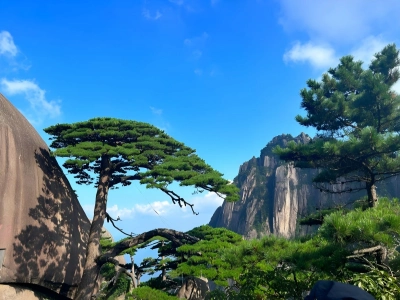
Yuping Cable Car | South → Greeting Pine | Iconic views, ideal for sunrise and photography | Photography enthusiasts, classic peak loop |
Taiping Cable Car | North → Less crowded peaks | Quiet trails, nature-focused, fewer visitors | Repeat visitors, those seeking tranquility |
Donghai Cable Car (New) | East → Cloud Valley & North Peak | Modern route, smooth ride, reduced hiking to North Peak | Those seeking a shorter ascent with panoramic views, convenient for first-time visitors |
Recommended Strategy
· Ascend via Yungu Cable Car (or Donghai Cable Car for faster access to North Peak), reaching the main peaks quickly
· Hike across the major scenic trails, including Bright Summit, Lotus Peak, and other iconic viewpoints
· Descend via Yuping Cable Car, completing a loop that avoids backtracking and ensures coverage of all highlights
· Alternative for photography-focused visitors: Ascend via Donghai Cable Car for quick access to North Peak → hike through secondary trails → descend via Yuping for classic sunset views
Tips for Cable Car Use
· Timing: Arrive early to avoid crowds, especially on Yungu, Yuping, and Donghai routes
· Tickets: Buy cable car tickets in advance online or at the scenic area entrance; Donghai Cable Car may have limited capacity due to being newer
· Weather: Cable cars may close in strong wind or heavy fog
· Photography: Sunrise is best from peaks accessible via Yuping; North Peak via Donghai provides modern panoramic views with fewer people in early morning
How Many Days Should You Plan for Huangshan?
Choosing the right number of days for Huangshan depends on your schedule, interests, and how much of the mountains and surrounding villages you want to experience. Here's a detailed guide:
1-Day Trip (Rushed)
· Suitable only if you are already staying in Tunxi or close to the scenic area
· Focus is limited to a cable car ride and a short visit to 1–2 main viewpoints
· Most hiking routes, including longer scenic trails, will need to be skipped
· Sunrise and sunset experiences are usually not possible due to time constraints
Best for: Very tight schedules or transit stopovers
Limitation: High pace with minimal flexibility
2-Day / 1-Night Trip (Recommended)
· Travel from Shanghai in the morning or early afternoon and arrive in Huangshan the same day
· A short stop in Tunxi Old Street or Hongcun Village can be included before heading to the mountain area
· Stay overnight near Tangkou (scenic entrance area) for early mountain access
· The following day is dedicated to Huangshan Mountain exploration
· Take a cable car up early to catch morning light or sunrise conditions
· Explore key highlights such as Bright Summit and Lotus Peak, along with surrounding scenic trails
· Descend by cable car in the afternoon and return to Tunxi or continue your journey
Best for: First-time visitors from Shanghai
Highlights: Balanced pace, main viewpoints covered, chance for sunrise or sunset photography
3-Day / 2-Night Trip (Relaxed & Photography Focus)
· Allows a slower arrival from Shanghai with time to explore Tunxi or nearby ancient villages on the first day
· One full day is dedicated entirely to Huangshan Mountain, including multiple hiking sections and cable car routes
· Extra time provides flexibility to adjust for weather conditions, which is important in mountain regions
· Additional day can be used to visit Hongcun or Xidi Village, or enjoy a more relaxed cultural experience before returning
Best for: Photography-focused trips or slow travel
Highlights: Full coverage of mountain scenery + villages, flexible pacing, better weather adaptability
Planning Tip
For first-time visitors from Shanghai, 2 days / 1 night is generally the sweet spot — enough time to experience Huangshan's iconic peaks, enjoy sunrise or sunset, and see at least one nearby village without feeling rushed.
Self-Guided vs Guided Tours from Shanghai to Huangshan
When planning a trip from Shanghai to Huangshan, you can either travel independently or join a guided tour. Both options work, but the experience, convenience, and overall efficiency are quite different.
Self-Guided Travel
Plan and manage everything on your own — train or flight transfers, accommodation, tickets, and hiking routes.
Pros:
· Flexible schedule with control over timing
· Freedom to choose accommodation and pace
· Lower cost if well organized
Cons:
· Need to handle train/transfer connections and mountain navigation
· Cable car tickets and scenic area logistics must be managed personally
· Planning and coordination take additional time
· Risk of missing key viewpoints without local guidance
Best for:
Those comfortable organizing transport and itineraries independently, and who prefer flexibility over convenience.
Guided Tour (Recommended)
A guided tour handles all logistics from Shanghai to Huangshan, including transfers, accommodation, scenic area access, and optimized routes.
Pros:
· Fully arranged transportation, eliminating transfer stress
· Pre-planned itinerary covering all main highlights efficiently
· Priority access for cable cars and popular scenic spots
· Guides provide route navigation and insights about the area
· Maximizes time on the mountain and surrounding attractions
Cons:
· Fixed itinerary with less personal flexibility
· Higher cost compared to self-planning
Best for:
Anyone who prefers a smooth, well-organized journey, wants to avoid logistical stress, or is aiming to see the highlights efficiently in a limited time.
Recommended Shanghai to Huangshan Guided Tours
Structured guided tours from Shanghai are designed to make the most of your trip while avoiding logistical hassles. Popular options include:
Recommended Huangshan Itineraries: 2-Day & 3-Day Trips
Whether you have a short schedule or want a relaxed photography-focused trip, here are practical itinerary options from Shanghai to Huangshan.
2-Day Shanghai → Huangshan Trip (Recommended)
Day 1: Travel from Shanghai to Huangshan, then explore nearby highlights:
· Afternoon: Walk through Tunxi Ancient Street, browse local shops and snacks
· Late afternoon: Visit Hongcun Village, enjoy traditional Anhui architecture
· Evening: Overnight near Tangkou / Huangshan Scenic Area or Tunxi
Day 2: Full day on Huangshan Mountain
· Early morning: Take a cable car up the mountain to catch sunrise or early light
· Hike main peaks: Bright Summit, Lotus Peak, and other iconic viewpoints
· Afternoon: Descend via Yuping Cable Car
· Evening: Return to Shanghai via train or private transfer
Highlights: Balanced pace, main scenic spots covered, ideal for first-time visitors from Shanghai
3-Day Photography / Leisure Trip
· Arrival day: Travel from Shanghai, optional stop at Tunxi Ancient Street or Hongcun Village
· Second day: Full day on Huangshan Mountain
o Cable car access for sunrise or early morning photography
o Hike main peaks and secondary trails for varied viewpoints
· Final day: Explore Xidi Village or other nearby cultural attractions
o Return to Shanghai in the evening
Highlights: More relaxed pace, full coverage of mountain scenery and nearby villages, ideal for photography enthusiasts or those wanting extra leisure time
Tips for Both Itineraries
· Cable car tickets: Pre-book online to avoid lines, especially during peak season
· Accommodation: Staying near Tangkou is most convenient for early mountain access
· Packing: Bring comfortable hiking shoes, water, and light snacks for mountain trails
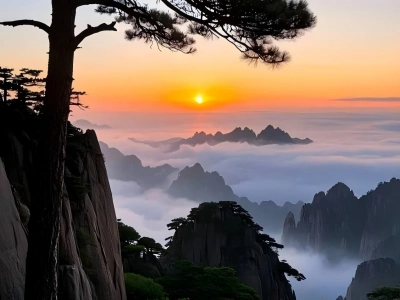
Where to Stay in Huangshan: Top Hotels & Guesthouses
Choosing the right place to stay in Huangshan can make a big difference in your mountain experience.
Tunxi / Huangshan City is ideal if you prefer convenient transport and plenty of dining options. Staying here is practical for those arriving late from Shanghai or departing early. Hotels near Huangshan North Railway Station or Tunxi Airport make transfers simple and reduce travel stress.
Near the Scenic Area (Tangkou or cable car entrances) is perfect for those who want early mountain access, sunrise views, and a full day on Huangshan. Guesthouses and boutique hotels in this area often provide scenic views and a local atmosphere. Choosing accommodation close to Yungu, Yuping, or Donghai cable cars saves commuting time and allows you to maximize your time on the peaks. Some hotels also offer shuttle service directly to the mountain entrance.
Tips:
· Book accommodation well in advance during peak seasons (spring and autumn) to secure the best rooms.
· Check guesthouse reviews for proximity to cable car stations if you plan early mountain hikes.
· Be aware that some boutique guesthouses near the scenic area may have fewer amenities than city hotels, so plan accordingly.
Huangshan Travel Tips: Everything You Need to Know
Planning a trip to Huangshan can be a lot smoother if you know the key tips. Here's a comprehensive guide to make your visit safe, comfortable, and enjoyable.
Best Season:
· Spring (March–May): Blooming flowers and mild temperatures
· Autumn (September–November): Golden foliage and clear skies
· Tip: Summer can be hot and crowded; winter is cold but offers snow scenery
What to Bring:
· Footwear: Comfortable, sturdy hiking shoes for mountain trails
· Clothing: Light layers that can be added or removed easily; windbreaker for higher altitudes
· Gear: Camera or smartphone for photos, reusable water bottle, snacks, power bank
· Optional: Walking poles if planning long hikes
Avoiding Crowds:
· Weekdays are quieter; weekends and Chinese national holidays are very crowded
· Start early to catch sunrise and enjoy less crowded trails
Photography Tips:
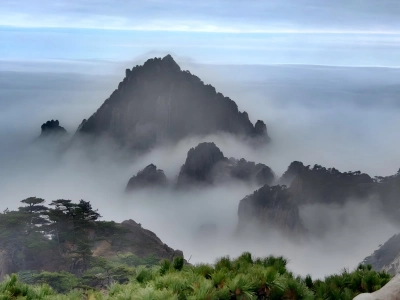
· Misty mornings provide iconic Huangshan mountain shots
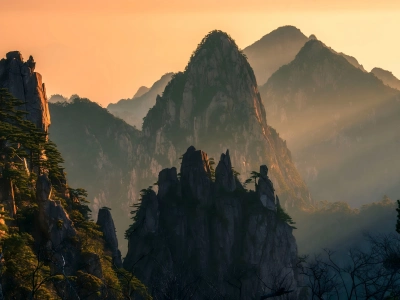
· Late afternoon/early evening light adds golden tones to peaks
· Cable car ascents give unique aerial photo opportunities
Food & Dining:
· Bring snacks and water for mountain hikes
· Restaurants near Tunxi and scenic area are limited; prices may be higher
· Local specialties: Anhui cuisine, steamed buns, tea
Transportation & Transfers:
· High-speed train from Shanghai takes 4–5 hours; flights are fastest but require transfers
· Shuttle buses and taxis connect Huangshan North Station or Tunxi Airport to the mountain area
· Staying near cable car entrances (Yungu, Yuping, Donghai) saves commuting time
Cable Car & Hiking Tips:
· Ascend via one cable car and descend via another to avoid backtracking
· Check weather before starting — cable cars may close in strong wind or fog
· Plan for at least one full day on the mountain to cover major peaks
Safety & Health:
· Carry a small first-aid kit, band-aids, and any personal medications
· Drink plenty of water, take breaks, and know your limits on steep trails
· Watch out for slippery paths, especially in wet or misty conditions
Accommodation Tips:
· Stay near Tangkou or cable car entrances for early mountain access
· City hotels in Tunxi offer more dining and transport convenience
· Book at least 2–3 months in advance during spring and autumn peak seasons
Extra Tips:
· Sunrise and sunset spots can get crowded; arrive early
· Use official ticket counters or trusted booking platforms to avoid scams
· Consider guided tours if you want a stress-free experience and local insights
Frequently Asked Questions about Huangshan Tour From Shanghai
Q: Can I visit Huangshan in a single day?
A: It is possible but very rushed. A 2-day trip is strongly recommended to fully enjoy the cable cars, main peaks, and mountain scenery without time pressure.
Q: Is it better to self-guide or join a guided tour?
A: Guided tours are recommended for first-time trips as they handle transport, tickets, and route planning. Self-guided travel works better for those familiar with logistics and who prefer flexibility.
Q: Which cable car route is best for first-time visits?
A: The most efficient route is usually Yungu Cable Car up and Yuping Cable Car down, as it covers the main highlights. Taiping Cable Car is quieter and less crowded.
Q: How long does it take to travel from Shanghai to Huangshan?
A: High-speed train takes around 4–5 hours, buses take about 6–7 hours, and flights take around 1.5 hours plus additional transfer time to the scenic area.
Q: Where is the best place to stay in Huangshan?
A: Staying near the scenic area entrance (Tangkou) is best for early mountain access, while Tunxi / Huangshan city offers more dining options and easier transport connections.
Q: What should I bring for a Huangshan trip?
A: Comfortable hiking shoes, layered clothing, a windproof jacket, water, snacks, a camera, and a power bank. These are essential for mountain conditions and long walking routes.