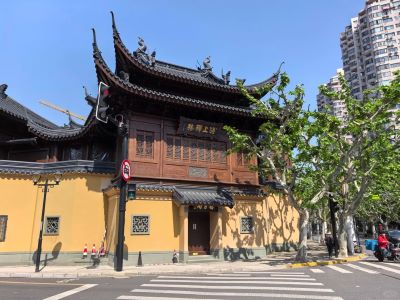
Step into Yuyuan Old Street and you'll find a very different side of Shanghai, where traditional architecture, red lanterns, bustling markets and local snacks replace the city's modern skyline. At the heart of Shanghai's Old Town, Shanghai Yuyuan Bazaar surrounds the famous Yu Garden and City God Temple, making it an easy place to experience Shanghai's history, food and traditional culture in one visit.
From strolling across the Nine-Turn Bridge and exploring traditional shops to trying xiaolongbao and enjoying the lively atmosphere after dark, there are plenty of things to do at Shanghai Old Street. This guide covers the highlights, food, shopping, best time to visit, transportation and practical tips to help you plan your visit.
Ready to see more of Shanghai? Explore our recommended tours.
What Is Yuyuan Old Street?
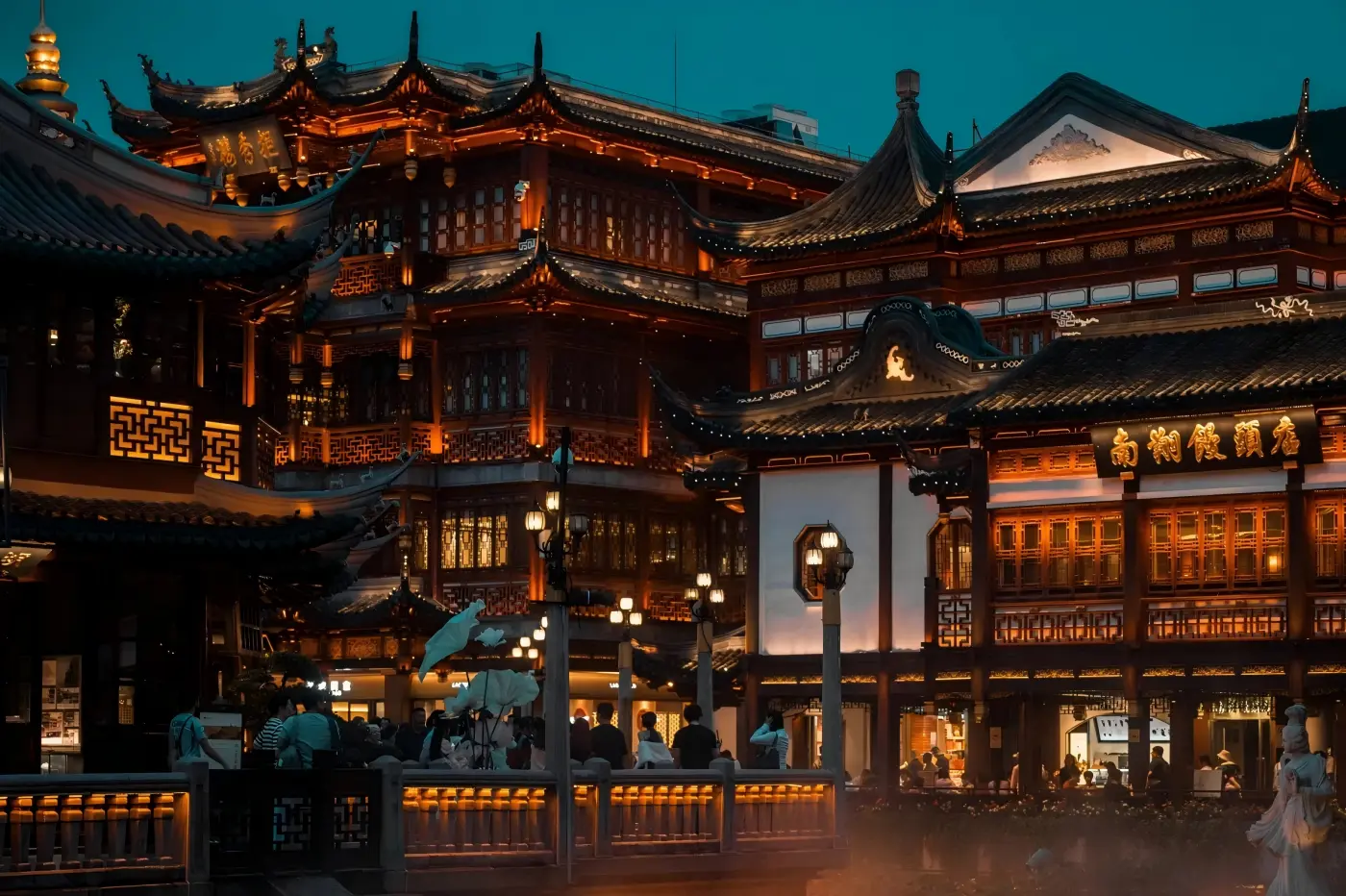
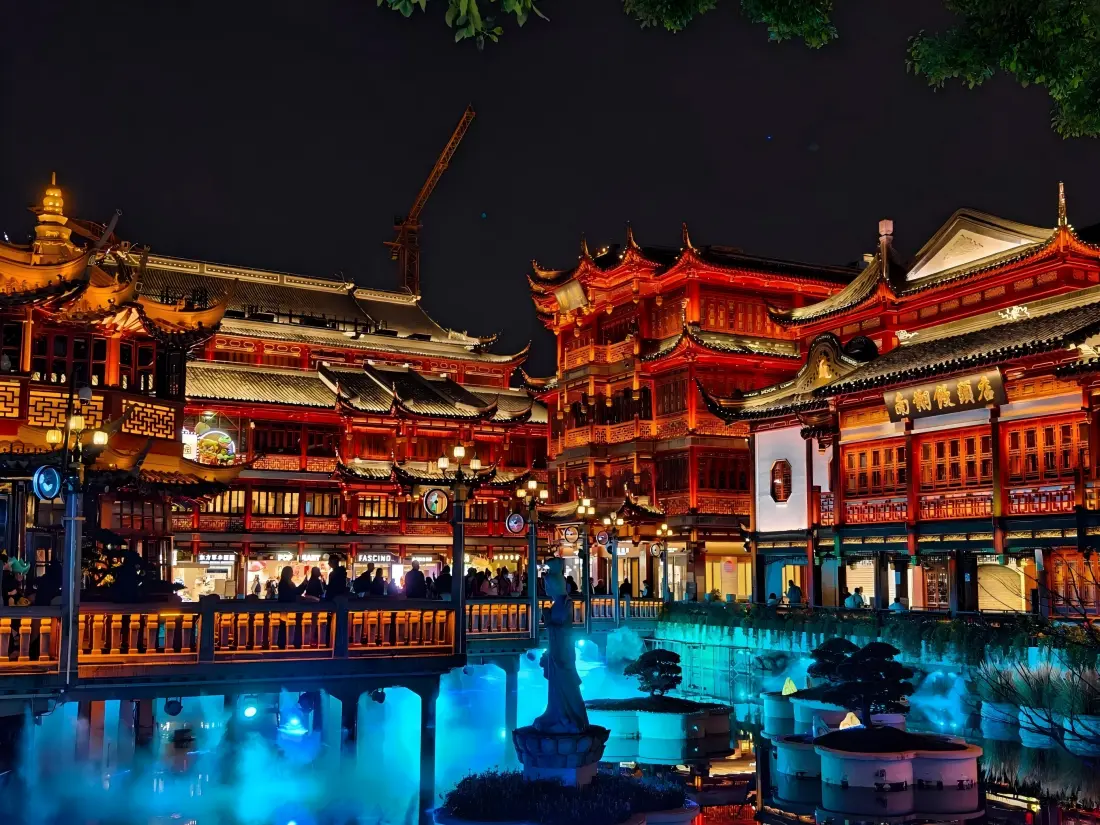
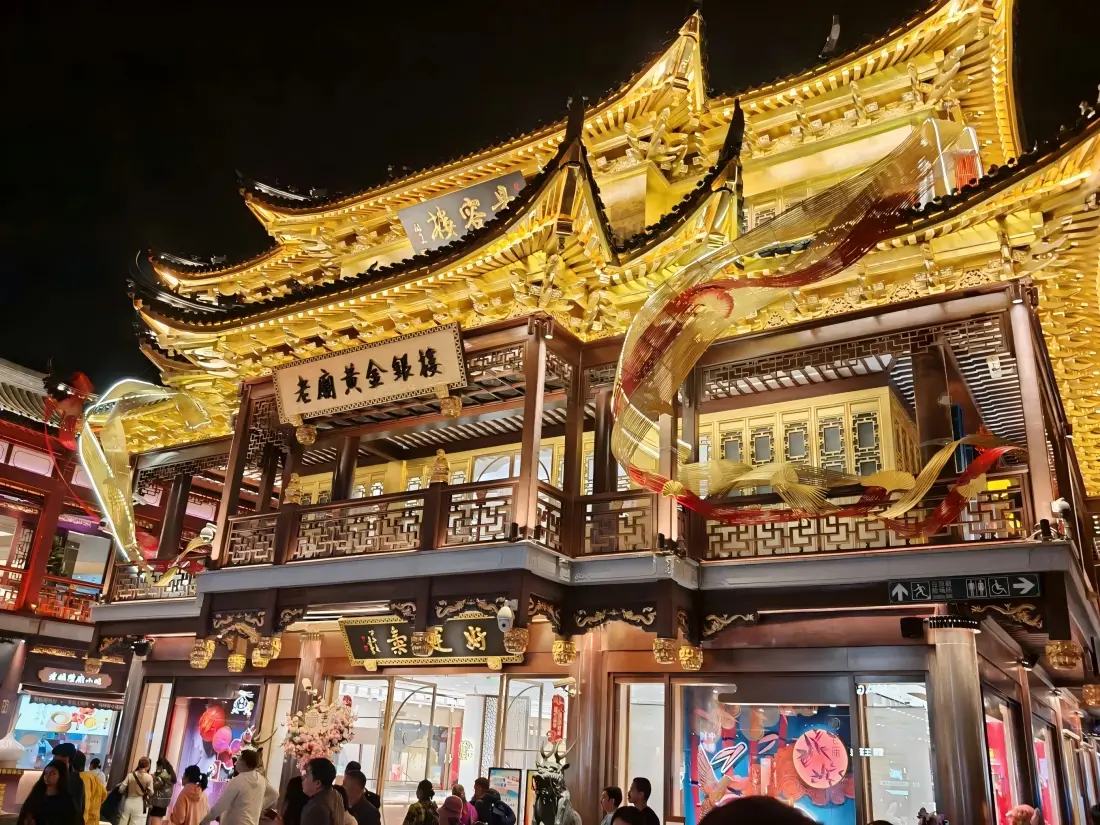
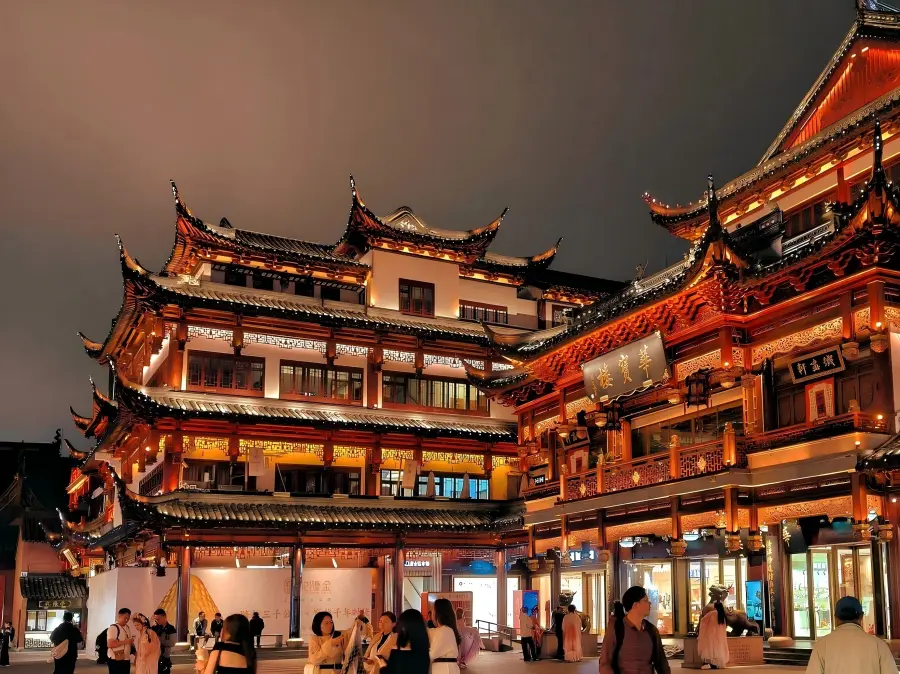
Yuyuan Old Street is one of the most popular areas to experience the traditional side of Shanghai. Located in the heart of Shanghai's Old Town, it is known for its traditional-style architecture, curved rooftops, red lanterns, stone bridges, local food and lively shops. The area is centered around Shanghai Yuyuan Bazaar, a bustling commercial district surrounding Yu Garden.
The history of the area goes back centuries, when the surroundings of Yu Garden and the City God Temple developed into a busy local market. Today, much of the area has been restored and developed for tourism, but it still offers a convenient way to experience traditional Chinese architecture, snacks, tea culture and local shopping in one place.
Why Visit Shanghai Yuyuan Bazaar?
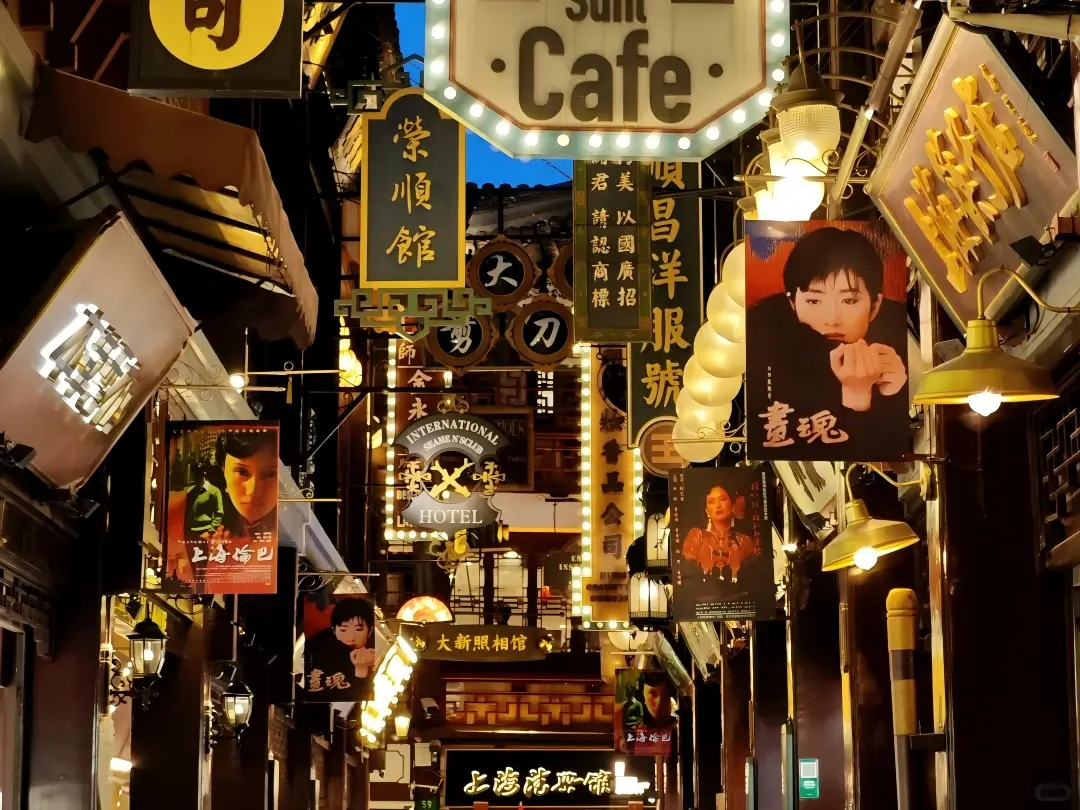
If you only see Shanghai's skyscrapers and shopping streets, you're missing another side of the city. Around Yuyuan Bazaar, the pace feels a little different. Traditional-style buildings, busy little streets and old neighborhood landmarks sit alongside modern restaurants and shops, giving you a glimpse of what Shanghai looked and felt like before the skyline took over.
A Classic Part of Shanghai Old Town
Yuyuan Bazaar sits in the heart of Shanghai's Old Town, making it one of the easiest places to get a feel for this historic part of the city. The traditional buildings and winding streets give the bazaar a very different look from the glass towers and wide avenues elsewhere in central Shanghai.
A Bazaar Built Around Food and Shopping
The name “bazaar” is quite fitting. The area brings together restaurants, snack shops, tea houses, souvenir stores and traditional-style businesses, so there is always something happening along the streets. It can be busy, especially during peak hours, but that lively atmosphere is part of what makes Yuyuan Bazaar feel like a real destination rather than just a backdrop for photos.
A Compact Area with Plenty to Explore
Another advantage of Yuyuan Bazaar is its compact layout. The main streets, Yu Garden and other landmarks in the surrounding Old Town are all within easy walking distance. You can drop by for a quick stroll, or slow down and spend several hours exploring the area, eating and browsing the shops.
Best Things to Do at Yuyuan Old Street
Once you've arrived at Yuyuan Bazaar, the best approach is not to rush from one landmark to another. Give yourself a little time to wander. The area is compact, but there are plenty of small details, snacks and corners worth stopping for along the way.
Walk Through Shanghai Yuyuan Bazaar
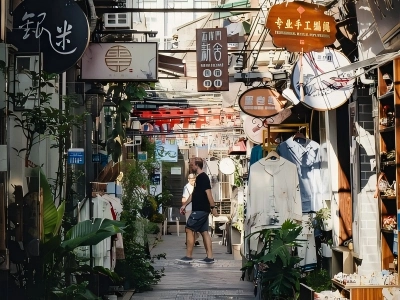
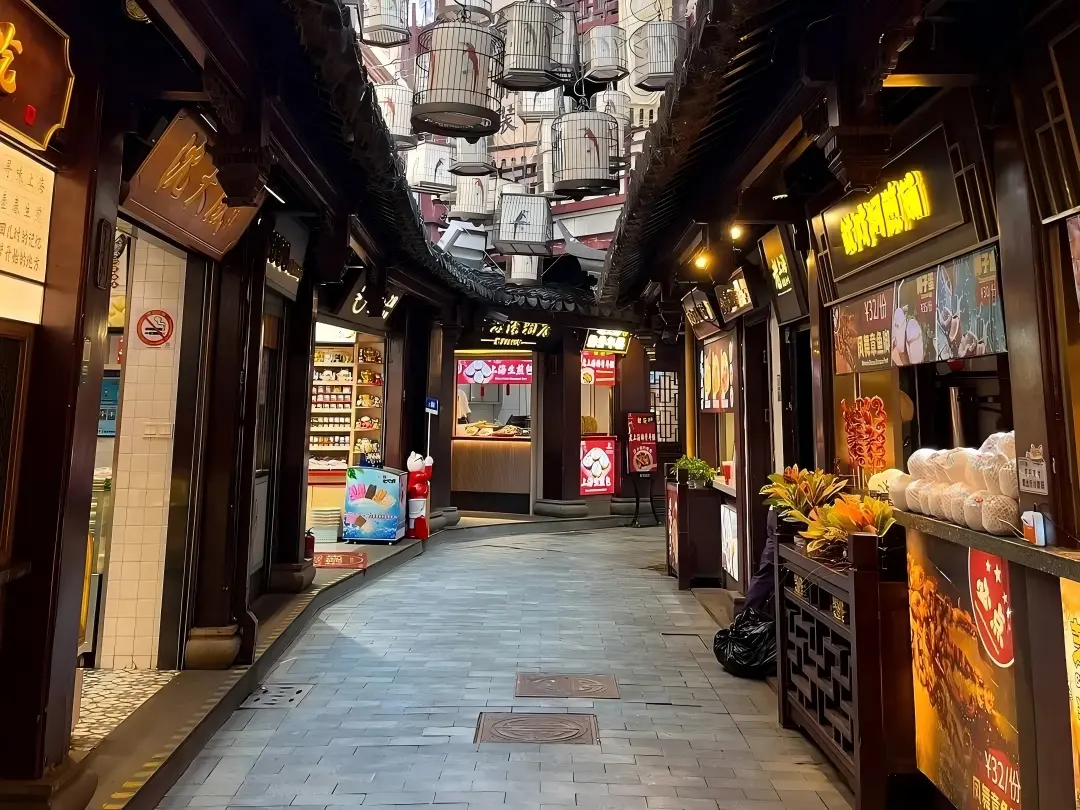
Start with a relaxed walk through the main streets of the bazaar. Traditional-style buildings, curved rooftops, lanterns and busy storefronts create the classic Yuyuan scene. The main area can get crowded, but don't let that put you off — some of the smaller lanes around the bazaar are quieter and are worth exploring at your own pace.
Cross the Nine-Turn Bridge
The Nine-Turn Bridge is one of the most recognizable spots in Yuyuan. Its zigzag shape crosses the pond beside Huxinting Teahouse, creating a classic Chinese garden scene. Take your time crossing rather than treating it as just another photo stop. From different points along the bridge, you'll get changing views of the water, pavilions and surrounding buildings.
Stop by Huxinting Teahouse
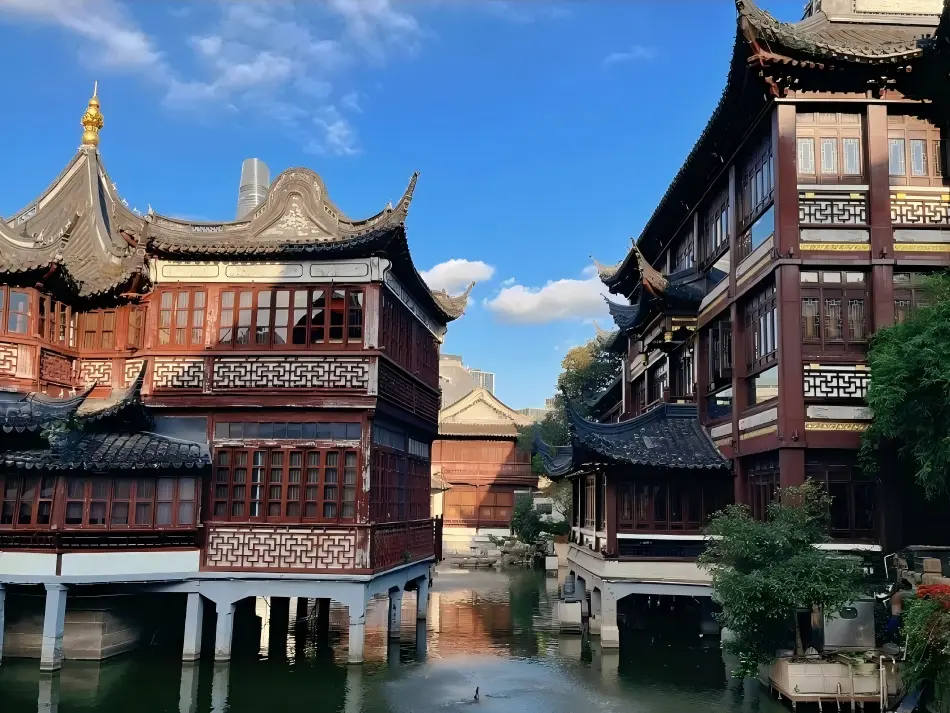
Standing beside the Nine-Turn Bridge, Huxinting Teahouse is one of the most distinctive landmarks in the Yuyuan area. Its traditional pavilion-style design and position over the water make it hard to miss. Even if you don't stop for tea, it's worth taking a moment to look around and enjoy one of the most recognizable corners of the bazaar.
Try Shanghai's Local Snacks
You'll have a hard time walking through Yuyuan Bazaar without noticing the food. This is a good place to try some of Shanghai's best-known snacks, from xiaolongbao and shengjian mantou to crab-shell pastries and traditional sweets.
Rather than making one huge meal out of it, we recommend trying a few smaller things as you walk. It's much more fun — and leaves room for dessert.
Browse the Traditional Shops
The bazaar is also a convenient place to look for Shanghai-themed souvenirs. Depending on the shop, you'll find Chinese tea, silk products, handicrafts, fans, calligraphy items and all kinds of small gifts.
For inexpensive souvenirs, browsing is part of the fun. If you're considering something expensive, especially jade or antiques, take your time, compare prices and make sure you understand exactly what you're buying.
Rent Hanfu for Immersive Cultural Photos
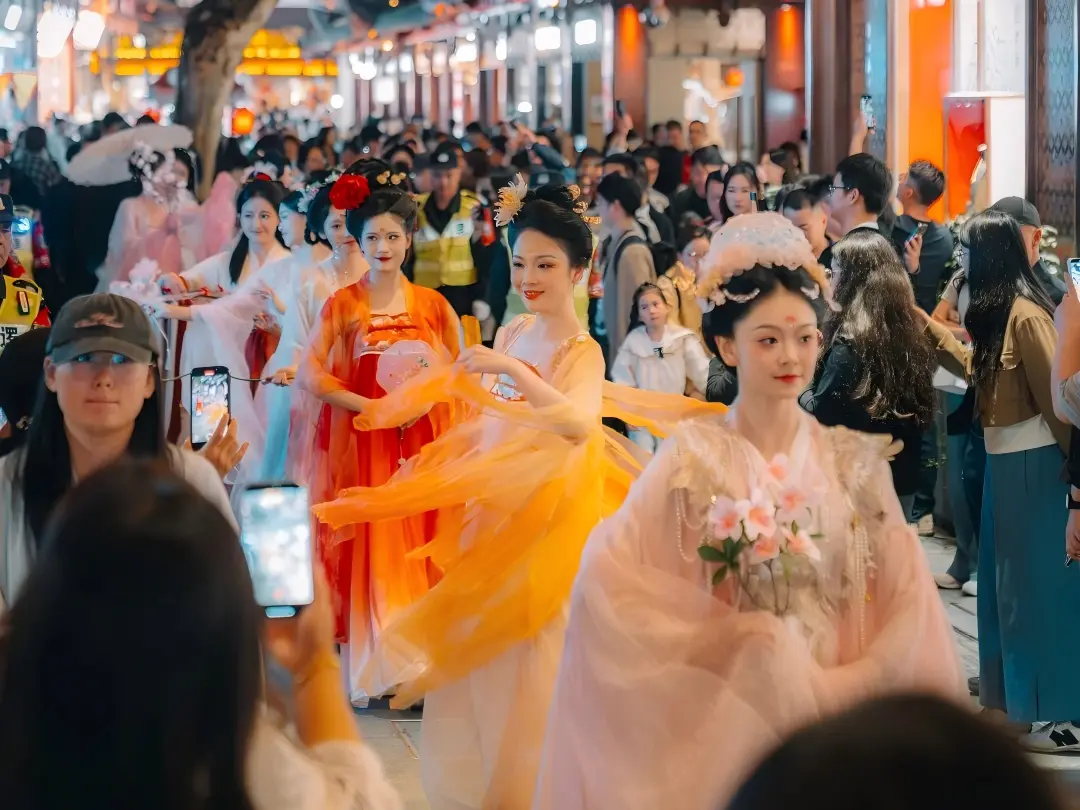
One of the more popular ways to experience Yuyuan is to rent a Hanfu, have your hair and makeup styled, and spend a few hours exploring the area in traditional Chinese dress. With the old-style rooftops, bridges and lanterns around Yuyuan, the setting works particularly well for photos. Some local experiences also offer professional photographers who guide you through poses and choose shooting spots around Yu Garden.
Try a Traditional Chinese Handicraft
If you'd like to do more than just walk around and take photos, look for one of the small handicraft experiences around Yuyuan Bazaar. Depending on what's available, you may be able to try lacquer fan painting, Chinese paper cutting, fan painting, calligraphy, traditional painting and other small crafts.
These activities are usually easy to join, even if you have never tried them before. They're a nice way to slow down for a while, especially with children or friends, and you can take your finished piece home as a little reminder of your time at Yuyuan.
What to Eat at Yuyuan Old Street
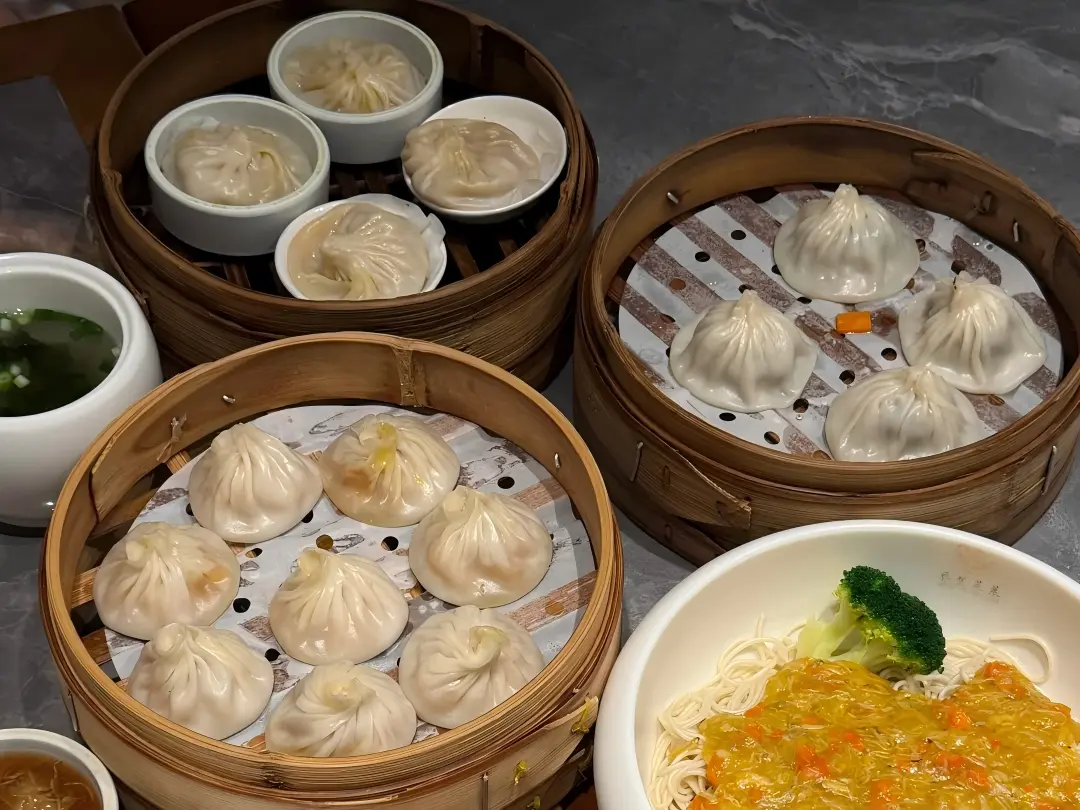
Yuyuan Bazaar is a paradise for food lovers, where every turn brings another tempting Shanghai specialty. Wander through the lively lanes and sample juicy xiaolongbao, crispy shengjian, traditional sweets and savory local snacks — all perfect for sharing as you explore. When you're ready to slow down, settle into one of the area's time-honored restaurants for an authentic Shanghainese meal.
Xiaolongbao: Shanghai's Signature Soup Dumplings
You can't really come to Yuyuan without trying xiaolongbao. These small steamed dumplings are filled with pork and hot soup, so take a small bite first, let some steam escape, then enjoy the broth. If you're feeling adventurous, try a crab-filled version as well.
Nanxiang Mantou Dian
Why go: This is the classic Yuyuan stop for xiaolongbao. The restaurant has been associated with the area since 1900, and its location right in the bazaar makes it especially convenient for first-time visitors. You can choose the casual takeaway option downstairs or sit down upstairs for a wider menu.
What to order: Classic pork xiaolongbao, crab-roe xiaolongbao
Average price: About RMB 50–80 per person
Shengjian: Shanghai's Crispy Pan-Fried Buns
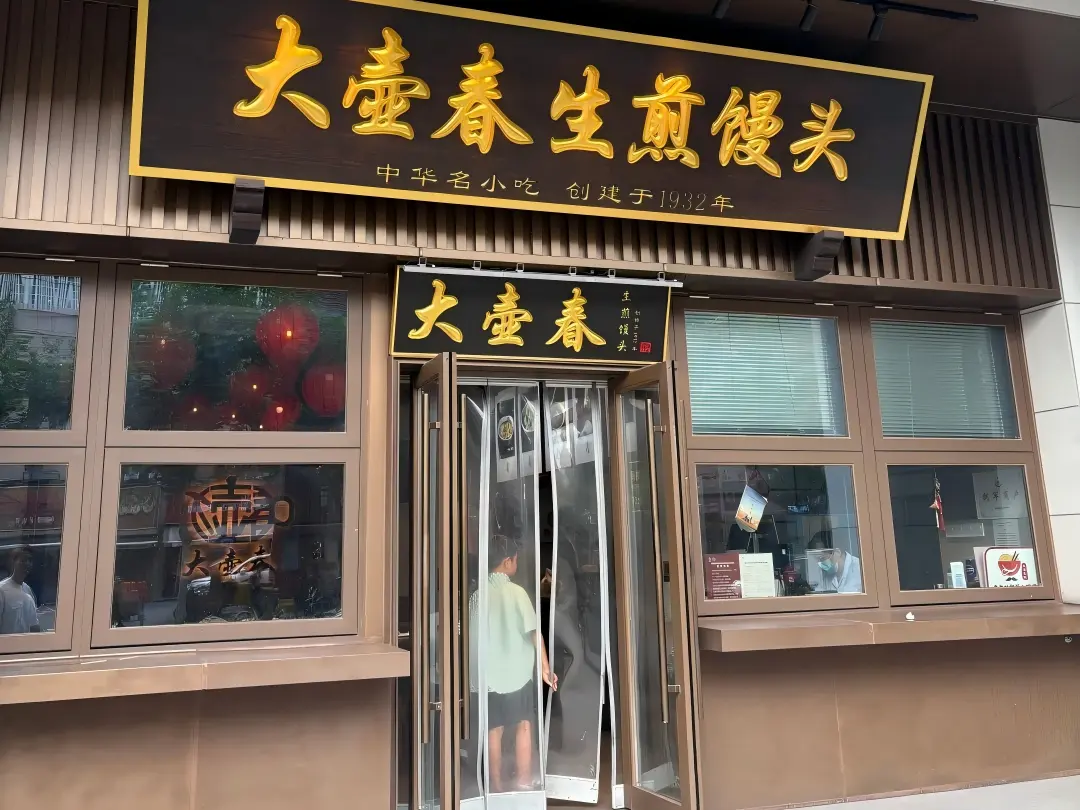
If xiaolongbao is soft and delicate, shengjian mantou is its more robust cousin. These pan-fried buns have a golden, crispy bottom, a fluffy top and juicy pork filling. They're particularly good when you want something quick and filling.
Da Hu Chun
Why go: Da Hu Chun is one of Shanghai's old-school names for shengjian. It's more of a casual food stop than a fancy restaurant, which is exactly what you want when you're craving a couple of hot, crispy buns.
What to order: Traditional pork shengjian, beef shengjian if available
Average price: Around RMB 30–50 per person
Good for: A quick, inexpensive meal
Traditional Shanghai Snacks & Sweets
Leave some room for the smaller things. Around Yuyuan, you'll come across crab-shell pastries, sesame cakes, glutinous rice treats, tangyuan and traditional Chinese sweets. They are usually inexpensive and easy to share, making them perfect for a little food crawl.
Ningbo Tangtuan Dian
Why go: This is the place to try traditional Ningbo-style tangyuan, especially the classic black sesame-filled version. The soft, chewy texture and sweet sesame filling make a nice change after savory dumplings.
What to order: Black sesame tangyuan, traditional Ningbo-style sweets
Average price: About RMB 20–40 per person
Good for: Dessert lovers and anyone wanting to try something distinctly traditional
Traditional Shanghainese Cuisine
If you want to move beyond snacks, order a proper Benbang meal. Shanghai cuisine is known for its rich, savory-sweet flavors, with classics such as braised pork, sweet-and-savory fish and seasonal vegetables.
Shanghai Lao Fan Dian
Why go: Shanghai Lao Fan Dian is one of the area's classic names for traditional Shanghainese cooking. It is a better fit if you want to sit down and try several dishes rather than simply grab a famous snack. The restaurant is on Fuyou Road, close to the Yuyuan area.
What to order: Braised pork, smoked fish and other classic Benbang dishes
Average price: About RMB 100–150 per person, depending on the dishes ordered
Good for: Families and travelers wanting a proper Shanghainese meal
Lu Bo Lang
Why go: Right in the heart of the Yuyuan area, Lu Bo Lang is one of the better-known traditional restaurants around the bazaar. The setting is more polished than a snack shop, making it a good choice if you want your meal to feel like part of the Yuyuan experience. It has also become well known for hosting visiting international figures.
What to order: Shanghainese specialties, dim sum and seasonal dishes
Average price: Around RMB 150–250+ per person
Good for: A nicer lunch or dinner, families and special occasions
Vegetarian Shanghai Food
Shanghai food is not all about pork and seafood. If you prefer vegetarian food, Yuyuan has a couple of long-established options worth knowing about.
Gongdelin
Why go: Gongdelin is one of Shanghai's well-known vegetarian restaurants, offering Chinese-style dishes made with vegetables, mushrooms, tofu and vegetarian substitutes. It is a good option if someone in your group doesn't eat meat but still wants to experience traditional Chinese flavors.
What to order: Vegetarian dumplings, tofu dishes, mushroom dishes and noodles
Average price: Around RMB 60–100 per person
Good for: Vegetarians and families with mixed dietary preferences
Songyue Lou
Why go: Songyue Lou has been serving vegetarian food since 1910 and is particularly known for its vegetarian buns. It's a good option if you want something lighter or simply want to try a different side of Shanghai's traditional food culture.
What to order: Vegetarian buns, vegetarian noodles and traditional dim sum
Average price: Around RMB 30–60 per person
Good for: Vegetarians, light meals and traditional local flavors
What to Buy at Shanghai Yuyuan Bazaar
Shopping at Shanghai Yuyuan Bazaar is less about hunting for big-name brands and more about finding something with a bit of traditional Chinese character. The shops around the bazaar sell everything from tea and silk to small handicrafts and Shanghai-themed souvenirs.
Chinese Tea
Tea is one of the easiest souvenirs to bring home from Yuyuan. You'll find shops selling well-known Chinese teas such as Longjing, Biluochun, Tieguanyin and Pu'er, often in beautifully packaged tins or gift boxes.
If you're buying tea for yourself, ask to smell or taste it first when possible. For gifts, packaged tea is an easy choice because it travels well and doesn't take up much room in your suitcase.
Good for: Tea drinkers, family and business gifts
Price: From around RMB 50 for simple gift packs to several hundred RMB or more for premium tea
Silk Products
Silk is another classic Chinese souvenir, and Yuyuan is a convenient place to browse silk scarves, handkerchiefs, clothing and small home accessories. A silk scarf is probably the easiest option if you want something traditional without carrying a bulky gift home.
Tips: When comparing products, check the material label rather than judging by how soft the fabric feels. If something is described as pure silk, make sure the label matches.
Good for: Gifts, couples and something a little more refined
Price: Roughly RMB 100–500+, depending on the material and craftsmanship
Chinese Handicrafts
Take your time browsing the smaller shops around Yuyuan Bazaar, where you'll find painted fans, paper-cutting, calligraphy, lacquerware, embroidery and other traditional crafts. Some are simple gifts, while others are beautifully made pieces worth keeping.
If you want something with a little more character, look for handmade or Shanghai-inspired designs rather than the usual mass-produced souvenirs.
Good for: Culture lovers and thoughtful gifts
Price: Usually around RMB 30–300+, with handmade or more elaborate pieces costing more
Chinese Fans
Traditional Chinese fans are one of the easiest souvenirs to buy at Yuyuan. Look for folding fans, silk fans and painted fans, often decorated with flowers, landscapes or calligraphy. They're light, inexpensive and easy to pack, making them a particularly good choice if you're buying gifts for several people.
Good for: Small gifts and easy-to-pack souvenirs
Price: Around RMB 30–200+
Shanghai-Themed Souvenirs
For something that feels more connected to the city, look for Shanghai-themed souvenirs featuring the Bund, old Shanghai streets, the skyline or local landmarks. Postcards, small decorations and miniature buildings are easy to spot around the bazaar and make simple gifts for friends or colleagues.
Good for: Small gifts and office souvenirs
Price: Around RMB 10–100
Traditional Snacks and Packaged Food
If you're looking for an edible souvenir, Yuyuan Bazaar has plenty to choose from, including traditional pastries, candies, sesame treats and other local snacks. They're easy to pack, easy to share, and a nice way to keep a taste of Shanghai for later.
For gifts, go for individually wrapped or boxed treats, especially if you still have a few days of travel ahead.
Good for: Family, colleagues
Price: Around RMB 20–150 depending on the product and packaging
Shopping Tips at Yuyuan Bazaar
Take your time and compare prices before buying, especially for tea, silk and handicrafts. In some independent souvenir shops, you can try friendly bargaining, particularly when buying several items. Start with a reasonable offer and keep it relaxed. Fixed-price shops usually don't require bargaining.
For expensive items such as jade or antiques, check the quality and authenticity carefully before paying.
Best Photo Spots at Yuyuan Old Street
Yuyuan Bazaar is one of those places where you can put your camera away for ten minutes and still find yourself reaching for it again. Traditional rooftops, lanterns, bridges and water are packed into a relatively small area, so you don't need to walk far to find a good frame. Here are a few spots worth keeping in mind.
Nine-Turn Bridge
The Nine-Turn Bridge is probably the most recognizable photo spot around Yuyuan. Its zigzag shape crosses the pond beside Huxinting Teahouse, giving you plenty of angles to play with.
Instead of photographing the bridge straight on, try standing to one side and using the curves as leading lines. The water, pavilion and traditional buildings in the background help create a classic Chinese-style composition.
Best time: Late afternoon or early evening, when the light is softer and the lanterns begin to come on.
Huxinting Teahouse
The elegant Huxinting Teahouse is hard to miss, especially when viewed from across the water. Its dark roof, upturned eaves and position over the pond make it one of the easiest places to get that classic Yuyuan shot.
Try photographing it from the Nine-Turn Bridge or from the edge of the pond. After dark, the reflections in the water add another layer to the picture.
Best for: Traditional architecture and evening photos.
Yuyuan Bazaar Main Streets
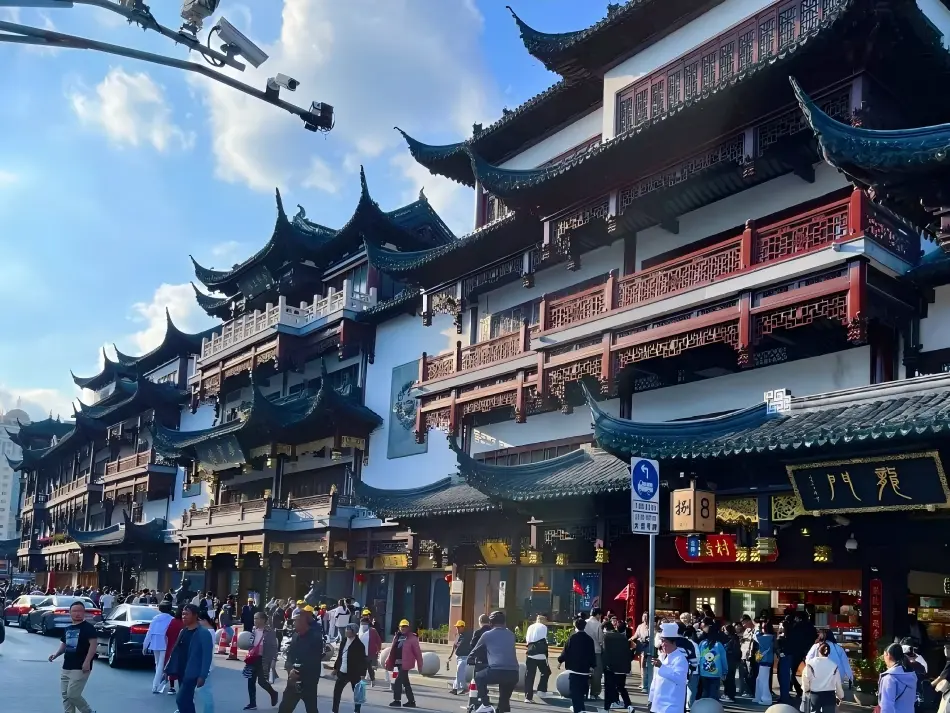
Don't only photograph the famous landmarks. The main streets of Yuyuan Bazaar are where you'll capture the lively side of the area — traditional fa?ades, red lanterns, shop signs and people moving through the streets.
A wide-angle shot works well here, but candid photos can be even better. Walk a little farther into the bazaar and look for a moment when the crowds, buildings and lanterns naturally come together.
Tip: Early morning is much easier if you want cleaner shots without large crowds.
Traditional Rooflines & Lanterns
Look up as you walk. The traditional rooflines, upturned eaves and hanging lanterns around Yuyuan can make surprisingly good close-up or detail shots.
You don't always need the whole building in the frame. A section of a roof against the sky, a row of lanterns or a carved architectural detail can make your photos feel less like standard tourist snapshots.
Best for: Detail shots and vertical photos.
Yuyuan Old Street During Chinese Festivals
Yuyuan Old Street is worth seeing at any time of year, but Chinese festivals bring a completely different energy to the area. The traditional buildings are dressed up with lanterns and decorations, the streets become livelier, and seasonal events often add performances, markets and hands-on activities to the usual Yuyuan experience.
If you enjoy a bit of atmosphere and don't mind crowds, festival season can be a particularly memorable time to visit.
Chinese New Year & Yuyuan Lantern Festival
If you want to see Yuyuan at its most festive, Chinese New Year is hard to beat.
This is when the famous Yuyuan Lantern Festival takes over the area. Elaborate lanterns fill the traditional streets, often inspired by the zodiac, Chinese legends and auspicious New Year themes. The festival has been a Shanghai tradition since 1995 and is now recognized as a national intangible cultural heritage event.
But what you'll probably remember most isn't a particular lantern. It's the feeling of walking beneath hundreds of them with the old rooftops above you, while everyone around you is out enjoying the holiday. Children point at the displays, couples stop for photos, and food smells drift out from the busy shops. It feels very different from an ordinary evening in Shanghai.
Mid-Autumn Festival
Mid-Autumn Festival has a completely different mood. The pace feels slower, the decorations tend to revolve around lanterns and the moon, and the evening atmosphere is more about spending time together than big New Year celebrations.
This is a lovely excuse to come to Yuyuan after dinner. Grab a traditional sweet, find a quiet spot near the water, and watch the lanterns reflected alongside the old buildings. It can feel surprisingly peaceful once you step away from the busiest shopping streets.
If Chinese New Year is Yuyuan at full volume, Mid-Autumn Festival is more like the softer evening version.
Other Traditional Festivals
Chinese New Year may be the biggest celebration at Yuyuan, but smaller festivals bring their own charm. During Qixi Festival, for example, you may come across traditional crafts, Chinese-style performances, touhu (pitch-pot), lantern riddles and seasonal activities.
What makes these occasions fun is the relaxed atmosphere. You can wander through Yuyuan Bazaar, stop when a performance catches your eye, try a traditional game, then continue exploring with a snack in hand. The exact activities vary each year, so simply check what's happening when you arrive and leave some room for surprises.
When Is the Best Time to Visit Yuyuan Old Street?
Choose your time at Yuyuan Bazaar based on the kind of atmosphere you enjoy, whether you prefer a relaxed visit or a livelier crowd.
Best Time of Day
Morning: Quiet and Easygoing
Morning is when Yuyuan feels at its most relaxed. The crowds are lighter, the streets are easier to walk, and you can take your time admiring the traditional buildings and browsing the smaller shops.
It's especially good for photography and a peaceful walk. By late morning, the food shops and restaurants start getting busy, so it's also a good time to come if you want to try some local snacks before the main crowds arrive.
Afternoon: Lively and Bustling
By afternoon, Yuyuan Bazaar is fully awake. The streets become busier with people shopping, eating and exploring, giving the area that lively bazaar atmosphere.
It can get crowded around the most popular spots, but that's also when Yuyuan feels most energetic. If it's your first visit, afternoon is a good time to explore the bazaar, try local snacks and browse the shops.
Evening: The Most Atmospheric
After sunset, Yuyuan takes on a completely different mood. Lanterns and traditional buildings light up, reflections appear in the waterways, and the old streets feel warmer and more atmospheric.
This is our favorite time for a slow walk, dinner, tea or night photography. If you have enough time, arriving in the afternoon and staying into the evening gives you the best of both worlds.
Day or Night — Which Is Better?
Daytime is better for exploring; nighttime is better for atmosphere.
During the day, it's easier to see the details of the architecture, browse shops and move between attractions. At night, the lights give Yuyuan a completely different character.
If we had to choose, we'd go for late afternoon into evening. Start exploring while there's still daylight, stop for some food, then stay until the lanterns come on. It's the easiest way to experience both sides of Yuyuan in one visit.
Best Day of the Week
Weekdays: More Relaxed
Weekdays are generally better if you prefer a more relaxed and easygoing atmosphere. There are still plenty of people around, but the streets feel less hectic, making it easier to wander, take photos and browse the shops at your own pace.
Weekends: Busier and More Lively
Weekends bring more families and local visitors, so Yuyuan feels noticeably busier, especially from afternoon into evening. Popular food shops and photo spots can have longer queues, but the extra energy also makes the bazaar feel more alive.
If you prefer comfort, choose a weekday. If you enjoy a lively crowd and bustling atmosphere, weekends are perfectly fine — just allow a little more time.
How to Get to Yuyuan Old Street
Yuyuan Old Street sits in central Shanghai, making it easy to reach from different parts of the city. Whether you prefer the metro, taxi , or simply walking from nearby areas, there are plenty of convenient ways to get to Yuyuan Bazaar.
By Metro
For most visitors, the metro is the easiest way to reach Yuyuan Bazaar. It's quick, budget-friendly and, perhaps most importantly, lets you skip the traffic that often builds up around Shanghai's old city.
Yuyuan Garden Station, served by Lines 10 and 14, puts you within a short walk of the bazaar, so there's no complicated transfer or long trek once you get off.
Here's how to reach some of the city's popular spots by metro:
From the Bund: Take Line 10 from East Nanjing Road Station to Yuyuan Garden Station. It's only a few stops, making this an easy combination if you plan to visit the Bund and Yuyuan on the same day.
From Xintiandi: Take Line 10 from Xintiandi Station directly to Yuyuan Garden Station.
From Shanghai Hongqiao Airport/Railway Station: Take Line 10 directly to Yuyuan Garden Station. This is one of the simplest options if you arrive in Shanghai by high-speed train.
From Pudong International Airport: Take Metro Line 2 toward the city, then transfer to Line 14 at a suitable interchange station and continue to Yuyuan Garden Station.
By Taxi
Taking a taxi or DiDi is a convenient choice if you have luggage, are traveling with family, or simply want a door-to-door ride. In China, DiDi is widely used and can be booked through the DiDi app or the DiDi mini-program in Alipay or WeChat.
When setting your destination, search for “Yuyuan Garden” (豫园) or “Yuyuan Bazaar” (豫园商城) rather than entering a specific shop. The driver may drop you at a nearby accessible point, as some streets around the bazaar are pedestrian-only or restricted during busy periods.
Tips:
· Avoid driving during weekend afternoons, public holidays and major festivals, when traffic around Yuyuan can be heavy.
· Check the drop-off point in the app and be prepared to walk a few minutes to the bazaar.
· If you're using DiDi for the first time, having your destination name in Chinese characters can make things easier.
On Foot
If you're already exploring central Shanghai, walking can be a surprisingly enjoyable way to reach Yuyuan.
From the Bund: It takes roughly 25–30 minutes on foot. The route takes you through some of Shanghai's historic central streets, making the walk part of the sightseeing rather than simply a way to get from A to B.
From Nanjing Road: You can also walk south from the Nanjing Road area toward the old city, although the journey takes longer. If you're already tired from shopping, the metro is the easier choice.
By Private Transfer
If you're traveling with children, older family members or several pieces of luggage, a private transfer can make things much easier. You can be picked up directly from your hotel, airport or railway station and dropped at an accessible point near Yuyuan. This is particularly useful if Yuyuan is part of a private Shanghai day tour, as you can combine it with the Bund, French Concession, Xintiandi or other attractions without having to work out each metro connection.
Yuyuan Old Street Travel Tips
Wear Comfortable Shoes
You'll be doing plenty of walking around the bazaar and its surrounding streets. Comfortable shoes are a simple but worthwhile choice, especially if Yuyuan is only one stop on a full day of Shanghai sightseeing.
Watch Your Belongings in Crowded Areas
The busiest streets can become quite packed, particularly on weekends, holidays and during the Lantern Festival. Keep your phone, wallet and passport somewhere secure, and be a little more mindful when moving through dense crowds.
Keep Your Phone Charged
You'll probably use your phone quite a bit — for navigation, payments, photos and checking restaurant information. A portable charger is worth carrying, especially if Yuyuan is part of a full day of sightseeing.
Check Attraction Tickets Separately
Yuyuan Bazaar is free to wander around, but some attractions in the area require separate tickets, such as Yu Garden. If you plan to visit more than the bazaar itself, check the admission details for each attraction beforehand so there are no surprises when you arrive.
Plan Around Your Luggage
Yuyuan is much easier to enjoy without a large suitcase. If you're visiting directly after arriving in Shanghai, consider leaving your luggage at your hotel or using luggage storage before exploring. Narrower pedestrian streets and busy crowds aren't particularly suitcase-friendly.
Keep an Eye on the Weather
Much of the Yuyuan experience happens outdoors, and the stone-paved streets can become slippery after rain. On hot summer days, the old-city streets can also feel warmer than expected, so light clothing, water and a short break in a teahouse can make the walk much more comfortable.
FAQs About Yuyuan Old Street
How long should I spend at Yuyuan Old Street?
Allow around 2–3 hours for a relaxed visit to Yuyuan Bazaar. If you also want to visit Yu Garden, eat a proper meal or try a cultural activity, half a day gives you much more breathing room.
Is Yuyuan Old Street suitable for children?
Yes. The pedestrian streets, traditional buildings, snacks and small shops give children plenty to look at, and seasonal craft activities can make the visit even more fun. Just keep an eye on younger children when the streets get busy.
Is English widely spoken at Yuyuan Bazaar?
You'll find some English signage and English-speaking staff at larger restaurants, shops and tourist facilities, but English is not guaranteed in smaller stores or local food shops. Keeping the Chinese name of your destination on your phone can make things much easier.
Are There Places to Rest at Yuyuan Old Street?
Yes. You'll find plenty of teahouses, restaurants and small cafés around Yuyuan where you can sit down for a while. If you've been wandering through the bazaar for a few hours, stopping for a cup of tea or a light snack is a nice way to slow things down and take in the old-city atmosphere.
Is Yuyuan Old Street the same as Yuyuan Garden?
Not exactly. Yuyuan Garden is a classical Chinese garden, while Yuyuan Bazaar is the surrounding shopping, dining and cultural area. They sit next to each other, so it's easy to visit both in one trip.
Can I take photos inside Yuyuan Old Street shops?
It depends on the shop. Outdoor streets and public areas are generally fine for photography, but for small shops, galleries or craft stores, it's polite to ask before taking close-up photos of products or displays.
What Should I Wear to Yuyuan Old Street?
Go for comfortable clothes and a good pair of walking shoes. Yuyuan is best explored on foot, and you'll likely spend more time wandering the old streets than you expect. In summer, light and breathable clothing is ideal; in cooler months, bring a light layer, especially if you plan to stay into the evening.
Are there ATMs around Yuyuan Old Street?
You can find banking and ATM facilities around the wider Yuyuan area, but you probably won't need much cash. Mobile payments such as Alipay and WeChat Pay are widely used in Shanghai. Having a small amount of RMB as a backup is still handy.
If Yuyuan has given you a taste of Shanghai, continue exploring with our recommended city tours.