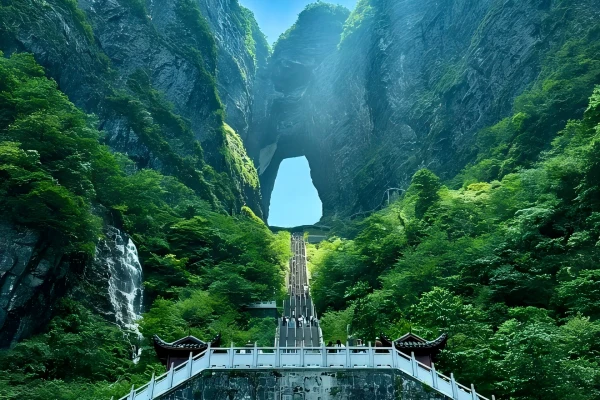
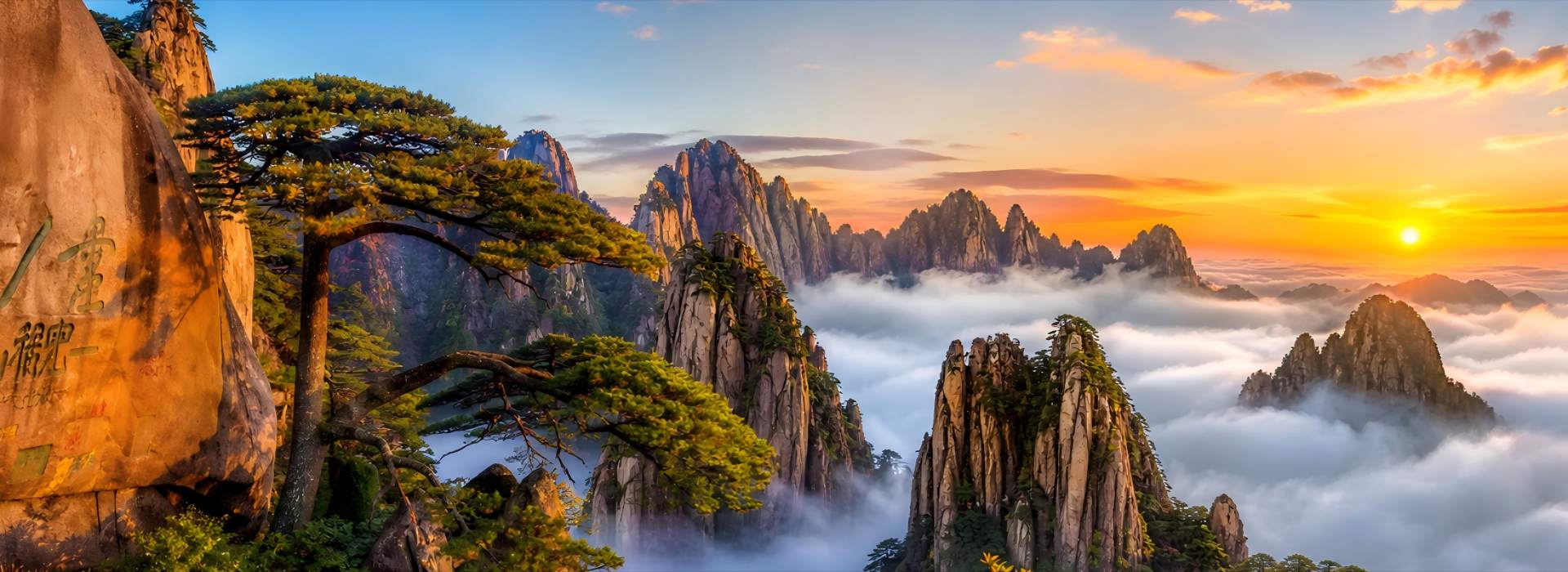
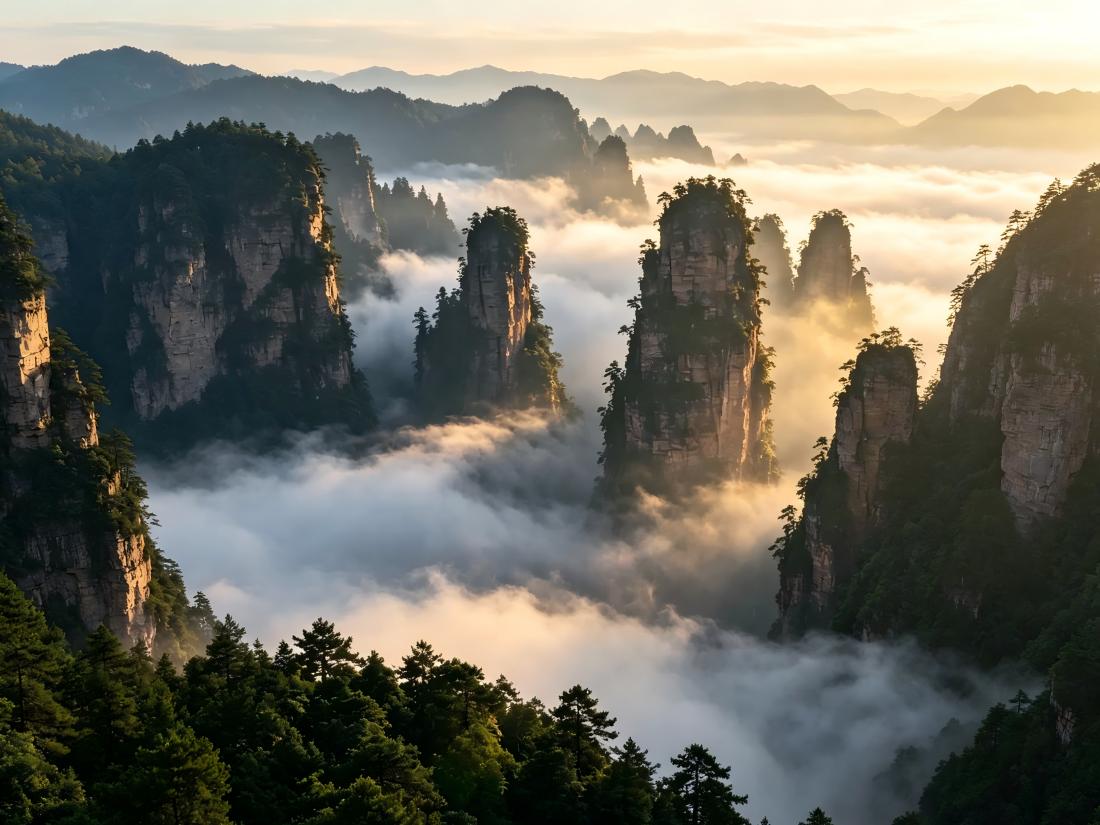
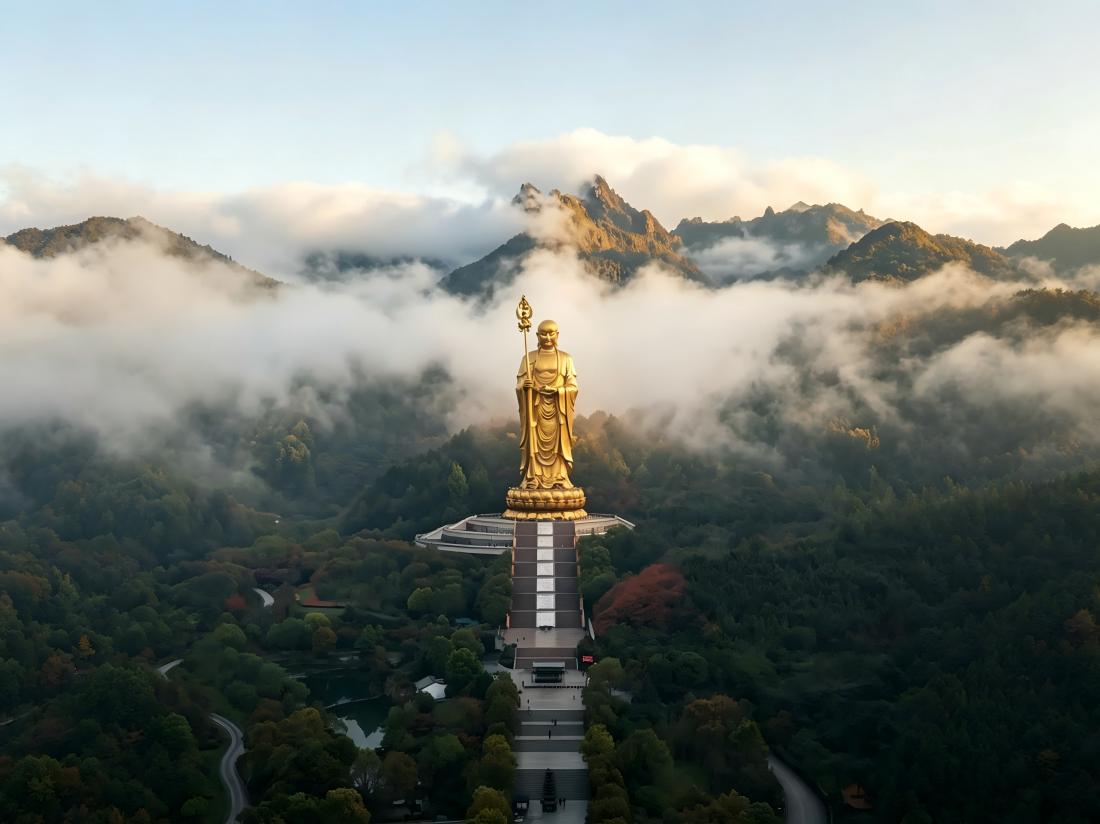
Some mountains impress you with dramatic peaks. Jiuhua Mountain leaves a different kind of impression.
Here, misty mountains and ancient temples seem to belong to the same landscape. You may hear temple bells from behind the trees, pass incense-filled courtyards on a quiet mountain road, and suddenly find yourself looking out over layers of green peaks. It feels less like visiting a single attraction and more like stepping into a place where Buddhist traditions and mountain life have been part of the landscape for centuries.
That is what makes Mount Jiuhua worth experiencing. Whether you come for its spiritual atmosphere, Chinese culture, or simply the chance to slow down among the mountains, Jiuhua offers a side of China that feels very different from the country's busy cities and better-known tourist spots.
Jiuhua Mountain at a Glance
Information | Details |
Location | Qingyang County, Chizhou, Anhui Province, China |
Known for | One of China's Four Sacred Buddhist Mountains and an important center of Ksitigarbha Bodhisattva worship |
Main Experience | Buddhist temples, mountain scenery, ancient trees, stone paths and a historic temple-town atmosphere |
Entrance Fee | RMB 160 in peak season (Jan. 16–Nov. 14); RMB 140 in low season (Nov. 15–Jan. 15) |
Nearest High-Speed Rail | Jiuhuashan Railway Station; Chizhou Railway Station is another convenient gateway |
Best For | Buddhist culture, Chinese history, mountain scenery, photography and hiking |
What Is Jiuhua Mountain Famous For?
If you are wondering why Jiuhua Mountain is considered one of China's great mountains, the answer is not simply its scenery. Its real character comes from the connection between the mountains and Buddhism.
One of China's Four Sacred Buddhist Mountains
Jiuhua Mountain is one of the four major Buddhist mountains in China, together with Wutai Mountain, Emei Mountain and Putuo Mountain.
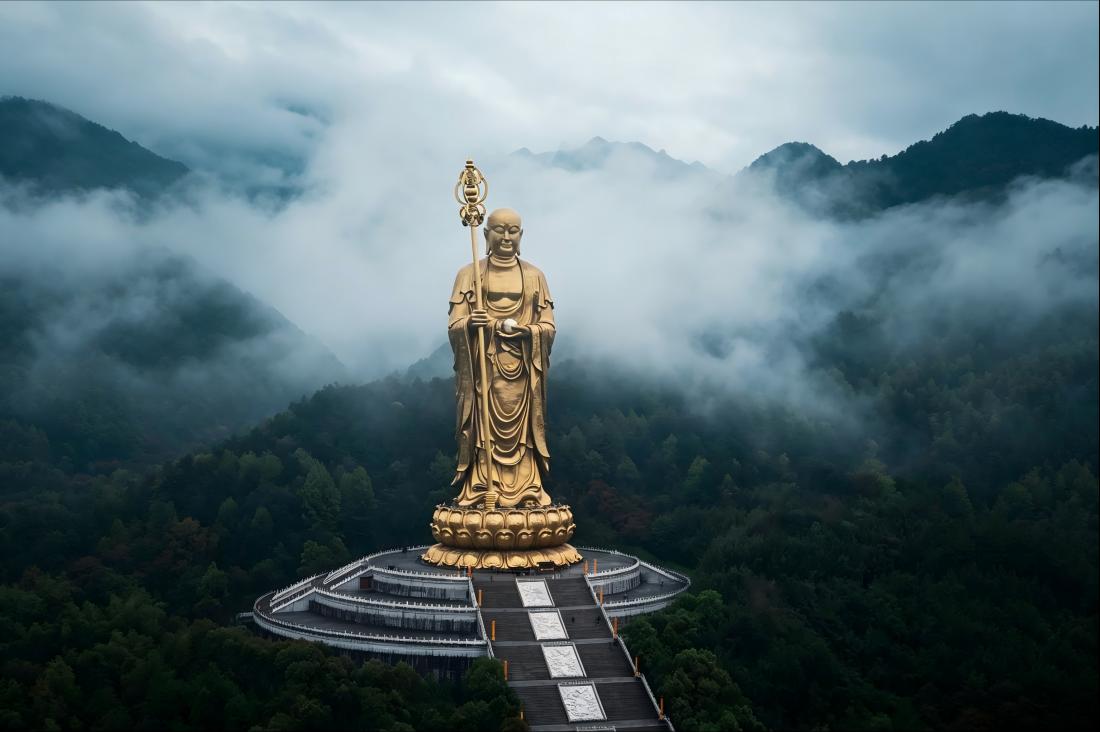
Its importance comes from its long Buddhist history and its association with Ksitigarbha Bodhisattva, known in Chinese as Dizang Bodhisattva. For centuries, pilgrims have come here to visit temples, pray and pay their respects.
But for travelers, the appeal goes beyond religion. The mountain combines temples, forests, peaks, old stone paths and traditional architecture in one destination.
The Home of Ksitigarbha Bodhisattva
Jiuhua Mountain is especially famous as the sacred home of Ksitigarbha Bodhisattva, known as Dizang in Chinese.
You will see his image and stories throughout the mountain, and they are an important part of why pilgrims have been coming here for centuries. The tradition is also closely connected with Jin Dizang, a Korean monk who is believed to have practiced Buddhism here during the Tang Dynasty.
Even if you are not religious, knowing this story makes the temples you visit much more meaningful.
More Than a Pilgrimage Destination
And here is the part that may surprise you: you do not have to be Buddhist to enjoy Jiuhua Mountain.
There is plenty here for travelers who simply enjoy old temples, Chinese culture and beautiful mountain landscapes. You can wander through the temple town, follow old stone paths through the forest, or stop at a quiet temple with mountain scenery behind it.
So, if you are choosing Jiuhua simply because you want to see “another famous Chinese mountain,” you may be missing the point. Jiuhua is most interesting when you experience both its cultural and natural sides.
What Is It Like to Visit Jiuhua Mountain?
The Mountain Temple Town Experience
The first thing that surprises many visitors is that Jiuhua Mountain does not feel like a conventional mountain park.
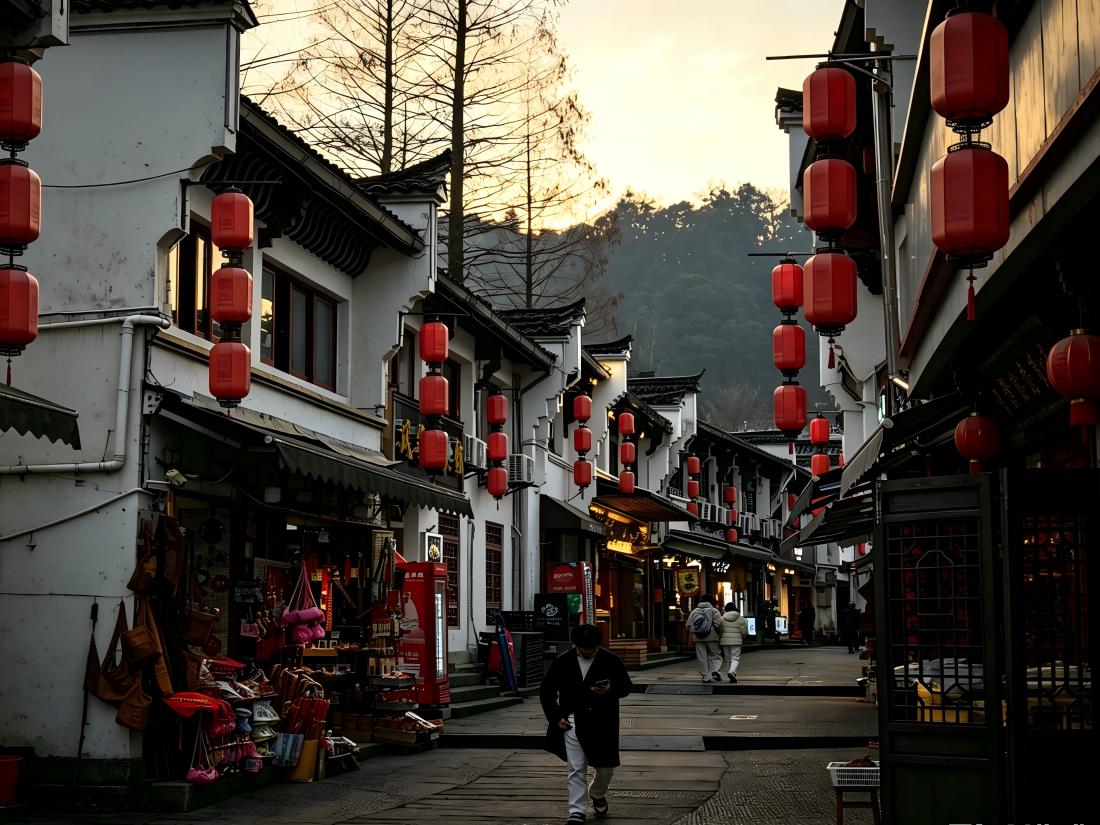
Jiuhua Street is a real temple-centered mountain town, with restaurants, hotels, shops and Buddhist temples mixed together. From here, you can walk to several important temples or take local sightseeing transportation toward higher scenic areas.
The atmosphere is particularly distinctive in the early morning, when the streets are quieter and temple bells and incense become part of the experience.
Is Jiuhua Mountain Worth Visiting If You Are Not Buddhist?
Absolutely.
You do not need to pray or have a religious background to appreciate Jiuhua Mountain. Think of it as a place where Chinese Buddhist culture, traditional architecture and mountain scenery come together.
If you enjoy historic places and prefer destinations with a strong sense of place, you will probably find Jiuhua more interesting than you might expect. Just come with the right mindset: it is a living Buddhist mountain, not a theme park or simply a collection of photo spots.
What Should You See in Jiuhua Mountain?
Jiuhua Mountain is not the kind of place where one famous viewpoint tells the whole story. The scenery changes as you move through the mountain—from the temple-filled streets and historic monasteries around Jiuhua Street to quiet forests, steep stone paths and open views from the higher peaks.
If it is your first visit, these are the places worth knowing about.
Jiuhua Street
Jiuhua Street is where the mountain feels most like a living town.
Temples, old-style buildings, restaurants and small shops sit together along the mountain roads, so you can easily go from a busy street to a peaceful temple courtyard within minutes. It is also the easiest place to get a sense of Jiuhua's everyday atmosphere before heading higher into the mountains.
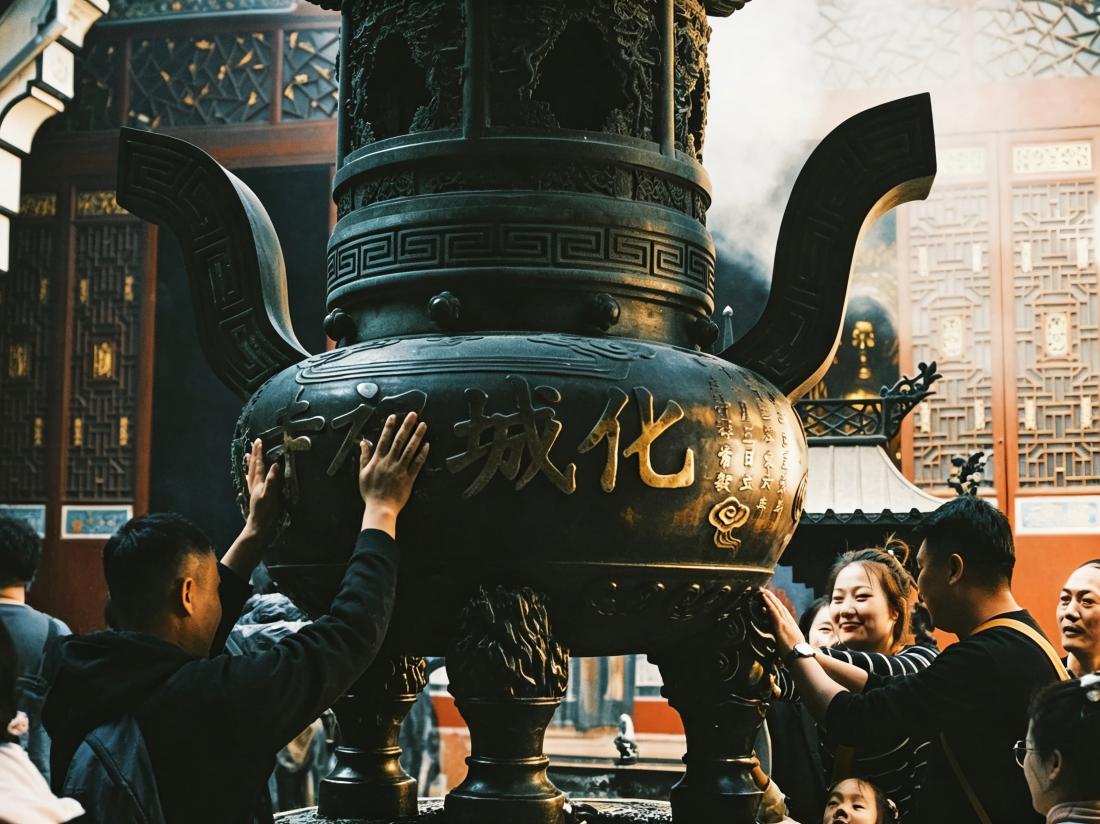
Huacheng Temple
Huacheng Temple is one of the best places to start if you want to understand why Jiuhua Mountain became such an important Buddhist destination.
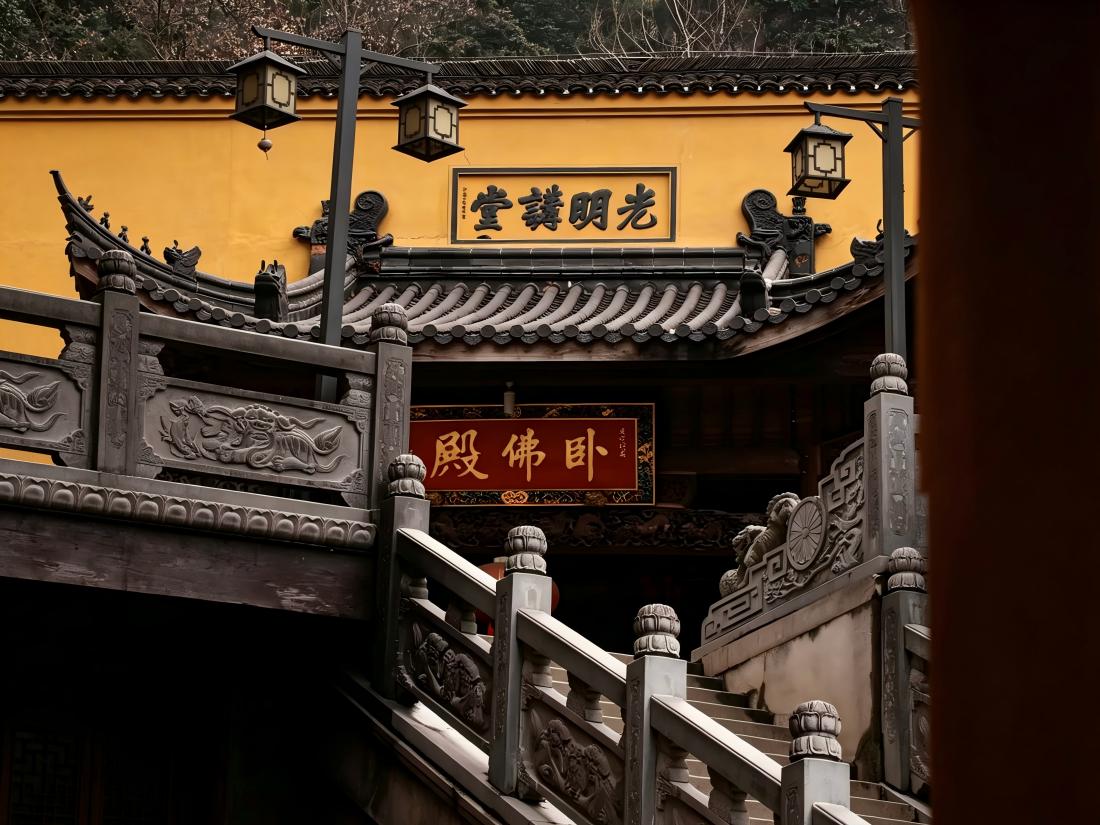
It is traditionally regarded as the first temple of Jiuhua Mountain and sits right in the center of Jiuhua Street. Rather than simply ticking it off your list, take a moment to look at the temple architecture and its setting among the surrounding mountains.
Roushen Baodian
Roushen Baodian is probably the place that gives visitors the strongest sense of Jiuhua's religious importance.
The hall is associated with the physical remains of Jin Dizang, the monk traditionally linked with the spread of Ksitigarbha worship on the mountain. The building itself is distinctive, but what really makes this place special is the atmosphere: this is an active pilgrimage site where visitors still come to pay their respects.
Baisui Palace
Baisui Palace gives you a very different experience from the temples around Jiuhua Street.
Set higher on the mountain, it combines an important Buddhist site with a more secluded mountain setting. Getting there also means leaving the busy temple-town atmosphere behind and moving deeper into Jiuhua's forested slopes.
It is a good choice if you want your temple visit to come with a little more mountain scenery.
Tiantai Scenic Area
If you are thinking, “I came to Jiuhua for the mountains too,” head toward Tiantai.
This is one of the most scenic and physically demanding parts of the visit, with long stone stairways, forested paths, rocky peaks and wide mountain views. Tiantai Peak rises to about 1,342 meters and is the highest point in the Jiuhua Mountain scenic area.
The climb is part of the experience. It is not the easiest option, but it gives you a much stronger feeling of being in the mountains rather than simply visiting temples.
Huatai Scenic Area
Huatai is the place to consider when you want to see less of the religious side and more of Jiuhua's natural landscape.
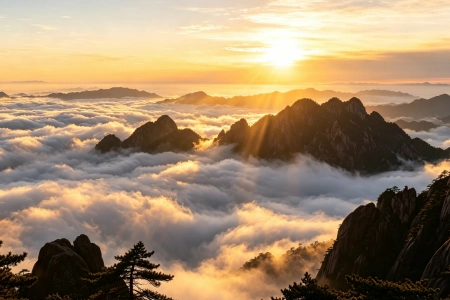
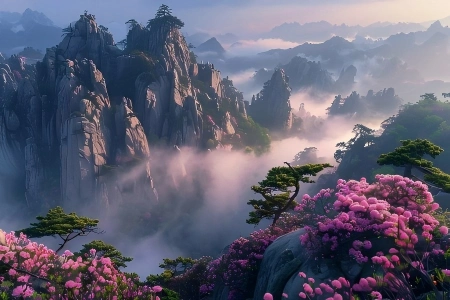
The area is known for its rugged peaks, unusual rock formations, forests and open mountain views. Compared with the temple-centered areas, the experience here feels more like a scenic mountain hike.
If your ideal Jiuhua day involves more views and nature than temples, Huatai may be the better fit.
Ancient Phoenix Pine
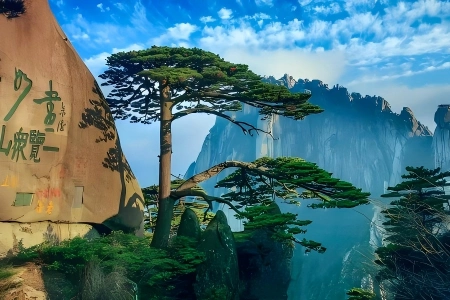
The Ancient Phoenix Pine is one of Jiuhua's best-known natural landmarks.
Its unusual shape and great age have made it a memorable symbol of the mountain. It is not a place where you need to spend a long time, but it is worth stopping for a look when it fits into your route—especially if you enjoy ancient trees and traditional Chinese landscape culture.
The Best Things to Do in Jiuhua Mountain
Walk Through Jiuhua Street
Give yourself some time to simply walk around Jiuhua Street.
You will pass temples, old-style buildings, small restaurants and shops, with the mountains rising just behind them. It is easy to spend an hour here without really having a plan—and that is part of the charm. In the early morning, when fewer visitors are around, the streets can feel especially peaceful.
Explore the Mountain Temples
The temples are not just places to take a quick photo and move on.
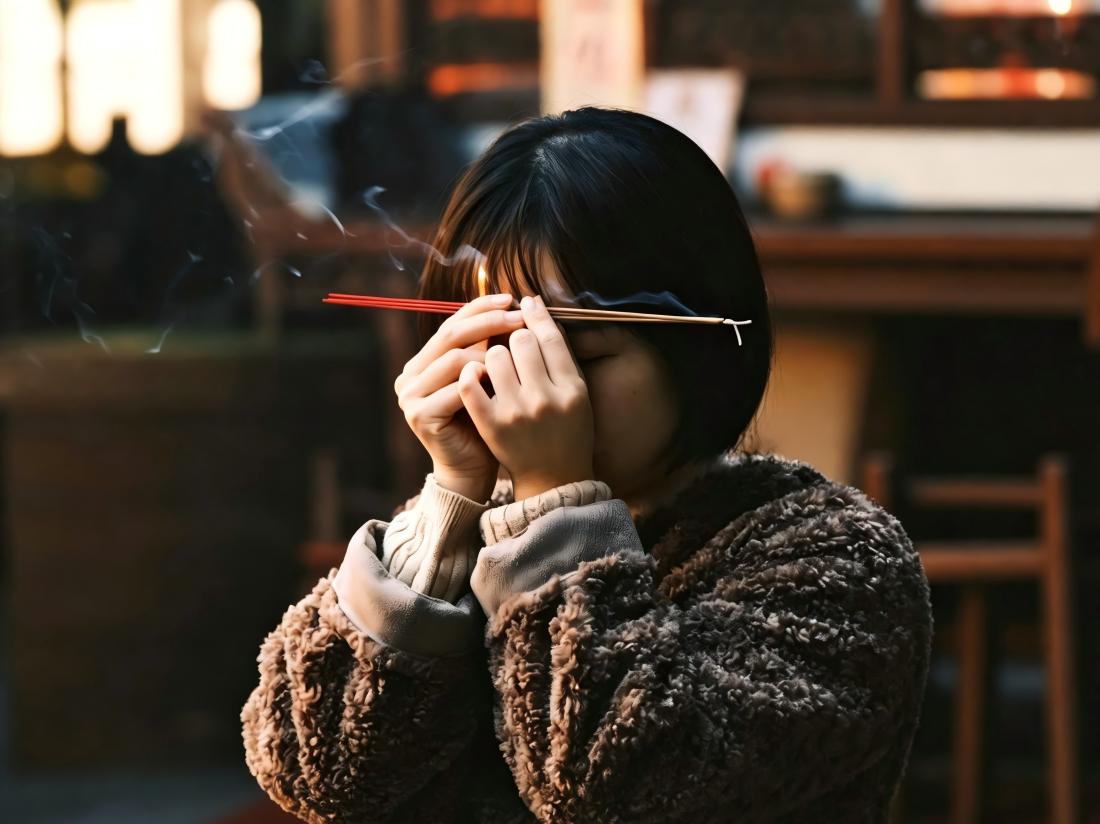
Look at the details of the statues, incense burners and traditional architecture, and notice how differently each temple feels. You will also see local worshippers and pilgrims carrying out their own rituals, giving you a glimpse into a religious tradition that is still very much alive.
Take a Cableway for Mountain Views
After walking around the temples, a cableway ride is a nice way to experience another side of Jiuhua.
As the cabin rises, the buildings gradually disappear beneath the trees and the mountain landscape opens up around you. It is also a practical choice if you want to enjoy the higher scenic areas without using all your energy on the climb.
On a clear day, the ride itself can be part of the sightseeing.
Hike the Stone Steps to Tiantai
If you enjoy hiking, this is where Jiuhua gets serious.
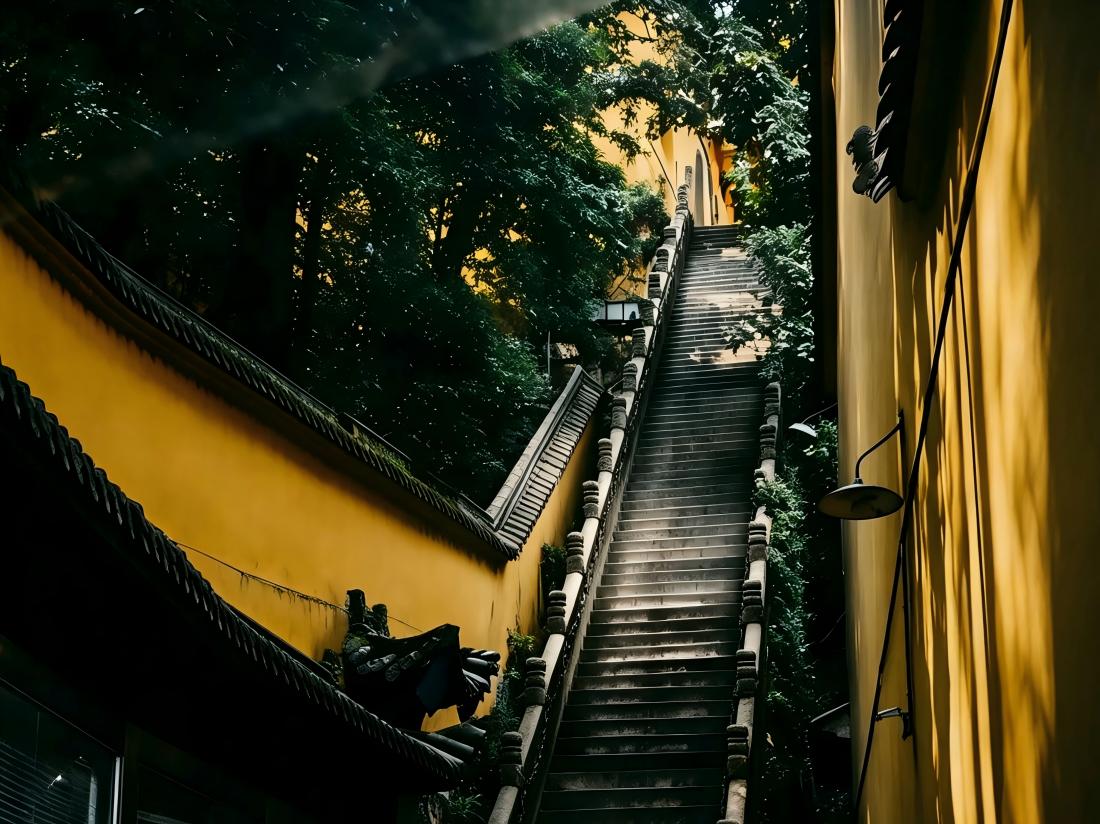
The long flights of stone steps may test your legs, but they also make the journey feel more rewarding. Forests, rocks, temples and changing mountain views appear along the way, so the climb never feels like nothing but stairs.
You do not need to race to the top. Take your time, stop when you want, and enjoy the fact that the journey is as much a part of the experience as Tiantai itself.
Experience Jiuhua's Buddhist Culture
You do not have to participate in religious rituals to appreciate Jiuhua's Buddhist culture.
Watch respectfully as pilgrims pray, observe the architecture and statues, and take time to understand the stories behind the temples. A knowledgeable local guide can make a major difference here because many of the important details are easy to miss if you simply walk through the buildings.
How to Plan a Jiuhua Mountain Itinerary
How to Spend One Day in Jiuhua Mountain
One day works if your main goal is to experience Jiuhua's temples and mountain town atmosphere rather than hike extensively.
A practical route is:
Jiuhua Street → Huacheng Temple → Roushen Baodian → Baisui Palace → selected nearby temples → return to Jiuhua Street
If you arrive early and are physically fit, you can replace part of the temple route with a higher mountain section. However, trying to include Jiuhua Street, Tiantai and Huatai in the same day will make the visit rushed.
How to Spend Two Days in Jiuhua Mountain
Two days give you a much better balance.
Day 1: Explore Jiuhua Street and the major Buddhist temples, including Huacheng Temple, Roushen Baodian and Baisui Palace.
Day 2: Focus on the mountain scenery, choosing Tiantai or Huatai according to your interests and fitness level.
This is the better option if you want to understand both sides of Jiuhua: the Buddhist mountain and the natural mountain landscape.
How to Get to Jiuhua Mountain
How to Get to Jiuhua Mountain by High-Speed Train
The two railway stations you are most likely to use are Jiuhuashan Railway Station and Chizhou Railway Station.
Jiuhuashan Railway Station
Opened in 2024, Jiuhuashan Railway Station is now the most convenient rail gateway for many visitors heading to the mountain. It is located in Chizhou's Qingyang area, closer to Jiuhua Mountain than Chizhou Railway Station.
Chizhou Railway Station
Chizhou Railway Station remains a useful option, particularly because more high-speed trains may be available depending on where you are traveling from.
How to Get to Jiuhua Mountain from Shanghai
For travelers coming from Shanghai, high-speed rail is the easiest option. Look for a train from Shanghai to Jiuhuashan Railway Station (九华山站). Current services can take around 4 hours, depending on the train you choose.
Once you arrive at Jiuhuashan Railway Station, you are still not at the scenic area entrance. You need to continue by road to Jiuhua Mountain Tourist Service Center, then take the scenic-area shuttle bus up to Jiuhua Street.
If you have luggage or are traveling as a family, the simplest option is to arrange a private transfer from the railway station directly to the scenic area. You can also use local buses if you prefer to travel independently.
A simple route to remember:
Shanghai → Jiuhuashan Railway Station → Jiuhua Mountain Tourist Service Center → Jiuhua Street
How to Get to Jiuhua Mountain from Hangzhou
Hangzhou is actually one of the easier cities from which to reach Jiuhua Mountain now. There are direct high-speed trains from Hangzhou to Jiuhuashan Railway Station, with current services taking roughly 2–3 hours depending on the departure station and train.
When booking, choose Jiuhuashan (九华山) as your destination when a direct train is available. This saves you the need to change trains at another station.
After arriving at Jiuhuashan Railway Station, continue by road to the Jiuhua Mountain Tourist Service Center, where you transfer to the scenic-area transportation for Jiuhua Street and the mountain attractions.
How to Get to Jiuhua Mountain from Huangshan
Traveling from Huangshan to Jiuhua Mountain is one of the easiest combinations. Direct high-speed trains from Huangshan North Railway Station to Jiuhuashan Railway Station take only about 35–50 minutes, with multiple departures available during the day.
This makes the combination much easier than many travelers expect:
Huangshan → Huangshan North Railway Station → Jiuhuashan Railway Station → Jiuhua Mountain
If you are traveling with luggage, a private car is even more convenient because you can go directly from your Huangshan hotel or scenic-area exit to Jiuhua Mountain instead of making several separate transfers.
If your China trip already includes both mountains, this is one of the most convenient ways to combine them: Huangshan for dramatic mountain scenery, then Jiuhua Mountain for temples, Buddhist culture and a quieter mountain-town atmosphere.
How to Get Around Jiuhua Mountain
Getting around Jiuhua Mountain is a mix of scenic shuttle buses, cableways and walking. You will not need to drive around the mountain yourself, and the best option depends on which temples or scenic areas you want to visit.
Scenic Area Shuttle Buses
The scenic shuttle buses are the main way to move between the visitor center and the mountain's main areas. They are especially useful when you want to save energy for sightseeing and hiking rather than walking along the mountain roads.
Cableways and Ropeways
Cableways are useful when you want to reach the higher scenic areas without tackling the full climb on foot. They can save quite a bit of time and energy, while still giving you a chance to enjoy the mountain scenery along the way.
Walking Between Temples
Walking is still one of the best ways to experience Jiuhua Mountain. Around Jiuhua Street and the temple areas, many places are connected by stone paths and steps, so you can explore at your own pace and discover quieter corners along the way.
For longer uphill routes, especially around Tiantai, be prepared for plenty of steps.
Can You Drive Up Jiuhua Mountain?
Private cars generally do not provide the same access as the scenic area's own transportation system. For visitors, it is easier to leave your car at the designated parking area and use the scenic shuttle buses to continue into the mountain.
Once you are inside, a combination of shuttle buses, cableways and walking is usually the simplest way to get around.
Where to Stay in Jiuhua Mountain
Staying in Jiuhua Street
For most first-time visitors, Jiuhua Street is the best place to stay.
You are close to major temples, restaurants and transportation, and you can start exploring early without spending time commuting up to the mountain.
It is particularly useful if you want to see Jiuhua in the quieter morning and evening hours.
Staying Near the Scenic Area Entrance
Accommodation near the entrance or transfer area can be useful if you are arriving late or leaving early.
However, it is less convenient for travelers who want to spend their evenings walking around Jiuhua Street.
Staying in Chizhou
Chizhou is worth considering when Jiuhua Mountain is only one stop on a wider trip or when you prefer staying in a regular city rather than a mountain town.
You will have a wider choice of hotels and restaurants, but you will need to travel to Jiuhua Mountain each day, so it is less convenient for spending a full day exploring the mountain.
Our tip: For sightseeing, stay in Jiuhua Street whenever possible. It saves commuting time and lets you experience Jiuhua Mountain beyond the busiest daytime hours.
What to Eat in Jiuhua Mountain
Food is not the main reason to visit Jiuhua Mountain, but you will find plenty of places to eat around Jiuhua Street. The food scene is fairly simple, with a mix of Buddhist vegetarian dishes and local Anhui-style cooking.
Vegetarian Food
Buddhist vegetarian food is naturally one of the experiences associated with Jiuhua Mountain.
Some temples and local restaurants offer vegetarian dishes inspired by traditional Chinese Buddhist cuisine. These can range from simple vegetable dishes to more elaborate meals using tofu, mushrooms and other plant-based ingredients.
Local Anhui Dishes
If you want to eat beyond vegetarian food, look for Anhui cuisine, or Huicai.
Local dishes tend to emphasize mountain ingredients, preserved foods and strong savory flavors. The food is generally more rustic than what you may find in Shanghai or Hangzhou.
What to Eat Around Jiuhua Street
Jiuhua Street is the easiest place to find food during your visit. Restaurants, small eateries and simple local food options are concentrated around the town, so you can usually find somewhere to eat without going far.
For the best choice, plan your main meal around your sightseeing route rather than waiting until you are deep in the mountain, where options become more limited.
When Is the Best Time to Visit Jiuhua Mountain?
Jiuhua Mountain is open throughout the year, and each season creates a different atmosphere.
Spring: Fresh Green Mountains and Misty Temples
From March to May, the mountain wakes up with fresh greenery, spring flowers and soft mountain mist. The contrast between dark temple roofs, old stone paths and bright green forests gives Jiuhua a particularly peaceful look.
Spring is a good choice for travelers who enjoy mild weather, greener landscapes and quieter mountain walks.
Summer: Lush Forests and Cool Mountain Air
Summer brings Jiuhua Mountain's forests to their fullest, with thick greenery covering the slopes and mist often drifting around the higher areas.
Temperatures can be more comfortable than in the cities at higher elevations, making summer a good time for hiking and enjoying the mountain scenery. However, rain can make the stone steps slippery, so check the weather before heading out.
Autumn: The Mountain at Its Most Colorful
Autumn is arguably the most beautiful time to see Jiuhua Mountain. From October into early November, the forests gradually turn shades of gold, orange and red, creating a striking backdrop for the temples and mountain paths.
The combination of colorful forests, clear mountain views and traditional temples makes autumn particularly attractive for photography and scenic hiking.
Winter: Snow-Covered Temples and a Quieter Jiuhua
Winter gives Jiuhua Mountain a completely different atmosphere. On snowy days, white-covered roofs, stone steps and ancient trees create a peaceful scene that feels almost like a traditional Chinese ink painting.
It is colder and some mountain areas may be less accessible, but for travelers who want fewer crowds and a quiet, atmospheric mountain experience, winter can be surprisingly rewarding.
What to Know Before Visiting Jiuhua Mountain
Do You Need to Book Tickets in Advance?
Yes, booking in advance is recommended, especially when visiting during weekends, public holidays or other busy periods. Jiuhua Mountain can limit the number of visitors when the scenic area becomes crowded.
For a smoother visit, book your admission before you arrive and keep your passport and booking information ready for entry. During quieter weekdays, it may be easier to arrange your visit on the day, but advance booking is still the safer choice.
Can Foreign Travelers Visit Jiuhua Mountain Easily?
Yes. Foreign visitors can visit Jiuhua Mountain, but it is worth carrying your passport throughout the trip, as your passport may be needed for ticketing, hotel check-in or identity verification.
For independent travelers, having your hotel name and key destinations written in Chinese can also make communication with local drivers and staff much easier.
How Much Walking and Climbing Is Involved?
This is one of the most important things to know before visiting.
You can see several major temples without doing a long mountain hike, particularly around Jiuhua Street. However, routes toward areas such as Tiantai involve long stretches of stone steps and uphill walking.
You do not have to climb everything. Scenic buses and cableways can reduce the amount of walking, making Jiuhua suitable for different fitness levels.
What Should You Wear and Bring?
Wear comfortable walking shoes with good grip, especially when visiting Tiantai or other higher scenic areas. Mountain weather can change quickly, so a light outer layer is useful even when the weather is warm in the city.
A small backpack, water and some snacks are also practical for longer walks. Bring cash as a backup, although mobile payment is widely used in China.
What Should You Know When Visiting the Temples?
Remember that Jiuhua Mountain is a living Buddhist pilgrimage site, not simply a collection of historic buildings.
Dress reasonably, keep your voice down inside temples, and avoid touching religious objects or taking photographs where photography is not allowed. When you see people praying or making offerings, give them space rather than treating the ritual as a photo opportunity.
What Should You Check Before You Go?
Before setting out, check three things: the weather, scenic-area transportation and the opening status of the places you want to visit.
Rain, fog or other mountain conditions can affect hiking routes and cableway operations. During busy periods, temporary visitor controls may also be introduced, so checking the latest information before leaving can save you an unnecessary trip.