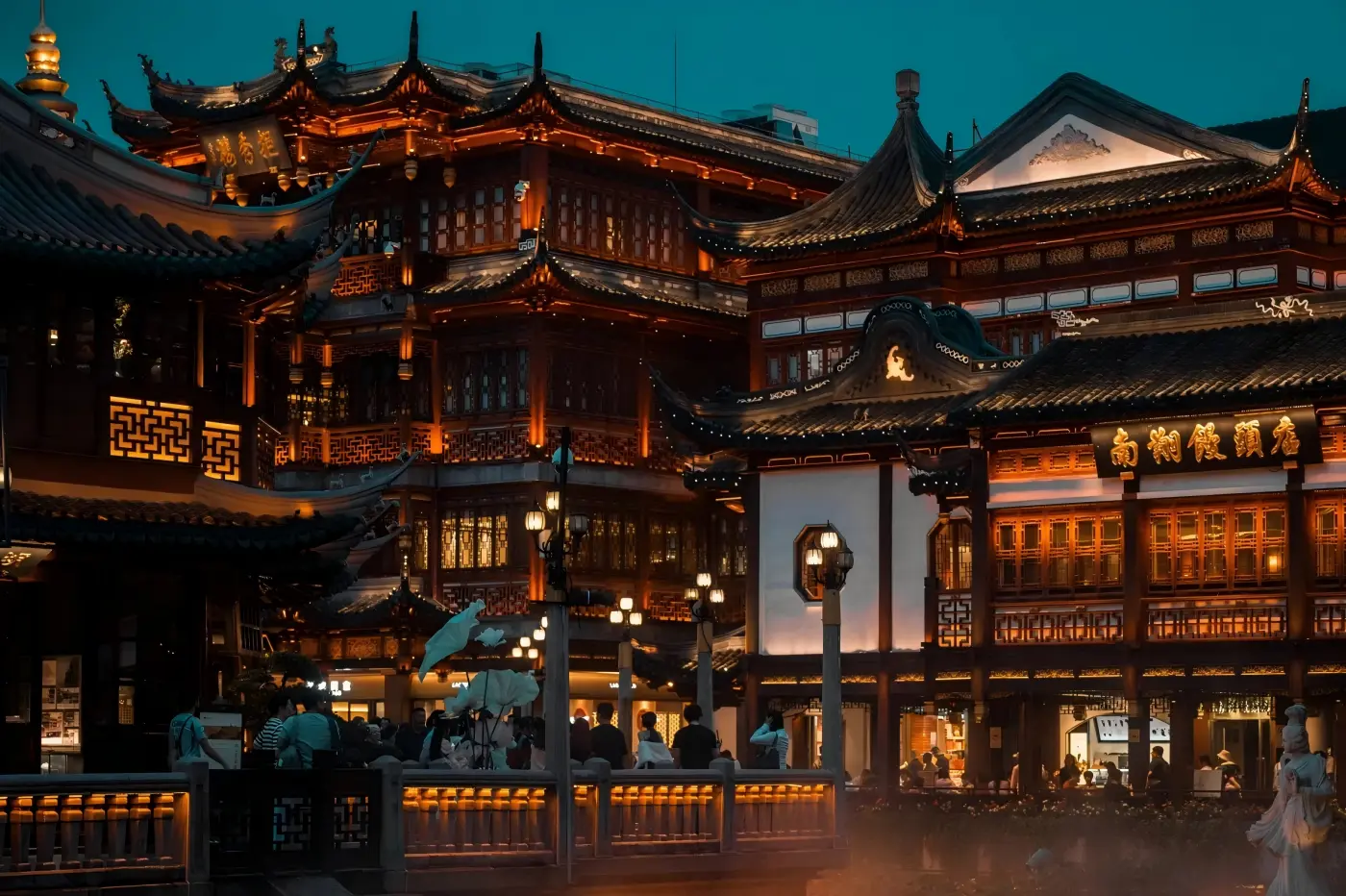
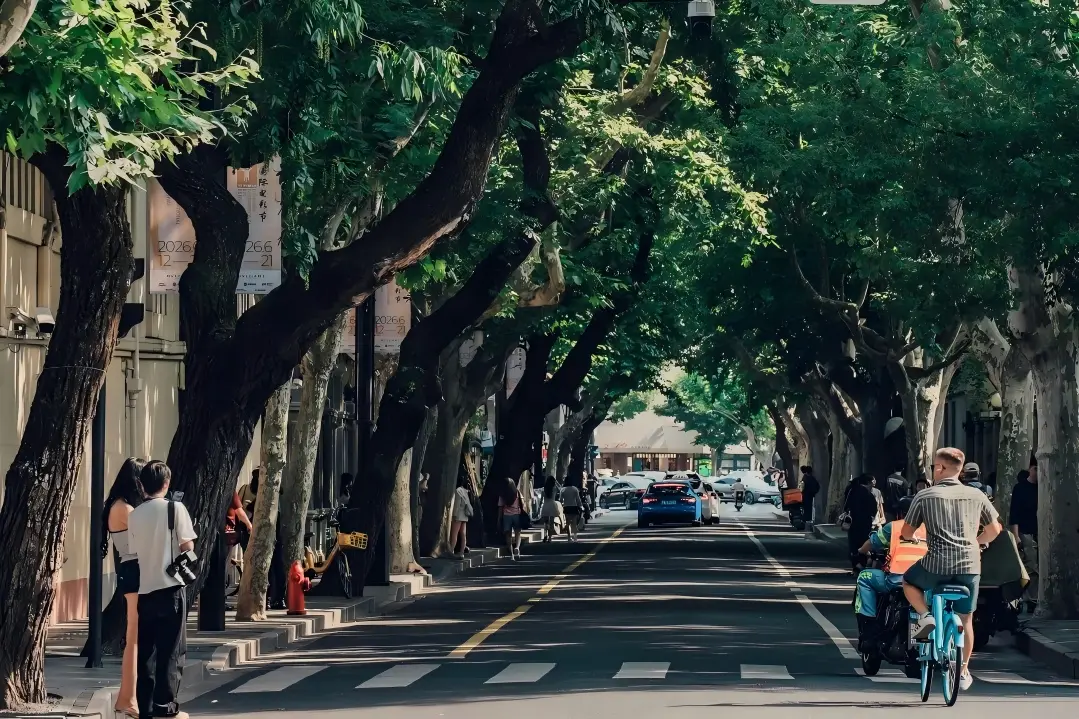
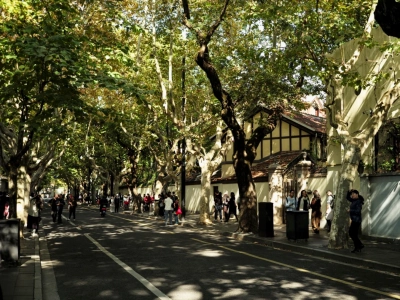
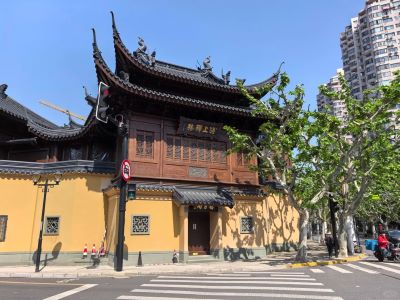
Looking for an easy escape from Shanghai's skyscrapers and busy streets? Just a short metro ride from the city center, Qibao Ancient Town offers a charming taste of traditional Jiangnan life, with historic lanes, stone bridges, peaceful waterways, old buildings, and tempting local snacks.
With more than 1,000 years of history, Qibao is compact, walkable, and ideal for a relaxed half-day visit. Stroll through the old streets, explore its small museums and historic sites, sample traditional treats, and enjoy a slower side of Shanghai without traveling far from the city.
This Qibao Ancient Town Travel Guide covers the best things to do, what to eat, how to get there, the best time to visit, how long to stay, and practical tips for planning your trip.
Qibao Ancient Town at a Glance
Information | Details |
Chinese Name | 七宝古镇 (Qibao Ancient Town) |
Location | Minhang District, Shanghai |
Main Area | Qibao Old Street |
Metro | Line 9, Qibao Station |
Entry | Old town area is generally free |
Suggested Time | 2–4 hours |
Best For | Food, old streets, local culture, short trips |
Main Experience | Jiangnan architecture, canals, traditional snacks & museums |
What Is Qibao Ancient Town?
Where Is Qibao Ancient Town?
Qibao Ancient Town is located in Minhang District, not far from Shanghai Hongqiao area. Its urban location is one of its biggest advantages. Instead of traveling deep into the Shanghai suburbs to find a traditional water town, you can reach Qibao by Metro Line 9 and then walk from Qibao Station toward the old town.
This makes Qibao particularly convenient for travelers who want to add a traditional water-town experience to a busy Shanghai itinerary. You can spend a morning or afternoon here and still have plenty of time for attractions in central Shanghai.
How Old Is Qibao Ancient Town?
Qibao has a history of more than a thousand years and developed significantly during the Song Dynasty. Its growth was closely connected with waterways, agriculture, trade, and local commerce. As the settlement expanded, streets, bridges, residences, shops, and temples gradually formed the historic town that visitors see today.
The waterways were especially important to Qibao's development. Before modern roads and railways transformed Shanghai, boats provided an important way to move people and goods between communities. This helps explain why the old town is organized around narrow streets and waterways rather than wide urban roads.
The result is a place where history is not confined to a single monument. It is built into the layout of the streets, the bridges crossing the canals, the traditional buildings along the waterfront, and the old commercial culture that continues in the area today.
Why Is It Called "Qibao"?
The name Qibao (七宝) literally means “Seven Treasures.” According to local legend, seven auspicious treasures were associated with the area, including the Gold Script Lotus Sutra, Flying Buddha, Floating Bell, Divine Tree, Golden Rooster, Jade Axe, and Jade Chopsticks. Each treasure carries its own story and symbolizes blessings such as protection, prosperity, and good fortune.
The legend is closely connected with Qibao Temple, which played an important role in the area's early development. As the temple attracted worshippers, the surrounding settlement gradually grew into a busy market town along the waterways.
Although the Seven Treasures are part of local folklore rather than documented history, the story has remained an important part of Qibao's identity. It adds a little mystery to a town otherwise known for its peaceful canals, old streets, and everyday local life.
What Makes Qibao Ancient Town Different?
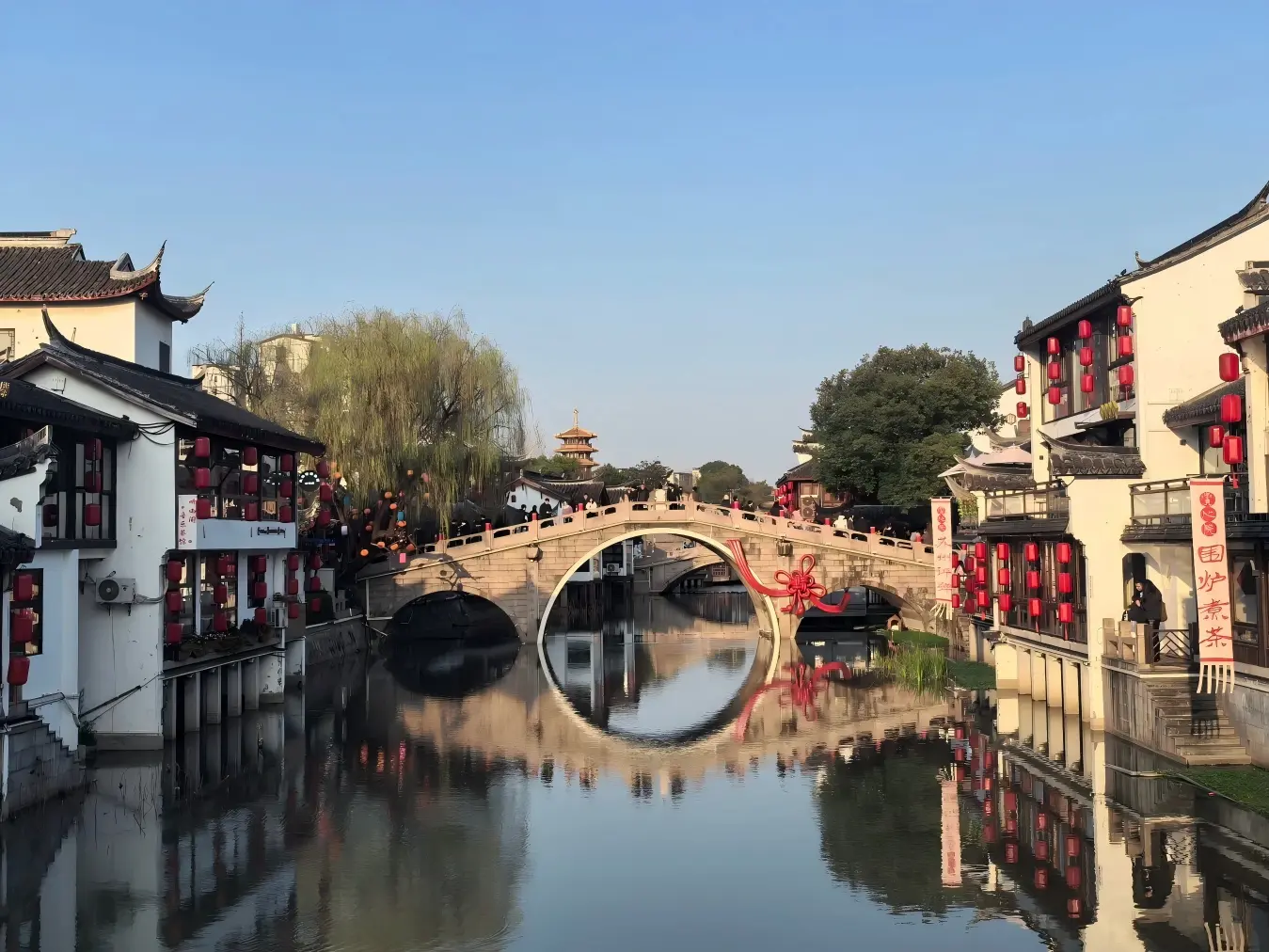
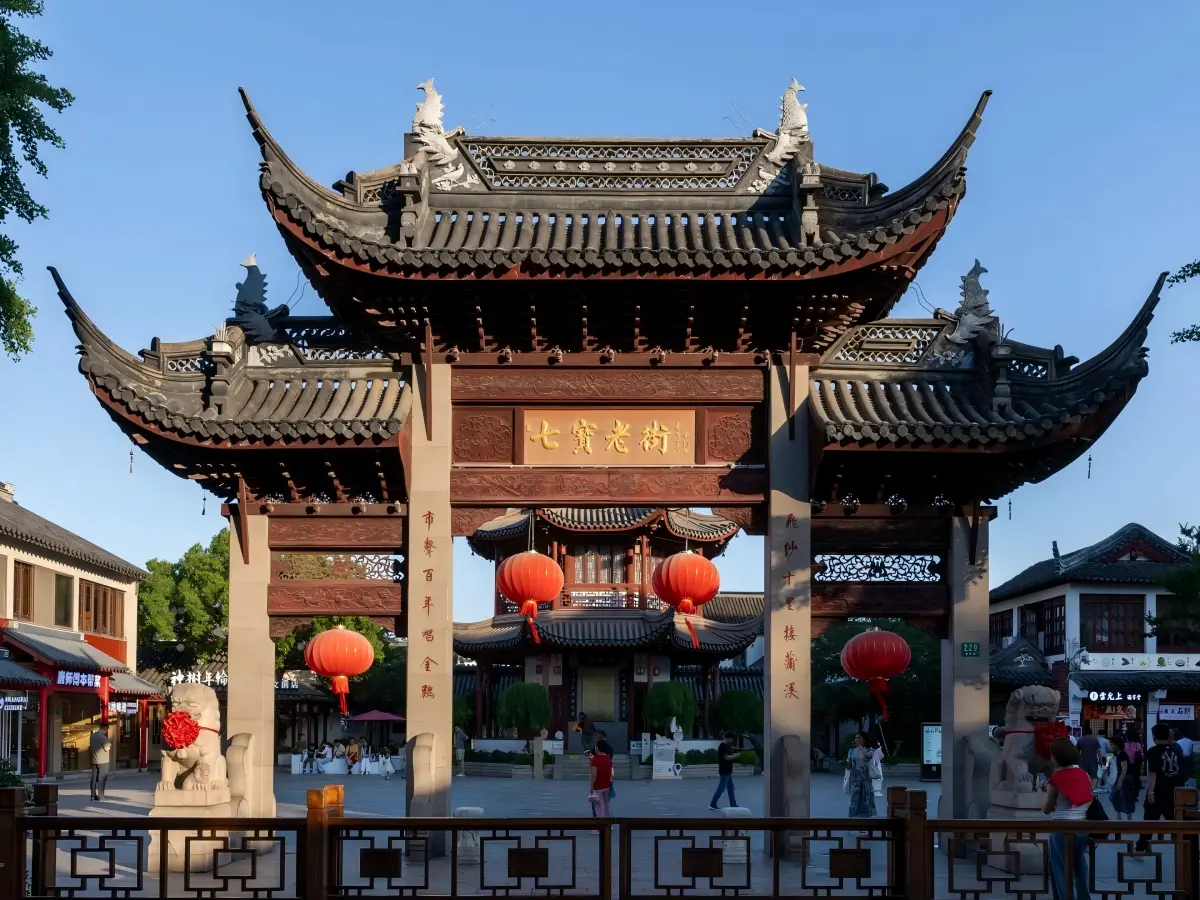
What makes Qibao Ancient Town special is not one spectacular landmark, but the way several layers of Shanghai come together in a small, easy-to-explore area. Here, old waterways meet modern neighborhoods, centuries-old traditions sit alongside busy shops, and a casual stroll can turn into a food or cultural discovery.
A Traditional Town Close to the City
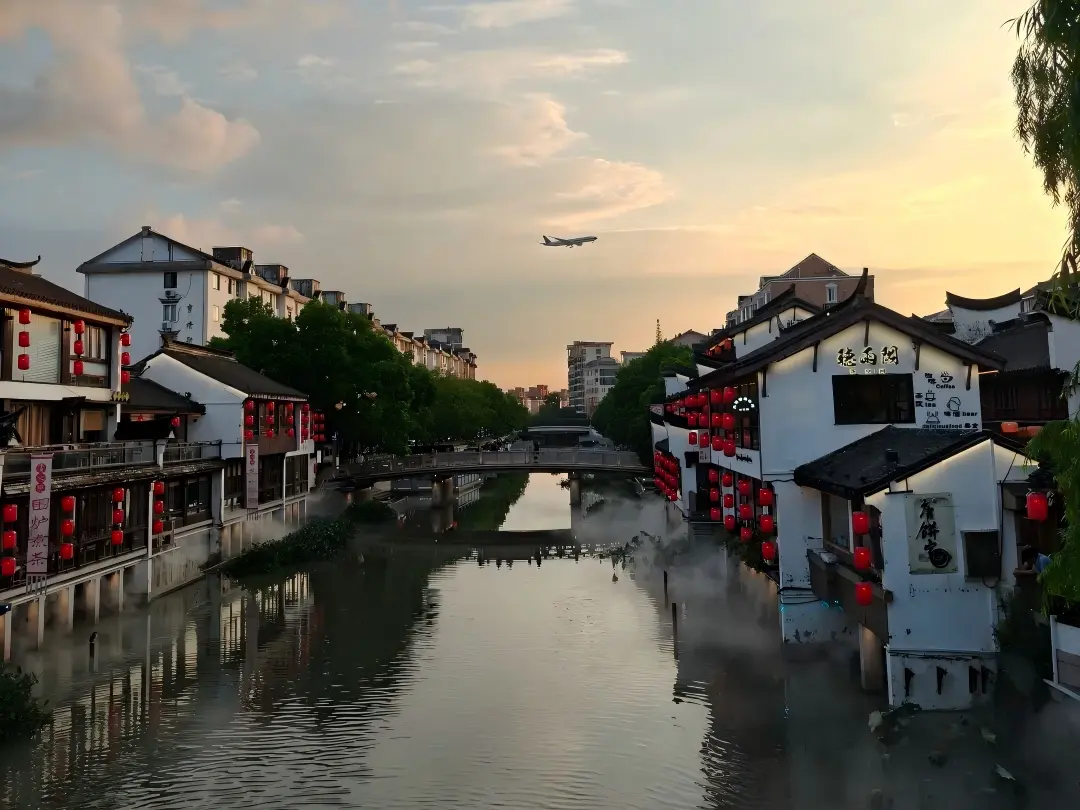
Qibao offers a glimpse of traditional Jiangnan scenery without taking you far from the city. Whitewashed buildings, dark-tiled roofs, narrow lanes, and waterways create a classic old-town setting, while modern Shanghai continues just beyond the historic area.
History You Can Still Feel
Qibao's history is woven into the town rather than concentrated in a single monument. Its ancient waterways, bridges, temples, old residences, and long-standing traditions all tell part of the story. Even a simple walk through the old streets can reveal traces of how the town developed over centuries.
A Compact Area with Plenty to Explore
Qibao is relatively compact, but there is plenty to discover within its old-town area. Instead of rushing from one major attraction to another, you can slow down, explore a side lane, cross a small bridge, or stop at a traditional shop. Its manageable size is one reason it works so well as a short Shanghai excursion.
Local Flavors Are Part of the Experience
In Qibao, local food is closely tied to the character of the old town. Traditional snacks, historic shops, folk customs, and cultural venues are all part of the same experience. You can learn a little about Qibao's past, then immediately experience a small piece of local tradition through what people eat and how the old streets are used today.
An Easy Addition to a Shanghai Itinerary
Qibao does not try to be a remote, untouched water village—and it doesn't need to. Its charm lies in offering a taste of Jiangnan life within modern Shanghai. If you want traditional scenery, local flavors, and a slower pace without spending a full day traveling outside the city, Qibao is a natural choice.
Best Things to Do at Qibao Water Town
If you are wondering about the things to do at Qibao Water Town, do not treat it as a checklist of attractions. The real pleasure lies in following the waterways, noticing the details of old Jiangnan architecture, stepping into unexpected cultural spaces, and tasting local specialties as you go. From quiet morning walks and bridge-side views to lively food streets and traditional museums, Qibao offers an easygoing glimpse into Shanghai's historic water-town life.
Walk Along Qibao Old Street
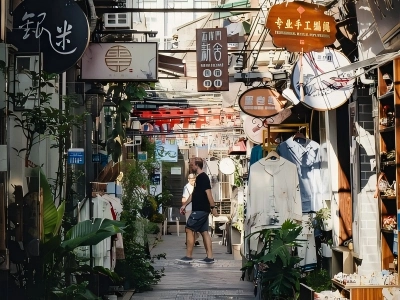
Qibao Old Street is the heart of the ancient town and the natural starting point for your visit. The historic area follows the waterways and is lined with traditional-style buildings, old shops, restaurants, snack stalls, and cultural attractions.
The street is roughly divided into North Street and South Street, each with a slightly different atmosphere. Walk slowly rather than simply following the main road—you'll find small lanes, traditional fa?ades, local shops, and glimpses of the waterways along the way.
Explore North Street
North Street is a good choice if you want to focus more on Qibao's history and culture. Traditional buildings, small museums, craft shops, and historic sites are concentrated around this part of the old town.
As you walk, look for details such as wooden doors, tiled roofs, old shop signs, and narrow lanes leading away from the main street. It is also a good area to visit some of Qibao's cultural attractions before stopping for food later in your walk.
Explore South Street
South Street is the livelier side of Qibao Old Street and is particularly well known for its traditional snacks and local specialties. Food stalls and small shops make it an easy place to try several things without sitting down for a full meal.
You can sample Qibao's famous rice cakes, glutinous rice balls, dried tofu, and other snacks as you explore. If you are visiting around lunchtime, South Street is also a convenient place to stop for a traditional Shanghai-style meal.
Cross the Historic Stone Bridges
Qibao's waterways are an essential part of its old-town character, and the stone bridges provide some of the best views of the canals and traditional buildings. From a bridge, you can see houses built close to the water, boats moving through the narrow waterways, and pedestrians passing between the old streets.
Take time to stop rather than simply crossing. The bridges are particularly enjoyable in the morning or late afternoon when the light is softer. For a quieter experience, walk along the smaller lanes beside the waterways instead of staying entirely on the busiest street.
Discover Qibao's Traditional Museums
Qibao's museums are generally small, but they add useful context to the old streets and traditions around them. They cover subjects ranging from folk entertainment and traditional crafts to old occupations and local history.
You do not need to visit every museum. Choose one or two that match your interests and combine them naturally with your walk through the old town.
Qibao Shadow Play Museum
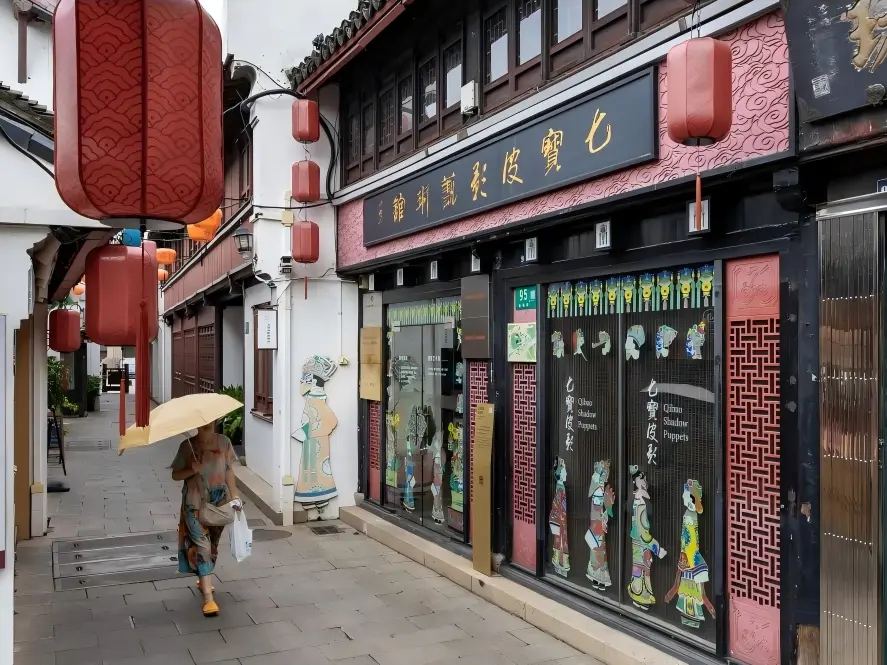
The Qibao Shadow Play Museum introduces the traditional Chinese art of shadow puppetry, from the carved figures and storytelling traditions to the way performances are staged.
Shadow play is an important part of Qibao's folk culture, making this a particularly worthwhile stop if you want something beyond architecture and food. If a live performance is scheduled during your visit, it is worth staying to watch.
Cotton Textile Mill
The Cotton Textile Mill gives you a glimpse into traditional textile production and the role of cloth-making in local life. Displays and demonstrations help show how materials were processed and turned into everyday textiles.
It is a relatively quick stop, but it provides a useful connection between Qibao's historic economy and the traditional crafts that developed in the wider Jiangnan region.
Old Trades House
The Old Trades House introduces traditional occupations and businesses that once formed an important part of daily life in Chinese towns.
Inside, you can see old tools, equipment, and displays related to traditional trades. It is especially interesting if you want to understand what everyday working life looked like before modern businesses replaced many of these occupations.
Pawn Shop
The old Pawn Shop offers a look at traditional Chinese commercial culture. Pawnshops once played an important role in local communities, allowing people to exchange valuables for short-term loans.
The displays provide a simple introduction to how these businesses operated and give you another perspective on the commercial history behind Qibao's busy old streets.
Cricket House
The Cricket House explores the traditional Chinese pastime of keeping and appreciating crickets. Cricket culture has a long history in China, particularly as a form of entertainment among different social groups.
It is one of the more unusual stops in Qibao and a good choice if you enjoy discovering lesser-known aspects of traditional Chinese culture.
Zhou's Miniature Museum
Zhou's Miniature Museum showcases detailed miniature artworks and fine traditional craftsmanship. The small scale of the works makes the museum particularly interesting for visitors who enjoy close-up details and handmade art.
It is a short but distinctive stop that adds something different from the larger historic buildings and waterways outside.
Zhang Chongren Memorial Hall
The Zhang Chongren Memorial Hall introduces the life and artistic work of Zhang Chongren, a Shanghai-born artist and sculptor. His works and story provide a connection between Qibao's traditional surroundings and Shanghai's broader modern art history.
For visitors interested in art and local figures, the memorial hall is a worthwhile addition to a cultural-focused walk.
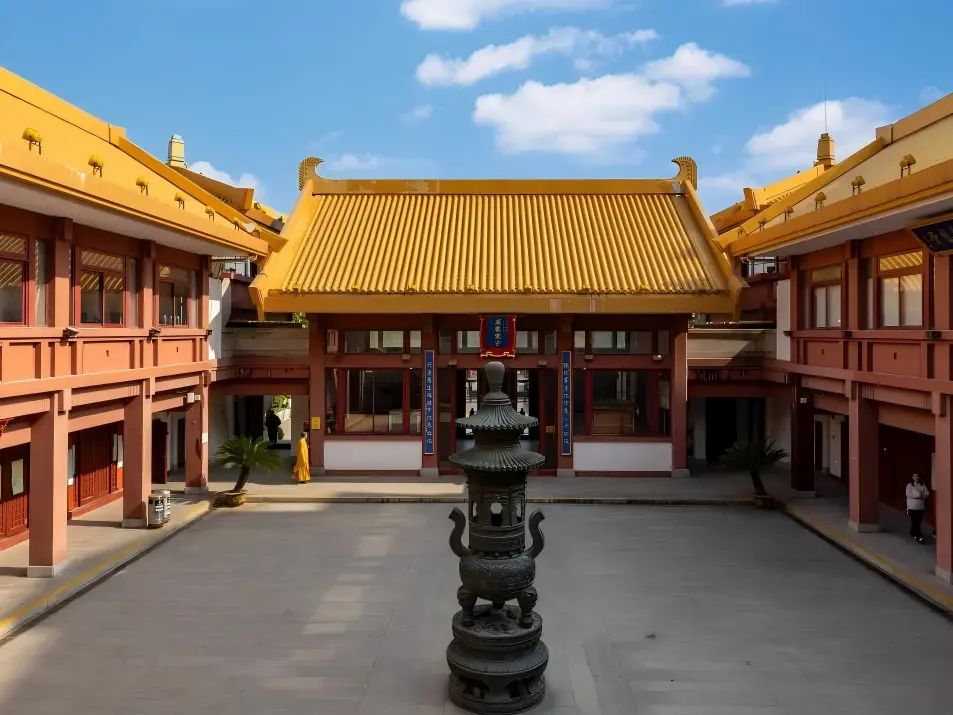
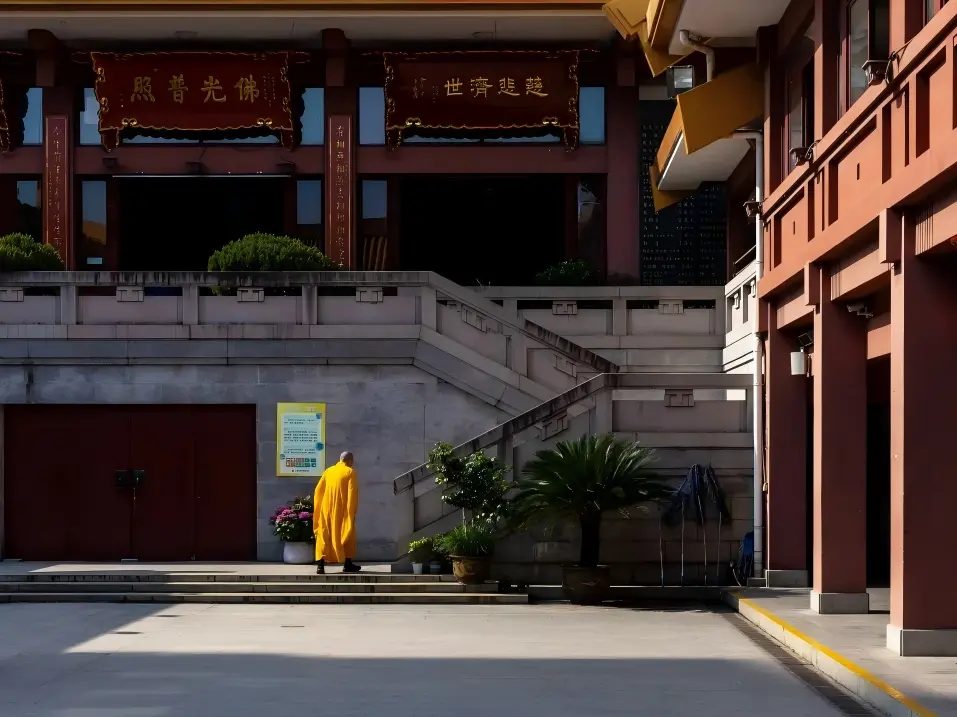
Visit Qibao Temple
Qibao Temple is closely connected with the history and identity of the ancient town and is traditionally associated with the legend of the Seven Treasures, from which Qibao takes its name.
Beyond its historical connection, the temple provides a quieter contrast to the busy old streets. Take a few minutes to look around the temple grounds, observe the traditional Buddhist architecture, and learn more about the religious traditions woven into Qibao's history.
Look for Historic Buildings and Old Residences
Some of Qibao's charm lies in the details you encounter between its main attractions. Look for white walls, dark-tiled roofs, wooden doors, traditional windows, narrow lanes, and houses built close to the waterways.
The best approach is to leave some room for wandering. Once you move away from the busiest sections of Qibao Old Street, smaller lanes and residential corners offer a quieter view of the town and a better sense of its traditional Jiangnan layout.
What to Eat in Qibao Ancient Town
Food is one of the highlights of visiting Qibao Ancient Town. The old streets are filled with snack shops, traditional food stalls, and local restaurants, making it easy to try several specialties as you explore. If you are visiting for the first time, leave some room in your itinerary for a few of these classic Qibao flavors.
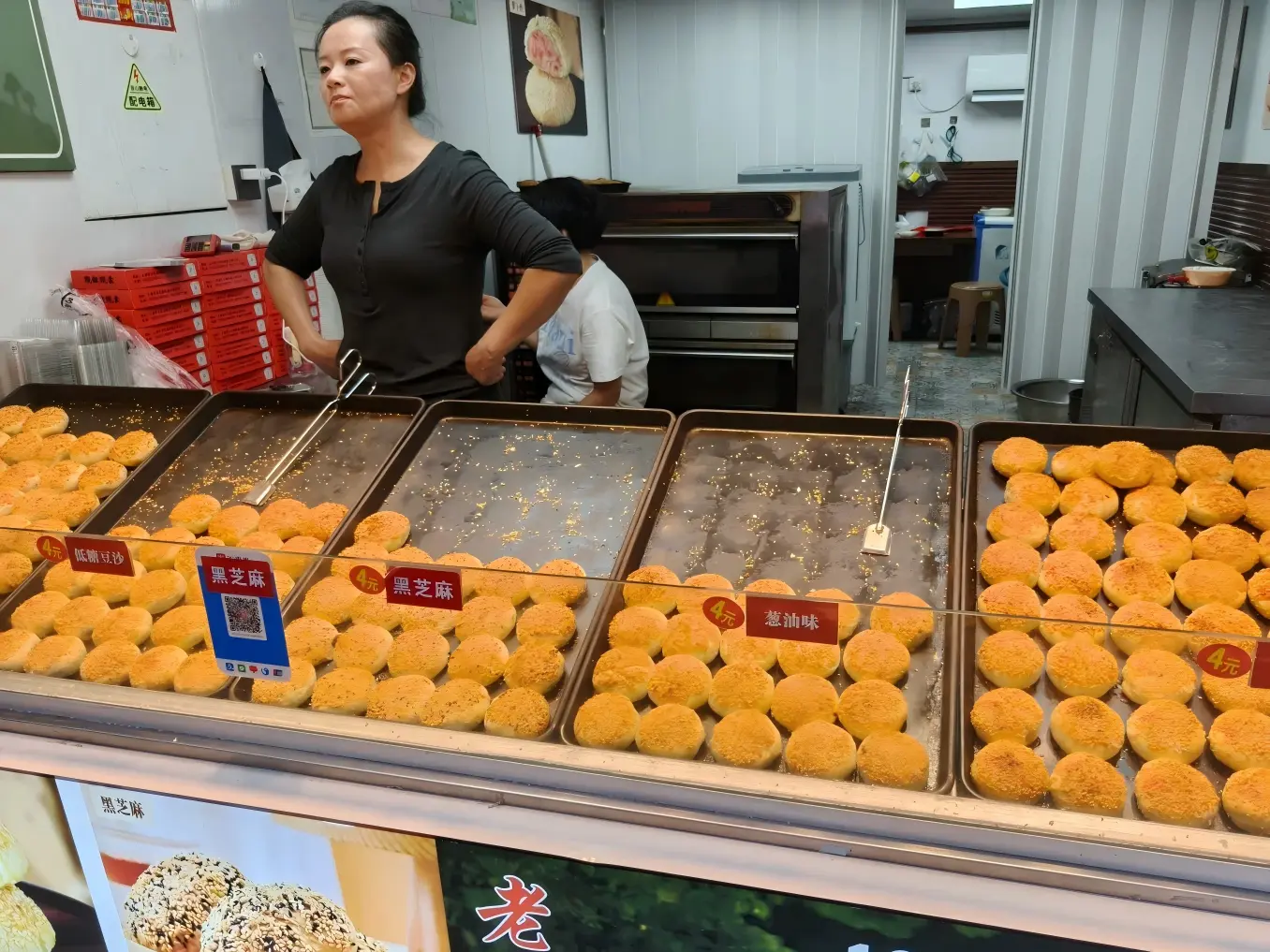
Try Qibao Rice Cake
Qibao rice cake is one of the town's best-known traditional snacks. Made mainly from glutinous rice flour, it has a soft, chewy texture and is available in different flavors and fillings.
It is easy to pick up from a street shop and enjoy while walking, making it a good first snack when exploring Qibao Old Street.
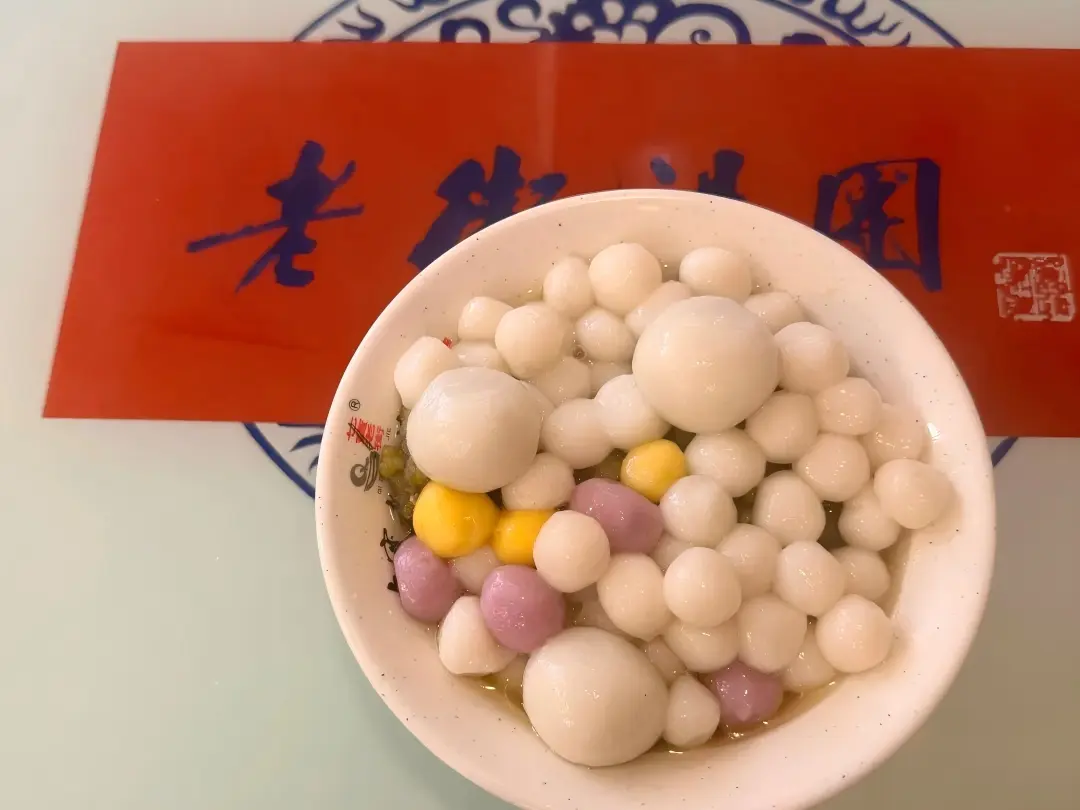
Taste Qibao Tangyuan
Tangyuan, or glutinous rice balls, are another traditional favorite. Their soft, chewy wrappers are usually filled with sweet sesame or other fillings and served warm.
They are particularly enjoyable on a cooler day and offer a simple taste of classic Jiangnan dessert culture.
Try Hebao Doufugan
Hebao doufugan is a traditional Qibao specialty made from seasoned dried tofu. The tofu is wrapped in lotus leaves and cooked with spices, giving it a savory, fragrant flavor.
It is a good choice if you prefer something less sweet and want to try a snack with a stronger local identity.
Sample Qibao Braised Pork Trotters
Braised pork trotters are another well-known local specialty. Slow-cooked until tender, the meat has a rich, savory flavor and a glossy appearance from the braising sauce.
Unlike quick street snacks, this is better enjoyed as part of a sit-down meal, especially if you are traveling with others and want to share several dishes.
Explore More Street Snacks
You will also find plenty of familiar Chinese street foods around Qibao Old Street, from tanghulu and roasted sweet potatoes to fried snacks and traditional pastries. Some are closely associated with Qibao, while others are simply popular treats found around Shanghai.
The best approach is not to order everything at once. Pick a few things that catch your eye, share them if you are traveling with others, and save some appetite for the next shop.
Have a Traditional Shanghai-Style Meal
If snacks are not enough for you, Qibao also has restaurants serving Shanghai and Jiangnan-style dishes. A sit-down meal gives you the chance to try more substantial local flavors, including braised dishes, freshwater fish, seasonal vegetables, and other regional specialties.
For a half-day visit, a good combination is to sample one or two street snacks first, then have a proper meal before leaving the old town.
How to Get to Qibao Ancient Town
Getting to Qibao Ancient Town is relatively easy, especially by metro. Since the old town is located within Shanghai's urban area, you can reach it from central Shanghai without making a long suburban journey.
By Metro: The Easiest Option
For most travelers, the Shanghai Metro is the most convenient way to reach Qibao. Take Metro Line 9 and get off at Qibao Station. From the station, follow the signs toward the old town and walk south for around 10 minutes to reach Qibao Old Street.
Metro Line 9 also connects with several major interchange stations, so you can usually reach Qibao with one transfer from many parts of central Shanghai. If you are planning to visit other attractions on the same day, the metro is generally more predictable than traveling by road.
By Taxi
taxi is a more comfortable option if you are traveling with children, older family members, or a group with luggage. Simply set Qibao Ancient Town or Qibao Old Street as your destination.
The advantage is door-to-door convenience, but road traffic can affect travel time, particularly during weekday rush hours and busy weekends.
By Bus
Several local bus routes serve the Qibao area, including routes such as 92, 186, 198, 709, and 735. Buses can be useful if you are already staying or sightseeing in Minhang, but they are less straightforward for first-time international visitors than the metro.
Qibao Ancient Town Opening Hours and Tickets
Entrance and Admission
The main area of Qibao Ancient Town and Qibao Old Street is free to enter. You can walk through the historic streets, cross the bridges, explore the waterways, and browse the shops without purchasing a general admission ticket.
Some museums and cultural venues within the town may charge a separate fee. If you are mainly visiting for the old-town atmosphere, food, and architecture, there is no need to budget for a general entrance ticket.
Opening Hours
The public area of Qibao Ancient Town is accessible throughout the day, allowing visitors to walk around the old streets and along the waterways at any time.
However, the shops, museums, temples, and indoor attractions do not all stay open around the clock. Most operate during daytime hours, and opening times may vary, so visiting earlier in the day is recommended.
For most travelers, arriving in the late morning and staying through the afternoon provides enough time to stroll through the old streets, visit several cultural attractions, and enjoy lunch or local snacks.
Best Time to Visit Qibao Ancient Town
Qibao Ancient Town can be visited throughout the year, but the experience changes with the season, weather, and time of day. Since much of the visit takes place outdoors, walking conditions and crowd levels are worth considering when planning your trip.
Best Seasons to Visit Qibao Ancient Town
Spring and Autumn for Comfortable Weather
Spring and autumn are generally the most comfortable seasons for exploring Qibao. Temperatures are milder, making it easier to spend a few hours walking through the old streets, crossing the bridges, and exploring the waterways without the heat of summer.
Autumn is particularly pleasant for a relaxed stroll, while spring brings a fresher atmosphere around the town. These seasons are a good choice if you want to combine sightseeing with plenty of walking.
Summer for Early or Late Visits
Shanghai's summers can be hot and humid, which can make walking around the old town less comfortable during the middle of the day. If you visit between June and August, morning or late afternoon is usually a better choice.
Arriving earlier also gives you a chance to explore before the streets become busier. Alternatively, visiting later in the day allows you to enjoy the old town as the temperature starts to drop and stay for an evening meal.
Winter for a Quieter Atmosphere
Winter is a good option if you prefer fewer crowds and a slower pace. The weather can be cold and occasionally damp, but the compact size of Qibao makes it manageable for a short outing.
Bring an extra layer and plan a few indoor stops, such as museums or restaurants, so you have places to warm up during your visit.
Weekdays vs. Weekends
If you prefer a more relaxed visit, weekdays are generally quieter than weekends. Qibao is a popular local destination, and the busiest parts of the old street can become crowded on Saturdays, Sundays, and public holidays.
On weekdays, especially in the morning or early afternoon, you'll have more space to explore the smaller lanes, browse shops, and stop for food. Weekends tend to be livelier, with more visitors, longer waits at popular food stalls, and a busier atmosphere throughout the old town.
Festivals for a Livelier Experience
Visiting during a traditional festival can give Qibao a completely different atmosphere. During the Spring Festival, for example, the old town has featured lantern displays and festive activities, while traditional foods such as tangyuan and pastries become especially popular.
These periods are ideal if you enjoy local celebrations and a lively atmosphere, but they are also among the busiest times to visit. If you prefer quiet streets and relaxed sightseeing, an ordinary weekday is a better choice.

Qibao Ancient Town for Different Types of Travelers
Qibao Ancient Town is easy to fit into different kinds of Shanghai trips. Whether you are traveling with family, looking for local food, interested in history, or simply want a relaxed afternoon away from the city's busiest streets, the old town offers something different for each type of traveler.
For First-Time Visitors to Shanghai
Qibao is an accessible way to experience the charm of a traditional Jiangnan water town without traveling far from central Shanghai. Within a relatively compact area, you can explore historic lanes, stone bridges, waterways, traditional buildings, and local snacks, making it easy to get a sense of the region's culture in just a few hours.
For first-time visitors, Qibao is especially suitable as a complement to Shanghai's modern landmarks and major attractions. It offers a slower, more traditional atmosphere and helps create a more complete picture of the city's past and present.
For Families with Children
Families can enjoy Qibao at an easy pace, with plenty of things to look at along the old streets and waterways. Children may find the traditional snacks, small museums, bridges, and narrow lanes more engaging than a conventional historical site.
The compact layout also means you do not need to spend the whole day walking between distant attractions. Plan a few stops and leave some free time for snacks or a break.
For Food Lovers
Qibao is particularly suitable for travelers who like to explore a destination through food. Traditional snacks and local specialties are an important part of the old-town experience, and you can try several different foods without committing to a long restaurant meal.
It is a good place for a casual food walk: sample something from one shop, continue exploring, then stop for another local specialty when something catches your attention.
For History and Culture Enthusiasts
Travelers interested in local history can look beyond the old buildings and explore Qibao's temple culture, folk traditions, museums, and legends. The story of the Seven Treasures is an especially interesting introduction to the town's cultural identity.
Rather than trying to see every attraction, choose a few museums or historic sites and combine them with a walk through the surrounding streets.
For Couples
Qibao works well for couples who prefer a slower outing rather than a packed sightseeing schedule. Walking beside the waterways, browsing the old streets, stopping for snacks, and finding a quieter corner away from the main crowds can easily fill a relaxed afternoon.
A late-afternoon visit can be particularly pleasant, allowing you to explore in daylight and stay for dinner as the old town becomes more atmospheric.
For Photography Enthusiasts
Qibao offers plenty of traditional details to photograph, including stone bridges, waterways, tiled roofs, old fa?ades, narrow lanes, and riverside buildings. The strongest images often come from looking beyond the busiest commercial streets.
Early morning is a good choice for softer light and fewer people, while late afternoon can create warmer tones around the waterways and traditional buildings.
For Short-Stay Travelers
If you only have limited time in Shanghai, Qibao is one of the easier traditional-town experiences to add to your itinerary. Its convenient location and compact historic area mean you can enjoy the main highlights without giving up an entire day.
Where to Stay Near Qibao Ancient Town
Staying near Qibao Ancient Town is a practical choice if you want to explore the old town at a relaxed pace. There are several hotels within walking distance or a short ride of Qibao, ranging from simple budget hotels to upscale properties.
Upscale Hotels — RMB 800+
If you prefer a more comfortable stay with larger rooms and more hotel facilities, there are a few upscale options close to Qibao Ancient Town.
· Le Méridien Shanghai, Minhang — Located about 0.5 km from Qibao Ancient Town, this is one of the most convenient upscale choices. The hotel offers modern rooms, restaurants, an indoor pool, and other leisure facilities, making it suitable for travelers who want a full-service stay.
· MaxX by Steigenberger Shanghai — A contemporary upscale hotel located around the Qibao area. It offers modern rooms and a range of hotel facilities, making it a good option if comfort is more important than staying directly beside the old street.
Mid-Range Hotels — RMB 400–800
Mid-range hotels around Qibao offer a good balance between comfort and price. They are suitable for travelers who want more facilities than a basic budget hotel without paying for a luxury property.
· Holiday Inn Express Shanghai Gumei — A reliable international chain hotel with modern rooms and practical facilities. It is a good choice for travelers who prefer a familiar hotel standard.
· Shanghai Yuelong Hotel — A comfortable local hotel in the Qibao area, suitable for travelers looking for a quieter stay with more room and facilities than a basic budget property.
· Sushi Light Luxury Hotel — A contemporary boutique-style option offering a more modern atmosphere than a standard economy hotel.
Budget Hotels — Under RMB 400
For travelers who mainly need a convenient place to stay, Qibao has several affordable chain hotels. These properties are generally simple but practical and work well for short stays.
· JI Hotel Shanghai Qibao Metro Station — A popular mid-budget chain option with a convenient location near the metro and the old town. It is suitable for travelers who value cleanliness, consistency, and easy transportation.
· Home Inn Shanghai Qibao — A straightforward budget choice for travelers who want basic facilities at a relatively affordable price.
· Hanting Hotel Shanghai Qibao Qixin Road — Another practical economy option around Qibao, particularly suitable for short stays and travelers who plan to spend most of their time exploring the city.
Tips: Hotel rates can change significantly depending on the season, weekends, and holidays, so the price ranges above are best used as a general guide when planning your stay.

Qibao Ancient Town Travel Tips
Wear Comfortable Shoes
Qibao is best explored on foot, with plenty of walking through old streets, narrow lanes, and around the waterways. Comfortable walking shoes are a better choice than anything too formal or difficult to walk in.
If you visit in summer, lightweight and breathable clothing is recommended. In cooler months, bring an extra layer, especially if you plan to stay outdoors into the evening.
Carry Some Cash and Use Mobile Payments
Most shops and restaurants in Shanghai now accept mobile payments such as Alipay and WeChat Pay, and Qibao is no exception. International travelers can also link many overseas bank cards to these payment apps.
It is still useful to carry a small amount of RMB cash as a backup, particularly when buying inexpensive snacks from smaller vendors.
Avoid the Busiest Periods
Qibao can become quite busy on weekends and public holidays, especially around the main sections of Qibao Old Street and popular food shops.
If you prefer a more relaxed walk, visit on a weekday or arrive earlier in the day. During busy periods, keep valuables secure and allow extra time when moving through crowded areas.
Keep an Eye on Your Belongings
Qibao is generally a busy tourist and local leisure area, so normal city precautions are enough. Keep your phone, wallet, and other valuables secure in crowded streets, especially when browsing busy food stalls or shops.
If you are traveling with children, it is also worth keeping them close around bridges and waterways.
Respect Local Customs
Qibao has temples, cultural venues, and historic sites alongside its commercial streets. Dress and behave respectfully when entering religious or cultural spaces, and follow any photography restrictions posted inside.
Avoid touching exhibits, climbing on historic structures, or blocking narrow passageways while taking photos.
Prepare for Limited English
English signage is available at some major attractions, but smaller shops and food stalls may have limited English. Having the Chinese name of your destination or hotel saved on your phone can make communication much easier.
Check Restroom Locations
Public restrooms are available within the old-town area, but they may not always be obvious from the main streets. If you are traveling with children or older family members, it is useful to take a break when you pass one rather than waiting until you need it urgently.
Leave Room for Spontaneous Stops
One of the easiest ways to enjoy Qibao is to avoid filling every minute of your itinerary. A small craft shop, an interesting old building, or an unexpected food stall may be worth a few extra minutes. Keep your schedule loose enough to follow those discoveries.
FAQs About Qibao Ancient Town
Is Qibao Ancient Town suitable for children?
Yes. The compact streets, waterways, traditional snacks, and small cultural attractions make Qibao suitable for a family outing. Parents should keep an eye on children near canals and bridges.
Can I visit Qibao Ancient Town at night?
Yes. The public areas of the old town can be enjoyed in the evening, when restaurants and shops create a livelier atmosphere. However, individual museums and cultural attractions may close earlier.
Can I take a boat ride in Qibao?
Boat rides may be available depending on the season and operating arrangements. When services are running, a short ride offers a different perspective of the old streets, bridges, and waterways.
What should I buy in Qibao Ancient Town?
Traditional snacks, pastries, local specialties, handicrafts, and small souvenirs are among the most common things to buy. If you are interested in traditional crafts, take a look at the specialist shops rather than only the souvenir stalls.
Is Qibao Ancient Town good for photography?
Yes. Stone bridges, canals, traditional roofs, narrow lanes, and riverside buildings provide plenty of photo opportunities. Early morning and late afternoon are particularly pleasant for photography.
Is Qibao Ancient Town free?
The main historic area and public streets are free to enter. Some individual museums or cultural attractions may have separate admission fees.
Can I explore Qibao Ancient Town without a guide?
Yes. The main streets are straightforward to explore independently, and you can simply follow the waterways and old lanes. A guide is more useful if you want deeper background on Qibao's history, legends, and traditional culture.
Can I bring luggage into Qibao Ancient Town?
You can walk through the public areas with luggage, but large suitcases are inconvenient on narrow streets and during busy periods. If possible, leave bulky luggage at your hotel before exploring.
Qibao is just one way to experience the traditional side of Shanghai. If you have more time, check out our Shanghai tour routes for ideas on exploring more of the city in one trip.