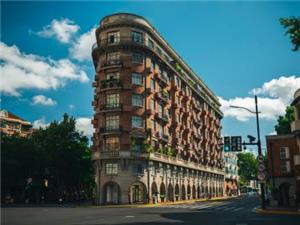
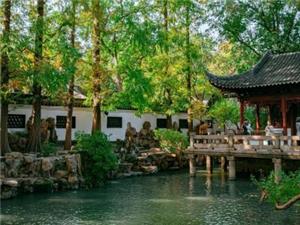
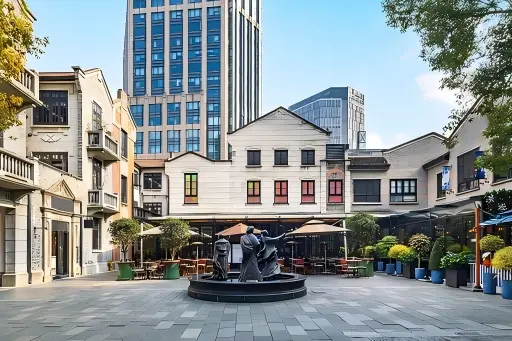
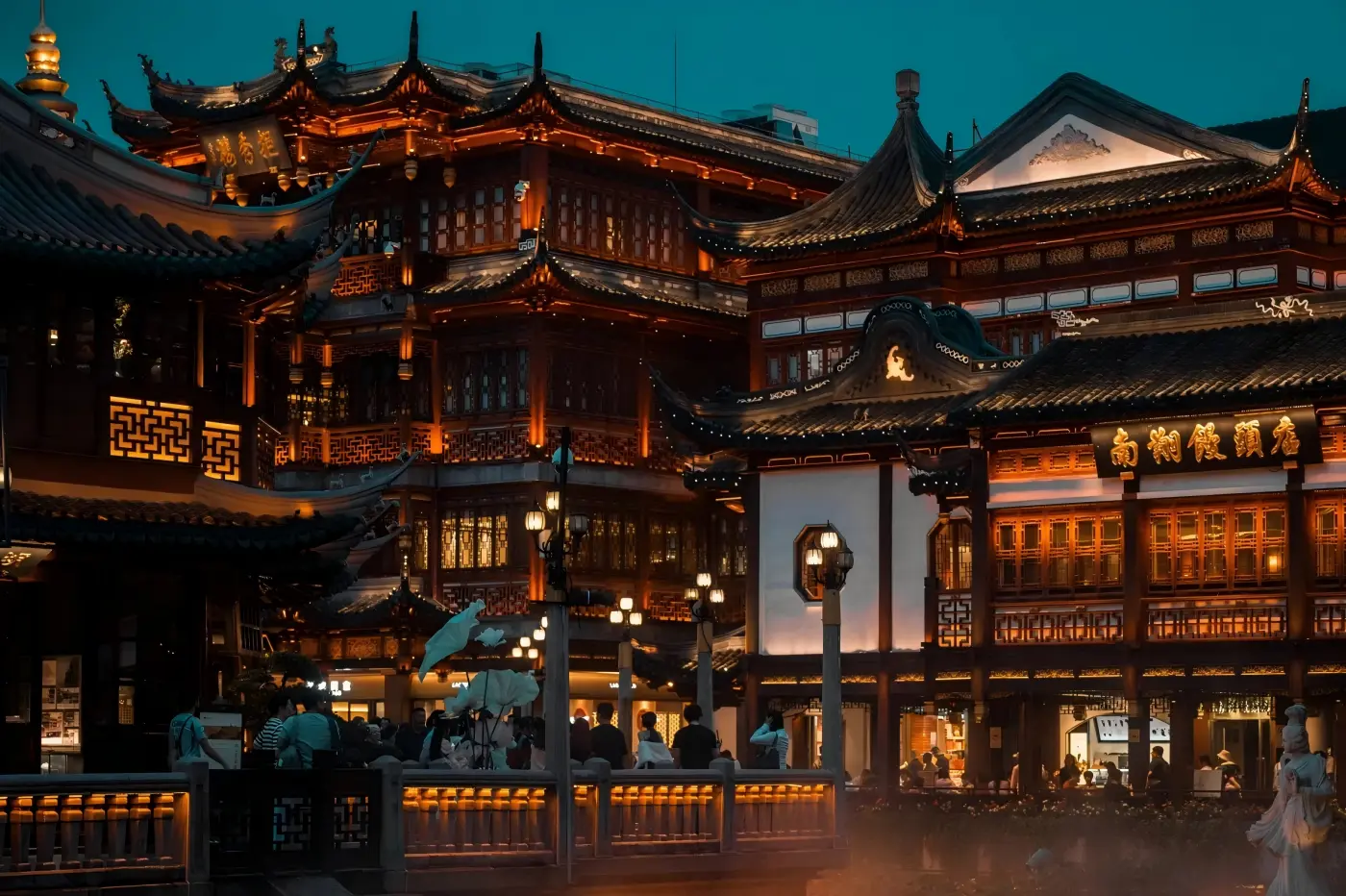
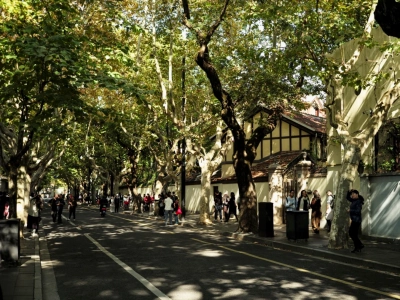
Come to Shanghai Xintiandi with no need to rush. Wander through historic lanes, stop for coffee, browse a boutique or two, and settle in for dinner as the neighborhood lights up. This stylish corner of Shanghai is easy to explore and full of small moments worth enjoying. Our Xintiandi travel guide shares the best things to see, do, eat, and experience during your visit.
Ready to explore more of Shanghai? Take a look at our recommended Shanghai tours and combine Xintiandi with some of the city's best experiences in one well-planned trip.
What Is Shanghai Xintiandi Famous For?
Shanghai Xintiandi stands out for much more than its restaurants and boutiques. The neighborhood brings together preserved Shikumen architecture, Haipai culture, modern fashion, and significant historical sites, while its year-round events make it one of Shanghai's most active lifestyle and cultural destinations.
Shikumen Architecture: A Model of Old-and-New Urban Renewal
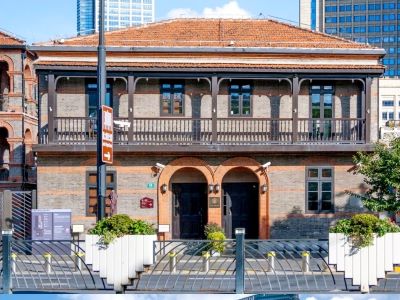
Xintiandi is one of Shanghai's best-known examples of how historic architecture can be preserved and given a new purpose. Its restored Shikumen buildings retain traditional fa?ades, stone gates, brick walls, and lane layouts, while the interiors have been adapted into restaurants, shops, cafés, and other modern spaces. This distinctive contrast between historic exteriors and contemporary interiors is one of the defining features of Shanghai Xintiandi.
Haipai Culture Meets International Fashion
Xintiandi captures the character of Haipai culture, Shanghai's long-standing blend of Chinese and Western influences, while adding a distinctly international and fashionable edge. Alongside its historic streets, you'll find contemporary architecture, international brands, designer stores, stylish restaurants, and lifestyle spaces. The result is a neighborhood where traditional Shanghai character and modern urban trends sit side by side.
A Neighborhood with Deep Revolutionary History
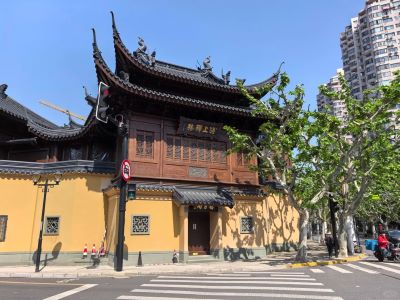
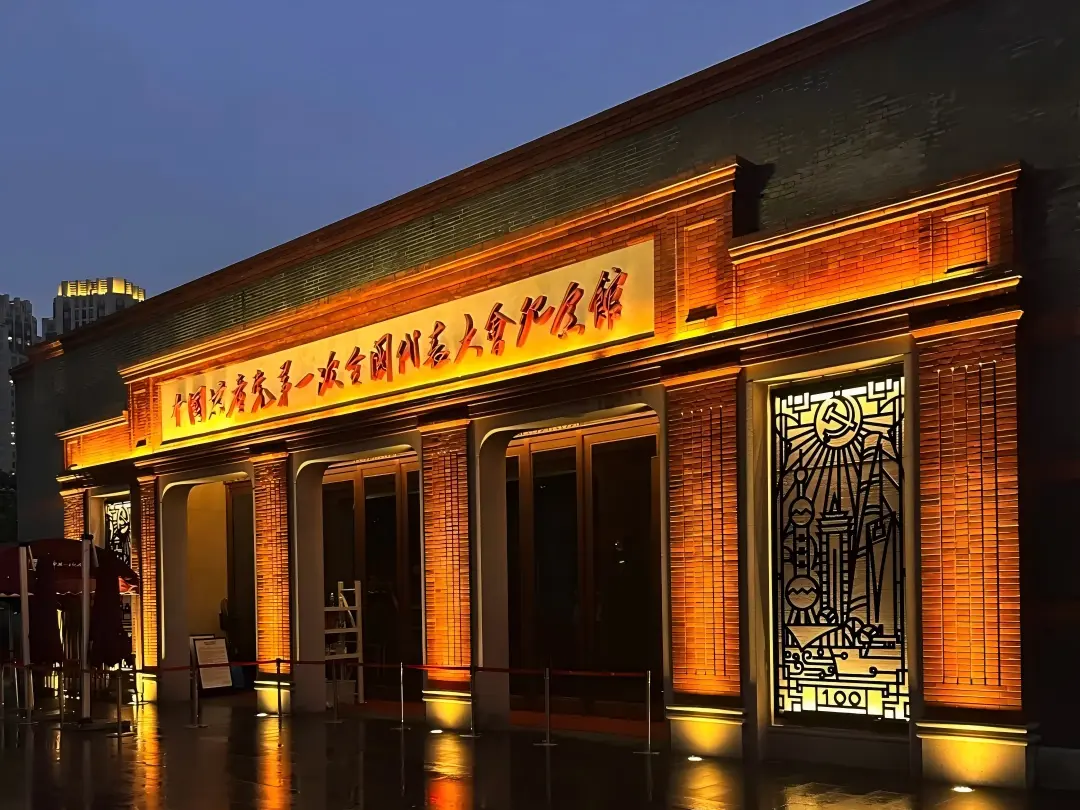
Xintiandi also has an important place in modern Chinese history. The area is home to the Site of the First National Congress of the Communist Party of China, where the First National Congress was held in 1921. Today, the site forms an important part of the neighborhood's historical identity and adds a deeper cultural dimension to a visit beyond shopping and dining.
A Year-Round Cultural and Social Destination
Xintiandi is not simply a place to look around—it is an active destination for dining, shopping, art, and social experiences. Throughout the year, the neighborhood hosts events such as fashion activities, art exhibitions, creative markets, cultural programs, and seasonal events, attracting both local residents and international visitors. With so many experiences concentrated within a walkable area, Xintiandi has become one of the places to experience Shanghai's contemporary lifestyle.
Shanghai Xintiandi Architecture & Heritage
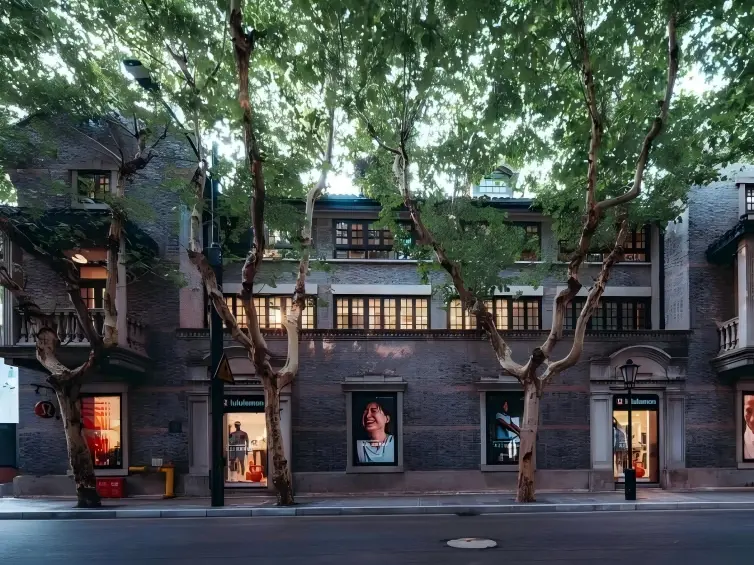
Xintiandi is one of the best places in Shanghai to understand how the city has preserved part of its historic urban fabric while giving it a completely new role. The neighborhood's identity is closely tied to Shikumen, a distinctive form of Shanghai residential architecture that combines traditional Chinese elements with Western influences.
What Is Shikumen Architecture?
The name Shikumen, meaning “stone gate,” comes from the characteristic stone-framed entrance found on many of these houses. Developed in Shanghai in the late 19th and early 20th centuries, Shikumen residences typically combine enclosed courtyards and traditional Chinese spatial ideas with brick fa?ades, arched or rectangular doorways, and influences from Western residential architecture.
Unlike a traditional Chinese courtyard house, a Shikumen home was designed for Shanghai's dense urban environment. Houses were arranged closely along narrow lanes, creating compact residential communities known as longtang. These lanes became an important part of everyday urban life, with neighbors sharing a strong sense of community.
What Was Life Like in a Shikumen Neighborhood?
Shikumen was more than an architectural style—it was a way of living. Families lived in relatively compact multi-story homes, while the surrounding lanes served as shared spaces where residents met, chatted, children played, and everyday activities took place.
Inside the houses, different rooms often served different family and household functions, while the narrow lanes connected individual homes into a larger community. This combination of private residences and shared public space became one of the defining features of old Shanghai.
For visitors today, understanding this lifestyle makes the buildings around Xintiandi much easier to appreciate. What may first look like an attractive historic fa?ade was once part of a dense residential neighborhood filled with everyday activity.
How Xintiandi Preserved Its Historic Character
The significance of Xintiandi lies not simply in preserving old buildings, but in giving them a new life. During the area's redevelopment, historic Shikumen structures were restored while their interiors and surrounding spaces were adapted for modern commercial and cultural uses.
This created the characteristic contrast seen today: historic fa?ades and lane layouts remain visible from the outside, while restaurants, boutiques, cafés, and other contemporary spaces occupy the renovated buildings.
It is this “old outside, new inside” approach that has made Xintiandi an often-cited example of adaptive reuse and historic urban renewal in Shanghai. Instead of turning the neighborhood into a museum frozen in time, the restoration allows historic architecture to remain part of an active city district.
Top Things to Do at Xintiandi
Xintiandi is easy to explore, but it is even better when you know what to look for. Instead of simply walking through the neighborhood, take time to experience its historic streets, discover its contemporary side, and enjoy the food, shopping, culture, and social atmosphere that make the area so popular.
Walk Through the Historic Shikumen Lanes
Start your visit on foot and take a closer look at Xintiandi's preserved Shikumen streets. Rather than rushing from one shop to another, notice the stone door frames, brick fa?ades, lane entrances, and details that reveal how traditional Shanghai residences once looked.
The experience is especially interesting because the historic exteriors lead directly into modern restaurants, cafés, and boutiques. You can see the architectural character from the street while experiencing a completely contemporary neighborhood inside.
Explore Xintiandi's Fashion and Lifestyle Scene
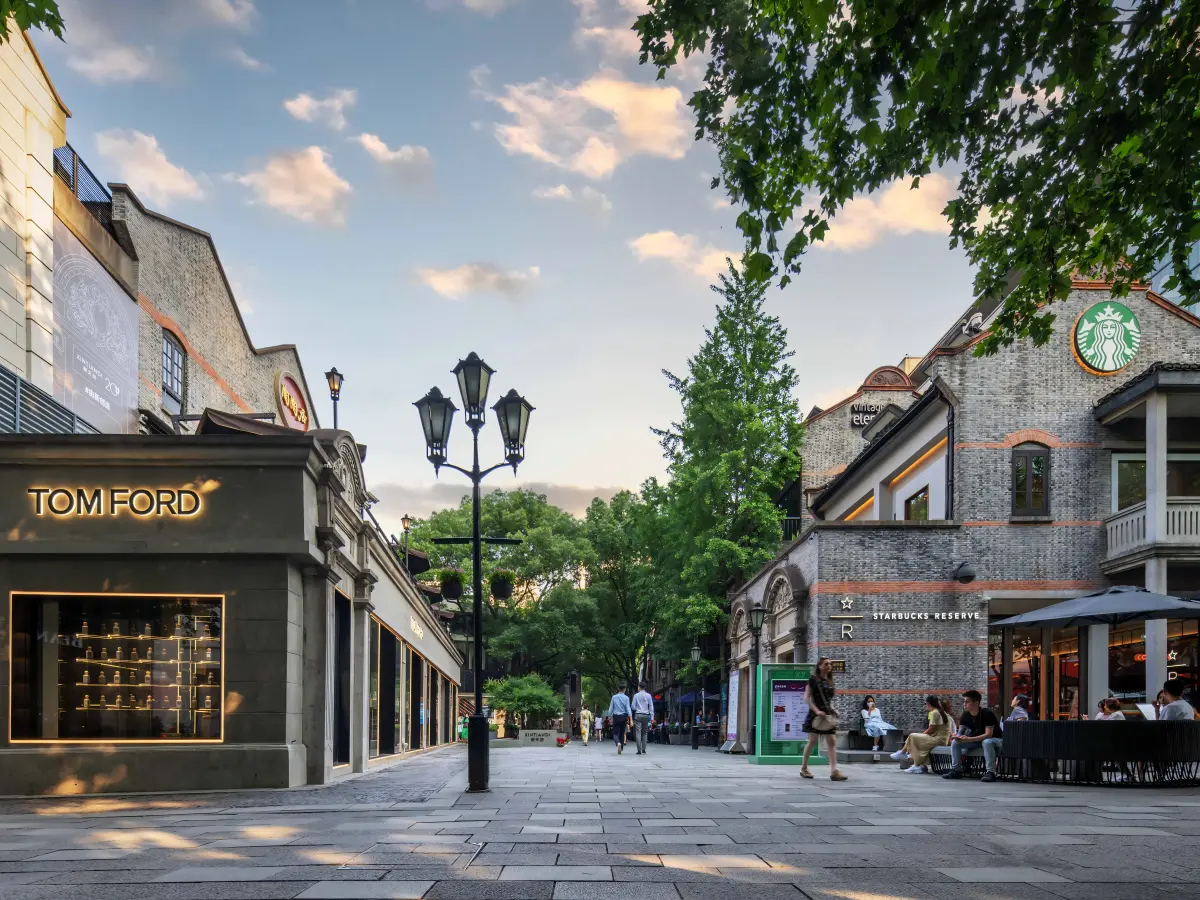
Xintiandi is a good place to see Shanghai's more polished, international side. Spend some time browsing its fashion boutiques, designer stores, beauty brands, and lifestyle shops rather than treating the area as a quick shopping stop.
The shopping experience ranges from international names to more design-focused and lifestyle-oriented spaces. Even if you are not planning to buy anything, the mix of architecture, storefronts, and contemporary design makes the commercial areas worth exploring.
Take a Break at a Café
Find a café in Xintiandi, order a coffee, and settle in for a while to watch people pass through the historic lanes and surrounding streets. The neighborhood attracts a mix of local residents, office workers, shoppers, and visitors, making it an easy place to observe the rhythm of everyday life.
This is especially enjoyable after exploring the old shikumen buildings or nearby shops. Rather than rushing from one attraction to the next, take a slow coffee break and let the atmosphere unfold around you.
Discover Its Revolutionary History
Set aside some time for the historical side of Xintiandi, particularly the Site of the First National Congress of the Communist Party of China. The site is closely connected with the founding history of the Communist Party of China and provides important context for understanding the area's place in modern Chinese history.
It is a very different experience from the restaurants and shops around it, which is precisely what makes it worth including. A visit here adds historical depth to an otherwise leisure-focused afternoon.
Look for Art, Design, and Seasonal Events
Xintiandi regularly incorporates art, design, fashion, and creative activities into its public spaces. Depending on when you visit, you may encounter exhibitions, creative markets, fashion-related events, installations, or seasonal programs.
If you enjoy contemporary culture, check what is happening during your visit rather than assuming Xintiandi is the same every day. These events can turn a simple neighborhood walk into a more unexpected cultural experience.
Visit the Shanghai Shikumen Museum
For a closer look at the history behind Xintiandi, spend some time at the Shanghai Shikumen Museum. The museum recreates a typical Shikumen residence and uses its rooms, household objects, and everyday details to show how Shanghai families once lived in these distinctive lane houses.
The visit is more meaningful when combined with a walk through Xintiandi itself. After seeing the restored buildings from the outside, you can step inside the museum to understand how the spaces were used, from living rooms and bedrooms to shared areas within the neighborhood. It gives you a better sense of the people and daily life behind the architecture.
Xintiandi North Block vs. South Block: What Should You See?
Xintiandi is generally experienced through two different sides of the neighborhood: the North Block and South Block. They are close enough to explore on foot, but each has a noticeably different character. If you have limited time, knowing the difference can help you decide where to spend more of your visit.
North Block: Historic Character and Classic Xintiandi Atmosphere
The North Block is the side to prioritize if this is your first visit and you want to experience the character that made Xintiandi famous. Its streets are lined with restored Shikumen buildings, creating the classic old-meets-new setting associated with the neighborhood.
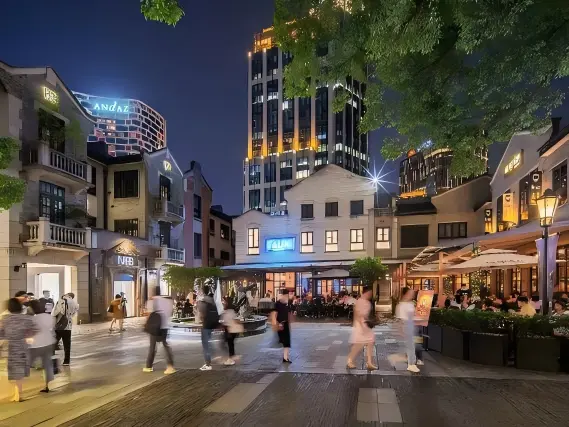
This is a good area for a leisurely walk, architectural details, casual photos, and discovering restaurants and cafés tucked into the historic buildings. The atmosphere becomes particularly appealing in the late afternoon and evening, when outdoor dining and the surrounding streets become more lively.
Best for: first-time visitors, architecture, historic atmosphere, walking, dining, and evening ambiance.
South Block: Modern Shopping and Contemporary Lifestyle
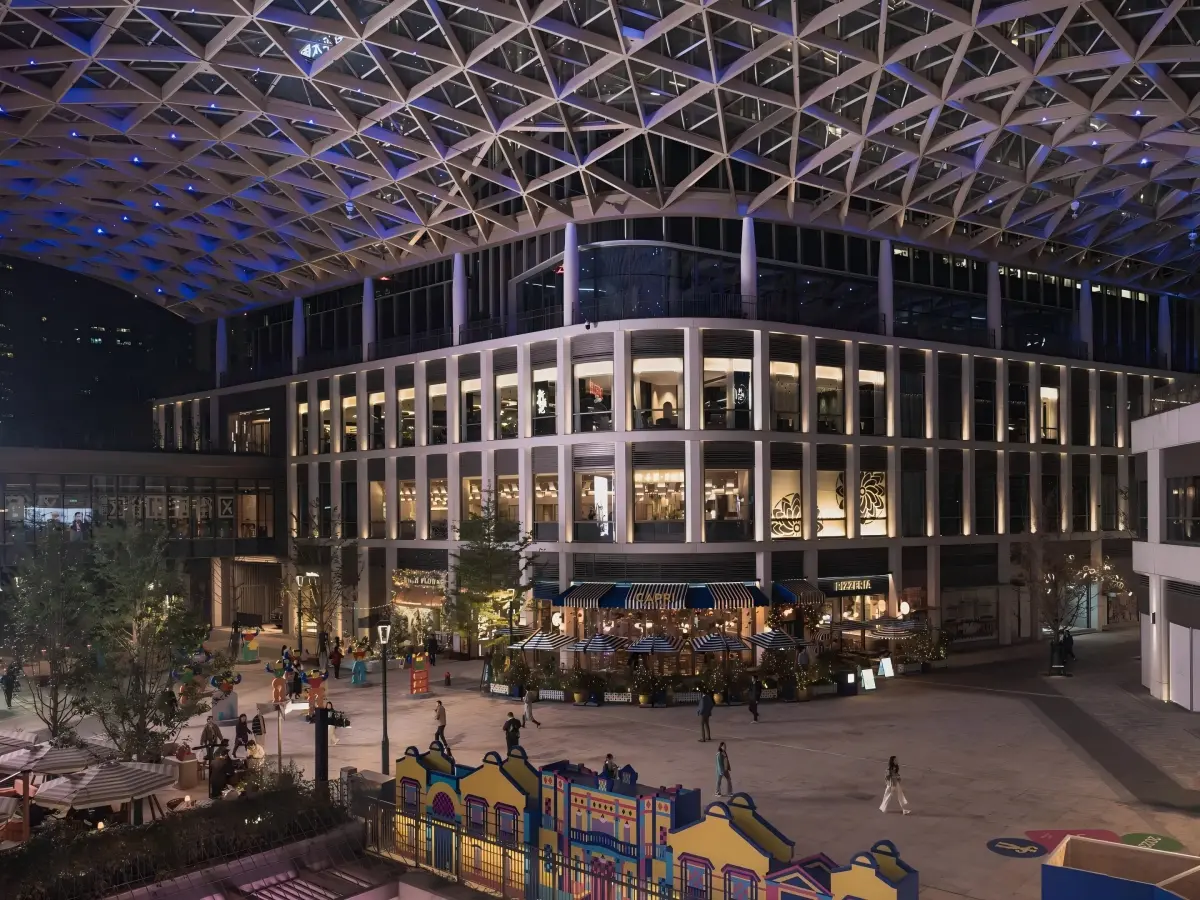
The South Block has a more contemporary feel, with modern buildings, shopping, lifestyle spaces, restaurants, and entertainment. Compared with the North Block's historic streetscape, this side feels more like a modern urban destination.
It is worth spending more time here if you're interested in fashion, design, shopping, contemporary dining, or simply seeing another side of Xintiandi. The area also provides a useful contrast to the historic architecture nearby, showing how traditional and modern elements have been integrated into the same neighborhood.
Best for: shopping, fashion, design, contemporary architecture, dining, and lifestyle experiences.
Where to Eat at Shanghai Xintiandi
Food is a big part of the Xintiandi experience. You can sit down for classic Shanghai flavors, try a French bistro, enjoy an afternoon coffee, or stay into the evening for cocktails. Prices are generally higher than at neighborhood eateries elsewhere in Shanghai, but the setting, location, and range of dining styles make Xintiandi particularly convenient for visitors.
Traditional Shanghai Food
If you want to include some local flavors in your Xintiandi visit, look for restaurants serving Shanghai cuisine (Benbang cai), known for rich sauces, savory-sweet flavors, and dishes such as braised pork, river shrimp, and seasonal specialties.
Recommended restaurants:
Ye Shanghai (夜上海) — A refined restaurant specializing in Shanghainese cuisine, with classic local dishes presented in a more elegant setting. It is a good choice for trying traditional Shanghai flavors over a relaxed lunch or dinner.
Price: Around RMB 250–350 per person
Xiao Nan Guo (小南国) — A well-known Shanghai restaurant offering familiar Benbang dishes in a comfortable, upscale setting. It works particularly well for families and groups looking for an easy introduction to local cuisine.
Price: Around RMB 150–250 per person
International Dining
Xintiandi is particularly strong when it comes to international restaurants, making this one of the easiest areas in central Shanghai for a meal that feels familiar but still has a distinctly local setting.
Polux by Paul Pairet — A relaxed French bistro by Shanghai chef Paul Pairet, serving approachable French dishes in an informal setting. It is a good choice for brunch, lunch, or an easy dinner.
Price: Around RMB 250–400 per person
Estado Puro — Created by Spanish chef Paco Roncero, this restaurant brings Spanish and Mediterranean flavors to Xintiandi, with tapas-style dishes and a lively atmosphere that works well for both dinner and drinks.
Price: Around RMB 250–350 per person
T'ang Court — Located at The Langham, Shanghai, Xintiandi, this elegant restaurant specializes in Cantonese cuisine and is known for its high-end dining experience. It is best saved for a special occasion or celebratory meal.
Price: From around RMB 500 per person, with premium menus costing significantly more
Cafés & Brunch
You don't have to plan a full meal to enjoy Xintiandi's food scene. Its cafés and pastry shops are ideal for a morning coffee, leisurely brunch, afternoon dessert, or a break between sightseeing.
COVA Xintiandi — An elegant Italian café and pastry shop serving coffee, cakes, pastries, light meals, and afternoon tea. It is a comfortable place for a slow breakfast or afternoon break.
Price: Around RMB 130–150 per person
Polux by Paul Pairet — Its relaxed French bistro setting also makes it a popular option for brunch, especially if you prefer a more substantial meal than a typical café stop.
Price: Around RMB 250–400 per person
Beast Café — A more casual café with a playful jungle-inspired interior, offering coffee, pastries, and light bites. It is ideal for a quick break while exploring Xintiandi.
Price: Around RMB 50–100 per person
Bars & Nightlife
Xintiandi becomes noticeably livelier after dark, with restaurants extending into evening drinks and dedicated bars offering cocktails, craft beer, and casual late-night dining.
The Refinery Gastro Bar — A laid-back gastro bar offering food, cocktails, and craft beer. Its outdoor seating makes it particularly enjoyable after sunset when Xintiandi's streets become more lively.
Price: Around RMB 180–300 per person
Estado Puro — Besides its Spanish food, Estado Puro is a good place for an evening drink, combining tapas, cocktails, and a lively atmosphere in the heart of Xintiandi.
Price: Around RMB 250–350 per person
The Odd Couple — A cocktail bar with a more intimate atmosphere, making it a good choice for an after-dinner drink or a relaxed night out.
Price: Around RMB 150–250 per person
Shopping in Shanghai Xintiandi
Shopping is an easy addition to a visit to Xintiandi, especially if you enjoy fashion, beauty, design, and lifestyle brands. The area is not the place to look for traditional souvenir stalls or bargain shopping. Instead, expect a more polished mix of international brands, designer labels, beauty stores, and carefully curated lifestyle spaces.
Browse Fashion and Designer Brands
Xintiandi is a good place to explore contemporary fashion without spending your entire day inside a conventional shopping mall. Along the neighborhood's streets and commercial spaces, you'll find international fashion brands, designer labels, and trend-focused stores.
The shopping experience is particularly appealing if you enjoy discovering new collections or simply want to see how Shanghai's fashion scene blends with the city's historic surroundings. Take your time to look around rather than treating the area as a single shopping destination.
Explore XINTIANDI Style I and Style II
For a more concentrated shopping experience, head to XINTIANDI Style. The two main commercial complexes have different personalities, making them worth exploring for different reasons.
XINTIANDI Style I has a more sophisticated, luxury-oriented atmosphere, with international fashion, accessories, beauty, and lifestyle brands. It is the better choice if you are looking for premium shopping and a polished environment.
XINTIANDI Style II has a younger and more contemporary feel, with fashion, designer, creative, and lifestyle brands. It is worth checking out if you prefer emerging labels, design-led products, and a less traditional luxury-shopping experience.
Discover Beauty and Lifestyle Stores
Beauty and lifestyle shopping is another part of Xintiandi's appeal. Instead of focusing only on luxury fashion, you can browse cosmetics, skincare, fragrances, home goods, and other everyday lifestyle products.
HARMAY is a particularly recognizable name for beauty lovers, combining a wide range of cosmetics and skincare products with a distinctive warehouse-inspired retail design. The store itself can be part of the experience, especially if you're interested in contemporary Chinese retail concepts.
For visitors who enjoy visually interesting stores, Xintiandi's mix of fashion, beauty, design, and creative retail also provides plenty of opportunities for casual browsing and photos.
Look for Design and Creative Finds
Xintiandi's shopping scene goes beyond clothing and cosmetics. Design-conscious visitors can also find lifestyle products, creative goods, home accessories, and independent concepts that reflect Shanghai's modern design culture.
These stores are worth exploring if you're looking for something more distinctive than a standard tourist souvenir. The selection changes over time, so part of the fun is seeing what new brands or pop-ups have appeared during your visit.
Is Xintiandi Good for Shopping?
That depends on what you're looking for. If your priority is luxury fashion, contemporary design, beauty, and lifestyle brands, Xintiandi is well worth including in your Shanghai itinerary. If you're mainly looking for inexpensive souvenirs, traditional handicrafts, or bargain shopping, this is probably not the right area.
For most visitors, the best approach is to combine shopping with the rest of the Xintiandi experience. Spend some time exploring the stores, then take a break at a café or restaurant before continuing your walk through the neighborhood.
Best Time to Visit Shanghai Xintiandi
Shanghai Xintiandi can be visited year-round, but the experience changes noticeably depending on the season and time of day. Since much of the area is best explored on foot, comfortable weather makes a big difference.
Best Season: Spring and Autumn
Spring (March–May) and autumn (September–November) are generally the most comfortable seasons for exploring Xintiandi. Temperatures are usually pleasant for walking, sitting outdoors, and moving between the neighborhood's restaurants and shops. Spring brings a fresh, lively atmosphere, while autumn tends to offer cooler and more comfortable afternoons. These seasons are particularly suitable if you want to spend several hours exploring at a relaxed pace.
Summer can be hot and humid, especially around midday, while winter is cooler and can feel chilly when walking between outdoor areas. That said, Xintiandi's restaurants, cafés, shops, and indoor spaces mean you can still enjoy the neighborhood in any season.
Best Time of Day: Late Afternoon to Evening
If you only have one chance to visit, late afternoon into the evening is the time we'd recommend. Arriving around 3:00–4:00 PM gives you enough daylight to explore the streets and browse the shops, while staying into the evening lets you experience the area's dining and nightlife atmosphere.
Weekday or Weekend?
For a quieter experience, weekday afternoons are usually the better choice. The streets tend to feel more relaxed, making it easier to walk around, browse stores, and take photos without as much activity around you.
Weekends and evenings have a noticeably more social atmosphere, particularly around restaurants and dining areas. If you're interested in experiencing Xintiandi as a lively entertainment and dining destination, this can actually be part of the appeal.
Our Recommendation
For the best balance of weather, sightseeing, and atmosphere, visit Xintiandi on a spring or autumn afternoon and stay through dinner. If you're more interested in shopping and a quieter walk, go on a weekday; for dining, drinks, and a livelier social scene, choose a weekend evening.
How to Get to Shanghai Xintiandi
By Metro
The easiest way to reach Xintiandi is Shanghai Metro Line 10 or Line 13. Both lines stop at Xintiandi Station, putting you within walking distance of the main pedestrian area.
· Line 10: Convenient for visitors coming from areas such as Hongqiao and the western side of central Shanghai.
· Line 13: Useful for reaching Xintiandi from other parts of the city and connecting with several major metro lines.
When you arrive at Xintiandi Station, follow the signs marked Xintiandi / 新天地. There are several station exits, so check your map before leaving the station if you are heading to a particular restaurant, shopping area, or entrance.
Tip: Shanghai's metro network can get busy during morning and evening rush hours. If you're carrying luggage, avoid changing trains unnecessarily and consider taking a taxi for the final part of the journey.
By Taxi
Taxi and ride-hailing services are convenient if you want a direct trip to Xintiandi, particularly for families, older travelers, or groups.
Set Shanghai Xintiandi (上海新天地) as your destination in your navigation or ride-hailing app. If you are meeting a driver, use a clearly marked entrance or a specific hotel, restaurant, or shopping complex as the pickup point rather than simply waiting
somewhere along the pedestrian streets.
Travel time can vary considerably with traffic. During weekday morning and evening rush hours, the metro is generally more predictable than driving.
By Bus
Several city bus routes serve the roads around Xintiandi. Buses can be useful if you're already staying nearby, but they are less straightforward for first-time visitors because routes and stops can be harder to navigate than the metro.
If you prefer taking the bus, check the latest route and stop information in a local navigation app before setting out.
Practical Tips for Visiting Xintiandi
Wear Comfortable Shoes
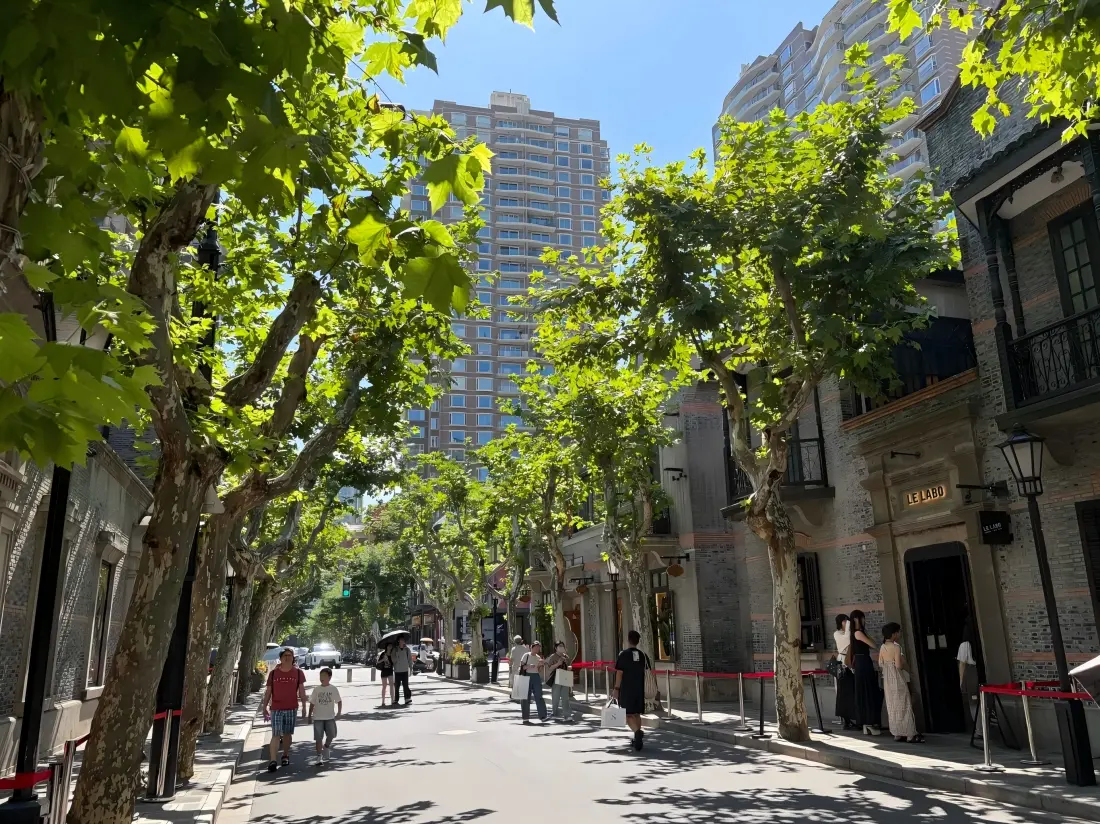
Xintiandi is best explored on foot, and you may walk more than expected while moving between the historic lanes, shops, cafés, and restaurants. Wear comfortable shoes rather than treating the visit like a quick shopping stop.
Don't Rush Through the Historic Area
Give yourself time to look around instead of walking straight from one restaurant or shop to another. Pay attention to the smaller architectural details, lane entrances, and building fa?ades. The historic atmosphere is one of the main reasons to visit Xintiandi, so it is worth slowing down.
Plan Around Your Dining Time
Popular restaurants can become busy around lunch and especially dinner, with Friday and Saturday evenings often being the busiest. If you have a particular restaurant in mind, make a reservation rather than relying on walk-in availability.
Protect Yourself From the Summer Sun
Shanghai summers can be hot and humid, and exploring the outdoor streets in the afternoon can feel tiring. Bring sunscreen, sunglasses, and water, and use cafés or indoor shops as convenient places to cool down during your walk.
Check for Events Before You Visit
Xintiandi regularly hosts exhibitions, creative markets, fashion activities, installations, and seasonal events. These can add something special to your visit, but schedules change throughout the year. Check the latest event information before you arrive if you're interested in art, fashion, or cultural activities.
Keep Your Itinerary Flexible
You don't need to plan every minute at Xintiandi. Leave some free time to stop at an interesting café, browse a store, visit an exhibition, or simply sit and enjoy the surroundings. A flexible itinerary works particularly well here because many experiences are close together.
FAQs
Is Shanghai Xintiandi Free to Enter?
Yes. Xintiandi itself is free to enter, and you can walk through the main streets and public areas without buying an admission ticket. However, individual museums, exhibitions, events, restaurants, and other venues may have their own tickets or spending requirements.
If you simply want to walk around, enjoy the architecture, browse shops, and take photos, you can visit without a fixed budget.
Do I Need to Book a Restaurant in Xintiandi in Advance?
Not always. However, you should make a reservation if you plan to visit a popular restaurant, especially during weekend evenings. For cafés and casual dining, you can usually be more flexible.
Can I Visit Xintiandi With Children?
Yes. Xintiandi is easy to explore with children, with plenty of restaurants, cafés, shops, and pedestrian areas. If you're traveling with young children, visiting in the afternoon can be more comfortable than during the busiest evening hours.
For international visitors, it is useful to have Alipay or WeChat Pay set up before your trip. Carrying a small amount of RMB as a backup is also sensible, particularly when visiting smaller businesses.
Can I Visit Xintiandi on a Rainy Day?
Yes. You can still enjoy many of Xintiandi's restaurants, shops, cafés, and indoor venues when it rains. Bring an umbrella and plan shorter walks between indoor stops to stay comfortable.
Can I Spend a Full Day at Xintiandi?
Yes, but you don't need a full day to see the highlights. Around three to four hours is usually enough for a relaxed visit, while you can stay longer if you want to enjoy several meals, shop, or attend an event.
Is Xintiandi a Good Place to Visit at Night?
Yes. You can enjoy dinner, drinks, illuminated streets, and a livelier atmosphere after dark. Arriving in the late afternoon and staying into the evening is a great way to experience Xintiandi at different times of day.
Can I Find Vegetarian or International Food at Xintiandi?
Yes. You can find a range of international restaurants and menus that cater to different dietary preferences. However, if you have strict dietary requirements, check the menu or contact the restaurant in advance.