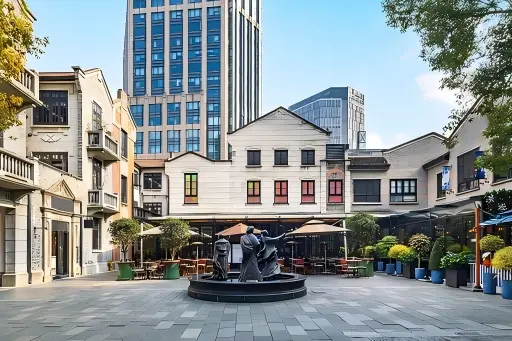
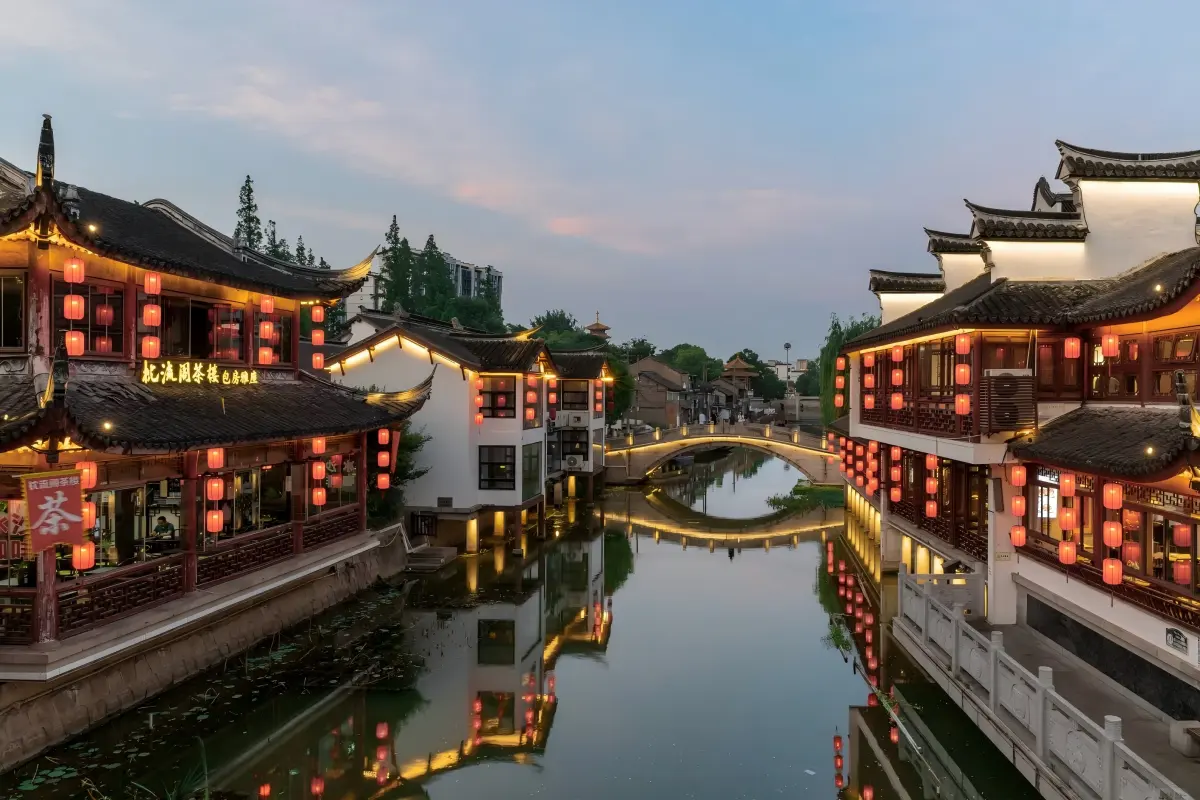
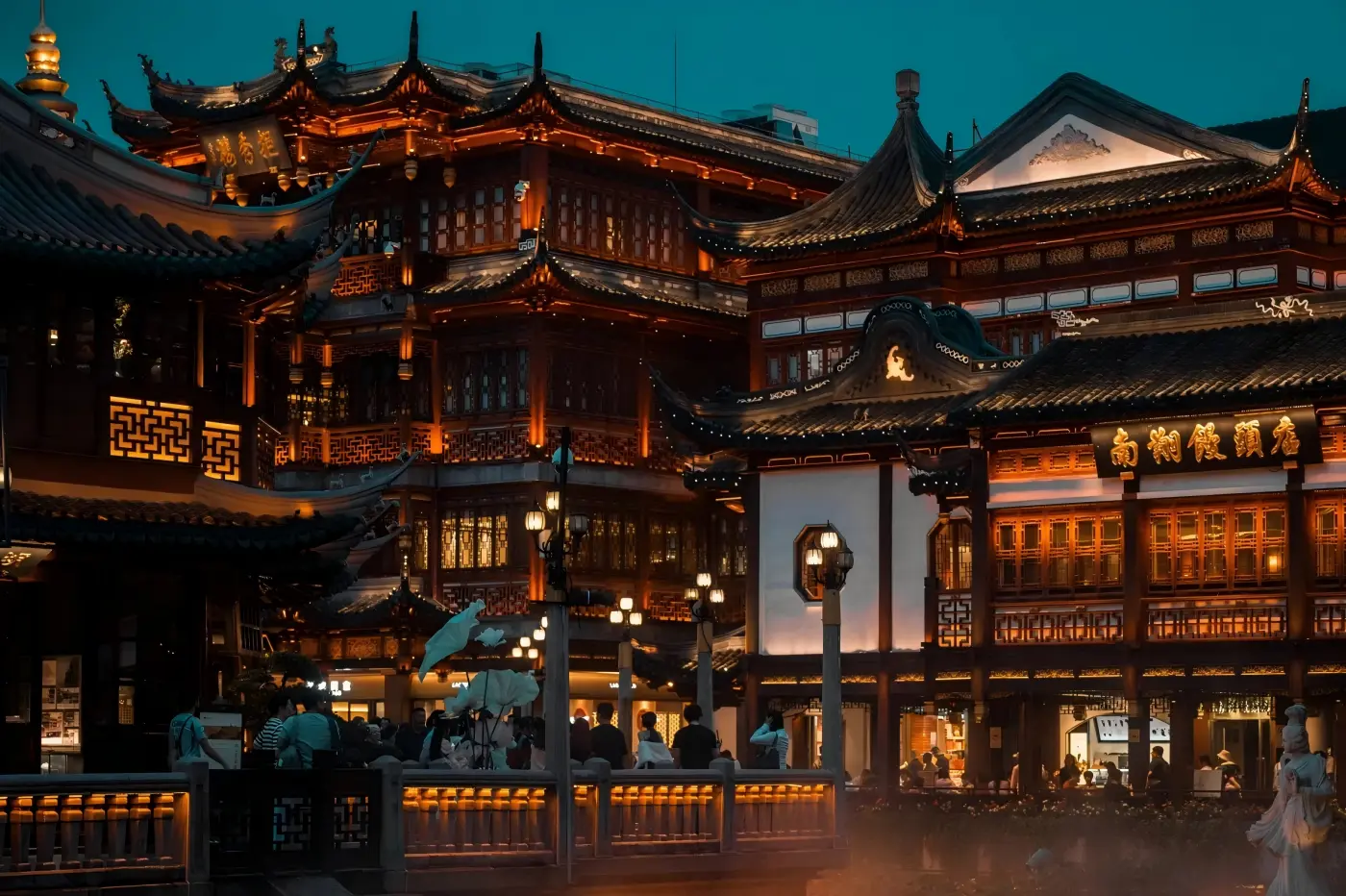
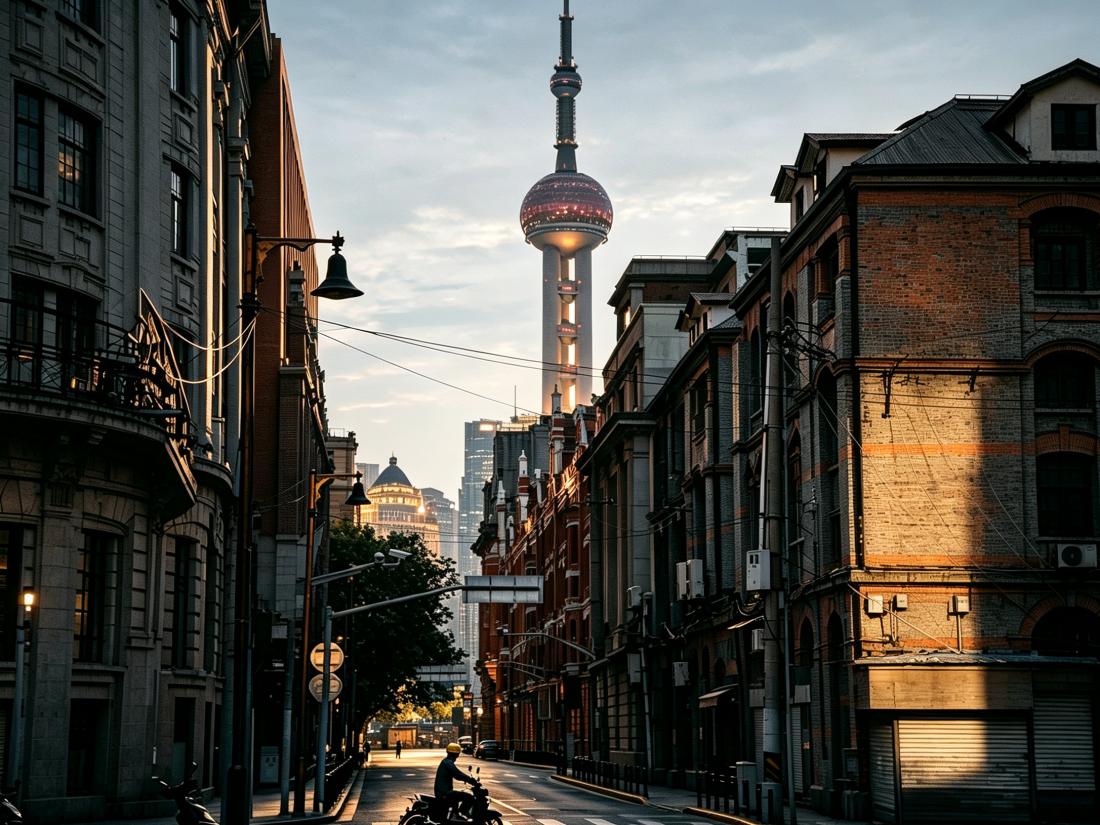
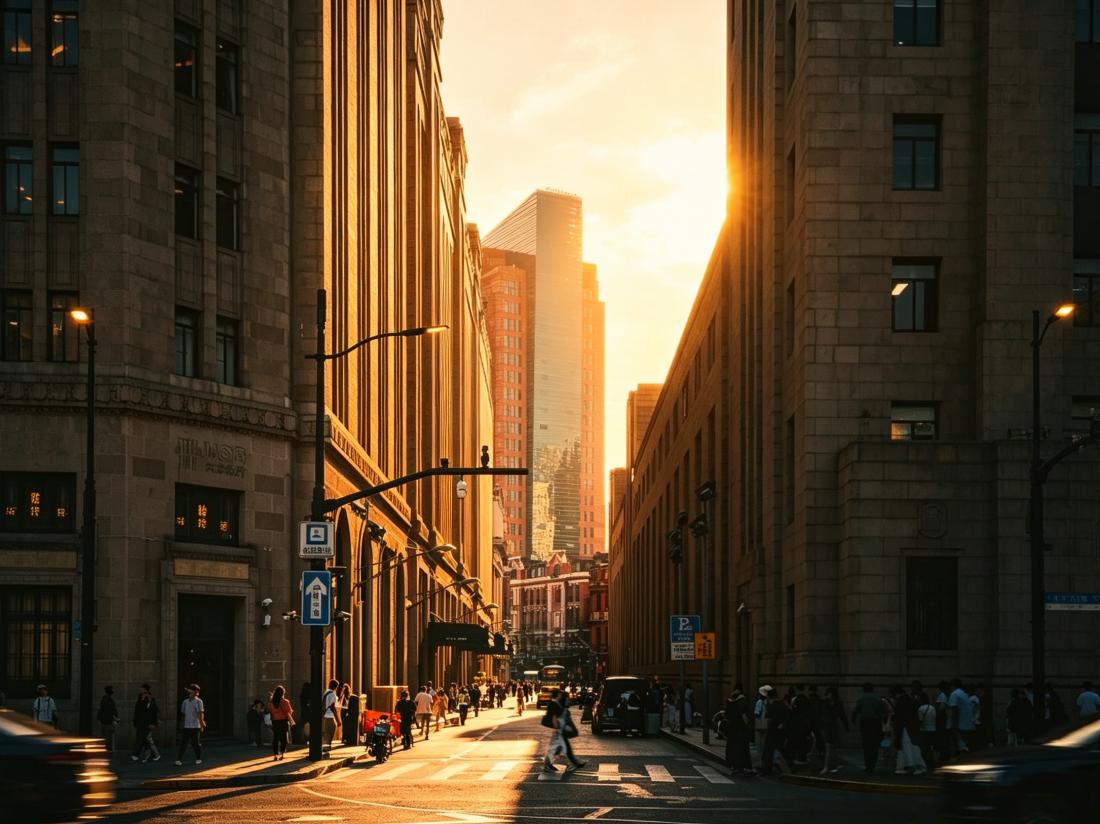
Shanghai is a city that is hard to describe in just one word. It is modern yet traditional, energetic yet full of hidden corners. One moment you are surrounded by futuristic skyscrapers in Lujiazui, and the next you are wandering beneath old plane trees in the Former French Concession, discovering historic villas, local cafes, and quiet streets.
For first-time visitors, there are countless things to do in Shanghai China — from admiring the Bund skyline and exploring Yu Garden to tasting authentic local food. But the real charm of Shanghai goes beyond its famous landmarks. In this guide, we'll share the best what to see in Shanghai, unique local experiences, hidden gems, and practical tips to help you discover the city like a local.
Shanghai Highlights at a Glance
Experience | Best For |
The Bund Skyline & Huangpu River Views | First-time visitors, photographers |
Yu Garden & Old Shanghai | Culture lovers and history enthusiasts |
Shanghai Tower Observation Deck | Skyline views and modern architecture |
French Concession City Walk | Cafes, photography, and local lifestyle |
ERA Acrobatics Show | Families and cultural experiences |
Top Things to Do in Shanghai (Classic Must-See Attractions)
Shanghai can feel overwhelming at first — there are skyscrapers everywhere, endless streets to explore, and new experiences around every corner. So where should you start?
We recommend beginning with the classics. These are the places that show you the Shanghai everyone talks about, while giving you a chance to experience the city beyond just taking photos and moving on. If you prefer a more convenient way to explore Shanghai, our Shanghai private tours offer flexible itineraries with local guides and personalized experiences.
Walk Along the Bund: Shanghai's Most Iconic Skyline
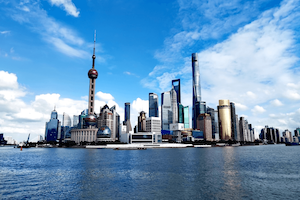
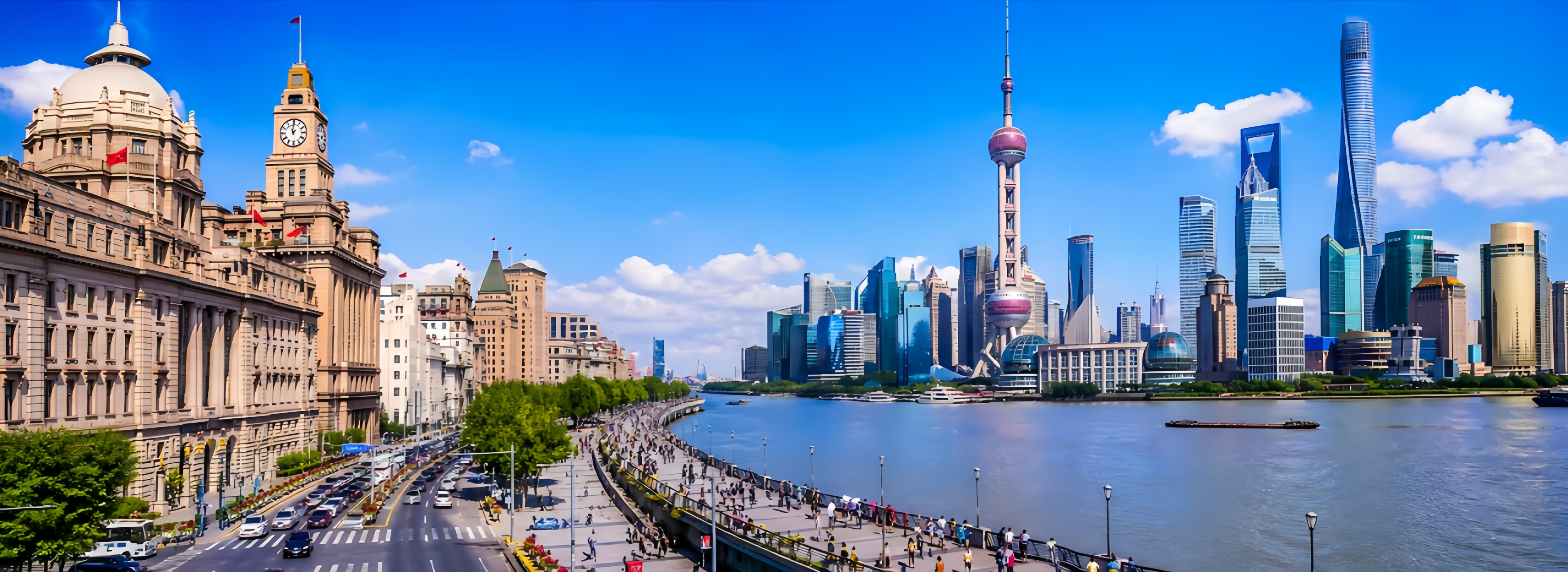
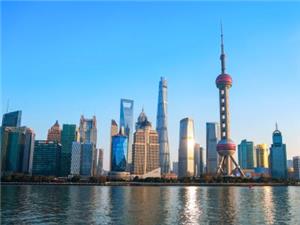
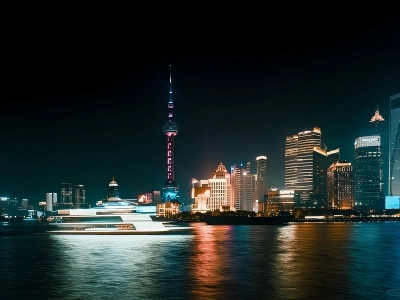
No Shanghai trip feels complete without a walk along the Bund. Standing beside the Huangpu River, you get one of the most famous city views in China: historic European-style buildings on one side and the futuristic Lujiazui skyline with Shanghai Tower and Oriental Pearl Tower on the other. But the Bund is more than just a photo spot. The best experience is arriving before sunset, watching the city slowly change from daytime business district into a glowing nighttime skyline.
For a quieter experience, we also recommend walking a little further north to the North Bund, where you can enjoy a wider view of the entire skyline with fewer crowds.
Opening Hours: 24 hours
The Bund is a public waterfront area, so you can visit anytime. The most popular times are:
· Sunset
· Evening when the city lights turn on
Entrance Fee: Free
How to Get There
Metro: East Nanjing Road Station (Lines 2 and 10), then walk about 10 minutes to the waterfront
Taxi: Tell the driver "Waitan (外滩)" and they will know the area.
Local Tip:
Weekend evenings can get extremely crowded, especially around the main viewing area near the Peace Hotel. If you want better photos, come early in the morning for a peaceful riverside walk, or visit on a weekday sunset.
Explore Yu Garden & Discover Old Shanghai
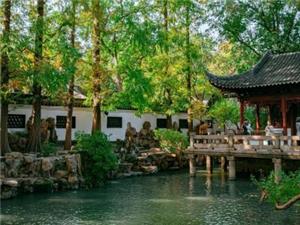
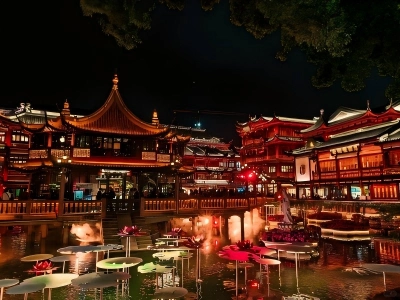
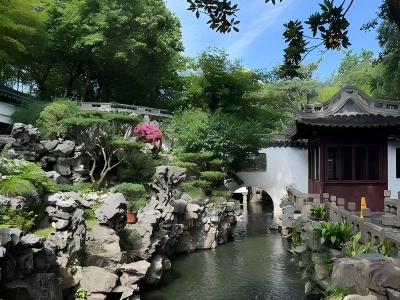
Yu Garden is one of the best places to experience Shanghai's traditional side. Built during the Ming Dynasty, this classical Chinese garden is known for its elegant pavilions, peaceful ponds, beautiful rockeries, and carefully designed landscapes. Walking through Yu Garden feels like stepping into a different era. Every corner reveals traditional Chinese garden design, from winding paths and carved windows to quiet courtyards that create a sense of balance and harmony.
Outside the garden, the surrounding Old City God Temple area adds even more local flavor. The narrow streets are filled with traditional shops, local snacks, tea houses, and historic buildings, making it a great place to experience the atmosphere of old Shanghai.
Although Yu Garden is one of Shanghai's most popular attractions, it remains a must-see for first-time visitors who want to understand the city's history and culture.
Opening Hours: 9:00 am - 5:00 pm
Last admission is usually around 4:30 pm.
Entrance Fee: Around RMB 30-40
Ticket prices may change depending on the season.
How to Get There
Metro: Yuyuan Garden Station (Line 10), then walk about 5 minutes from the station.
Local Tip:
Try visiting early in the morning when the garden is quieter and the light is better for photography. After exploring the garden, take some time to wander around the nearby old streets — the smaller lanes often offer a more authentic local atmosphere.
See Shanghai from Above at Shanghai Tower
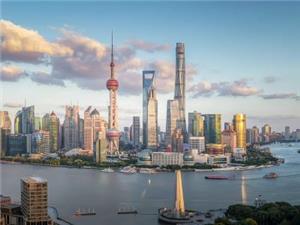
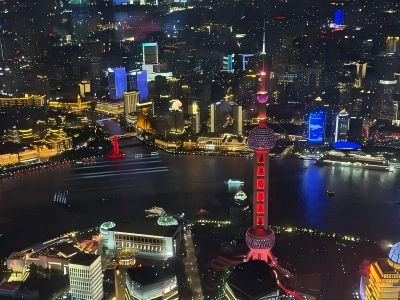
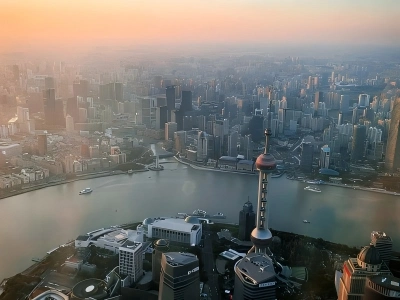
Shanghai is famous for its skyline, and the best way to understand the scale of the city is to see it from above. Located in Lujiazui, Shanghai Tower rises 632 meters above the city and offers one of the highest observation experiences in the world. From the viewing deck, you can see the Huangpu River winding through the city, the historic Bund on the opposite side, and thousands of buildings stretching into the distance.
For many first-time visitors, this is the moment when Shanghai truly feels like a global metropolis. If you are deciding between Shanghai Tower and Oriental Pearl Tower, Shanghai Tower is usually the better choice for travelers who want a modern skyline experience and the best panoramic views.
Opening Hours: 8:30 am - 10:00 pm
Entrance Fee: Around RMB 180
Prices vary depending on ticket type and season.
How to Get There
Metro: Lujiazui Station (Line 2), then walk about 10 minutes.
Local Tip:
The best time to visit is about one hour before sunset. You can enjoy daytime views, watch the city lights come on, and experience Shanghai's transformation from day to night.
Wander Through the Former French Concession
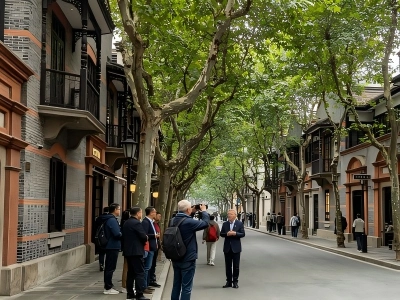
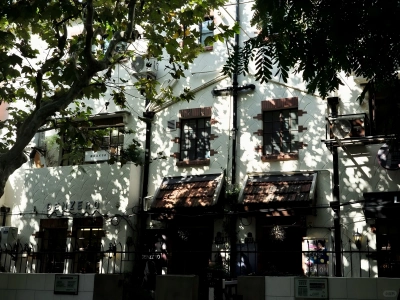
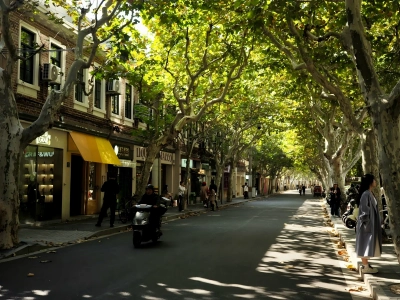
If you want to experience the side of Shanghai that locals love, spend some time exploring the Former French Concession. Unlike the busy financial district, this area feels slower and more relaxed. Under the shade of old plane trees, you will find historic villas, stylish cafes, boutique shops, art spaces, and quiet residential streets.
The charm here is not about checking off a specific attraction — it is about walking without rushing. A simple afternoon exploring streets can reveal a completely different side of Shanghai. This is also one of the best areas in the city for photography and a relaxed coffee break.
Opening Hours: Open all day
Individual shops and cafes usually open: Around 10:00 am - 10:00 pm
Entrance Fee: Free
How to Get There
Metro:
· South Shaanxi Road Station (Lines 1, 10, 12)
· Shanghai Library Station (Line 10)
Local Tip:
Don't plan too many stops here. The best way to enjoy the French Concession is to slow down, explore side streets, and let yourself discover small cafes and hidden corners.
Visit Jing'an Temple: Ancient Culture in the Heart of Modern Shanghai
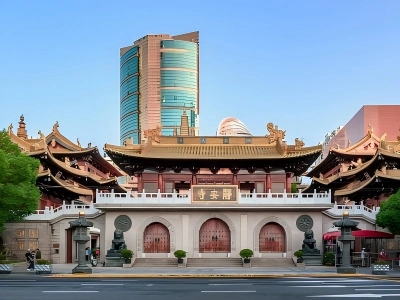
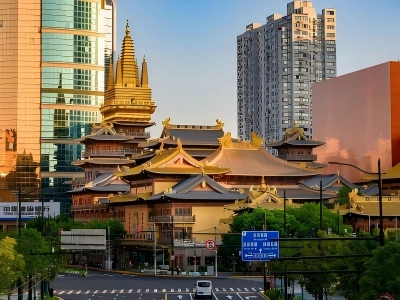
One of the most interesting things about Shanghai is how old traditions exist alongside modern city life. Jing'an Temple is the perfect example. Surrounded by shopping malls and office towers, this ancient Buddhist temple creates a surprising contrast with the fast-paced city around it.
The golden roof, traditional architecture, and peaceful atmosphere make it one of the most unique places to visit in central Shanghai. It is also a great stop if you are exploring Nanjing Road, People's Square, or the French Concession.
Opening Hours: 7:30 am - 5:00 pm
Entrance Fee: Around RMB 50
How to Get There
Metro: Jing'an Temple Station (Lines 2, 7, 14), the temple is right outside the metro exit.
Local Tip:
Try visiting in the morning when the temple is quieter. It feels much more peaceful before the surrounding shopping areas become busy.
Walk Along Nanjing Road & Experience Shanghai's Most Famous Shopping Street
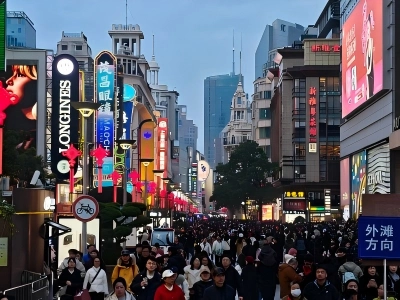
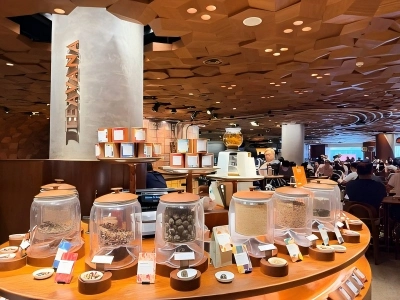
Nanjing Road is Shanghai's most famous commercial street and a great place to experience the city's energy. Stretching from People's Square to the Bund, this lively pedestrian street is lined with historic department stores, modern malls, restaurants, and bright city lights that create a unique atmosphere after sunset. Along the way, you can also stop by the Starbucks Reserve Roastery Shanghai, once the world's largest Starbucks, for a quick coffee break in one of the city's most impressive stores. Whether you're here to shop, take photos, or simply enjoy the buzz of Shanghai, Nanjing Road is a classic stop on any first visit.
Most shops usually open: 10:00 am - 10:00 pm
Entrance Fee: Free, you only pay for shopping, food, or drinks.
How to Get There
Metro:
· East Nanjing Road Station (Lines 2 & 10)
· People's Square Station (Lines 1, 2 & 8)
Local Tip:
Nanjing Road is best visited after 5:00 pm when the lights turn on and the atmosphere becomes more exciting. If you are interested in photography, walk slowly toward the Bund side — the combination of historic buildings, neon signs, and crowds creates a very Shanghai-style scene.
Discover Shanghai's History and Art at Shanghai Museum
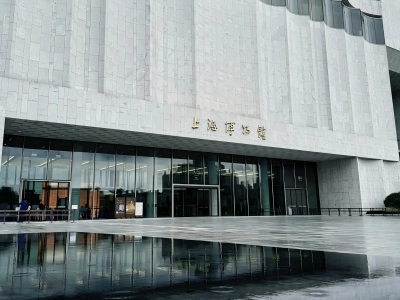
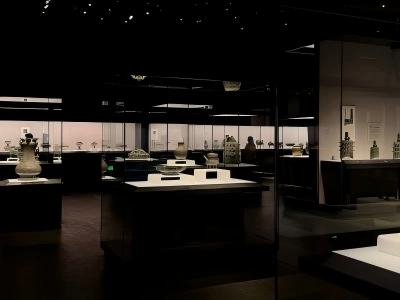
Shanghai Museum is one of the best places in the city to discover China's rich history and traditional art. Located at People's Square, the museum houses an impressive collection covering thousands of years of Chinese civilization, including ancient bronze vessels, ceramics, calligraphy, paintings, jade, and traditional furniture.
The museum building itself is also worth noticing. Its round top and square base represent the traditional Chinese idea of "a round heaven and a square earth," creating a modern interpretation of ancient philosophy.
For travelers who want to better understand Chinese culture, Shanghai Museum offers a deeper perspective beyond simply visiting historic sites.
Opening Hours: 9:00 am - 5:00 pm, Closed on Mondays.
Entrance Fee: Free
How to Get There
Metro: People's Square Station (Lines 1, 2 & 8), then walk about 5 minutes.
Local Tip:
Shanghai Museum is a great choice on rainy or extremely hot days. If you are interested in Chinese history, consider joining a guided tour — the stories behind many exhibits are much more interesting than simply looking at the displays.
Explore Tianzifang's Creative Lanes and Local Atmosphere
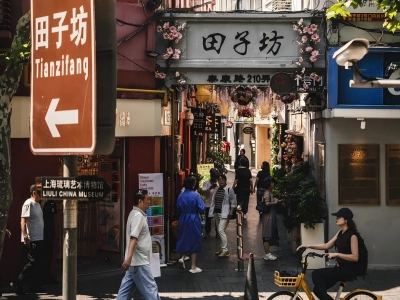
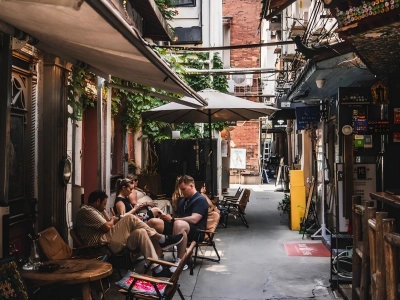
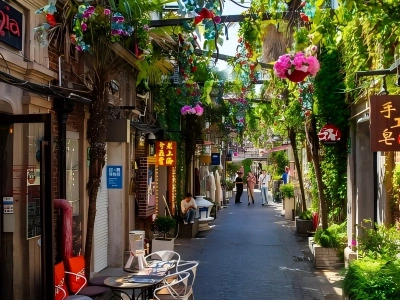
Tianzifang is one of Shanghai's most charming areas to wander without a strict plan. Hidden among traditional Shikumen-style buildings in the former French Concession, this neighborhood is filled with narrow lanes, small galleries, independent shops, cafes, bars, and creative studios. Unlike large shopping areas, Tianzifang keeps a more personal and artistic feeling. You may find a handmade craft shop beside an old residential building, a small coffee shop hidden inside an alley, or artists working in spaces that were once traditional homes. Although it has become more popular with visitors in recent years, Tianzifang still offers a glimpse into Shanghai's unique neighborhood life and the way old architecture continues to adapt to modern creativity.
Most shops usually open: Around 10:00 am - 9:00 pm
Entrance Fee: Free
How to Get There
Metro: Dapu Bridge Station (Line 9), then walk about 5 minutes.
Local Tip:
Tianzifang is more enjoyable in the late afternoon when the weather is cooler and the small shops start to come alive. The lanes can be crowded during weekends, so weekday visits usually offer a more relaxed experience.
Unique Experiences to Try in Shanghai
Shanghai is more than just famous landmarks and skyline views. What makes the city memorable is often the experiences in between — enjoying the river lights at night, discovering local traditions, watching a cultural performance, or simply slowing down with a cup of tea.
If you want to experience Shanghai beyond sightseeing, these are some activities that offer a deeper connection with the city.
Take a Huangpu River Night Cruise for Shanghai's Best Night View
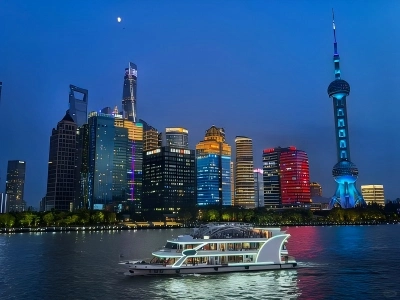
Seeing Shanghai from the Huangpu River is one of the most memorable experiences you can have in the city. As the sun goes down, the historic buildings along the Bund begin to glow while the skyscrapers of Lujiazui light up across the water. From the deck of a cruise boat, you get a completely different perspective of Shanghai's famous skyline.
The cruise is especially popular with first-time visitors because it combines the city's past and future in one simple experience — classic European-style architecture on one side and futuristic towers on the other.
There are different cruise options available, from shorter sightseeing boats to more comfortable evening cruises with better seating and views.
Opening Hours: Around 10:00 am - 10:00 pm
Departure times vary depending on the season,the best time is usually after sunset.
Entrance Fee: Around RMB 120-200
(Premium seating or special cruises may cost more.)
How to Get There
Popular boarding areas:
· Shiliupu Wharf
· Near the Bund area
Metro:
· Yuyuan Garden Station (Line 10)
· East Nanjing Road Station (Lines 2 & 10)
Local Tip:
Avoid the busiest weekend evenings if you prefer a relaxed experience. A weekday night cruise usually offers better views with fewer crowds.

Watch ERA Intersection of Time: Shanghai's Famous Acrobatics Show
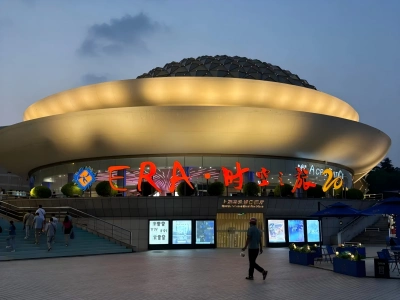
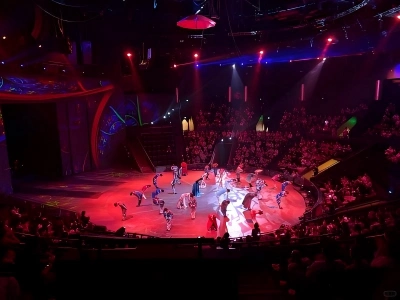
For a unique evening experience, the ERA Intersection of Time acrobatics show is one of Shanghai's most impressive performances. Combining traditional Chinese acrobatics with modern stage technology, the show features incredible skills, including balancing acts, aerial performances, motorcycle stunts, and dramatic visual effects. Unlike a traditional theater performance, ERA is easy to enjoy even if you do not speak Chinese, making it a great choice for international visitors, families, and couples. The highlight for many audiences is the famous motorcycle globe finale, where multiple riders perform inside a small steel sphere at high speed.
Evening performances: Around 7:30 pm - 9:00 pm
Schedule may vary depending on the day.
Entrance Fee: Usually around RMB 300-800
(Prices vary by seat category.)
How to Get There
Venue: Shanghai Circus World
Metro: Shanghai Circus World Station (Line 1), the theater is close to the metro exit.
Local Tip:
Choose seats closer to the center rather than the very front. The show uses a large stage, and a middle-distance view often gives the best overall experience.
Relax with a Traditional Chinese Massage Experience
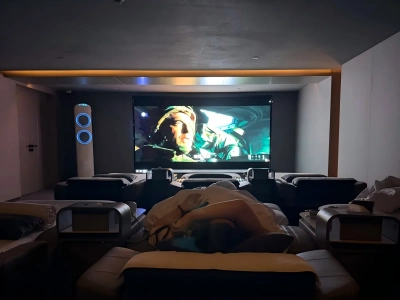
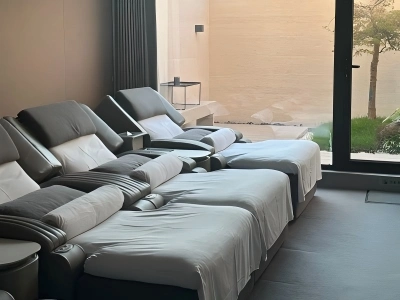
After walking around Shanghai all day, a traditional Chinese massage can be a surprisingly enjoyable part of your trip. Unlike luxury spa treatments, traditional Chinese massage focuses more on relaxation and relieving tired muscles through techniques such as foot massage, shoulder and neck massage, and acupressure.
For visitors looking for a comfortable and authentic experience, places like Qushui Lanting offer a more refined environment where you can enjoy traditional wellness treatments in a relaxing setting. A massage experience is also a great way to slow down and experience a different side of Shanghai's local lifestyle.
Local Tip:
Many massage places require reservations during evenings and weekends. If you prefer a quieter experience, visit in the afternoon.
Experience Shanghai Tea Culture at a Traditional Tea House
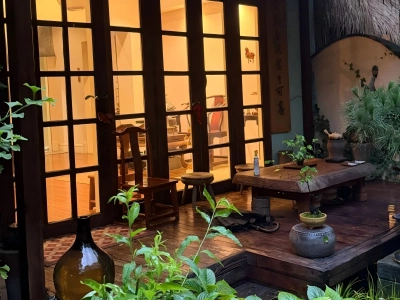
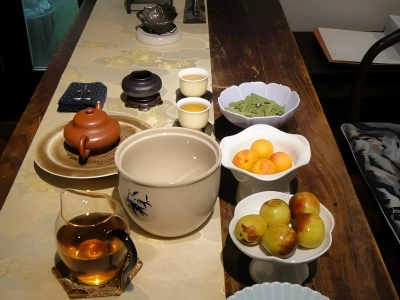
Tea culture has been part of Chinese life for centuries, and Shanghai offers many elegant places to experience it at a slower pace. A traditional tea house visit is not only about drinking tea — it is about enjoying the atmosphere, learning about different tea varieties, and taking a break from the city's fast rhythm. From classic Chinese teas like Longjing and Pu'er to beautifully designed modern tea spaces, Shanghai has options for both beginners and tea enthusiasts. For travelers interested in local culture, a tea experience can be one of the most relaxing activities during a Shanghai trip.
Local Tip:
If you are new to Chinese tea, don't worry about knowing the "right" way to drink it. Most tea houses are happy to introduce different teas and explain the basics.
Explore Shanghai's Night Markets and Late-Night Food Scene
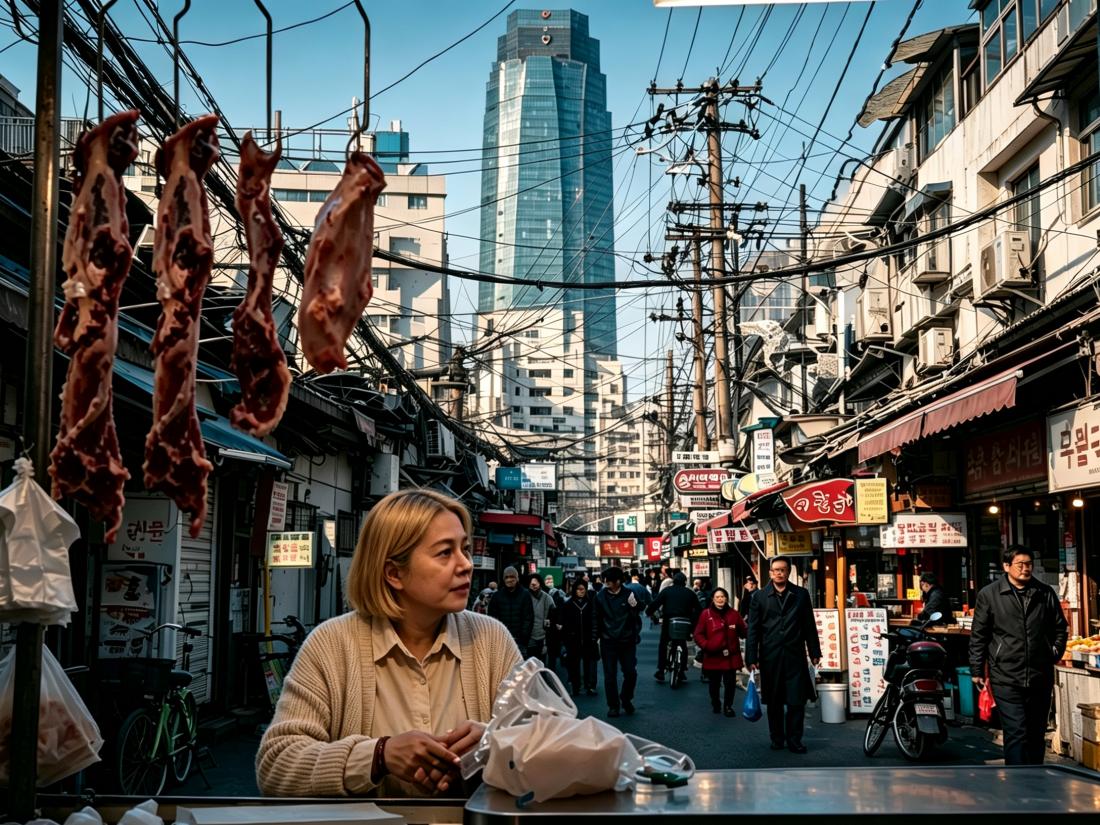
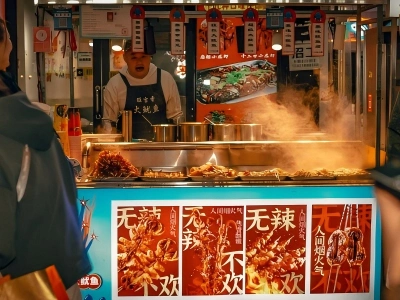
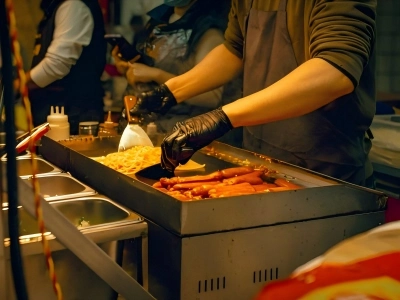
Shanghai's nightlife is not only about rooftop bars and city views. Some of the most memorable evenings happen in small restaurants, late-night food streets, and neighborhood spots where locals gather after work. As the city slows down, many streets come alive with the aroma of freshly cooked food, from crispy shengjian buns and steaming xiaolongbao to grilled skewers, noodles, and local desserts. Exploring Shanghai's late-night food scene is a simple way to experience the city's everyday life beyond the famous landmarks.
Popular areas such as Huanghe Road Food Street, Wuning Road, and local neighborhoods around Jing'an and the former French Concession offer plenty of choices for a casual evening food adventure.
Local Tip:
Don't only look for famous restaurants with long online reviews. In Shanghai, some of the best late-night food experiences come from small neighborhood restaurants filled with locals.
Try Authentic Shanghai Food Experiences
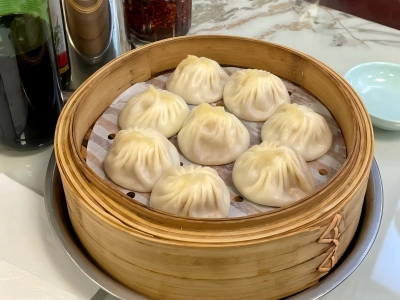
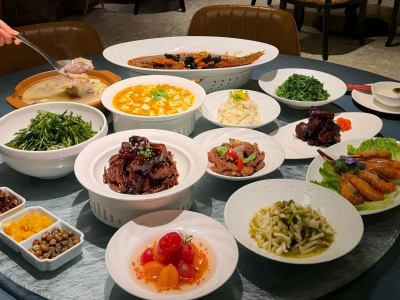
Food is one of the best ways to understand Shanghai. The city's cuisine, known as Benbang cuisine, is famous for its rich flavors, delicate cooking techniques, and slightly sweet taste. While many visitors know Shanghai for xiaolongbao (soup dumplings), there is much more to explore. Classic local dishes include braised pork belly, drunken chicken, Shanghai-style noodles, and crab dishes during autumn. Beyond restaurants, part of the fun is exploring local breakfast shops, neighborhood eateries, and traditional food streets where Shanghai residents eat every day.
Best Streets for a Shanghai City Walk
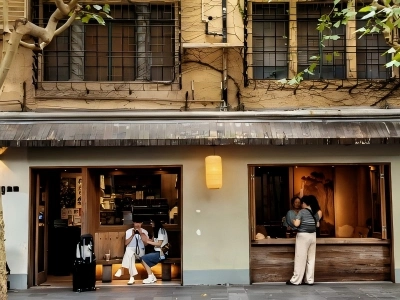
Shanghai is a city best discovered on foot. While the famous landmarks show its modern skyline and historic heritage, some of the most memorable moments come from wandering through quiet streets, old neighborhoods, and local communities. From tree-lined avenues and historic villas to creative districts and riverside paths, these city walks offer a slower way to experience Shanghai — one where you can stop for a coffee, explore small shops, and see how locals actually live.
Former French Concession Walk: Shanghai's Most Charming Neighborhood
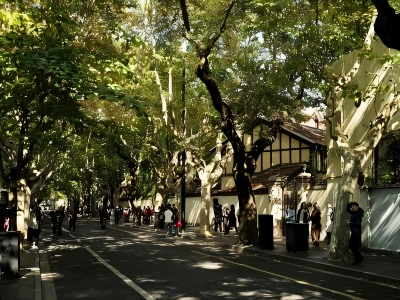
The Former French Concession is arguably the best area in Shanghai for a relaxed city walk. With leafy streets, historic villas, Art Deco buildings, and countless cafes, the neighborhood has a completely different rhythm from the busy downtown areas.
The charm here comes from the details. You can walk beneath old plane trees, discover hidden courtyards, browse independent boutiques, or take a break at a neighborhood cafe while watching local life pass by.
Popular streets for walking include:
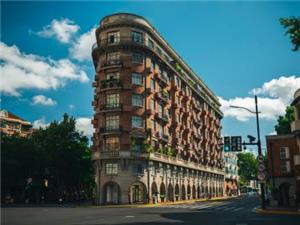
· Wukang Road– famous for historic buildings and the iconic Wukang Mansion
· Anfu Road– known for cafes, restaurants, and a trendy local atmosphere
· Sinan Road – lined with historic villas and peaceful residential streets
This area is especially popular with photographers, couples, and travelers who want to experience a more relaxed side of Shanghai.
Best Time to Visit
· Morning for quieter streets and softer light
· Late afternoon for cafes and a livelier atmosphere
How to Get There
Metro:
· South Shaanxi Road Station (Lines 1, 10, 12)
· Shanghai Library Station (Line 10)
Xinhua Road: A Quiet European-Style Street Away from the Crowds
If you want to discover a more peaceful side of Shanghai, Xinhua Road is one of the city's most charming hidden corners. Compared with the more famous streets in the Former French Concession, Xinhua Road feels quieter and more residential. The street is lined with beautiful old villas, green trees, and historic buildings, creating a relaxed atmosphere that feels far removed from Shanghai's busy urban pace.
Many locals consider this one of the best areas for a slow walk, photography, and simply enjoying the city's architectural charm.
Best Time to Visit: Morning or late afternoon
How to Get There
Metro: Jiaotong University Station (Lines 10 & 11)
M50 Creative Park & Moganshan Road: Shanghai's Contemporary Art Side
For travelers interested in art and creativity, M50 Creative Park offers a different perspective of Shanghai. Located inside former industrial buildings, M50 has become one of the city's most important contemporary art districts. Old warehouses have been transformed into galleries, artist studios, photography spaces, and creative shops. The area keeps a raw industrial feeling that contrasts with Shanghai's polished modern image. It is a great place to spend a slow afternoon exploring exhibitions, street art, and creative spaces.
Opening Hours: Around 10:00 am - 6:00 pm
Departure times vary depending on the season,the best time is usually after sunset.
Entrance Fee: Free
How to Get There
Metro: Shanghai Railway Station (Lines 1, 3, 4), then walk about 15 minutes
West Bund Riverside Walk: Shanghai's Modern Waterfront Escape
West Bund is one of Shanghai's most enjoyable riverside areas for walking, cycling, and relaxing. Unlike the busy Bund, West Bund offers wide open spaces, art museums, cafes, and long riverside paths with beautiful views. The area combines former industrial heritage with modern cultural spaces, creating a more creative and local atmosphere. It is especially popular among locals who come here for sunset walks, weekend activities, and outdoor photography.
Best Time to Visit: Late afternoon to sunset
How to Get There
Metro:
· Longhua Middle Road Station (Line 7)
· Yuntai Road Station (Line 7)
Hidden Gems & Cultural Experiences in Shanghai
Discover Shanghai's Past at the Propaganda Poster Art Centre
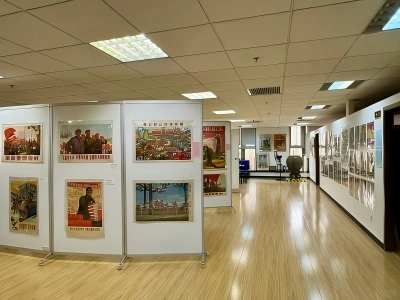
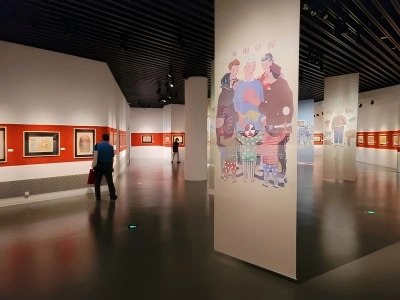
The Propaganda Poster Art Centre is one of Shanghai's most unique museums and a fascinating stop for travelers interested in modern Chinese history.
Hidden inside a residential building, this small private museum houses a large collection of Chinese propaganda posters from the 20th century. The artwork reflects different periods of Chinese history and provides insight into politics, society, and everyday life during those times. Unlike large national museums, this place feels more personal and unexpected, making it an interesting experience for visitors who want to explore a less familiar side of China.
Visit Longhua Temple: A Peaceful Side of Shanghai
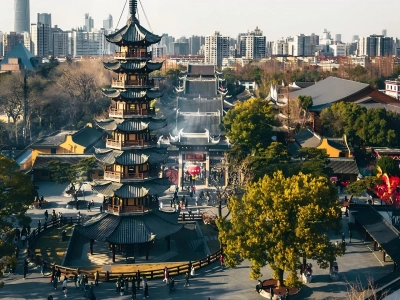
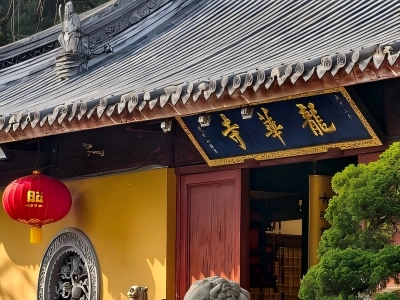
Longhua Temple is one of Shanghai's oldest and most historic Buddhist temples, offering a quieter glimpse into the city's traditional culture. Dating back more than 1,000 years, the temple features beautiful traditional halls, Buddhist statues, incense-filled courtyards, and the famous Longhua Pagoda nearby. Compared with Shanghai's busy commercial areas, the peaceful atmosphere here makes it a refreshing place to slow down and experience a different side of the city.
For visitors interested in history, architecture, or local traditions, Longhua Temple is a meaningful stop that reveals a more spiritual side of Shanghai.
Explore Tian An 1000 Trees: Shanghai's Mountain-Like Architecture
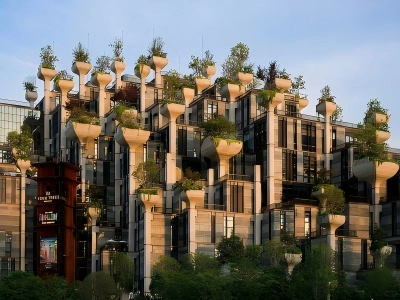
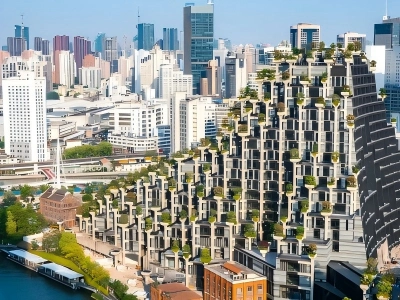
Tian An 1000 Trees is one of Shanghai's most unusual modern architectural projects. Designed to look like a mountain covered with thousands of trees, this creative complex combines architecture, nature, shopping, dining, and art. Hundreds of trees and plants sit on terraces across the building, creating a futuristic landscape unlike anywhere else in Shanghai. It has become a popular photography spot, especially for travelers looking for something different from the city's traditional skyline.
Visit the Shanghai Jewish Refugees Museum: A Forgotten Chapter of the City
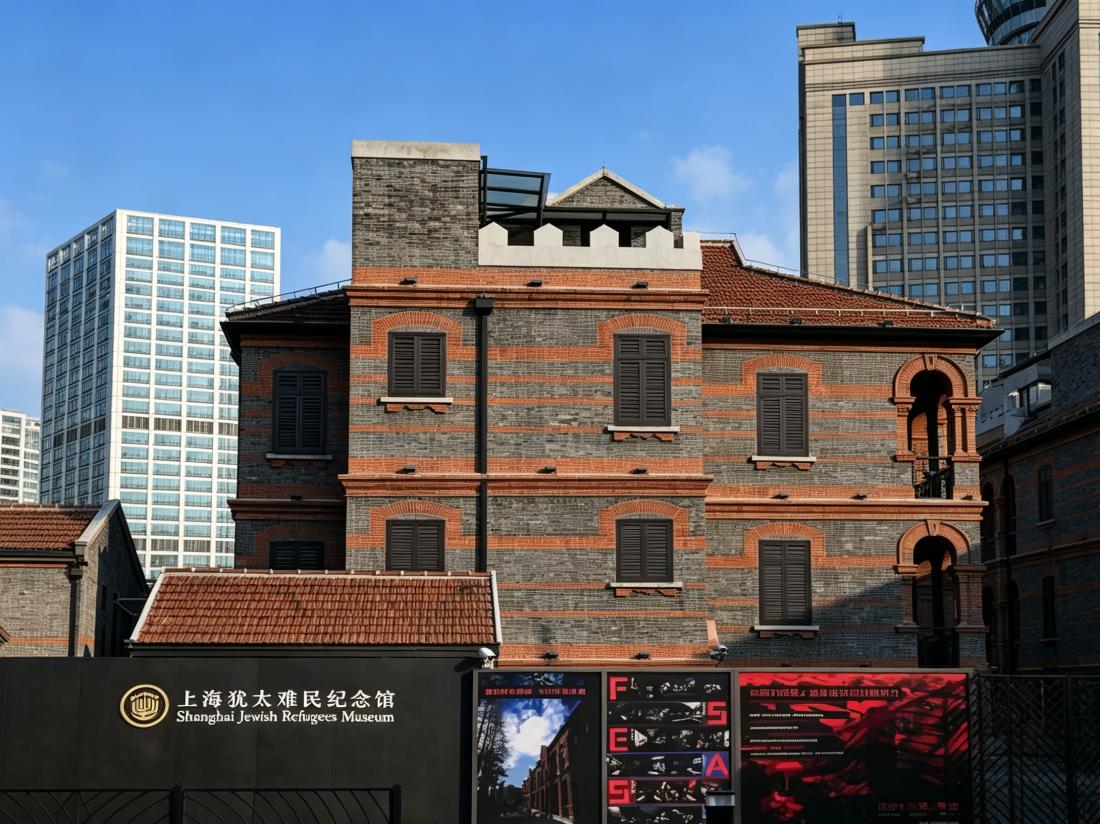
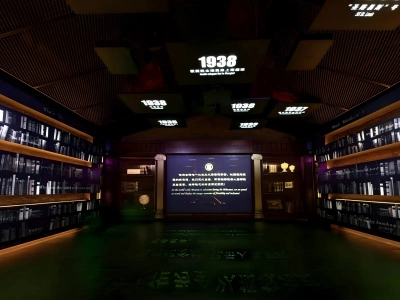
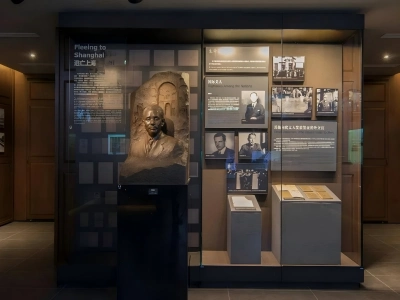
The Shanghai Jewish Refugees Museum tells the remarkable story of Jewish refugees who found shelter in Shanghai during World War II. Located in the historic Hongkou area, the museum preserves the former Ohel Moshe Synagogue and shares stories about the Jewish community that lived in Shanghai during a difficult period of history. This is a meaningful visit for travelers interested in history, migration, and the unique international stories that shaped Shanghai.
Escape the City at Gongqing National Forest Park
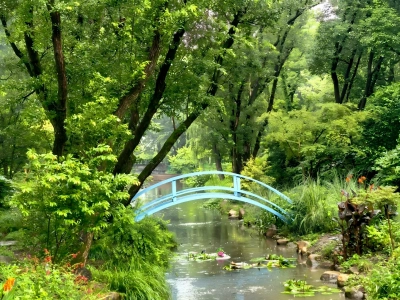
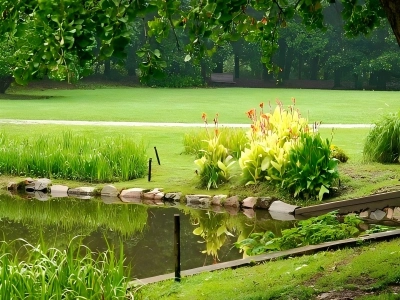
For travelers who need a break from Shanghai's busy streets, Gongqing National Forest Park offers a refreshing green escape. Covering a large area with forests, lakes, gardens, and outdoor activities, the park feels surprisingly far away from the city center. Locals often visit here for cycling, picnics, boating, and relaxing weekends with family and friends. It is especially enjoyable during spring and autumn when the weather is comfortable.
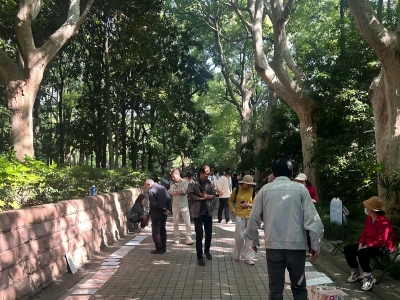
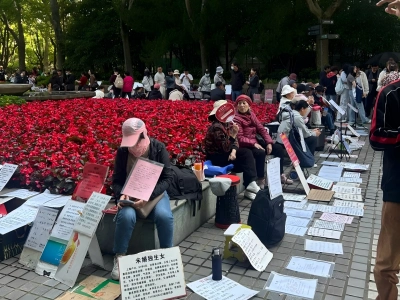
Experience Shanghai's People's Park Marriage Market
The People's Park Marriage Market is one of Shanghai's most unusual cultural experiences. Every weekend, parents gather in People's Park to exchange information about their unmarried children, hoping to help them find a suitable match. The tradition has continued for years and offers a fascinating glimpse into family culture and social customs in modern Shanghai. It is not a typical tourist attraction, but it is an interesting example of everyday life that you would rarely discover without local knowledge.
Shanghai with Kids: Family-Friendly Experiences Everyone Will Enjoy
Shanghai is a surprisingly family-friendly destination. Beyond the skyscrapers and shopping streets, the city offers plenty of activities where children can learn, explore, and have fun. From world-class theme parks and interactive museums to river cruises and outdoor spaces, Shanghai makes it easy for families to enjoy a trip that balances sightseeing with activities kids actually love.
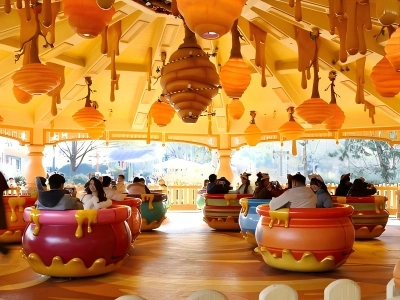
Spend a Magical Day at Shanghai Disneyland
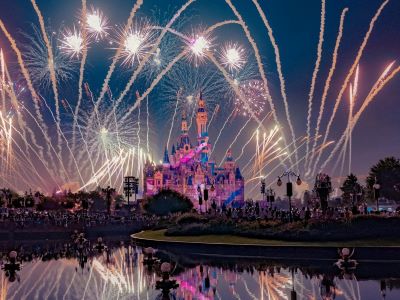
For families visiting Shanghai with children, Shanghai Disneyland is one of the most popular experiences. The park combines classic Disney attractions with unique Chinese-inspired elements, including the impressive Enchanted Storybook Castle, themed rides, spectacular shows, and colorful parades. Compared with some older Disney parks around the world, Shanghai Disneyland offers a spacious layout and several attractions designed especially for younger visitors and families.
Opening Hours: Around 8:30 am - 9:00 pm
Entrance Fee: Usually around RMB 475-799 for adults, children's tickets are discounted
How to Get There
Metro: Disney Resort Station (Line 11), the station is directly connected to the park entrance.
Local Tip:
Arrive early, especially during weekends and holidays. Families can save time by planning popular rides in advance and using the official Shanghai Disneyland app.

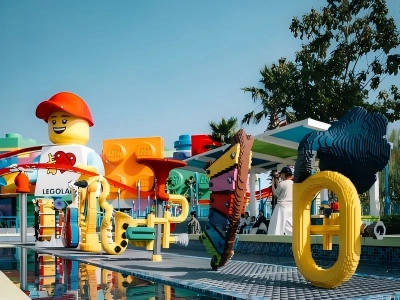
Have Fun at LEGOLAND Shanghai Resort
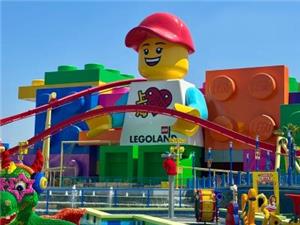
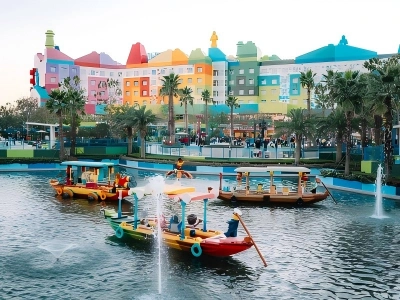
For families traveling with younger children, LEGOLAND Shanghai Resort is one of the newest family attractions around Shanghai. Designed especially for children aged 2–12, the park combines LEGO-themed rides, interactive play areas, creative workshops, and colorful themed zones where kids can explore, build, and play. Compared with Shanghai Disneyland, LEGOLAND offers a more relaxed and child-focused experience. It is a great choice for families who want a fun day out without long walking distances or attractions that may feel too intense for younger kids.
Opening Hours: Around 10:00 am - 7:00 pm
Entrance Fee: Adult tickets are usually around RMB 400+, children's tickets are discounted
How to Get There:
1. Take the metro to Hongqiao Railway Station
2. Take a high-speed train to Jinshan North Railway Station
3. From Jinshan North Station: Take the LEGOLAND shuttle bus to the resort or take a short taxi/Didi ride.
Local Tip:
LEGOLAND is farther from central Shanghai compared with Disneyland, so it is best planned as a full-day trip. Families staying in downtown Shanghai may want to combine it with a private transfer service to save time and make the journey easier.
Explore the Shanghai Science and Technology Museum
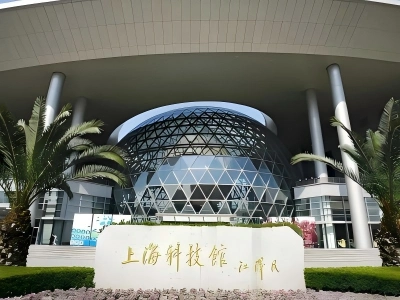
The Shanghai Science and Technology Museum is a great choice for families looking for an educational but entertaining experience. The museum features interactive exhibitions covering nature, animals, space, technology, and human development. Children can learn through hands-on activities rather than simply looking at displays. It is especially suitable for families with younger children who need a break from traditional sightseeing.
Opening Hours: Around 9:00 am - 5:00 pm
Entrance Fee: Around RMB 45-60
How to Get There
Metro: Shanghai Science & Technology Museum Station (Line 2)
Local Tip:
Plan at least half a day here. The museum is large, and rushing through it can make the experience less enjoyable.

Visit Shanghai Natural History Museum
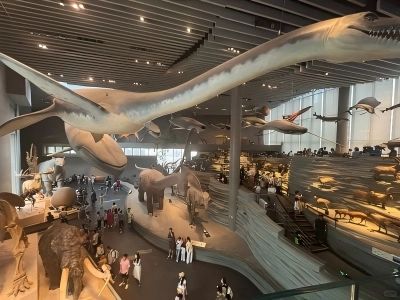
The Shanghai Natural History Museum is one of the city's most impressive family attractions. With dinosaur fossils, animal displays, nature exhibitions, and interactive areas, it is a place where children can spend hours exploring. The modern architecture itself is also worth seeing. It is a good option for families who want an indoor activity, especially during hot summer days or rainy weather.
Opening Hours: Around 9:30 am - 5:00 pm
Entrance Fee: Around RMB 30
How to Get There
Metro: Shanghai Natural History Museum Station (Line 13)
Local Tip:
The dinosaur exhibition is usually the highlight for children. Visiting in the morning helps avoid larger crowds.

Enjoy Outdoor Time at Shanghai Parks
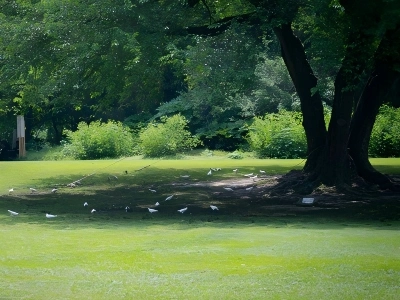
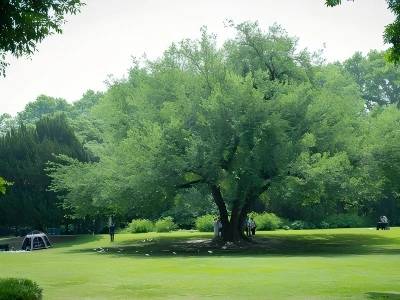
Shanghai has many large green spaces where families can slow down after busy sightseeing days. Places like Century Park, Gongqing National Forest Park, and Shanghai Zoo offer open areas where children can run around, enjoy nature, and take a break from the city's busy streets. These parks are especially enjoyable during spring and autumn when the weather is comfortable.
Useful Tips From Buer China Travel
Shanghai is one of China's easiest cities to explore, especially with its excellent public transportation and modern infrastructure. However, a few local tips can make your trip much smoother — from choosing the right season and using mobile payments to getting around the city efficiently. Here are some practical things to know before your Shanghai trip.
Best Time to Visit Shanghai
Shanghai is a city you can visit all year round, but the experience changes greatly with the seasons.
Spring (March - May)
Spring is one of the most pleasant times to visit Shanghai. The weather is comfortable, flowers are blooming, and places like the Former French Concession, parks, and gardens are especially beautiful.
Best for:
· City walks
· Photography
· Outdoor sightseeing
Summer (June - August)
Summer in Shanghai can be hot, humid, and rainy, especially in July and August. However, it is also a lively season with longer daylight hours and plenty of evening activities.
Best for:
· Night cruises
· Indoor attractions
· Evening food experiences
Autumn (September - November)
Many locals consider autumn the best season to visit Shanghai. The weather is cooler, skies are often clearer, and walking around the city becomes much more comfortable.
Best for:
· City walks
· Riverside views
· Outdoor activities
Winter (December - February)
Winter is generally cold but less crowded. It can be a good time to enjoy museums, restaurants, cafes, and cultural attractions at a slower pace.
Best for:
· Museums
· Food experiences
· Fewer crowds
Local Tip:
For most first-time visitors, April-May and September-November offer the best balance of comfortable weather and enjoyable sightseeing conditions.
How Many Days Do You Need in Shanghai?
Shanghai is a city where you can see the highlights quickly, but staying longer allows you to experience its neighborhoods and local lifestyle.
1 Day in Shanghai
Focus on the classics:
· The Bund
· Yu Garden
· Nanjing Road
· Lujiazui skyline
2-3 Days in Shanghai
A better pace for first-time visitors:
· Famous landmarks
· French Concession walks
· Museums
· Local food experiences
· Huangpu River night views
4-5 Days in Shanghai
Ideal for travelers who want to explore deeper:
· Hidden gems
· Creative neighborhoods
· More relaxed city walks
· Day trips to nearby destinations such as Suzhou or Hangzhou
Local Tip:
Don't try to visit too many attractions in one day. Shanghai's charm often comes from wandering, eating, and discovering small details along the way.
Getting Around Shanghai
Shanghai is a large city, but getting around is surprisingly easy thanks to its efficient public transportation system. The best way to explore depends on where you are going and how much time you have.
Metro
The Shanghai Metro is the fastest and most convenient way to travel around the city. It connects most major attractions, shopping areas, and neighborhoods, and fares are affordable.
For first-time visitors, the metro is usually the best option to avoid traffic, especially during busy hours.
Taxi & Ride-Hailing Apps
Taxis are a comfortable choice when traveling with luggage or visiting places that are not close to metro stations. Apps like Didi are also widely used and make it easier for international visitors to enter destinations directly.
Walking
Many of Shanghai's most charming areas are best explored on foot. Neighborhoods such as the Former French Concession, the Bund, Xintiandi, and Tianzifang are perfect for slow walks where you can discover historic buildings, cafes, and local street life.
Local Tip
For most visitors, the easiest way to get around Shanghai is a combination of metro + walking, with taxis or Didi used when needed.
Payment in Shanghai: Alipay, WeChat Pay & Cards
Shanghai has become a largely cashless city, and mobile payment is the easiest way to pay for almost everything. Most restaurants, shops, taxis, metro stations, and attractions accept Alipay and WeChat Pay, making daily travel much more convenient.
For international visitors, both apps now support linking overseas bank cards, so it is a good idea to set them up before your trip. Credit cards are accepted at many hotels, shopping malls, and larger restaurants, but smaller local shops and street vendors may still prefer mobile payment.
Local Tip
Set up your payment apps before arriving in Shanghai. Having mobile payment ready will make small purchases, transportation, and everyday activities much easier.
Do You Need to Book Tickets in Advance?
For Shanghai's most popular attractions and experiences, booking in advance is recommended, especially during weekends, public holidays, and peak travel seasons. Popular places such as Shanghai Tower, Shanghai Disneyland, major performances, and special exhibitions can sell out or have limited availability.
However, many of Shanghai's best experiences — including city walks, historic neighborhoods, parks, and some temples — can be enjoyed without advance planning.
Local Tip
If you have a short stay in Shanghai, reserve time-sensitive experiences first, then leave some flexibility in your schedule for exploring neighborhoods, trying local food, and discovering hidden corners.
Ready to explore Shanghai? Our Shanghai private tours are designed to help you experience the city at your own pace, from iconic landmarks to hidden local favorites.
Frequently Asked Questions About Visiting Shanghai
What is Shanghai famous for?
Shanghai is famous for its unique combination of old and new. The city is known for its futuristic skyline, historic Bund architecture, traditional gardens, French Concession neighborhoods, local food culture, and international atmosphere. Unlike many cities in China, Shanghai has a strong mix of Chinese traditions and global influences, which makes it feel both familiar and completely different at the same time.
Is Shanghai safe for international travelers?
Yes, Shanghai is generally considered one of the safest major cities in the world for tourists. The city has a low crime rate, excellent public transportation, and is easy to navigate even for first-time visitors. As with any large city, it is still a good idea to take normal precautions, such as keeping an eye on personal belongings in crowded areas and being careful with unofficial tour offers.
Do I need a visa to visit Shanghai?
Visa requirements depend on your nationality and travel situation. Many travelers can enter China through visa-free transit policies or short-term visa exemption programs, while others may need to apply for a visa before arrival. It is recommended to check the latest entry requirements based on your passport before planning your trip.
Can I use Google Maps and other Western apps in Shanghai?
Some international apps and websites may not work normally in mainland China due to internet restrictions. For navigation, many travelers use alternatives such as Apple Maps, Amap (Gaode Maps), or local Chinese navigation apps. Translation apps can also be very helpful when communicating with taxi drivers or reading menus.
Is Shanghai suitable for families with children?
Yes. Shanghai is a family-friendly destination with attractions and activities suitable for different ages. Families can enjoy places such as Shanghai Disneyland, science museums, aquariums, parks, river cruises, and interactive cultural experiences. The city's convenient transportation also makes traveling with children relatively easy.
Is Shanghai expensive for tourists?
Shanghai is one of China's more expensive cities, but it offers options for every budget. You can enjoy free attractions like the Bund and many city walks, while transportation and local food remain relatively affordable compared with many major international cities.
Can I use international credit cards in Shanghai?
International credit cards are accepted at many hotels, shopping malls, and larger restaurants. However, mobile payments through Alipay or WeChat Pay are much more common, so setting them up before your trip is highly recommended.
Is Shanghai easy to get around without speaking Chinese?
Yes. Shanghai has an excellent metro system with English signage, and many attractions, stations, and restaurants provide English information.
Shanghai is a city that reveals itself a little differently every time you visit. While its famous landmarks are well worth seeing, some of the best memories often come from the moments in between — wandering down a quiet tree-lined street, discovering a neighborhood café, watching the skyline light up at sunset, or sharing a meal at a local restaurant.
Whether you're visiting for one day or planning a longer stay, we hope this guide helps you discover not only the best things to do in Shanghai, but also the experiences that make the city feel truly unforgettable.